Imagine how simple it would be to consistently cut deli meats, cheeses, or vegetables to perfection. Meal preparation is quick and straightforward with automatic meat slicers. You can save time and energy as well. You can have even slices that look and taste fantastic. Whether you’re running a small business or cooking at home, a good meat slicer makes your job easier. You don’t need to slice each piece manually. Therefore, make sensible decisions and spend more time at the table and less time in the kitchen. Now, let’s explore a comprehensive guide:
What Is an Automatic Meat Slicer?
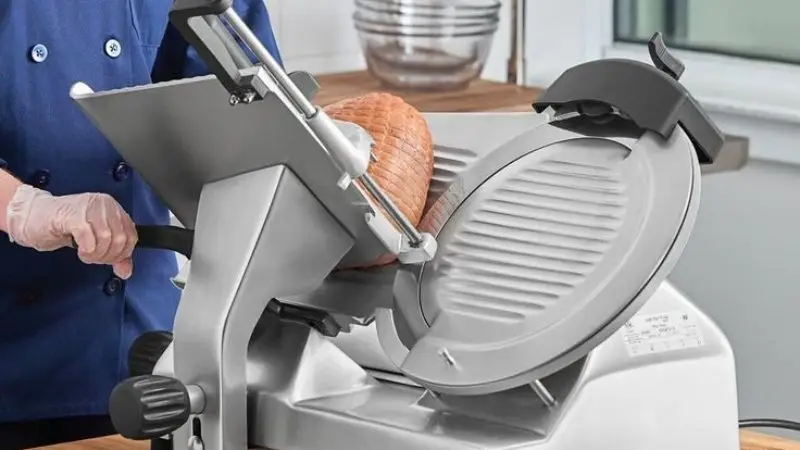
What makes automatic meat slicers different? Picture a machine that makes it easy to slice up meats, cheeses, and even vegetables. Just put your food on the tray, pick how thick you want it, and the slicer will do the rest. You never have to worry about cuts that aren’t straight or sore arms, and you always get perfect slices.
You can find several types of meat slicers in kitchens:
- Hand-held meat slicers: You move the food and the blade with your hands. These are good for little jobs, but they take longer and more energy.
- Semi-automatic meat slicers: You can control some parts, like pushing the food, but the machine handles the slicing. These are easy to use and give you a lot of control.
- Fully automatic meat slicers: You set everything up, and the machine moves the food and cuts it. These are great for people who are busy in the kitchen or who want to save time.
Benefits of Using Automatic Meat Slicers
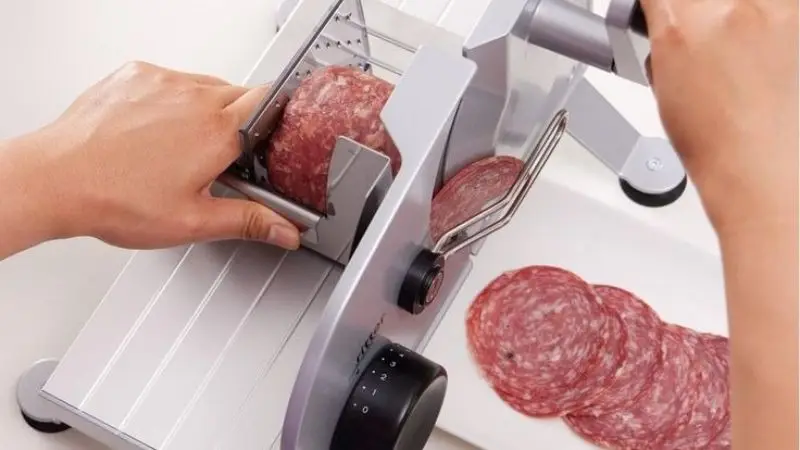
Uniform Thickness and Presentation
The appearance of your food on the plate is essential to you. Meat slices are consistently the same thickness thanks to automatic meat slicers. This gives the impression that your sandwiches, snacks, and party platters were expertly prepared. Using a meat slicer eliminates the need for guesswork and concerns about uneven cuts. Your guests will notice the difference. You always get better results when you cut meat evenly because it cooks evenly.
Time and Cost Savings
You can save a great deal of time by using a meat slicer. You don’t have to spend hours in the kitchen manually chopping meat. All the hard work is done for you by the machine. Chopping a whole roast takes only a few minutes. You can cook more quickly and eat more as a result.
Additionally, you save money. Sliced meats and cheeses are more expensive. You can obtain larger pieces for less money if you cut them yourself. By controlling the thickness and portion size, you can cut down on waste and get more for your money.
Safety and Convenience
You may be concerned about your safety when using sharp objects. Automatic meat slicers with safety features protect your hands. Guards and non-slip bases are included with many models. When cutting, you are not required to come into contact with the blade. Because of this, it’s safer than using a standard knife.
Versatility for Different Foods
How can I safely operate an automatic meat slicer? Cutting meat is not the only use for a meat slicer. Cheese, bread, vegetables, and even some fruits can all be used with it. It can be sliced thickly for grilling or thinly for salads. This expands your kitchen options. You don’t need many tools. A decent meat slicer can handle many tasks.
These foods can be chopped up:
- Deli meats
- Cheeses
- Bread, cucumbers, tomatoes, and
- Roasted turkey
Essential Features of a Meat Slicer
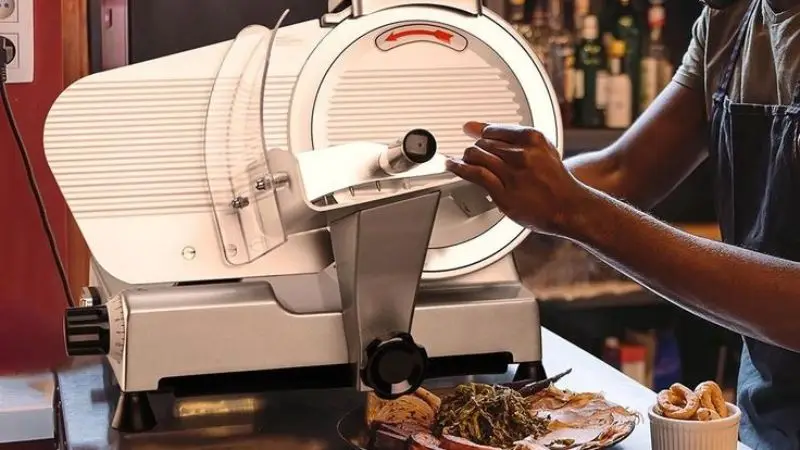
Blade Size and Material
When choosing a meat slicer, start by looking at the blade. The size of the blade tells you what kinds of food you can cut. If you want the best automatic meat slicer for home or light work, a cutter with small blades is the best choice. Big blades can cut through tough foods and significant cuts of meat. The blade’s material is also essential. Blades made of stainless steel last longer and don’t rust. They stay sharp, so your slices look nice. Choose a slicer with a stainless steel blade if you want one that works well.
Motor Power and Performance
The motor powers the slicer, making it strong enough to cut food. A strong motor can cut through bread, cheese, and meat with ease. Get a slicer with a strong motor if you use it a lot. It will last longer and cut better. A good slicer should be quiet and last a long time.
Adjustable Thickness Settings
You need to be able to control the thickness of your slices. You can choose between thin and thick slices because the thickness can be changed. For this, most slicers have a knob or lever. You can quickly change the thickness. This makes it easy to get the right slices for any meal.
Safety Features
When using a slicer, safety is very important. Look for safety switches, blade guards, and feet that don’t slip. These protect your hands and keep the slicer steady. For added safety, some slicers automatically turn off. You don’t have to worry about getting hurt when you use the slicer.
Easy Cleaning and Maintenance
Cleaning your slicer makes it last longer and keeps food safe. Choose a slicer that has removable parts. It’s easy to clean the blade, tray, and guard. You can put some slicers in the dishwasher. To keep your slicer in good shape, wash it after each use. Follow the instructions in the manual for easy care.
Price Range and Types of Meat Slicers
Home vs. Commercial Models
There are two primary options available to you when searching for a meat slicer. For small kitchens and families, home models are ideal. These slicers are lighter and more compact. They can be used to chop vegetables, deli meats, and cheese. They fit on your countertop and don’t take up much space. They are simple to use and maintain.
Commercial models are perfect for restaurants and delis that need to slice meat because they are larger and more robust by default. They cut up a lot of food quickly. You gain more power and speed. Because their components are made to last, these machines have a longer lifespan. A commercial slicer may require additional space. You get the best performance, but cleaning takes more time.
What to Expect at Different Price Points
The price of different kinds of meat slicers can differ significantly. Basic home slicers range in price from $60 to $150. These models work well for easy tasks. You receive less motor power and a smaller blade. They work well for sandwiches and snacks.
The price range for mid-range slicers is $150 to $400. You get stronger motors, more features, and better quality. A greater variety of foods, including thicker pieces, can be cut with these slicers. Options to alter the safety features and thickness may be visible.
Commercial slicers range in price from $400 to over $2,000. You get powerful motors, large blades, and the highest quality. These machines continuously chop bread, cheese, and meat throughout the day. They have the best safety features and last for years.
| Price Range | Best For | Features |
| $60 – $150 | Home use | Basic, compact, easy |
| $150 – $400 | Frequent use | Strong motor, adjustable |
| $400+ | Commercial | Heavy-duty, durable |
Tips for Using and Maintaining Your Meat Slicer
Practices for Safe Operation
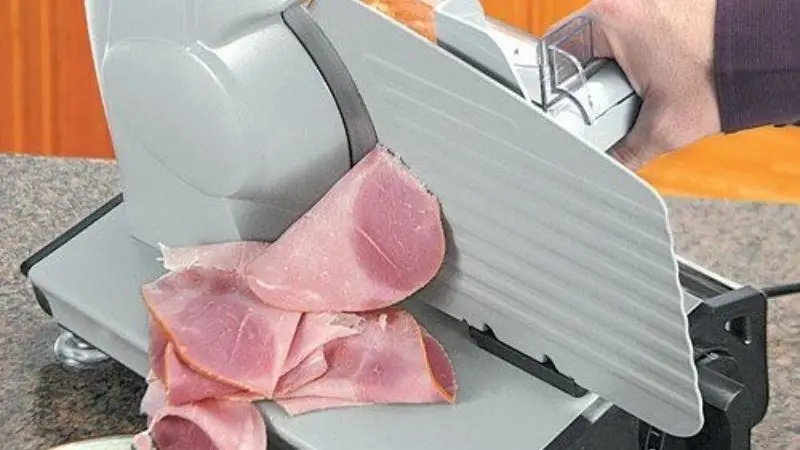
Every time you use your meat slicer, you must wear gloves. Always read the instructions before beginning. Place the slicer on a level, sturdy surface. Verify that the blade guard is turned on. Use the food pusher to push food in the direction of the blade. Avoid making food with your hands. Never touch the blade with your fingers.
Cleaning and disinfecting
Your food will remain safe and fresh if you clean your slicer. Before cleaning the machine, unplug it. Assume you can remove the blade and the food tray. Use warm, soapy water to wash each piece. Use a gentle brush to remove any food particles. Make sure to wash and dry every component thoroughly. Use a moist cloth to wipe down the remainder of the slicer.
Maintenance for Longevity
You want a long-lasting slicer. Things last longer when they are regularly maintained. Check whether the blade is sharp. Sharpen it if it seems dull. To oil the moving parts, adhere to the manual’s instructions. Verify that every screw is tight. Store your slicer somewhere dry.
How to Choose a Quality Meat Slicer
Assessing Your Needs
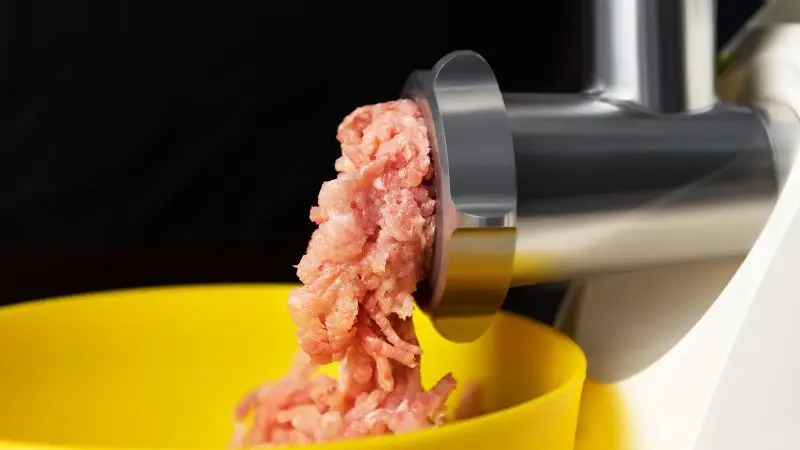
First, think about how you want to use your meat slicer. Do you want to cut up deli meats for sandwiches at home, or do you need to make big trays for parties? You might need a stronger machine if you cook for a lot of people or run a small business. Think about how often you’ll use it and what kinds of food you want to cut. Some slicers are better for cheese and bread, while others are better for thick cuts of meat. Before you go shopping, write down what you really need.
Comparing Features and Brands
Next, go over the features that each brand provides. The slicers have easy-to-clean parts and safety guards, and you can change their thickness. Certain brands are renowned for their superior customer service and longer lifespan. Consult your friends and read reviews. Examine the motor’s power, blade size, and safety features. Use a table to record the features that each model provides.
Budget Considerations
Create a budget before purchasing any meat slicers. The price range is $100 to $1,000. Decide how much you wish to spend. Spending a little more could result in a machine that operates better and lasts longer. Seek discounts and check whether the warranty covers the slicer. Remember, you want to find a good meat slicer that is affordable and meets your needs.
Conclusion
Using automatic meat slicers can improve kitchen efficiency. You can always cut food precisely and swiftly with these machines. A buying guide is a good place to start if you want to improve your cooking skills. Select a meat slicer based on your requirements. You’ll be able to prepare safer and more aesthetically pleasing meals. You can see for yourself how automatic meat slicers operate.
FAQ
How frequently should your meat slicer be cleaned?
Your meat slicer should be cleaned after each use. This keeps your machine in good working order and safeguards your food. Clean every component, including the tray and blade. Regular cleaning keeps bacteria at bay and preserves the slices’ fresh flavor.
Is it possible to use a meat slicer to cut bread and cheese?
Yes, most meat slicers can also cut bread and cheese. Verify the strength and sharpness of your slicer’s motor and blade. Softer cheeses should be chilled first for optimal results.
Is it acceptable for those who have never used an automatic meat slicer before?
Indeed, without a doubt! Safety features and user-friendly controls are features of automatic meat slicers. Use the food pusher and read the instructions each time. Even if you’re new to using kitchen tools, you can safely cut food if you follow the safety instructions.
Which foods shouldn’t be cut?
Avoid cutting through complex objects, frozen foods, or bones. These may harm the blade or motor. Avoid eating bread, cheeses, meats, and hard vegetables. If you’re unsure, consult the slicer’s manual for a list of safe foods.
How is the blade kept sharp?
Every month, or whenever you notice your blade is dull, sharpen it. Sharpeners are integrated into some slicers. Additionally, you can sharpen objects with a stone. A sharp knife provides even, smooth slices and makes cutting safer.