Artificial turf is a great way to enjoy a bright and green lawn throughout the year, as it is easier to maintain than natural grass. Low maintenance doesn’t mean it is maintenance-free. It needs your care and upkeep. But the artificial turf maintenance doesn’t have to be complicated.
To keep it clean, fresh, and long-lasting, regular checks are all you need. In this guide, we will cover simple tips and tricks to keep your turf looking its best. Whether it’s regular cleaning or seasonal maintenance, using proper methods will enhance your overall experience. Your lawn will be a cozy spot for your child and pets.
Essential Tools for Artificial Turf Maintenance
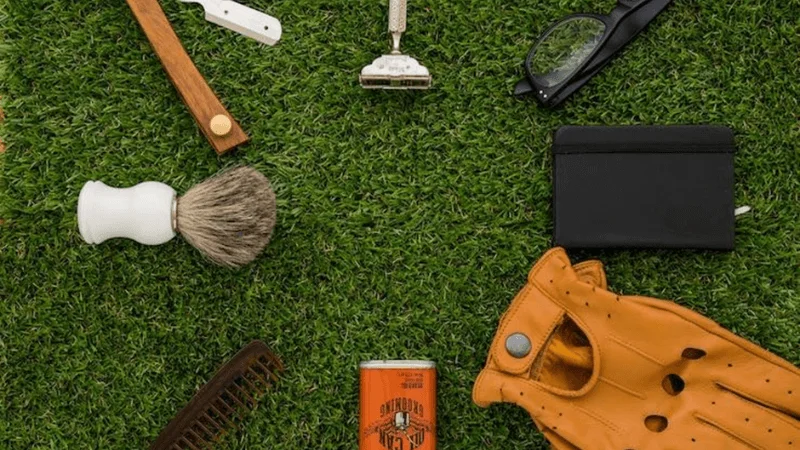
If you have the right tool available, artificial turf maintenance is a breeze. The question is, what are the right tools? Here are some must-have tools to keep your synthetic grass fresh.
Brushes and Rakes for Fluffing Fibers
The fibers of artificial grass can flatten over time, particularly in high-traffic areas. Use a stiff brush or turf rake to lift the fibers back up. Grooming often keeps your lawn soft and prevents it from looking flat. Brush in different directions to create an even appearance.
Garden Hoses and Sprayers for Cleaning
Dust and dirt can build up on your turf. A garden hose with a sprayer is excellent for washing it off. Rinse your lawn every week or two to keep it fresh. If you have pets, rinsing helps remove smells and messes.
Cleaning Solutions for Spills and Smells
Spills or pet accidents can occur at any time. Keep a turf-safe cleaner ready for these moments. Choose cleaners specifically designed for artificial grass to remove stains and odors without causing harm.
Weed control products to stop growth
Weeds can grow along the edges or seams of your turf. Use weed control products to stop them early. Apply it around the edges to keep weeds away.
Leaf blowers and infill spreaders for easy care
A leaf blower clears leaves and dirt without harming the turf. To keep your lawn stable and soft, spread the infill with an infill spreader. The above tools help you throughout the process of installing and maintaining artificial turf. If you have proper tools available every time, you don’t need to hire professionals and save on additional artificial turf maintenance costs.
How to maintain artificial turf
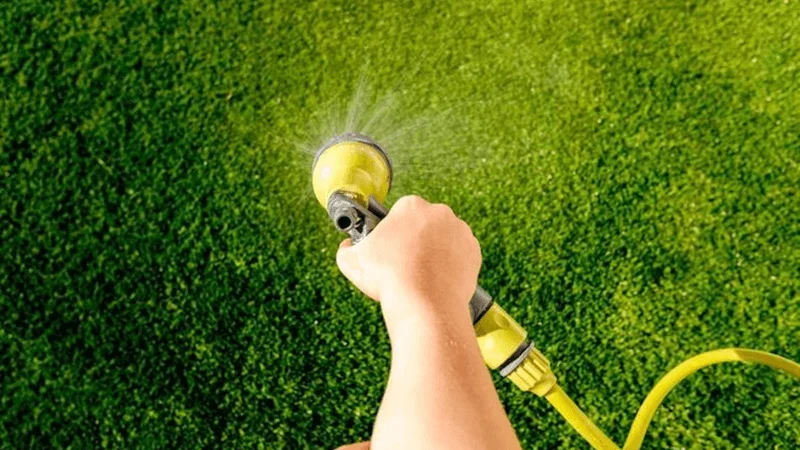
After installing artificial turf, regular maintenance is essential to keep your turf looking fresh and clean. It is continuously exposed to outside weather, so you need to follow proper tips to keep it in good condition. With a few simple steps, you can ensure it stays clean, lush, and ready for use. Let’s explore some simple ways to maintain your lawn.
Alt Text: Regular cleaning of turf
Clearing Debris Regularly to Prevent Buildup
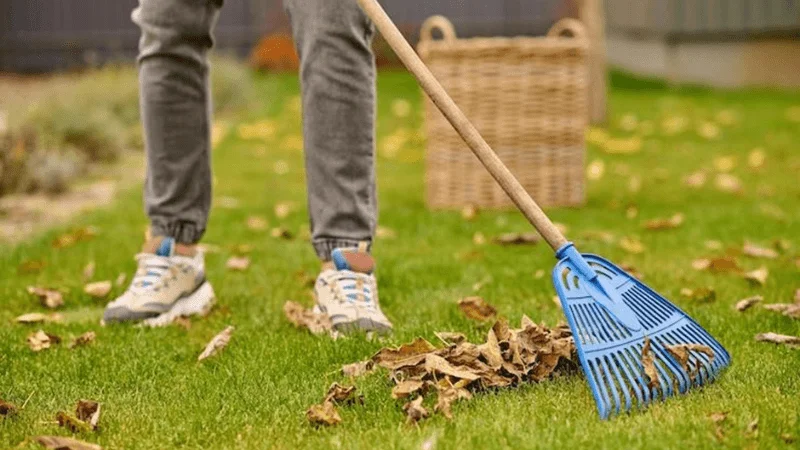
Leaves, twigs, and other debris can accumulate on your turf, making it appear messy. To keep it neat, remove debris as often as possible. A leaf blower works wonders for this, but you can also use a rake or your hands for smaller areas. Regularly clearing debris not only keeps your lawn looking great but also prevents dirt from settling into the fibers.
Brushing High-Traffic Areas to Avoid Matting
High-traffic areas, such as pathways or play areas, can cause the grass fibers to flatten over time. Regular brushing helps fluff them back up and keeps your lawn looking natural. Use a stiff-bristled brush and work in different directions for the best results. Regular brushing also helps distribute the infill evenly, which improves the turf’s cushioning.
Rinsing the Turf to Remove Dust and Dirt
Dust and dirt can settle on your artificial turf, especially in dry or windy conditions. Washing the grass with a garden hose is an easy way to freshen it up. A quick rinse every couple of weeks will keep your lawn looking vibrant. If you live in a dusty area, you should rinse it more often.
Managing Pet Waste to Maintain Hygiene
If you have pets, artificial turf maintenance tips include dealing with their waste. Solid waste should be picked up immediately, while liquid waste can be rinsed away with water. For extra freshness, use a turf-safe cleaner to eliminate odors and bacteria. This keeps your lawn hygienic and safe for everyone.
Addressing Stains and Spills Promptly
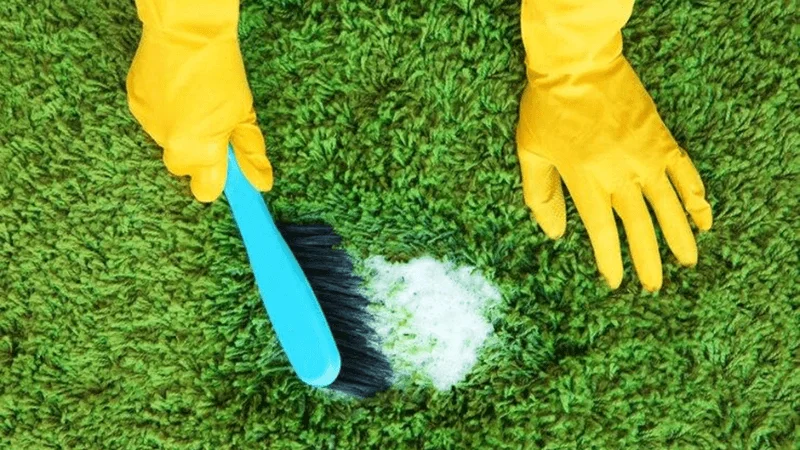
Accidents happen, whether it’s a spilled drink or a dropped snack. The key is to clean spills as soon as possible. Use a mild detergent mixed with water to scrub the area gently. For tougher stains, a turf-safe cleaning solution is most effective. Dealing with stains and spills quickly prevents them from setting and keeps your lawn looking flawless.
Controlling Weeds to Prevent Growth
Although artificial turf is designed to resist weeds, they can still appear along the edges or seams. Address weeds and moss early by pulling them out or using a weed control product. Regular maintenance in these areas will stop weeds from spreading and keep your lawn looking pristine.
By following these steps, routine cleaning of artificial grass becomes a breeze. You just need a little effort to keep your lawn clean, fresh, and ready for any activity.
Advanced Artificial Turf Maintenance Methods
Besides basic methods of caring for your artificial turf, there are advanced techniques you can follow to fix the problems earlier. These methods allow you to enjoy most of your turf. Let’s have an insight into these advanced methods.
Deep Cleaning for a Fresh and Vibrant Look
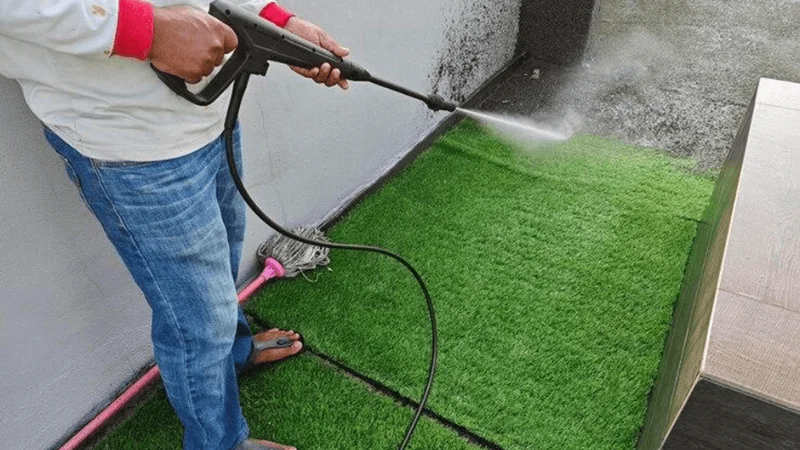
Dirt can build up on your turf despite regular cleaning. This can be removed with deep cleaning, giving it a new look. First of all, remove the debris from the surface with the help of a rake or a brush. Then, gently scrub the fibers of the turf with water and a turf-safe cleaner or detergent.
Focus on areas with heavy traffic and those with stains. A power brush works well for cleaning and lifting fibers. It makes your lawn soft and clean. Deep cleaning is the best way to clean artificial turf. Every few months, keep your turf fresh and hygienic.
Repairing Minor Damage or Tears in the Turf
Small tears can happen in busy areas or from sharp objects. Fixing them quickly stops the damage from spreading. Use adhesive or repair tape for minor tears. Bigger tears may need replacing with new turf pieces. Check your lawn often for damage. Fixing problems early saves time and money in the long run.
Maintaining Infill Levels for Proper Cushioning
Infill keeps your turf stable and soft. Over time, it can shift or compact, resulting in uneven lawn areas. Check for spots where infill looks thin or uneven.
Use an infill spreader to spread the material evenly. This helps the fibers stand tall and keeps the turf comfy. Maintaining the correct infill levels ensures your lawn remains durable and soft.
Preventing Heat Damage During Hot Weather
Hot weather can harm artificial turf, causing it to fade or warp. Rinse it with cool water on sunny days to lower the temperature. For sunny areas, consider adding shade or using turf covers to block sunlight.
These steps protect your turf from heat damage and keep it looking good. Using these advanced tips helps solve bigger problems and keeps your turf in top shape. A little extra care makes a big difference!
Seasonal Turf Maintenance Tips
Taking Care of Snow and Ice in Winter
Winter can be hard on artificial turf, but it’s manageable. When snow builds up, don’t use sharp tools like metal shovels. These can harm the turf fibers. Use a plastic shovel or broom to gently remove snow.
If ice appears, avoid using salt or chemical de-icers. These can damage the turf and its infill. Warm water is a safe way to melt ice. For heavy snow, clear it often to stop the turf from getting squished.
Keeping Turf Safe from Too Much Sun
Hot days can make artificial turf very warm and faded. To cool it down, spray water on the surface during sunny times. This lowers the heat and freshens the fibers.
You can also use shade, like umbrellas or awnings, to block sunlight if fading worries you. Choose UV-resistant turf when installing.
Handling Heavy Rain or Flooding
Artificial turf can handle heavy rains well if it has a proper drainage system. But storms can cause problems as they can block the drainage with debris and leaves. Any blocking results in the accumulation of water, which can adversely affect your fake grass.
You will need to do some extra effort in that condition, check the drainage system, and remove any leaves or twigs. Some turfs have a self-draining system, which is great for areas with frequent rain. In case of a flood, avoid walking on wet turf, as it can cause flattening and damage its infill. After it gets dry, brush it and spread it evenly.
When to Consider Professional Artificial Turf Maintenance Services
Sometimes, taking care of your artificial turf by yourself isn’t enough. That’s when hiring professionals can make a big difference. Let’s look at why and when you should call the experts.
Benefits of Professional Cleaning and Repairs
Hiring professionals to assist has numerous advantages. They possess the right tools and expertise to handle deep cleaning, tough stains, and minor repairs. If your turf has hard-to-remove dirt or damage, they can fix it safely.
Experts also keep your turf clean and healthy. They use specialized cleaners to eliminate bacteria, unpleasant odors, and allergens. This is great if you have pets or kids using the lawn. They can also lift flattened fibers and spread infill evenly, making your turf look fresh again.
Professional Turf Care Schedule
How often you need professional help depends on how much you use your turf. For most homes, once or twice a year is enough. If your lawn is frequently used, such as for parties or pets, you may need more visits.
Weather changes can also affect your turf. After winter or during hot summers, professionals can help fix weather-related damage. Knowing when to seek professional help helps keep your artificial turf looking great without extra hassle.
Conclusion:
Now you know what to do for artificial turf maintenance; taking care is easy. Your turf can stay clean, fresh, and beautiful for years with regular cleaning, brushing, and a little attention to things like stains or pet messes. Regular cleaning doesn’t take much time; a little effort goes a long way in keeping your lawn or field looking its best. Whether you’re using it for play, relaxation, or just to enjoy a green space, proper maintenance will help you get the most out of your artificial turf.
FAQ
How frequently should we clean the artificial turf?
Besides seasonal deep cleaning, just remove dirt and leaves once a week. But if you have pets, you need more frequent cleaning to maintain hygiene.
Is artificial turf suitable in heavy rains?
Heavy rains never damage artificial turf if it has a proper drainage system. Regularly clean the leaves and debris as they can block drainage. After rain, let the turf dry naturally.
Is artificial turf safe for pets?
Yes! Antimicrobial turf is safe for pets and easier to clean than natural grass. You just need to pick up the waste nd rinse the area to avoid any foul smell. Also, maintain the hygiene of turf with proper cleaners or sprays.