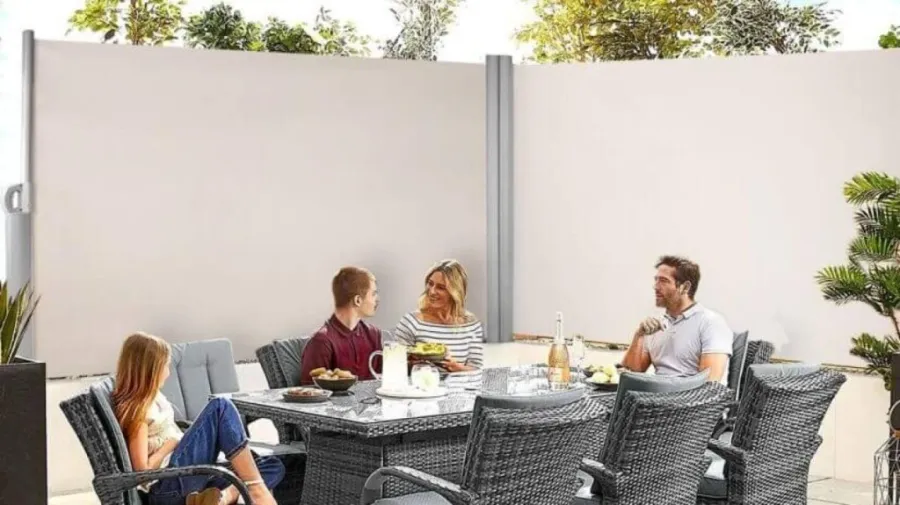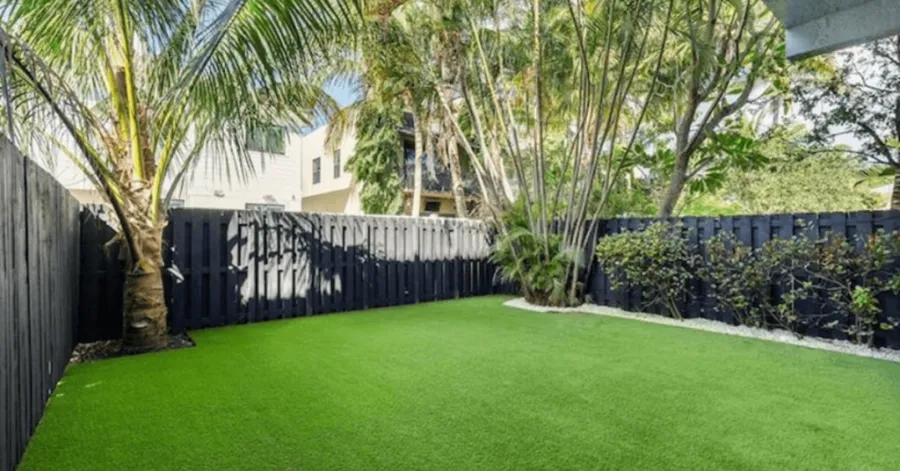
Want to turn your patio into a cozy and inviting space? Think wisely! The great option is to choose artificial turf for the patio instead of natural grass. It improves the overall patio look. You can choose it according to your choice. Whether you want a soft, natural style or a tough and modern look, you have a wide range to choose from.
Artificial turf not only looks great, but it is also easy to maintain and resilient to harsh weather. It is also great for a busy patio. If not sure which type to pick, no worries. Let’s dive into the detailed guide to make a wise decision!
Assessing Patio Needs
Patio Size and Layout
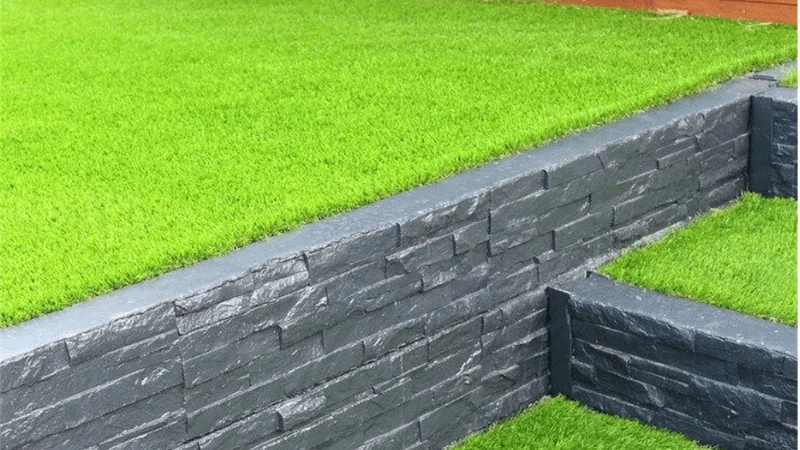
Start by measuring your space to install artificial turf for the patio. Knowing the exact dimensions helps you choose artificial turf that fits perfectly. Is your patio small and cozy or large and open? Smaller patios might benefit from turf with shorter pile height for a neat look.
The larger patios can handle lush, thicker turf for a more natural feel. Think about the layout, too. If your patio has curves or unique shapes, you’ll need turf that’s easy to cut and install.
Foot Traffic and Usage
How often do people use your patio? If it’s a high-traffic area, like a space for gatherings or kids’ playtime, durability matters. Look for turf designed to withstand wear and tear. For patios with lighter use, you can focus more on aesthetics. Also, consider what activities happen on your patio. Do you host barbecues, relax with a book, or let pets roam? These details help you pick turf that suits your lifestyle.
Aesthetic Preferences
Your patio should reflect your style. Artificial turf for the patio comes in various shades of green, textures, and pile heights. Do you prefer a vibrant, freshly-mowed look or a softer, natural appearance? Some turf even mimics real grass with brown thatch for added realism. Match the turf’s look to your patio furniture and décor for a cohesive design.
Features of Artificial Turf for Patio
Pile Height and Density
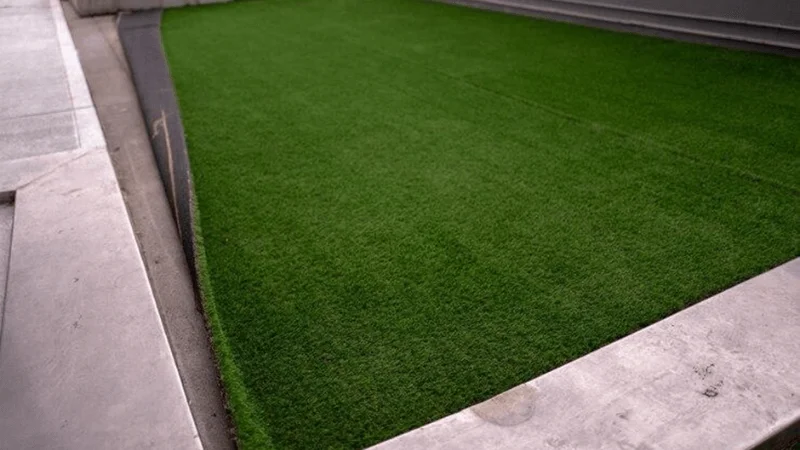
When choosing artificial turf for patio spaces, pile height and density are two features you can’t ignore. Pile height refers to the length of the grass blades. Shorter blades, around 1 to 1.5 inches, work well for patios with heavy foot traffic. While longer blades, closer to 2 inches, give a lush, natural look.
Density measures how closely packed the blades are. High-density artificial grass feels fuller and more realistic. If your patio is more decorative than functional, a lower density might suit your needs and budget better.
Blade Shape and Texture
The shape of the blades plays a big role in how your artificial grass performs. Some blades are flat, while others have a curved or V-shaped design. Curved blades bounce back quickly after being stepped on. Flat blades, though less resilient, offer a soft texture that’s perfect for lounging areas.
Texture also matters. Some artificial turf for patios mimics the texture of real grass so closely that it’s hard to tell the difference. Others have a smoother finish, which works well for modern, minimalist designs.
Color Variations
Artificial grass comes in a surprising range of colors. You’ll find shades from bright, vibrant green to deeper, more muted tones. Some even include brown or tan thatch to mimic the look of natural grass. If you want a lively, summery vibe, go for brighter greens.
For a more subtle, natural look, choose turf with mixed shades and thatch. Lighting also affects how the color appears. Check how the turf looks in both sunlight and shade to ensure it matches your vision.
Infill Choices
Picking the right infill is key for your turf’s performance. Infill is the material placed between the grass blades. It helps the blades stay upright and adds durability. It also makes the surface softer and more comfortable to walk on.
There are several types of infill, each with unique benefits like silica sand, rubber crumb, organic infill, and antimicrobial infill. Infill also changes how the turf feels underfoot. Dense infill makes the surface firm, while lighter infill feels softer.
Backing and Water Drainage
The backing is the base that holds the turf together. It keeps the grass blades in place and makes the turf last longer. There are two main types of backing. The primary backing layer secures the grass blades. Strong primary backing keeps the blades attached, even with heavy use.
Secondary backing adds extra strength and support. It’s often made from latex or polyurethane. Good backing also helps with water drainage. Proper drainage stops water from pooling after rain or cleaning..
Quality and Durability of Artificial Grass for Patios
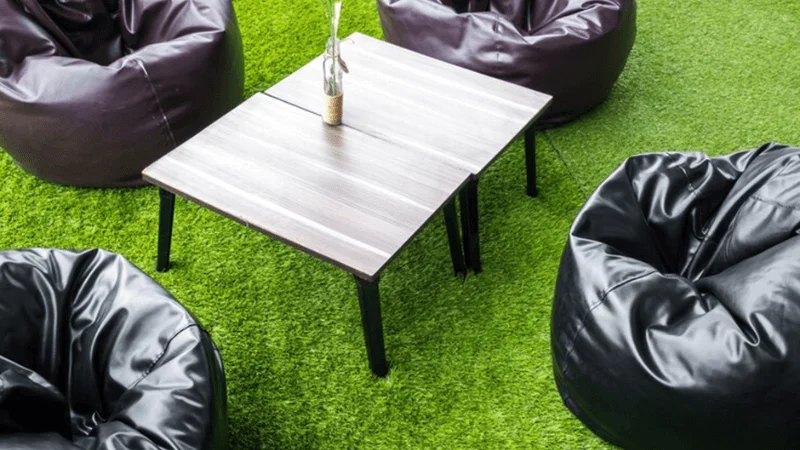
When buying artificial grass for patios, focus on quality and durability. You want turf that stays nice and lasts a long time. Here are the key things to check for long-lasting artificial grass.
UV Resistance
The sun can damage outdoor surfaces, including artificial grass. If your patio gets lots of sunlight, pick turf with strong UV resistance. This keeps the grass from fading or breaking under the sun. Good-quality turf has UV stabilizers to keep its color and texture fresh for years.
Resilience to Wear
Patios often have lots of activity, like family events, kids playing, or pets running. You need turf that can handle this without wearing out. The best turf for patios bounces back after being stepped on because of its strong materials and dense design.
Choose artificial grass with a sturdy backing and tightly packed blades. These features help the turf stay in place and keep its shape, even with heavy use. Durable turf looks better and saves money since it lasts longer.
Antimicrobial Properties
If you have pets or host gatherings, antimicrobial turf is important. It stops bacteria, mold, and mildew from growing. This keeps your patio cleaner and reduces bad smells, especially in areas where pets might go.
Antimicrobial turf is also great for families with kids. It makes the patio safer and cleaner for play. Plus, it’s easier to clean, so you can enjoy your patio more and worry less about maintenance.
Weather Resistance
Patio weather can change quickly. Rain, snow, heat, and frost can damage outdoor surfaces. Picking affordable artificial turf for a patio with strong weather resistance is very important. It should stay nice and work well, no matter the weather.
Why Weather Resistance Matters
Turf without weather resistance can fade, crack, or wear out fast. Heavy rain might cause puddles, or sunlight could bleach the green color. Weather-resistant turf avoids these problems. It keeps your patio looking good all year.
Features to Look For
Weather-resistant turf has special features to make it strong and durable. Check for drainage system, heat resistance, frost tolerance, and UV protection. This will ensure your turf is well maintained and protected.
How to Test Weather Resistance
You can test the turf to see if it handles the weather well. Try these simple tests:
- Water Test: Pour water on a sample. Check how fast it drains. Slow drainage might cause puddles during rain.
- Heat Check: Leave the sample in sunlight for hours. Touch it to see if it gets too hot.
- Cold Durability: Put the sample in a freezer overnight. See if it cracks or stiffens the next day.
Benefits of Weather-Resistant Turf
Weather-resistant turf saves time and money over the years. Here’s why:
- Low Maintenance: No puddles, fading, or weather damage to worry about.
- Year-Round Use: Your patio stays useful and nice in any season.
- Longer Lifespan: Durable turf lasts longer, so you won’t need replacements often.
Choosing turf with strong weather resistance. It’s a smart way to keep your space looking great in any season.
Budgeting for Artificial Turf for Your Patio
Upfront Costs
When shopping for artificial turf for small patios, upfront costs are important. Prices depend on the turf’s quality, size, and features. Turf with UV protection and thick blades costs more but lasts longer.
You should also think about installation costs. Hiring professionals includes labor and materials, which adds to the price. Doing it yourself can save money, but it takes time and effort. Don’t forget to include costs for tools and infill materials.
Long-Term Savings
Even though the initial cost is high, fake grass saves money over time. Unlike real grass, it doesn’t need watering, mowing, or fertilizer. This lowers water bills and cuts lawn care costs.
Good-quality self draining fake grass lasts for years. It doesn’t need frequent replacements, saving you money in the future. Plus, it stays green and neat without much work.
Comparing Options
Not all fake grass is the same. Comparing choices helps you find the best one for your patio. Look at things like blade height, density, and backing strength. Higher-priced turf often has better features, but you can still find good options at lower prices.
Read reviews and ask for samples before buying. Feeling the turf helps you decide if it’s worth the cost. Also, check for warranties. By knowing upfront costs, long-term savings, and how to compare options, you can pick the right fake grass.
Balancing Cost and Quality
Finding the perfect balance between cost and quality can feel tricky, but it’s not impossible. Start by setting a budget. Knowing how much you’re willing to spend helps narrow down your options. For high-traffic areas, choose turf with dense blades and durable backing.
Visit stores or order small pieces of turf and compare them. Feel the texture, check the color, and see how it looks in your space. It helps you spot the difference between cheap and high-quality options.
How to Install & Care for Artificial Turf for Patios
Getting the Patio Ready
Before putting down fake grass, clean the patio well. Remove dirt, old materials, and any debris. A clean surface helps the turf stay flat and secure. If there are cracks or uneven areas, fix them with a leveling compound. This makes the base smooth for the turf.
For patios with tiles or concrete, check for water problems. Standing water can harm the turf over time. Adding sand or a soft underlay can improve drainage and make it more comfortable.
DIY or Professional Help
You can install fake grass yourself if you like DIY projects. It saves money but takes time and effort. You’ll need tools like a knife, glue, and measuring tape. Follow the instructions carefully for the best results.
Hiring professionals makes the job easier. They cut and place the turf perfectly, even on tricky surfaces. They also handle drainage and secure edges to stop lifting. Though it costs more, experts ensure a neat and durable finish.
Keeping It Clean
Cleaning low-maintenance artificial turf for patios is easy. Sweep or rinse it often to remove dirt and leaves. If you have pets, clean messes quickly and rinse with water. Use mild soap for tough stains. Maintaining your turf is the same as yard cleaning, only you have to be gentle with the turf.
Check the turf during seasonal changes for damage or buildup. In winter, don’t use sharp tools to remove ice. Let it melt naturally to avoid harming the grass.
Seasonal Maintenance Tips
Keeping your artificial turf in great shape year-round doesn’t have to be hard. With a little seasonal care, your patio can stay fresh and inviting no matter the weather. Here’s how you can tackle maintenance for every season.
Spring: Fresh Start
Refreshing your turf in spring is the best decision. You can sweep away leaves and debris that are the leftovers of winter. Dirt or dust can be rinsed with a hose or a simple water flow. For any stain, use a soft brush along with mild soap.
Summer: Sun Protection
The heat in summer is more likely to fade and destroy your turf. To avoid this, rinse it with cool water on hot days. The pollen and dust that might settle during dry months will also be removed with water. If your patio gets a lot of sunlight, make sure your turf has UV protection to prevent fading.
Fall: Leaf Cleanup
Autumn is all about the falling of leaves. Using a leaf blower or rake is an easy way to clean your turf. Removal of leaves is essential, as in other cases, they can block the drainage. Thoroughly check the turf for any wear from summer activities and fix it prior to winter.
Winter: Frost and Snow
In winter, turf is usually exposed to snow and frost. You can damage it while removing snow, so never use sharp instruments. The best way is to let the snow melt; it will nourish or naturally rinse your turf. But in case of rain, proper drainage of water is essential to maintain your artificial grass. You can maintain your turf to look great and perform well for years.
Bottom Line
You can transform your patio into a functional outdoor space by choosing the best artificial turf for the patio. To select the perfect size and shape, plan ahead. Check the features like blade length, water drainage, and thickness to match the needs you want. Always prefer quality over price. High-quality turf is long-lasting and easy to maintain.
Your work does not end at installation; take proper care and clean it regularly to keep it in good condition for years to come. Choose wisely and enjoy your overall patio experience.
FAQ
How to clean the artificial turf on a patio?
It is very simple to clean the turf. You can remove debris with the help of a broom or leaf blower. For stains, mix mild soap with water and scrub gently. You can also rinse with a hose to keep it fresh.
Can we put heavy furniture on artificial turf?
Yes, the artificial turf can handle heavy loads. However, moving furniture often can prevent the turf from flattening.
Can artificial turf absorb heat in the summer?
The artificial turf can get hot in the sunlight, so you can rinse it with water to lower the temperature. You also have heat-resistant turf options available in the market.
Is artificial turf long-lasting?
High-quality turf can last 10-15 years with proper care. Furthermore, if it is protected from UV rays and receives regular maintenance, it can extend its lifespan.
Can we install artificial turf in the yard for child and pet activities?
Yes! There are non-toxic and antimicrobial turf options available that are safe for children and pets. Choose a soft texture to ensure comfort.