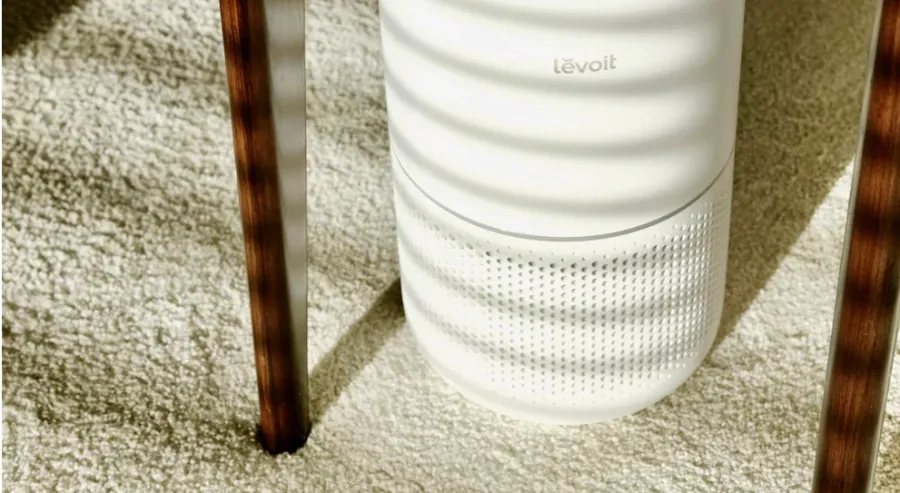
Having clean air to breathe is a healthy habit that pays off in the long run. Given the alarmingly high pollution rates in recent years, people with respiratory issues are getting even sicker than before. If you’re part of that demographic or worried you’ll be there, you should start caring about your indoor air quality.
Luckily, there are two devices that can help and in this blog, we’re going to explore the difference between air scrubber vs air purifier for mold and healthy breathing. Let’s get started:
What Is an Air Scrubber?
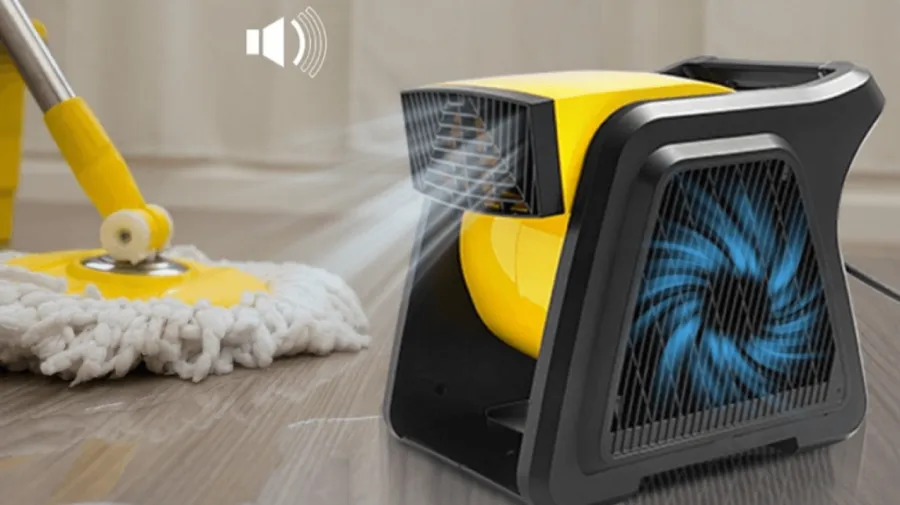
You use an air scrubber when you want to clean the air in spaces with high levels of pollutants. An air scrubber is a self-contained, electrically powered device that removes or deactivates particulates and microorganisms from the air. Scrubbers do not include devices that only use UV light without fans or those that act as air conditioners or dehumidifiers.
Industry standards like ANSI/AHAM AC-1-2020 and ENERGY STAR guide how scrubbers work and what features they must have. Scrubbers focus on air cleaning, not just filtering, and help you control airborne pollutants and toxins in many environments.
How Air Scrubbers Work
Air scrubbers pull air through several layers of filters. First, a pre-filter catches large amounts of dust and debris. Next, a HEPA filter traps tiny particles and microorganisms like bacteria and viruses. Some scrubbers add activated carbon to absorb odors and chemicals.
Many also use UV-C light to break down germs and further clean the air. Studies show that HEPA filters and combined technologies can lower the risk of respiratory infections.
Scrubbers use adsorption to remove volatile organic compounds, but removal rates for these pollutants can drop over time. Some scrubbers may release small amounts of by-products if they use UV lamps.
Typical Applications
You find air scrubber applications in many places where air quality matters most:
- Healthcare facilities during construction or renovation to control dust and debris.
- Isolation wards to stop the spread of microorganisms.
- Medical centers, factories, classrooms, and commercial buildings with high levels of airborne pollutants.
- Construction zones and mold remediation sites to capture spores and protect workers.
- Industrial sites handling toxins or hazardous materials.
- Enclosed workspaces where fumes or pollutants threaten health.
- Any facility needing to meet environmental laws or improve air cleaning.
Tip: You should use air scrubbers when you need to control microorganisms, pollutants, and toxins in spaces where regular air purifiers cannot keep up.
What Is an Air Purifier?
You use an air purifier to remove unwanted particles from the air in your home, office, or other indoor spaces. These devices help you breathe easier by trapping dust, pollen, smoke, and even some germs.
Many air purifiers use a HEPA filter, which stands for High-Efficiency Particulate Air. HEPA filters come in different grades, such as H13 and H14. An H13 HEPA filter removes 99.95% of particles as small as 0.2 microns. H14 filters go even further, capturing 99.995%.
These standards help you know how well a purifier can clean the air. Organizations like the EPA, OSHA, and ASHRAE set rules and guidelines for air cleaning and indoor air quality.
How Air Purifiers Work
Air purifiers pull air through a series of filters. The most common type is the mechanical filter, like a hepa filter, which traps tiny particles using a dense web of fibers. Some purifiers use electret filters, which add an electric charge to catch even more particles.
You may also find purifiers with foam filters, ion generators, or a mix of these technologies. The main job of air purifiers is to remove airborne pollutants by using both mechanical and electrostatic methods.
The Clean Air Delivery Rate (CADR) tells you how quickly a purifier can reduce particles in a room. This number combines how well the filter works and how much air the device moves.
Tip: Choose an air purifier with a high CADR and a true HEPA filter for the best results in air cleaning.
Air Scrubber vs Air Purifier Differences
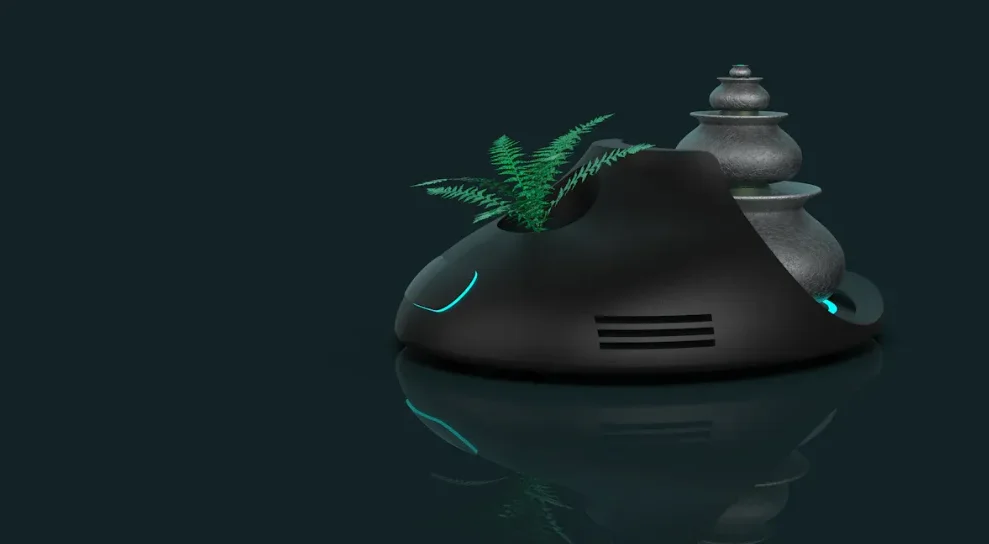
When you look at the air scrubber vs air purifier debate, you find some key differences that matter for your indoor air quality. Both devices help clean the air, but they do so in different ways and work best in different places. Let’s break down what sets them apart.
Main Purpose
You use an air scrubber when you need to remove not just dust and pollen, but also strong odors, gases, and even mold spores from the air. These machines often work in places with heavy pollution or after disasters like fires or floods.
On the other hand, you use an air purifier mostly to get rid of common allergens like dust, pollen, and pet dander in your home. Most people buy air purifiers to help with allergies or to keep the air fresh.
How They Work
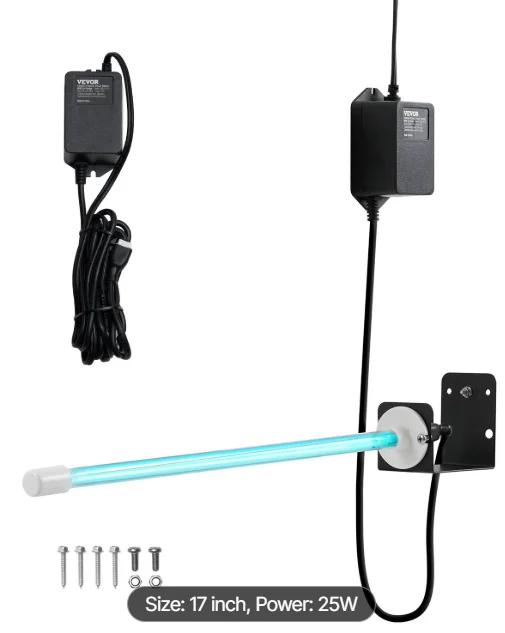
Air scrubbers and air purifiers both pull air through filters, but their technology and power levels are not the same. Air scrubbers use larger, heavier filters and often have metal housings. They can handle more air changes per hour and respond quickly to pollution spikes. Some air scrubbers even use extra steps like UV light or special chemicals to break down harmful gases.
Air purifiers use smaller filters, usually HEPA and activated carbon. They work well for everyday use in homes and are easy to move from room to room.
Some air purifiers add ionizers or UV lights, but HEPA filters do most of the work. Air purifiers focus on removing small particles and some odors, but they may not handle heavy pollution as well as air scrubbers.
Where They’re Used
You will find air scrubbers in places like construction sites, hospitals, or buildings with mold or smoke damage. These machines work best in tough environments where the air needs heavy cleaning. You might see them after a flood or fire, or during big renovation projects.
Air purifiers fit best in homes, offices, classrooms, and small businesses. They help you breathe easier by removing everyday dust, pollen, and pet hair.
If you burn candles or cook often, an air purifier can help clear out smoke and smells. Hospitals and clinics also use air purifiers to keep patient rooms clean.
Air scrubbers:
- Construction sites
- Mold remediation
- Wildfire smoke cleanup
- Hospitals (for infection control)
- Large commercial spaces
Air purifiers:
- Homes and apartments
- Offices and classrooms
- Hospitals (patient rooms)
- Small businesses
- Spaces with pets or smokers
Tip: Air purifiers with HEPA filters work best for removing small particles in homes and offices. Air scrubbers are better for big jobs or places with lots of pollution.
Cost
When we look at air scrubber vs air purifier cost, there’s a noticeable difference. Air scrubbers cost more at first. Prices start around $700 and can go over $1,200. You may need to pay for installation and cell replacement every year or two. Maintenance is low, but parts can be expensive.
Air purifiers cost less to buy. You can find models from $50 to $1,500. You will need to replace filters often, which adds to the yearly cost.
Most purifiers are easy to move and set up. If you want a budget-friendly option for a small space, an air purifier is a good pick. If you need a long-lasting solution for a big job, invest in an air scrubber.
Filtration Technology
You will notice big differences in how each device cleans the air. An air scrubber uses advanced technology. It often combines HEPA filters, activated carbon, and sometimes UV-C light or special oxidation methods.
These systems can even connect to your HVAC, cleaning both air and surfaces. Air purifiers usually use a HEPA filter, sometimes with UV-C light, carbon, or ionization. Most purifiers focus on trapping particles and removing odors in one room.
Effectiveness
You want to know which device works best for your needs? Air scrubbers shine in places with heavy pollution, strong odors, or after disasters. They remove particles, gases, and even germs from both air and surfaces. Air purifiers do a great job with dust, pollen, and pet hair. They help with allergies and keep your home fresh.
- Studies show that air purifiers can have lower clean air delivery rates (CADR) in real rooms than in lab tests. Filter age and placement matter. For example, putting a purifier under a desk can cut its performance in half.
- Air scrubbers, especially those used in mold remediation, keep working well in large, dirty spaces. They handle more air changes per hour and respond quickly to pollution spikes.
Coverage Area
You should match the device to your space. Air scrubbers cover large areas. They work in factories, hospitals, and during mold remediation. Some models connect to your HVAC and clean the whole building. Others are portable for big rooms or job sites.
Air purifiers are best for single rooms or small offices. They work well in bedrooms, living rooms, or classrooms. Their coverage depends on the size and type of filter. Over time, filters in air purifiers can lose power, especially in oily or dirty spaces. You need to change filters to keep them working well.
Commercial air scrubbers handle high airflow and tough jobs. Residential air purifiers focus on long-term use in smaller, cleaner spaces. If you need to clean a large or very dirty area, pick an air scrubber. For a small room, an air purifier is enough.
Safety
You care about safety for your family or workers. Air scrubbers use strong materials and advanced tech. They are safe for use in hospitals, schools, and during mold remediation. Some models use UV-C light or oxidation, which may create small by-products. Always follow the manufacturer’s instructions.
Air purifiers are safe for homes and offices. Most use plastic housings and simple controls. Some purifiers with ionizers or ozone generators can release small amounts of ozone. Choose a model with a true HEPA filter and no ozone for the safest option.
What Are The Benefits of Better Indoor Air Quality?
For Homes
You want your home to be a safe place. Good indoor air quality helps you and your family stay healthy. Using purifiers in your home can lower dust, pollen, and other particles.
Studies show that HEPA filters in home air purifiers can cut indoor PM2.5 by 50% or more in just a few days. This means you breathe cleaner air and reduce your risk of allergies and asthma.
- Portable purifiers often remove about 70% of fine particles, but whole-house systems work even better.
- Whole-house air quality solutions can deliver clean air up to ten times faster than portable units.
- Keeping windows and doors closed helps purifiers work best.
You may notice fewer asthma attacks and allergy symptoms when you use a home air purifier. Children with allergic airway disease often feel better with improved indoor air quality. If you want the best results, choose a purifier with a high clean air delivery rate and keep up with filter changes.
Tip: For the best indoor air pollution control, use a purifier that matches your room size and keep doors and windows closed as much as possible.
For Businesses
Businesses need to protect workers and customers. Good indoor air quality improvement can boost comfort and productivity.
Offices, hospitals, hotels, and schools use air purifiers to meet health standards and keep the air fresh. Many commercial purifiers use HEPA filters, activated carbon, and UV technology to remove tiny particles and germs.
- Air purifiers in business settings help control dust, odors, and airborne germs.
- HEPA filters remove particles as small as 0.3 microns, which is important for infection control.
- Food production and healthcare facilities rely on air quality solutions to meet strict hygiene rules.
- New technologies, like advanced HEPA filters, last longer and lower maintenance costs.
Regulations from groups like the EPA and WHO guide businesses on indoor air quality. Using the right air purifiers helps you follow these rules and create a safer environment. You can choose from standalone or in-duct purifiers, depending on your space and needs.
Which Device Is Better for Your Needs?
- Allergies and Asthma: Air purifiers with a HEPA filter work best for pollen, dust, and pet dander.
- Mold Remediation and Odors: Air scrubbers handle mold spores, smoke, and chemical fumes better.
- Large Spaces: Air scrubbers clean big areas like gyms, factories, or during renovations.
- Small Spaces or Homes: Air purifiers are perfect for bedrooms, offices, or apartments.
- Pets: Air purifiers help with pet hair and smells, but air scrubbers can tackle strong odors in larger homes.
Remember: The right air filtration system depends on your space, your needs, and your budget. Both air scrubbers and air purifiers help you breathe easier, but each has its strengths.
Choosing the Right Solution
For Allergies and Asthma
You want to breathe easier if you have allergies or asthma. Air purifiers with HEPA filters help reduce dust, pollen, and pet dander in your home. Many studies show that using air filtration can lower asthma symptoms. For example:
- About 27% of adults with asthma use air filtration as a common practice.
- Children in homes with HEPA air cleaners had fewer asthma symptoms over one to two years.
- Adults with pet allergies improved their asthma when using HEPA air cleaners in bedrooms and living rooms.
- Meta-analyses found small but real improvements in asthma symptoms and sleep with air cleaner use.
- Whole house filtration systems reduce exposure to asthma triggers more than portable units.
- HEPA purifiers lower airborne cat allergens and help in homes with smokers by cutting particles by up to 70%.
You should place air purifiers in rooms where you spend the most time. For severe allergies, consider whole-house systems or scrubbers for better indoor air quality.
Tip: Use air purifiers with true HEPA filters for the best results. Combine them with other steps like cleaning and keeping pets out of bedrooms.
For Large or Small Spaces
You need to match the device to your space size. Studies show that air purifiers work best when sized for your room. The Clean Air Delivery Rate (CADR) tells you how much air a device can clean. In small rooms, a portable air purifier works well. In large spaces, you need air scrubbers or whole-house systems.
The California Air Resources Board recommends picking air purifiers based on your room’s square footage. If you have a big area or open floor plan, air scrubbers provide better coverage and faster cleaning. For bedrooms or offices, a portable air purifier is enough.
- Small spaces: Use portable air purifiers with the right CADR.
- Large spaces: Use air scrubbers or whole-house systems for full coverage.
FAQ
What is the main difference between an air scrubber and an air purifier?
The Air Scrubber vs Air Purifier debate centers on use. Air scrubbers clean both air and surfaces. Air purifiers focus on removing particles from the air only. You use scrubbers for tough jobs. You use purifiers for daily home use.
Can I use an air scrubber in my home?
Yes, you can use an air scrubber at home. You should choose one if you have mold, smoke, or strong odors. For everyday dust and allergies, an air purifier works better.
Are air purifiers dangerous?
Air scrubbers are generally safe when used properly. They clean the air by removing pollutants, but some models may produce ozone, which can be harmful in high amounts.
Always choose ozone-free versions for home use and follow the manufacturer’s guidelines to ensure safe and effective operation.
How often should I change filters in these devices?
You should change air purifier filters every 3–6 months. Air scrubber filters last longer, often 6–12 months. Always follow the manufacturer’s instructions for best results.
Conclusion
You now see the main differences in the Air Scrubber vs Air Purifier debate. Air scrubbers clean large spaces fast and handle tough jobs, while air purifiers work best for daily use in homes.
Choose an air scrubber for mold, smoke, or big areas. Pick an air purifier for allergies or everyday dust. Think about your space and air quality needs before you decide.Whether you need a good Air Purifier or a good Air Scrubber, VEVOR has your back! Browse through our collection today!