Comparing an air hose crimping tool and a hydraulic fluid crimping tool, it is obvious that each tool is designed to work on various jobs. The one is more suitable for light and fast work, whereas the other is designed to work in strong and high-pressure jobs. These differences are quite crucial, and you need to understand them before deciding on a tool. The correct option will keep you safe, save you money, and finish your task in less time. It also enhances your overall results. Once you understand the performance of each tool based on its speed, safety, cost, and power, you can always be able to select the best one to suit your needs.
- What Is an Air Hose Crimping Tool?
- What Is a Hydraulic Crimping Tool?
- Air Hose Crimping Tool vs Hydraulic Fluid Crimping Tool: Main Differences Explained
- Performance Comparison: Speed, Safety, and Cost
- Pros and Cons of Pneumatic and Hydraulic Crimping Tools
- How to Choose the Right Crimping Tool for Your Work
What Is an Air Hose Crimping Tool?
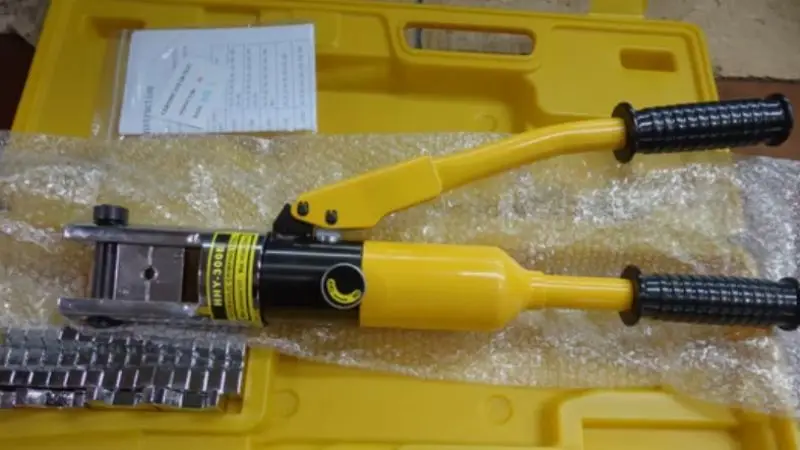
An air hose crimping tool is a simple yet very useful tool that is used to attach fittings to air hoses. It forms close and firm connections such that air does not escape when using. The tools are normally applied in garages, workshops, and industrial installations where air-powered systems are required. They aid in constructing and repairing compressors, spray gun hoses, and other pneumatic apparatus. This renders them valuable in small-scale repair as well as big industrial applications.
What Air Hose Crimping Tools Are and What They Are Used For
A crimping tool for air hoses is used to press the fittings firmly on the air hoses, applying a controlled force. It makes the connection of the hose firm and secure when using air pressure. It is helpful to many technicians in their daily maintenance work since it is an effective and convenient tool. It can also be applied in making custom hoses for various machine uses. In making a comparison between tools such as a crimper vs a punch down tool, it is necessary to comprehend that a crimper is concentrated on hose fittings, whereas the punch down tools are utilized in the wiring work, which distinctly reflects a difference of functionality.
How a Pneumatic Crimping Tool Works
A crimping tool is a pneumatic tool that uses compressed air. It is attached to an air compressor, and when compressed, the air passes through a piston in the tool. This piston will squeeze the jaws together and squeeze the fitting tightly onto the hose. It is rapid and does not need a lot of physical work. It is used to form good and non-leak connections within a short duration and is therefore applicable in repetitive work in workshops. When such a discussion arises as air hose crimping tool vs hydraulic fluid crimping tool, pneumatic tools tend to be used in applications where the maximum force is not necessary because the work is typically light and fast.
What Is a Hydraulic Crimping Tool?
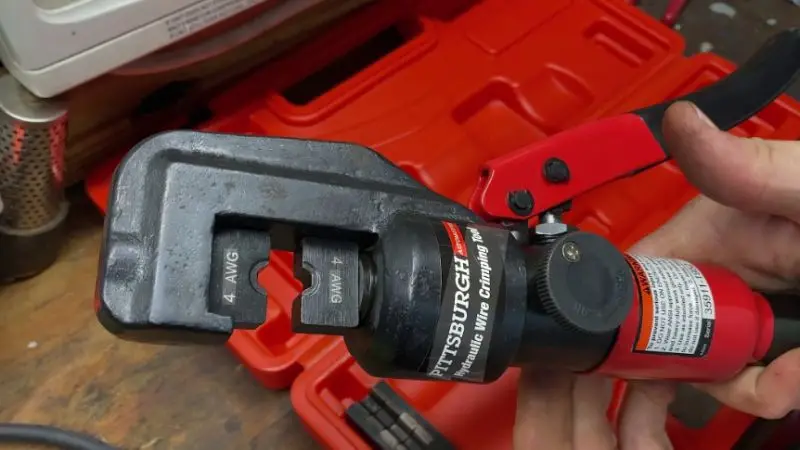
A hydraulic crimping tool is a powerful tool that is applied to join fittings to high-pressure fluid-carrying hoses. It is commonly applied in industries where strength and safety are highly valued. These tools are aimed at performing heavy-duty tasks that cannot be performed by air-based tools. They are usually used in automotive repair, construction, and maintenance of industrial machines, where hydraulic systems are a significant part.
Definition and Main Uses of Hydraulic Crimping Tools
A hydraulic crimping tool involves the hydraulic force in making very strong and secure connections in a hose. It is mainly used for high-pressure systems such as oil, fuel, and heavy machinery lines. It is used by mechanics and engineers to guarantee safety and longevity in harsh conditions. In considering the air hose crimping tool vs hydraulic crimping tool difference, hydraulic crimping tools are more prominent since they provide a lot more pressure and can be used in tougher industrial applications.
How Hydraulic Hose Crimping Tools Work
@ezequielgutierr87 @Vevor Tools #UN MEXICANO CHINGON
♬ sonido original – UN MEXICANO CHINGÓN
A hydraulic crimping tool is a device that utilizes the pressure of fluid to apply force. Upon activation of the system in response to pumping the handle or activation of the system, hydraulic fluid flows within the tool and forces a piston forward. This movement brings the jaws to close firmly on the fitting, holding it in place on the hose. The outcome is a high-pressure, durable seal that endures high pressure. When comparing air hose crimper and hydraulic fluid crimper, it is obvious to note that hydraulic crimpers are stronger and capable of working in heavy-duty hose systems.
Air Hose Crimping Tool vs Hydraulic Fluid Crimping Tool: Main Differences Explained
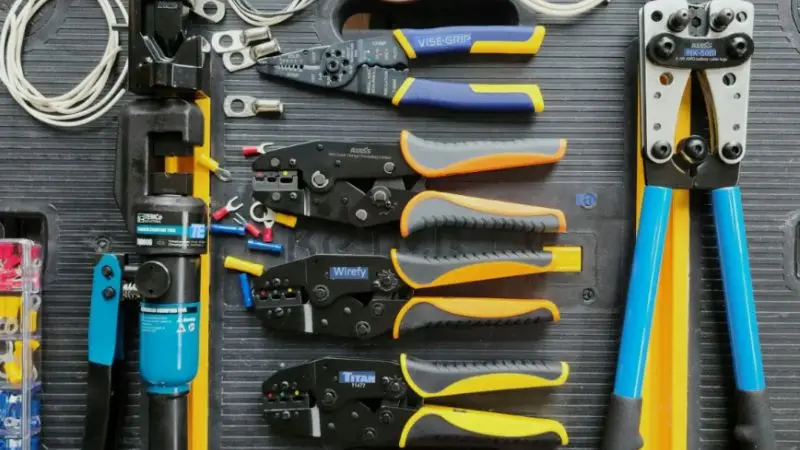
The first thing to do when deciding between the two tools is to be confused, as it might seem to be, particularly when you are new to this work. The two tools are designed to establish powerful bonds, yet the tasks performed with them are very different. Being aware of your differences will make you stop making wrong choices and do your job right.
You ought to know how they are constructed, the amount of pressure they exert, and the type of hose they support before you settle on a tool. This renders the comparison of the air hose crimping tool vs the hydraulic fluid crimping tool quite simplistic.
Tool Design and Build Quality
Air hose crimping tools are portable, light, and simple. They can fit into your hand and can be used in tight areas. They are simpler to make and suited to small hoses and fittings. This renders them a good option for daily workshop use.
Crimping tools are heavy and powerful, hydraulic. They are constructed using solid metals to deal with heavy work. These are some of the tools that cannot be shifted easily and are usually left in a single location. In comparing the difference between the air hose crimping tool and the hydraulic crimping tool, the design of the tools is evident, with one being designed to be handled easily, as compared to the other designed to be powered.
Pressure and Force Differences
Air crimping tools require the pressure of air supplied by a compressor. This provides sufficient power to light and medium loads such as air hoses and spray systems. They are also safer on soft hoses owing to the lower pressure.
Hydraulic crimping machines rely on fluid pressure to produce a far greater force. This assists them in working on heavy hoses with high-pressure systems, such as oil and fuel lines. The strong force creates a tight and long-lasting seal. When comparing the level of pressure between air and hydraulic crimping tools, the distinction between them is quite obvious.
Types of Hoses Each Tool Can Handle
Air hose crimping tools are suitable for air carrying hoses that are made of rubber or plastic. These hoses are stretchable and require no high pressure. The fittings are also smaller, so it becomes easy to use the tool in everyday jobs.
Hydraulic crimping instruments are designed to work on heavier and stronger hoses. They are reinforced hoses used in industrial systems and machines. The fittings are larger and designed to deal with stress. This difference in an air hose crimper vs. a hydraulic fluid crimper comparison indicates why each is a tool designed to do a certain type of work.
Which Tool Is Better for Your Job
The tool to the right will be determined by the job required. An air hose crimping tool is suitable and easy to use in case you are working on air systems and light duties. It is simple to operate and time-saving.
Your work requires high-pressure systems; this is where the hydraulic crimping tool would be better, as it is stronger and more reliable. When considering the air hose crimping tool and the hydraulic hose tool, which is better, it is not only the tool that matters, but also your needs.
Performance Comparison: Speed, Safety, and Cost
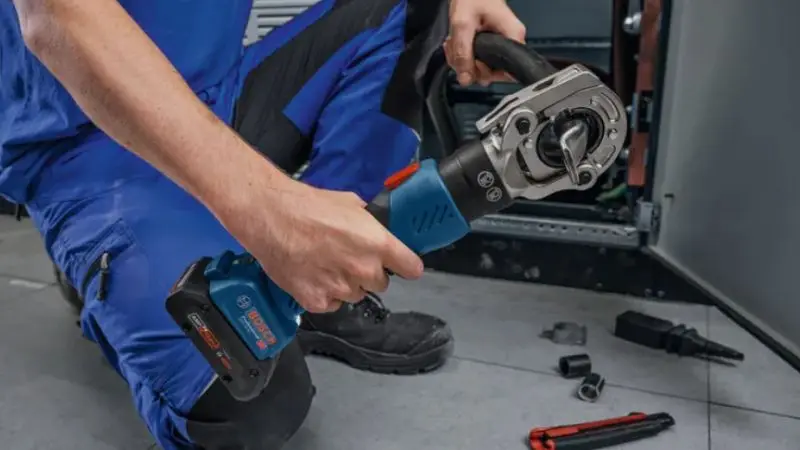
Performance is an important factor in your decision when selecting these tools. You must consider the speed at which the tool will operate, the levels of safety of its use, and its cost in terms of lifetime. The tools all possess strengths when it comes to the job.
Knowing these factors will assist you in making a better choice and preventing problems in your work. Here, the actual distinction of air and hydraulic crimping tools is discussed according to their daily application.
Speed and Work Efficiency
Air hose crimping tools have been characterized by high speed. They can be installed in seconds, and you can begin to work in a couple of seconds. They are ideal in small shops or projects where you are expected to crimp numerous hoses within a shorter period of time. They are quite handy in routine and monotonous jobs because of the speed they possess.
Hydraulic crimping devices are slower to set up and use. Before starting, you must check the settings and make sure that everything is set correctly. This is a slower process since the tool requires more force in order to make each crimp complete. Air hose crimping tool vs hydraulic fluid crimping tool comparison reveals that air tools obviously are faster, whereas hydraulic tools are more concerned with strength as opposed to rapidness.
Safety and Risk Factors
Whenever handling any form of crimping tool, safety is always a priority. Air hose crimping tools tend to be less hazardous due to lower pressure. This minimizes the possibility of accidents, and it can be used in daily workshops. Simple safety equipment, such as glasses and gloves, is most often sufficient to provide protection.
Hydraulic crimping tools are high-pressure tools that raise the risk when not used correctly. Before using, you should thoroughly check the tool and hoses. It is crucial to follow safety directions in order to prevent injuries. In the air hose crimping tool vs hydraulic crimping tool difference, the safety is largely determined by the amount of pressure and the precautions taken with the tool.
Cost and Maintenance Needs
Tools for crimping air hoses are less expensive and simpler to maintain. No special fluids or complicated components are needed, and therefore, maintenance is easy and cheap. This renders them an excellent choice in case of small businesses or personal usage.
Hydraulic crimping tools cost more as they are designed to work in heavy-duty applications. They should be serviced regularly, such as checking the hydraulic fluid and cleaning the inside components. They are, however, more durable and can work under harsh conditions. In the comparison of an air hose crimper and a hydraulic fluid crimper, the price of a hydraulic fluid crimper is higher, but it is worth the money in the industrial application.
Pros and Cons of Pneumatic and Hydraulic Crimping Tools
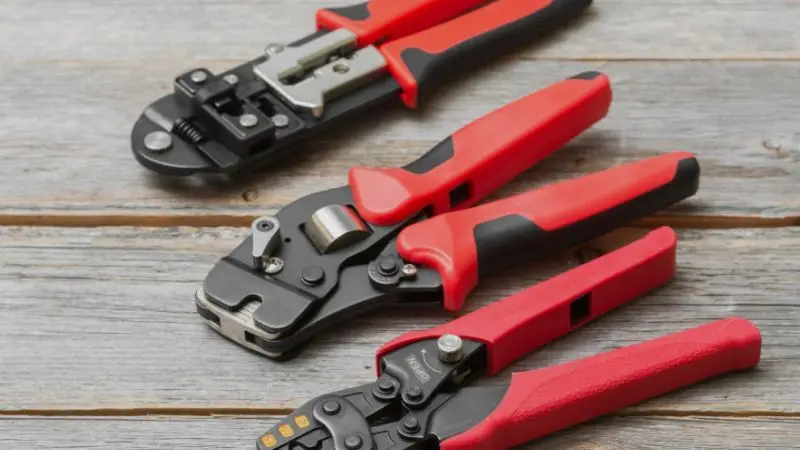
It is necessary to know the advantages as well as the weaknesses of a crimping tool before deciding on what crimping tool to use. All kinds of tools are developed to do a particular type of work, so being aware of the strengths and weaknesses will assist you in making a more informed choice.
Comparing the two alternatives will reveal, in a clear situation, how they work in reality. This also simplifies the air hose crimping tool vs hydraulic fluid crimping tool comparison.
Advantages and Disadvantages of Pneumatic Crimping Tools
Pneumatic crimping tools are also popular as they are easy, quick, and simple to use. They are lightweight, making them easy to carry and apply in various locations. They do not require a lot of effort to use, and they assist you in getting things done. They are suitable for air hoses and other light-duty jobs where high pressure is not necessary.
The other advantage is the reduced cost. These are inexpensive devices that do not demand complicated care. This makes them ideal for small workshops and frequent use. In most instances, they are the initial option for beginners since they are simple to operate and trustworthy in performing simple tasks.
However, pneumatic tools also have some limitations. They are not able to deal with thick or high-pressure hoses. Their force is also small, and hence they cannot be used in heavy-duty applications. In the difference between the air hose crimping tool and the hydraulic crimping tool, it was evident that pneumatic tools are lower in power. They can also wear out more in case they are involved in activities that are beyond their ability.
Advantages and Disadvantages of Hydraulic Crimping Tools
Hydraulic crimping tools are known for their strength and durability. The tools have high power, and this makes them applicable in thick hoses and high-pressure systems. They form close and intimate relationships that are long-lasting. Due to this reason, they are extensively utilized in industries and the maintenance of heavy machinery.
Their versatility is another benefit. A variety of hoses, such as reinforced hoses and multi-layered hoses, can be worked with by the hydraulic tools. They can be used in harsh conditions where safety and performance are paramount. When comparing air hose crimper and hydraulic fluid crimper, hydraulic tools are definitely the most robust and have a longer working life.
The negative side of these tools is that they are costlier and need frequent maintenance. You should inspect the hydraulic fluid and keep the system clean to ensure that it operates well. They are also not so portable and are heavier, hence difficult to move around. Cost and maintenance are also factors to be considered when considering the difference between air and hydraulic crimping tools.
Making the Right Choice Based on Pros and Cons
Selecting the appropriate tool is based on your work requirements and surroundings. Pneumatic tools are most suitable for quick, easy, and light work. They can be used easily and are cheap to do daily chores.
Hydraulic tools are more suitable in terms of power, durability, and high pressure. They are best suited to the industrial work that involves tough and robust connectivity. In choosing between an air hose crimping tool and a hydraulic hose tool, the best choice depends on the workload and the type of hose you work with.
How to Choose the Right Crimping Tool for Your Work
The decision of the appropriate crimping tool is significant in case you wish your job to be both convenient and safe. The improper tool may consume your time and spoil your hoses. This is the reason why you should never make a decision without knowing what you need.
In order to make the right choice, you must consider your work type, your budget, and your safety needs. This will assist you in gaining more insight into the air hose crimping tool compared to the hydraulic fluid crimping tool option.
Choose a Tool Based on Your Type of Work
Consider the type of work that you perform most frequently before choosing a tool. When dealing with air hoses or light-duty jobs, pneumatic crimping tools will be a good choice. They are quick, easy, and can be installed in small workshops or garages. These applications make you get things done in a very short time and with minimum efforts.
When your job involves high-pressure hoses, you need to use hydraulic crimping tools. These are more powerful tools that are designed to be heavy-duty. The pressure level and the job type are the main factors that distinguish the air hose crimping tool from the hydraulic crimping tool. Selecting the appropriate tool depending on your work will yield more results.
Compare Cost and Long-Term Value
One of the factors to consider with any tool is cost. Pneumatic crimping tools are cheaper and can be used in routine light jobs. They are a viable choice when you require an economical approach in every day use.
Hydraulic crimping tools are more expensive, though more robust and durable. They are made to work hard and have enhanced longevity. When comparing an air hose crimper with a hydraulic fluid crimper, hydraulic tools might seem expensive initially, but can be of greater value when dealing with heavy work.
Focus on Safety While Using Tools
Working with crimping tools should always be the first priority in terms of safety. Pneumatic tools are safer as they operate at a lower pressure, but you should still wear simple safety equipment. Inspecting your tool prior to usage is one way of avoiding issues.
Hydraulic tools have to be taken special care of since they operate at high pressure. You should adhere to the correct procedures and check the tool periodically. The distinction between air and hydraulic crimping tools is easily seen when it comes to safety risks.
In making a decision on whether air hose crimping tool or hydraulic hose tool which is better, it is always best to select the one which you can work with safely and with confidence.
Wrap-Up
The selection of the appropriate crimping tool will be based on your type of work, pressure requirement, and your budget. Pneumatic tools are more suitable for light work, which is quicker, easier to handle, and less expensive. Hydraulic tools, in contrast, have the power required to perform high-pressure and heavy-duty work. The air hose crimping tool vs. the hydraulic fluid crimping tool comparison can help you not to make a mistake and enhance the quality of your work. Always be sure that you select the tool that fits your hose type and job requirements. Once you have a clear understanding of the distinction between air and hydraulic crimping tools, you will be able to work more safely, efficiently, and with improved long-term outcomes.
FAQ
What is the main difference between an air hose crimping tool and a hydraulic crimping tool?
A crimping tool of an air hose is operated using compressed air. You put it on light hoses. A hydraulic crimping tool is one that is operated by hydraulic fluid. It is designed to be used in high-pressure systems. Hydraulic crimpers are more powerful, and they are more effective in hard work and heavy hoses.
Is it possible to crimp hydraulic hoses with an air crimping tool?
Hydraulic hoses should not be crimped with an air crimping tool. Hydraulic hoses need more force and strength to crimp. These hoses and fluid lines require pressure and quality inimitable by any other crimper than a hydraulic crimper.
What is the difference between a hydraulic and an air crimper?
Check the type of hose you have and what your equipment requires. In case you have compressed air or light hoses, choose an air crimper. In case of hydraulic hoses, high-pressure systems, or work demanding greater strength, apply a hydraulic crimper.
What are the advantages of hydraulic crimping tools in high volume?
Hydraulic crimping tools provide you with the same good results each time. They are hardworking and dependable. They are good at using lots of hoses on large jobs. These crimpers are used in hard equipment and fluid lines.
What is the relation between crimping quality and equipment reliability?
Crimping is good to keep your equipment safe and in good working condition. It prevents hose issues and leakages. With the right crimper and your crimps good, you get better performance and longer life of your equipment.