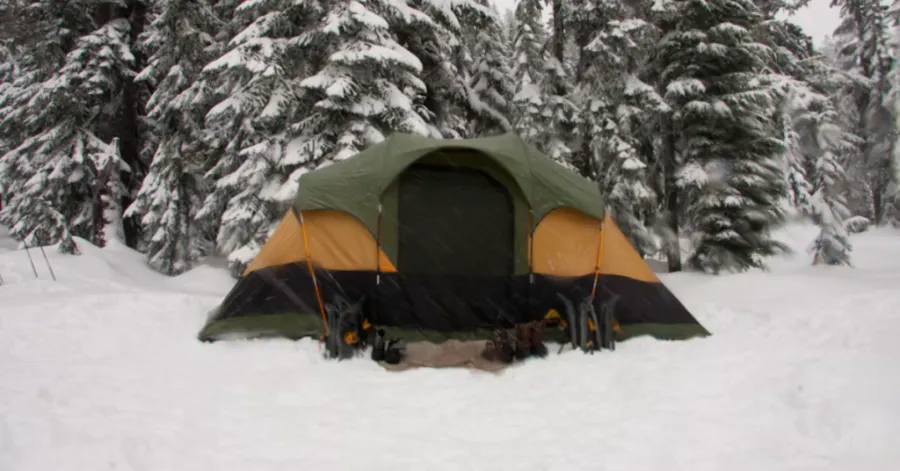
With freezing temperatures, brisk winds, and lots of snow, finding the best winter camping tent can feel daunting. With so many types, materials, sizes, and features, choose one that matches your camping plans. You need a tent that protects you from the elements and gives you plenty of space to sleep and store gear.
Choosing the best beginner winter camping tent depends on your camping style, how often you go, and the conditions you are likely to encounter. You don’t need to pay an arm and a leg for a good winter tent. With a clear idea of your needs and the features that matter to you, you can choose a comfortable, reliable place to stay on your winter getaways.
- Understand the Different Types of Winter Camping Tents
- How to Choose the Best Winter Camping Tent for Your Needs
- Key Features to Look for in a Winter Camping Tent
- What Size Winter Camping Tent Do You Need?
- How Much Should You Spend on a Winter Camping Tent?
- Common Mistakes to Avoid When Buying a Winter Camping Tent
Understand the Different Types of Winter Camping Tents
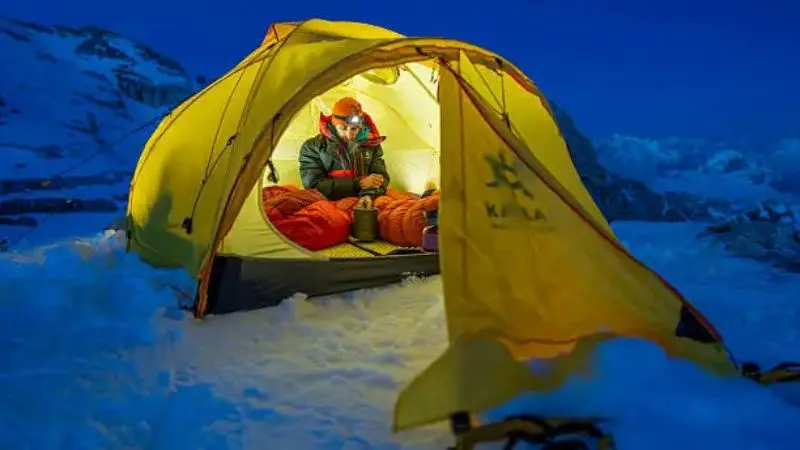
Different types of cold weather tents suit different weather conditions and camping activities. Some offer dependable protection for typical winter trips, while others withstand strong winds and heavy snow. Another option is a hot tent for campers who want to use a compatible wood-burning stove. Knowing these differences will help you choose a tent that fits your location, experience, and outdoor plans.
Recommended For Your Project
Four-Season Tents for Winter Camping
A four-season tent can be used for camping year-round, including in winter. It generally has a more robust structure, wind- and snow-resistant fabric, and a layout that resists wind and snow better than a traditional 3-season tent. Many models also have lower mesh to reduce exposure to cold air, but ventilation is still important.
A four-season tent is ideal for winter campers, those who experience snow, or trips to remote areas. But not all four-season tents are designed for harsh mountaineering environments. Before choosing the best four-season tent for winter camping, consider its weather resistance and build quality.
Mountaineering Tents for Extreme Weather
Mountaineering tents are designed for extreme conditions, including wind, snow, and rapidly changing weather. They typically use reinforced structural poles, strong materials, and streamlined designs to minimize drag. They are also small enough to maintain easily in exposed areas. These tents are ideal for experienced campers, climbers, and mountaineers who need reliable protection in tough environments.
These tend to be heavier and more expensive than standard camping tents, but can be worth it if the weather changes. When buying a one-person tent for winter, always read the manufacturer’s intended use before taking it into harsh conditions.
Hot Tent Options for Cold-Weather Camping
A hot tent is made to fit a compatible heating stove, typically a wood-burning stove. They’re usually made of canvas or another suitable material and include a stove jack and a reinforced entry point for the stovepipe. This can make the winter season more comfortable for longer stays and, if space permits, for meal prep or safely drying wet clothing. Hot tents, however, do need extra equipment, fuel, and setup.
For the best family winter camping tent, you will need a stove that fits inside your tent, works with your setup to keep the camp safe, has a proper vent, and follows fire-safety guidelines. Carbon monoxide poisoning and burns are serious concerns, so never use a stove in a shelter unless it’s designed for that use.
Three-Season vs. Four-Season Tents: What’s the Difference?
Three-season tents are usually made for spring, summer, and fall. They usually have more mesh, are lighter, and offer ventilation that works well in mild conditions. Some can handle some cold but may not provide enough support in winter storms or high winds.
Four-season tents tend to be more robust, harder to break, and built to handle more challenging weather. They can also limit drafts if pitched correctly, but they aren’t necessarily warmer or completely waterproof. You still need to pick the right sleeping bag, sleeping pad, clothing, and campsite. If you want the best tent for cold-weather camping with regular snowfall or severe winter conditions, you will generally want a four-season tent.
How to Choose the Best Winter Camping Tent for Your Needs
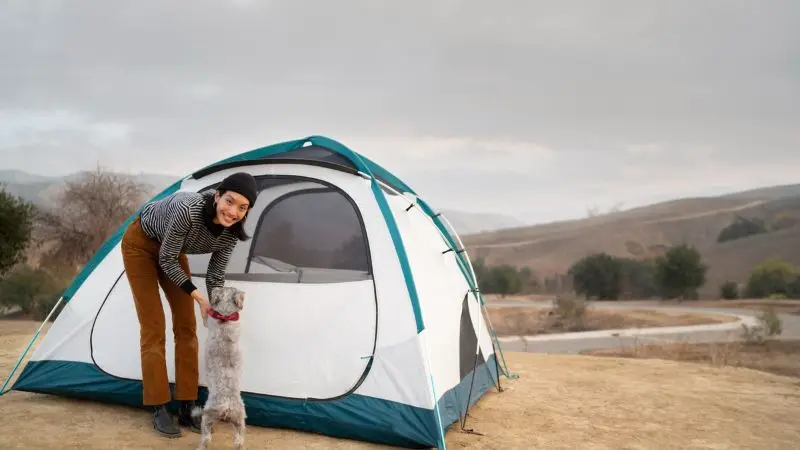
The best winter camping tent should suit the weather, terrain, group size, and mission. Check where you will camp and how much gear you’ll need before you buy one. A snowproof tent that works in a sheltered campsite may not protect you on an exposed mountain. Use these elements to choose a shelter that is safe, comfortable, durable, and convenient.
Consider Your Winter Camping Location and Weather
First, check the typical weather forecast for your destination. A forest campground with a bit of snow will differ from an open mountain where winds and snow can be high. Consider expected temperatures, wind speed, snowfall, and the chance of sudden weather changes.
If the winter trip isn’t too demanding, a good four-season tent suitable for general winter camping will do. If the bench is in an exposed/high altitude setting, select a model that has been designed for that environment. Also consider the ground where you will pitch the tent. Different anchoring types may be necessary for frozen soil, deep snow, and rock surfaces. Choosing the right tent saves you money on features you won’t use and protects what you can’t afford to lose.
Choose the Right Tent Size and Capacity
Tent size matters, as winter camping may require larger tents and more gear. The most comfortable 2-person winter camping tent will fit 2 people, but it may feel tight when both campers pack winter gear. Don’t rely on the capacity label to determine floor dimensions, peak height, or storage space.
Suppose you prefer more room to change clothes or organize your belongings; consider a tent with a slightly larger capacity. A larger two-person tent or a smaller three-person tent may suit couples, while an extra-large tent may suit solo campers. Keep in mind that larger tents typically take up more space to set up and are heavier to transport. Choose a size that fits comfortably but isn’t too hard to move around.
Check the Tent’s Wind and Snow Resistance
A tent’s construction is as important as its fabric because wind and snow can put serious stress on it. When choosing the best tent for cold-weather camping, prioritize a stable frame, secure poles, and guy-out points that let you secure the tent properly. Look for a solid frame, secure pole connections, and guy-out points that let you secure the shelter properly. For exposed use, dome and geodesic designs are popular options because their curved forms can disperse loads.
If you’re in a snow-prone area, ask about the manufacturer’s recommended snow conditions. No shape will stop snow buildup, but a steep-sided design can help snow flow off. Remove snow from around and on the tent periodically, as needed, according to the manufacturer’s instructions. Whenever possible, avoid placing the tent in an exposed position where branches could fall, on unstable slopes, or in avalanche paths.
Look for Strong Poles and Durable Materials
Tent poles support the shelter and help it hold its shape in bad weather. High-quality tents use aluminum poles in winter because they’re strong and lightweight. Other designs may use different materials, so check the design, not just the pole system material.
The tent’s fabric is also a factor to consider. When looking for the best backpacking tent for winter camping, look for thickness, tear resistance, coating, and overall material quality. Reinforced corners, strong stitching, and pole sleeves can improve long-term reliability. If you use a tent more than once, it should be easy to carry. Read the manufacturer’s care directions, too, as proper maintenance, drying, and storage can extend your shelter’s life.
Balance Tent Weight and Portability
When backpacking over snow or rough terrain, weight is the number one concern. A lightweight winter tent can make travel more convenient, but don’t compromise the protection you need at your destination. Consider packed weight, packed size, the pole system, and setup equipment.
Car campers can bring heavier shelters and larger equipment. Backpackers and mountaineers typically prefer compact, lightweight designs that still provide strong protection. Backpackers and mountaineers tend to prefer compact, lightweight designs that still offer robust protection. When choosing the best backpacking tent for winter camping, consider how you’ll get there. When camping in a group, sharing equipment makes transport easier. Focus on your trip type, not just the lightest tent.
Key Features to Look for in a Winter Camping Tent
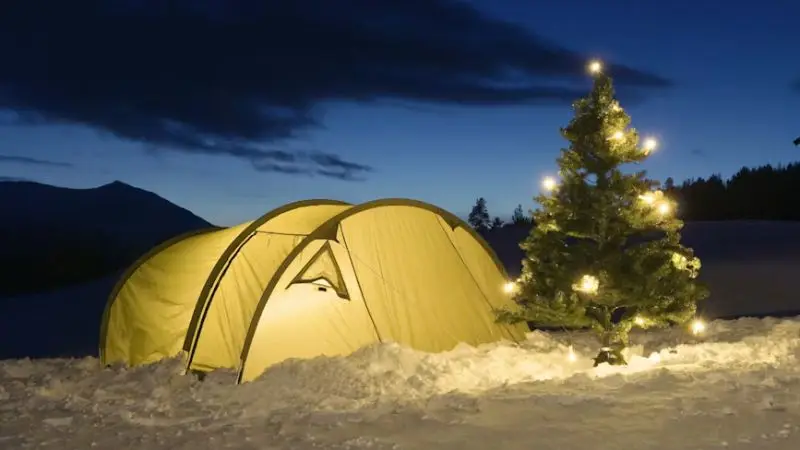
The features on the right can significantly improve your insulated camping tent experience. Look for the right fabric, frame, ventilation, anchoring space, and storage. These factors affect the tent’s performance in wet, windy, snowy, and everyday conditions. Don’t focus on aesthetics; compare the tents’ build and functionality before deciding.
Waterproof Fabric and a Reliable Rainfly
Winter weather can bring snow, rain, sleet, and melting ice. A waterproof tent floor and a well-designed rainfly keep water out of the sleeping area. For a better four-season tent for winter camping, look for sealed or sealable seams and tough, long-lasting waterproof coatings. Choose a rainfly that provides adequate coverage. A fully covered rainfly helps block wind-driven rain.
Remember the difference between waterproof and breathable. A fabric might repel water on the outside and absorb it on the inside, where condensation builds up. Check the manufacturer’s waterproofing ratings and care instructions. Dry the tent completely after each use to reduce mildew and fabric damage when storing.
Strong Tent Poles and a Stable Frame
A stable frame helps keep your cold-climate tent from flapping in wind and snow. Look for firm poles, solid connections, and a design that spreads weight across the structure. Aluminum poles are favoured for their strength-to-weight ratio.
Not all poles make for stability. Everything from their arrangement to their diameter, material, and connection points matters. Properly reinforced pole intersections and secure attachment points can enhance the overall structure. The ideal cold-weather camping tent has a frame suited to the conditions you will encounter. Don’t take anything for granted when it comes to standard camping tents in severe winter conditions.
Proper Ventilation to Reduce Condensation
One common issue with camping in the cold is condensation. Breath, wet clothing, and melted snow can build up inside the tent. In cold weather, this moisture can freeze and then melt again, leaving sleeping bags and other gear wet.
When choosing the best tent for beginner winter camping, make sure the vents and ventilation are adjustable without exposing you to the cold. Prevent snow from blocking vents, and follow the manufacturer’s instructions for opening vents in cold weather. Do not close all openings to insulate against heat loss. Adequate ventilation helps control moisture levels and makes the sleeping area more comfortable.
Snow Skirts, Secure Guy Lines, and Strong Stakes
Snow skirts, secure guy lines, and strong stakes. Some winter tents include snow skirts you can cover with snow to minimize drafts around the bottom. Other models feature alternative designs that offer weather protection. Snow skirts aren’t necessary for every winter camping trip, so consider the conditions you’ll be in.
Guy lines distribute forces along the tent’s structure. Use suitable snow anchors and strong stakes to secure the shelter if ground stakes alone aren’t enough. Deep snow may require special snow stakes or buried anchors. Always use the correct anchoring equipment and set up to the ground and wind.
Multiple Doors, Vestibules, and Storage Space
Two or more campers may find it easier to enter and exit a tent with multiple doors. This is useful when snow or equipment blocks one entrance. However, additional doors can add bulk and complexity. When choosing the best backpacking tent for winter camping, reconsider whether you need them.
Vestibules cover boots, backpacks, and other gear. They keep dirty or wet items out of the sleeping zone and help keep the tent compact. Before purchasing a vestibule, verify its size (especially if you carry heavy winter packs). Don’t place cooking equipment and fuel in sleeping areas unless the manufacturer’s purpose-built equipment and guidelines allow it.
What Size Winter Camping Tent Do You Need?
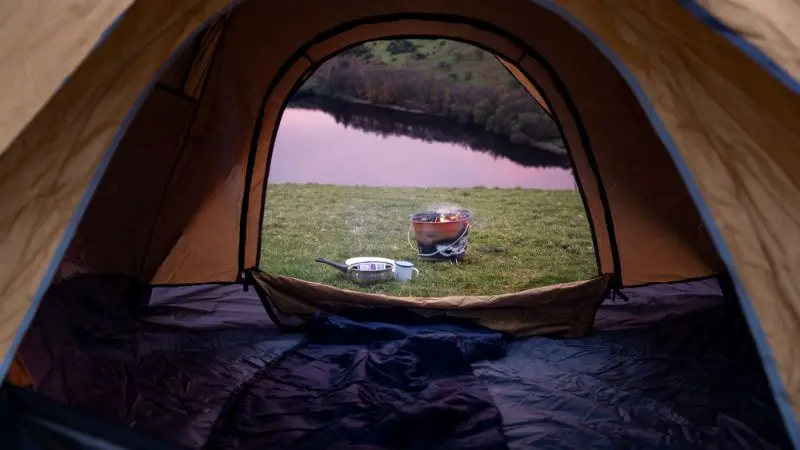
You can determine the right tent size by the number of campers, how much gear you carry, and how much space you want for maximum sleeping comfort. Winter gear, such as clothing and insulated sleeping systems, can take up more space than typical camping gear. A large summer tent will look small in the snow. When choosing a model, consider both storage and sleeping space.
Best Winter Camping Tents for Solo Campers
Solo campers often prefer a small, lightweight winter tent that is easy to set up. The ideal one-bed tent for winter camping is light and comfortable, saving you pack weight while still giving you plenty of room for a sleeping bag and sleeping pad. But some stand-alone tents offer minimal storage for boots, clothes, and other winter essentials.
If you plan to bring a lot of gear or spend multiple nights in one place, choose a slightly larger model. A small storage area can also serve as a vestibule without significantly increasing the space needed for a bed. Ideally, it should be portable but still have enough room to carry your gear comfortably.
Choosing a Winter Tent for Two People
A two-person tent suits a couple or two friends sharing a heavy-duty camping tent. When buying, check the interior width, floor length, and space around the sleeping pads. Others can only accommodate two people lying side by side, so there is limited room for personal items.
Consider a 2-person or 3-person tent if space permits and comfort matters. Two doors can also make it easier to get in and out, especially if both campers need to get around at night. Choose a bed frame that lets you sleep comfortably while keeping essential gear organized.
Family Winter Camping Tents for Groups
For family winter camping, consider whether the tent fits the whole family. The larger the tent, the more campers it can accommodate, but its size may increase its weight and make it easier to tip over in windy conditions. When choosing a large shelter for snowy or windy areas, read the manufacturer’s intended use.
Under the right conditions, a large winter camping tent can make group camping more pleasant. If possible, choose a tent with separate sleeping areas, convenient entrances, and plenty of room for everyone to tidy up. Families should also plan for wet clothes and make sure everyone has a sleeping bag and an insulated sleeping pad.
How Much Extra Space Do You Need for Winter Gear?
Common winter gear includes thick sleeping bags, insulated pads, boots, gloves, extra clothes, and emergency items. These can easily pack up a small tent. To choose a size, list everything you plan to bring and decide what should stay in the sleeping space.
A muddy boot/backpack storage area keeps boots and backpacks safe from snow and rain and gives them a place to store. Store things that can’t get wet inside the tent or in a waterproof container. Don’t block entrances or ventilation openings with gear. Planning storage helps you choose a tent that feels organized, not overstuffed.
How Much Should You Spend on a Winter Camping Tent?
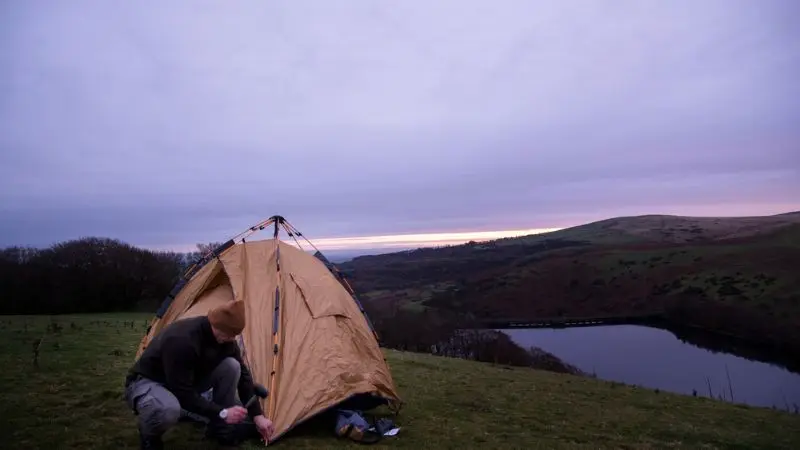
The cost of a winter camping tent depends on its materials, construction, size, and intended use. Simple models may suit occasional use in relatively mild winter weather, while a specialized mountaineering tent can cost much more. The goal is to find shelter that meets your needs without overpaying. Compare performance, durability, and total ownership costs before you decide.
Budget-Friendly Winter Camping Tents
While these tents are budget-friendly, they’re not ideal for seasoned campers. They are also an excellent option if you’re shopping for the best winter tent. Look for a sturdy model that offers solid weather protection and ample space for your gear. Read the intended season rating carefully, as a budget tent might not hold up in heavy snow or strong winter winds.
Other items you may need include appropriate stakes, anchors, and repair materials. If the tent isn’t suited to where you’re going, you could end up with an expensive purchase. Read specifications and check poles, seams, and zippers for quality before you buy.
Mid-Range Tents for Regular Winter Trips
Mid-range winter tents balance durability, weight, and functionality. Some models offer stronger poles, better weather protection, ventilation, and easier storage. These features support regular camping trips without needing an expedition shelter.
If you camp in winter often, focus on the features you’ll use most. It may be worth choosing a reliable frame with durable fabric, a manageable packed weight, and good ventilation rather than adding more doors or decorative elements. Compare different models with the same capacity and confirm their weather ratings. This is helpful when looking for the best family camping tent for this time of year.
Premium Winter Tents for Extreme Conditions
Premium winter tents are built for harsh conditions and may feature reinforced structures, advanced materials, and specialized anchoring systems. They matter for mountaineering, exposed campsites, and trips where extreme weather is likely.
Not all cases: higher price doesn’t always mean higher performance. Check for clear usage instructions, a design that fits the purpose, solid construction, and the manufacturer’s use conditions. If you camp outside often in extreme conditions, it may be worth investing in appropriate gear. The best four-season tent for winter camping may be a good place to start. It’s also important to know how to set up and take down the tent properly. You should also be familiar with proper pitching and anchoring techniques.
Common Mistakes to Avoid When Buying a Winter Camping Tent
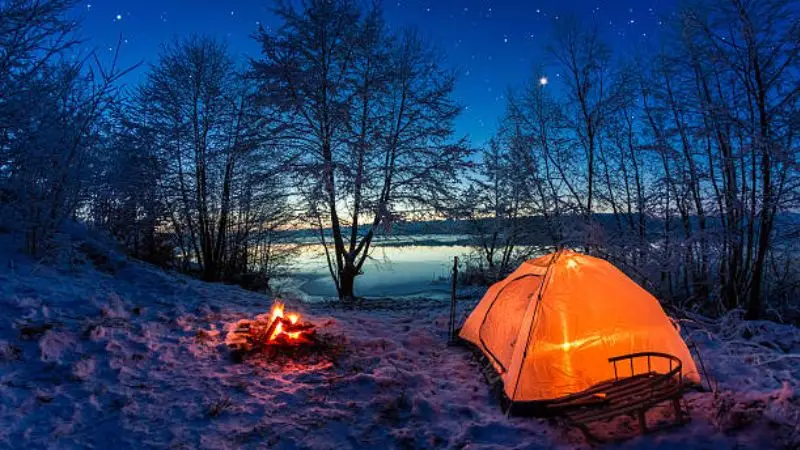
Knowing what NOT to do makes shopping for a winter camping tent easier. Some campers care more about price or weight; others about snow load, ventilation, and interior volume. These decisions can make a trip uncomfortable or leave the equipment ill-suited. Take time to compare key characteristics so you can make an informed choice.
Choosing a Three-Season Tent for Heavy Snow
If the weather is mild and conditions are favourable, you can use a three-season tent for winter outings; however, it is not typically intended for heavy snow or severe winter storms. It may be less durable in tough situations because of its lighter construction and higher mesh content.
When purchasing, verify the tent’s intended use and the manufacturer’s recommendations for snow and wind exposure. If you expect heavy snowfall or extended exposure to harsh weather, choose a winter-worthy shelter. A 4-season tent is more suitable for winter camping. Never assume a tent with a waterproof rainfly is weatherproof!
Ignoring Wind Resistance and Tent Stability
Even if the tent seems sturdy, it can weaken in wind, snow, and rain if its structure and anchor points aren’t up to the task. Wind stresses poles, seams, and attachment points. Even with the right model, poor pitching can make the problem worse.
Before purchasing, review the pole construction, guy-out points, and suggested anchor options. Know how to anchor the tent in the terrain you might face. If possible, choose a sheltered site and avoid hazardous areas. A well-located, stable tent helps enhance safety. This is because a tent for colder seasons needs both.
Buying a Tent That Is Too Small
When you buy an all-season camping tent based on its advertised capacity, you may not have room for your tent, sleeping bags, pads, boots, and winter gear. The tight cabin may make it hard to store gear and move around at night.
Check the floor size and consider how much storage you need. A larger model may be worth the extra weight if you’re camping with another person or carrying larger gear. This is especially true if you’re looking for the ideal 2-person winter camping tent. Another good use for vestibules is storing items outside of the sleeping area. Planning can help you avoid uncomfortable situations later.
Overlooking Ventilation and Condensation
Even if the tent’s outer skin is waterproof, poor ventilation can cause moisture to build up inside. Condensation can come from breathing, damp clothing, and snow you bring in. In cold weather, moisture can condense on the walls or spoil your bedding.
Check for adjustable vents and good winter ventilation. This also applies to the best winter backpacking tent. Keep ventilation openings clear and follow the manufacturer’s guidelines. Store clothes and bedding in a dry area, and don’t cover vents with bags or other gear. Comfort is essential to winter camping trips, and good ventilation plays a crucial role.
Focusing Only on Price or Weight
Low cost or light weight can be a selling point, especially if you’re new to winter camping. But neither should be the only factor you consider. An easy-to-set-up tent may not provide enough protection on an exposed mountain, and a low-priced tent may not be strong enough to handle heavy snow.
Consider your travel destination, group size, weather conditions, and how often you’ll use it. Compare the construction, weather protection, ventilation, and overall packed weight. Your right tent fits your budget and transport needs and will provide shelter in the conditions you are likely to encounter. This is especially true when buying the best single-person winter camping tent.
Wrap Up
The first step in finding the best winter camping tent is figuring out where you’re going, what the climate is like, and what kind of camping you like. Compare four-season tents and mountaineering tents, choose the right size, and focus on the framework, fabric, waterproofing, ventilation, and anchors. Budget matters, but so do the demands of your planned trips. For the best winter camping tent for your family, it matters even more.
The right shelter can make cold-weather camping more comfortable and make packing and organizing your gear less of a chore. Learn the specifications, practice pitching before you go out, and learn how to pitch safely. With proper preparation and equipment, winter can be a fun season to enjoy with confidence.
FAQs
What are the best insulated yurts for winter in northern France, and what are the pros and cons?
Look for yurts with thick felt, insulating wall liners, a double-layer roof, and ventilation. These features help to minimize heat loss and condensation. Buyer beware of insulation information.
How to identify the best types of yurts for sale in France for 4-season use, and compare their insulation levels.
Discuss the advantages and disadvantages of insulated Mongolian yurts, modern timber-frame yurts, and custom all-season yurts. Before comparing models, ask suppliers for insulation thickness, roof performance, and verified thermal ratings.
Compare the most weather-proof yurts in France for mountain regions and provide recommendations (list box).
Choose Yourtalpine or Zazu Yurts with reinforced covers and enhanced insulation. Before buying, consider snow load, wind strength, waterproof seams, secure anchoring, and local installation specifications.
Which yurts are most durable and wind-resistant in coastal France?
Comparable frames are Douglas fir, ash, and larch. Vivre La Yourte features a solid larch frame and flexible fastenings. Use corrosion-resistant fittings, wind-rated covers, and strong anchors.
What are the best yurt models for staying warm in France with damp and mildew? List the features included.
Vivre La Yourte provides breathable, mould-resistant canvas and wool felt. La Yourte Française uses moisture-resistant insulation. Ventilate, lift the floor above wet ground, and avoid leaks.
What are the cheapest, easiest yurts to rent in winter in France to insulate (methods and models)?
La Yourte Française offers two-season, four-season, and reinforced insulation options. Yourte et Habitats also offers additional polyester insulation. Insulate floors, draft-proof, and ventilate.