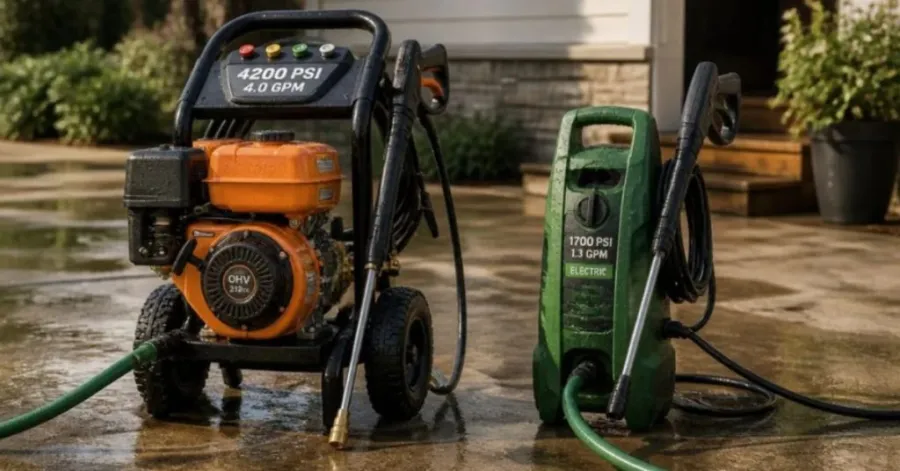
The decision between an electric and gas pressure washer may be difficult to make since both options have their distinct advantages. Electric models are portable, quiet, and convenient to service, whereas gas-powered machines offer more power for cleaning chores. Understanding the differences between electric and gas-powered pressure washers will help you choose the appropriate tool for use at home, on the driveway, on the patio, or for commercial projects.
This guide compares performance, cost, maintenance, mobility, and cleaning ability to compare the two options. You may be looking to buy the most suitable electric pressure washer vs gas pressure washer, either to clean the house or to do heavy-duty washing, but this comparison will help you make the right decision.
Understanding the Difference Between Electric and Gas Pressure Washers
It is a good idea to know the difference between electric and gas models before deciding which pressure washer to buy. Although both machines use high-pressure water to clean dirt, grime, and stains, they apply to various cleaning requirements. Being aware of the distinction between electric and gas-powered pressure washers can help you choose the correct machine to use in your home, driveway, patio, or even in your work setups. This comparison also aids you in making a decision as to what is better between electric and gas pressure washers in terms of performance, convenience, and maintenance.
What Is an Electric Pressure Washer?
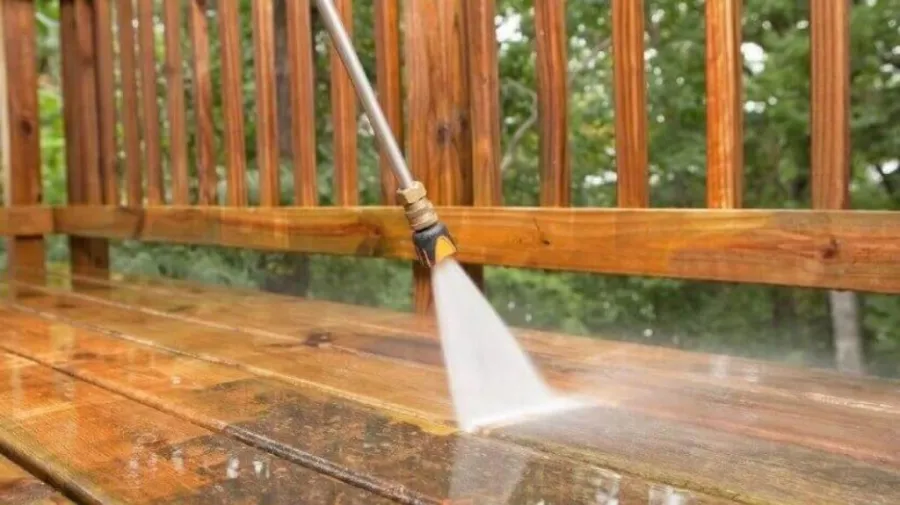
An electric pressure washer is a cleaning machine that uses electricity as its power source, rather than a gasoline engine. It has an electric motor that propels a pump that pressurizes water and sprays it through a nozzle. These models are easy to carry, user-friendly, and quiet, making them perfect for homeowners who need an effective tool for regularly cleaning their homes’ exteriors. They are usually applied to wash cars, patios, outdoor furniture, decks, fences, and siding.
Electric models are unique for their low maintenance and ease of use compared to gas-powered pressure washers. They do not need fuel, oil changes, or engine servicing, and so are a viable alternative to beginners. When comparing an electric pressure washer to a gas pressure washer, an electric one is usually more suitable for small to medium cleaning activities around the house.
What Is a Gas Pressure Washer?
A gas pressure washer is also engine-powered using a gasoline engine, which drives a high-performance water pump. These machines usually have higher PSI and GPM ratings than electric machines and can therefore address more challenging cleaning tasks more effectively. They are commonly used to remove hard-to-clean concrete stains, clean large driveways, prepare surfaces prior to painting, and perform commercial or heavy-duty outdoor cleaning.
Comparing the advantages and disadvantages of using a gas or electric pressure washer, it is clear that the former has greater cleaning power and is not limited by the electrical power source, as it does not require an outlet. Nevertheless, they need routine servicing, fuel, and engine services. A gas-powered machine can deliver the performance you need when your projects involve large outdoor areas or heavy grime.
How Electric and Gas Pressure Washers Work
Electric and gas pressure washers, although they use different power sources, operate on the same principle. Water is sprayed into the machine from a garden hose, then enters a pump. The pump raises the water pressure, and then the fluid flows through a high-pressure nozzle and a spray hose. The strong stream of water removes dirt, mold, grease, and debris from several surfaces.
The primary distinction is the pump’s power source. An electric model is based on an electric motor, whereas a gas model is based on a gasoline engine. Such a difference has a great impact on cleaning power, portability, operating costs, and maintenance needs. When one knows how each system operates, it becomes easier to distinguish between electric and gas-powered pressure washers before making a purchase.
Electric vs. Gas Pressure Washers: Key Differences
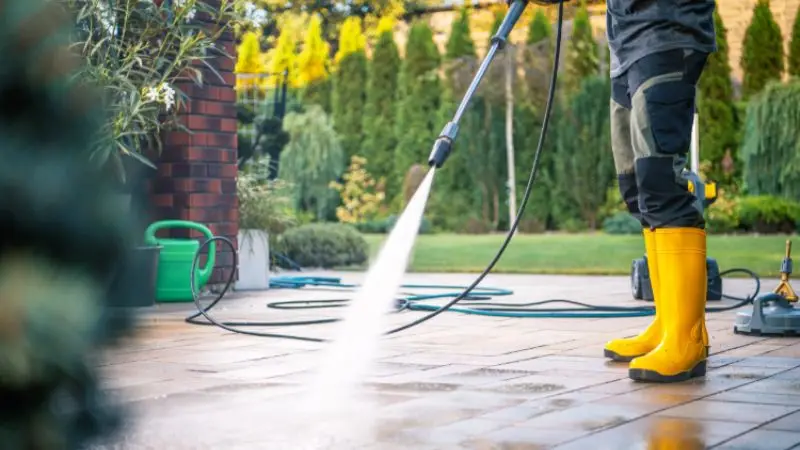
Both the electric and gas pressure washers are made to clean outdoor surfaces, but they are not constructed to do the same work. They vary in cleaning power, portability, maintenance, operating costs, and general convenience. Awareness of these differences will help you decide which machine to use. Whether it’s an electric or gas-powered pressure washer for home maintenance or bigger projects, it is well known what each model offers, which will help you make your purchasing decision with confidence.
Cleaning Power (PSI)
This is one of the first things that people would compare when purchasing a pressure washer: cleaning power. It is measured in pounds per square inch (PSI), which reflects the weight of the water spray. Electric pressure washers typically range from 1,300 to 2,300 PSI and can be used to clean cars, patios, fences, outdoor furniture, and house siding. Gas-powered pressure washers tend to produce 2,500 to 4,000 PSI or higher, which is more effective at loosening stubborn stains, grease, mold, and dirt from concrete or brick surfaces. In choosing between an electric or gas pressure washer, it should be based on the amount of cleaning power that you require.
Water Flow Rate (GPM)
The rate of water flow is in gallons per minute (GPM). PSI is the measure of the cleaning force, whereas GPM is the measure of the amount of water delivered to the surface. An increased flow will help wash dirt and debris off faster, saving time when cleaning large spaces. The electric pressure washers have low GPM ratings, which are adequate for handling normal household chores. Gas-powered models tend to produce more water and are useful for cleaning larger areas in a short time. Knowing the PSI and GPM makes it easier to observe the differences between electric and gas-powered pressure washers and their applications in various cleaning scenarios.
Which One Is Easier to Move?
The other factor is portability, particularly when cleaning various areas of your property. Electric pressure washers are small and lightweight, hence easy to carry and store. Nevertheless, they have to be connected to an electrical source, which can limit how far you can move without an extension cord. Gas-powered pressure washers are heavier due to the engines and fuel tanks; however, they can be taken practically anywhere without a power supply. When comparing an electric pressure washer vs a gas pressure washer for home use, the former is generally easier to operate, whereas the latter offers more flexibility for larger properties.
Which Pressure Washer Is Quieter?
The amount of noise can make a big difference, especially when you live in a residential area. Electric pressure washers are far less noisy because they are powered by electric motors rather than fuel-powered engines. This helps them become more comfortable being left for longer durations and less prone to annoying neighbors. More engine noise and vibration are generated by gas-powered models, particularly when cleaning heavy-duty equipment. When they are used over a long period of time, they are often advised to use ear protection. When you require quiet operation, an electric pressure washer is the more comfortable choice for everyday cleaning.
Which One Needs More Maintenance?
The maintenance of the two types of pressure washers differs significantly. Electric models require little maintenance: just cleaning the filter, inspecting the hose, and properly storing the machine after use. They do not produce any exhaust, such as from oil changes, spark plug replacements, or fuel maintenance. Gas-powered pressure washers require regular maintenance to keep the engine running properly. This involves replacing the oil, air filters, spark plugs, and the fuel system. Maintenance is one of the biggest differences homeowners should consider when comparing gas vs. electric pressure washer pros and cons.
Which Option Is Better for the Environment?
Electric pressure washers have a decisive edge over other types of pressure washers if environmental impact is of concern to you. They do not emit any direct exhaust during operation and tend to use less energy than gas-powered machines. They are also less noisy and therefore are more friendly to the neighborhood. Gas pressure washers are powered by gasoline, emit engine exhaust, and consume fuel during operation. But they can complete tough tasks faster due to an increased cleaning potential. The decision between the two lies in your priorities: environmentally friendly cleaning or performance-based, heavy-duty cleaning.
Comparing Purchase and Running Costs
The overall price of a pressure washer is the purchase price plus the operating costs. Electric pressure washers tend to be cheaper to purchase and cheaper to operate since they operate using electricity, and they have very low maintenance. They are a great option for those homeowners who do not require frequent cleaning. Gas-powered models are more likely to be more expensive to buy and will require more spending on fuel, oil, and engine repairs and replacements. Nevertheless, they are more powerful and resistant to hard work. If you’re considering an electric vs. gas pressure washer for the driveway, you will need to compare the short-term and long-term costs to select the model that offers the best value for your needs.
Pros and Cons of Electric and Gas Pressure Washers
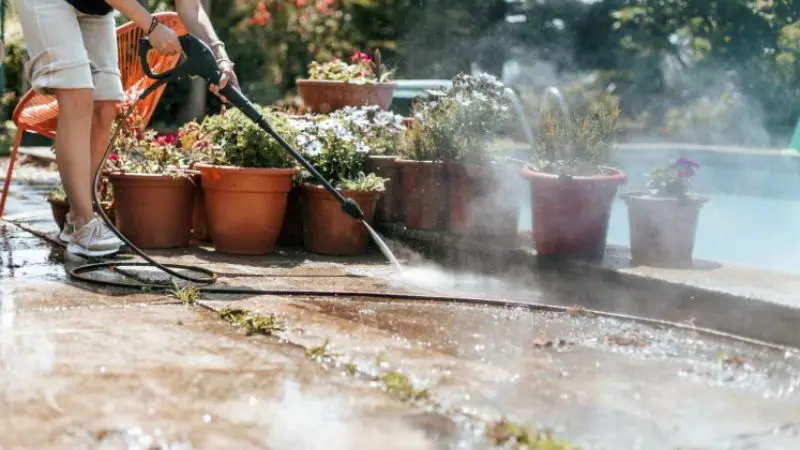
It can be so important to know the advantages and disadvantages of each type of pressure washer, and it will make your purchasing decision much easier. Electric and gas models are designed to suit various cleaning scenarios, and each has its own advantages and disadvantages. The pros and cons of the gas vs electric pressure washer will help you to determine which machine will suit the cleaning task you are undertaking, be it taking care of your home, washing down outdoor surfaces, or a more serious task.
Advantages of Electric Pressure Washers
Homeowners like electric pressure washers due to their simplicity, portability, and ease of use. These are perfect for daily cleaning, like washing automobiles, yards, fences, decks, and outdoor furnishings. They do not use gasoline or require oil changes or engine repairs, as they operate on electricity, which also lowers operating costs. Their noise and emissions are also lower than those of the gas models. When choosing between an electric and a gas pressure washer, the former is typically a convenient option due to its smaller storage footprint and ease of operation for beginners.
Disadvantages of Electric Pressure Washers
Despite the convenience of electric pressure washers, they have some shortcomings. Their reduced PSI and GPM scores make them less suitable for heavy-duty cleaning tasks such as removing deep-seated stains on concrete, large driveways, or commercial surfaces. They also need access to an electrical outlet, which may limit them when cleaning up large outdoor areas. Extension cords might be necessary; however, they can make it less convenient and necessitate proper handling. In terms of electric vs gas-powered pressure washer devices, electric ones are more likely to be applied to light and medium-scale jobs than to challenging projects that would demand the maximum power and mobility.
Advantages of Gas Pressure Washers
Gas pressure washers are characterized by high performance and the ability to handle tough cleaning tasks. They generally have higher PSI and GPM ratings, which enable them to more effectively remove stubborn dirt, grease, mold, and stains. Their high-performance engines qualify them to be used in large driveways, on concrete surfaces, on construction sites, and for professional cleaning. Mobility is another significant benefit as gas models do not require an electric connection. This enables you to wash areas that are not near a power supply. When you are making up your mind on which is the best between electric and gas pressure washers that will suit the challenging outdoor chores, a gas pressure washer can be very helpful in offering the additional power and versatility needed.
Disadvantages of Gas Pressure Washers
Gas pressure washers also possess numerous disadvantages, despite their strong performance. They tend to be heavier, noisier, and more expensive than electric models and may be less transportable and storable. Gas machines should be maintained frequently by changing oil, managing fuel, and servicing the engine. They also emit exhaust since they use gasoline engines. These extra needs might not be necessary to homeowners who just require cleaning at times. Compared with electric models, gas-powered pressure washers are more suitable for individuals who require maximum cleaning power and can afford to maintain them.
Which Pressure Washer Is Right for You?
@ashtonbrown007 Vevor’s Electric Pressure Washer #pressurewasher #powerwasher #elctricpressurewasher #pressurewasher #tool #vevortools #pressurewashinghouse #springcleaning #spring
♬ original sound - AshtonBrown007
The appropriate pressure washer selection depends on how frequently you intend to use it, the surfaces you plan to wash, and the power you need. Electric models are typically designed to perform simple chores at home, whereas gas-powered machines are better suited to handle larger, more cumbersome jobs. Knowing your cleaning requirements and comparing the electric and gas-operated pressure washers, you can identify a machine that offers the appropriate performance, convenience, and price.
Best Choice for Home Cleaning
An electric pressure washer is a convenient solution for most homeowners. It is powerful enough to perform typical chores like car washing, cleaning patios, fences, and removing dirt from outdoor furniture. Electric models are lightweight, noiseless, space-saving, and require less maintenance than gas-powered machines. When comparing an electric pressure washer vs. a gas pressure washer for occasional cleaning in and around your home, an electric model is often preferable. It provides efficient operation without the extra effort of fuel storage, engine care, and frequent servicing.
Best Choice for Tough Cleaning Jobs
A gas pressure washer is generally more appropriate for heavy-duty cleaning jobs. The machines have higher PSI and GPM ratings, enabling them to remove stubborn stains, oil spots, mud, and accumulated grime from hard surfaces. They are often applied to clean big driveways, concrete surfaces, brick fences, and commercial premises. They are more expensive to maintain, but they perform well in demanding projects. When you are deciding between an electric and a gas pressure washer for serious cleaning work, you may want to choose a gas model for its strength and durability.
Best Choice for Large Outdoor Areas
Large outdoor areas tend to require a pressure washer that can cover more ground in less time. Gas-powered pressure washers are more appropriate for large driveways, long walkways, large patios, farms, and other places where access to electricity can be a problem. Their greater power and fuel-driven nature will enable you to move around without fearing the electric cords. Nevertheless, it is possible to use electric pressure washers to clean smaller outside areas. An electric model can be suitable as it is easier to maintain and operate, and can have adequate performance needed to perform such jobs as cleaning up the patio once a month or maintaining the backyard.
Best Choice for Frequent Use
The most useful pressure washer for regular use depends on the nature of your work. When you wash your car, patio, deck, or the exterior of your house frequently, an electric pressure washer may offer reliable service with little maintenance. A gas pressure washer might be a more suitable investment for cleaning heavy tools and equipment that require frequent use and are difficult to clean, as it can be used for longer and on hard surfaces. When comparing gas vs electric pressure washer advantages and disadvantages, it is important to consider how much you will use the machine and whether you require maximum power or want the machine to be easily serviced for the things you need to clean on a daily basis.
Factors to Consider Before Buying
When buying a pressure washer, you need to consider your cleaning needs, storage space, budget, and the surfaces you will be cleaning. Consider what PSI you need for hard stains, or whether you need a lightweight machine for simple household chores. Other factors to consider in your decision include noise levels, maintenance requirements, availability of fuel or electricity, and portability. Knowing the distinction between electric and gas-powered pressure washers will help you avoid buying a machine that is either overly powerful for simple tasks or not powerful enough to meet your cleaning requirements. Choosing an appropriate pressure washer guarantees improved performance and a more comfortable cleaning process.
Wrap Up
Electric and gas pressure washers can both be used to achieve high-quality cleaning, provided they are applied to the appropriate task. Electric models are also suitable for homeowners who require a simple, quiet, and low-maintenance machine for everyday cleaning tasks. Large areas, tough stains, and heavy-duty projects that need additional power are better suited to gas pressure washers. The distinction between electric and gas-powered pressure washers will help you make the correct selection based on your requirements. Use cleaning frequency, surface type, budget, and maintenance needs as considerations when purchasing. The appropriate pressure washer will deliver effective performance and simplify outdoor cleaning.
FAQs
Which is better, an electric or gas pressure washer?
The more appropriate option depends on your requirements. Electric pressure washers are suitable for light household chores, whereas gas models are better for heavy-duty tasks and large areas.
Do gas pressure washers have more power than electric ones?
Yes, gas pressure washers tend to have better PSI and GPM ratings. They are modeled after the challenging work, such as concrete cleaning, big driveways, and commercial outdoor maintenance.
Can an electric pressure washer clean the driveway?
Small or slightly dirty driveways can be cleaned with an electric pressure washer. Big driveways with stubborn stains, grease, and deep grime are, however, best suited to gas models.
What pressure washer requires less maintenance?
Electric pressure washers require less maintenance as they do not have engines, fuel systems, and oil needs. Gas models should be serviced on a regular basis, such as with an oil change and fuel filter replacement.
Is it possible to clean the home with a gas pressure washer?
Yes, gas pressure washers may be operated at home, and they are mostly used on large premises or when cleaning hard-to-access areas. Nevertheless, they might not be required in simple household cleaning tasks.