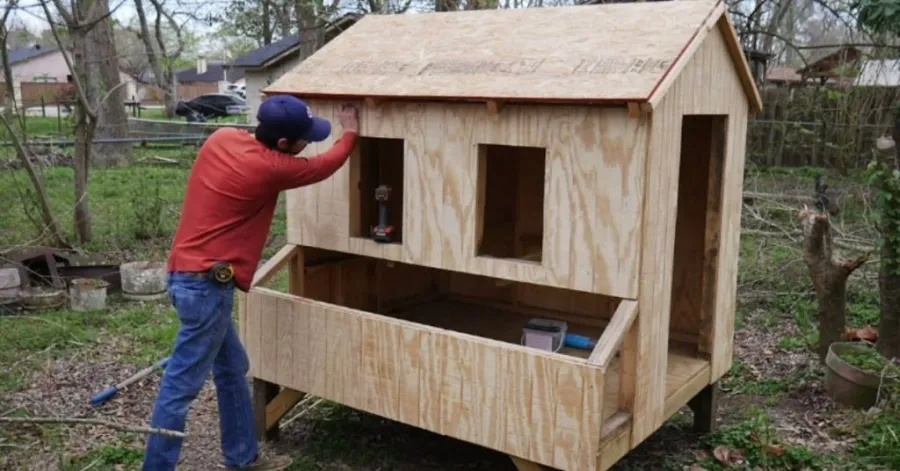
Building a chicken coop yourself is an interesting project that offers an inexpensive yet secure and comfortable shelter for your chickens, whether you are raising them for fresh eggs or as pets in your backyard. Planning and building are the keys to success in the long term. Many novices are asking how to build a chicken coop step by step, since a clear guide makes the process much easier. When choosing materials for the final safety measures, knowledge of every step will guide you in producing a strong and efficient coop. Even first-time builders, with the right approach, can successfully build this project and raise healthy chickens in their backyard.
How To Plan Your Chicken Coop Before You Start Building
The key to a successful chicken coop is proper planning. It is always best to consider your flock size, space, and future plans before purchasing materials and beginning construction. A properly designed coop will ensure a secure and comfortable living for your chickens and simplify day-to-day care.
Planning will help you prevent costly errors and subsequent changes. With the knowledge of what your chickens need and the appropriate design, you are able to create a coop that is workable, has a long lifespan, and is easy to maintain in the years to come.
Determine How Many Chickens You Will Keep
The initial thing that you need to do when planning your chicken coop is to determine the number of chickens that you would like to have. The dimensions of your coop, nesting boxes, roosting space, and run area will be influenced by the size of your flock. Others begin with a small flock of chickens in their backyard, whereas others intend to raise a bigger one.
Future expansion is also prudent to consider. Most chicken owners add more chickens, and it can be more economical to build a slightly larger coop that will save time and money in the future. Prearranging the size of your flock will allow your chickens to move freely and thus will alleviate stress, pecking, and health issues.
Understand The Space And Basic Requirements For Chickens
To be healthy and productive, chickens require both indoor and outdoor space. An overcrowded coop is a known cause of stress, disease, and aggression in birds. Generally, chickens need enough space to sleep, nest, feed, and move around during the day comfortably.
In addition to space, good ventilation, protection against predators, dry bedding, and easy access to food and water are also required of the chickens. Fresh air and sunlight are also essential in keeping them healthy. Knowing these simple needs before construction begins will help you design a coop that keeps your flock healthy and makes cleaning and maintaining the coop much easier.
Choose A Chicken Coop Design That Fits Your Needs
There are numerous designs of chicken coops, such as stationary, portable, walk-in, and tractor designs. The right choice will be based on the space you have, the size of the flock, the budget, and management. There are those homeowners who would want small backyard coops and those who require big ones, with easy accessibility both in cleaning and in harvesting the eggs.
When choosing which design to build, it is important to keep in mind the following aspects: ventilation, protection against predators, location of nesting box, and ease of maintenance. An effective design must not just ensure the safety and comfort of chickens but also make day-to-day activities easier. By deciding on the appropriate coop design at the beginning of your project, you will have a structure that is useful and addresses your requirements as your bird population increases.
How To Gather Materials And Prepare The Foundation
The right materials and a strong foundation are the steps to follow before you begin creating something. Adequate preparation will make building your chicken coop easy and, more so, make it stable, durable, and safe over the years. Maintenance costs can also be minimized by using quality materials that will enhance the life span of the structure.
Most individuals who are looking for how to construct a chicken coop step by step tend to ignore the aspect of preparation. Nevertheless, planning materials and setting up the site will help you prevent costly errors and build a solid foundation for your flock’s future.
Essential Materials And Tools You Will Need
With all the materials and tools ready and the construction underway, the building process will be a lot easier. Such typical materials are lumber, plywood, roofing materials, hardware cloth, screws, nails, hinges, and weatherproof sealants. The use of sturdy and weatherproof material will enhance the durability and strength of the coop.
It also requires basic tools like a drill, hammer, saw, measuring tape, level, and screwdriver set. There are numerous beginner plans of DIY chicken coops that many beginners are fond of due to the ease of construction, which is simplified by the plans containing a comprehensive list of materials. Adequate preparation saves time and makes the project run smoothly.
Choose And Prepare A Strong Foundation For The Coop
You need a solid base to safeguard your coop against dampness, the moving soil, and predators. The most common choices of foundations are a concrete slab, a gravel foundation, wooden skids, or raised platforms. The most suitable one will be dependent on your budget, the location, and the coop design.
In mastering the art of creating a chicken coop in the house, it is of utmost importance to locate a dry and well-drained place. Move material such as grass, rocks, and debris, and even out the area before construction commences. A well-made foundation will ensure a stable environment and make your chickens comfortable and secure.
How To Build The Main Structure Of Your Chicken Coop
After the foundation is laid, you may proceed to construct the main structure. This step includes assembling the frame, wall installation, and incorporation of other structural elements that offer protection and stability. An effective structure is one that makes sure that the coop is held together during extreme weather, even as it protects chickens.
Due to the simplicity of the designs and their practicality, affordability, and ease of construction, many homeowners start with simple designs of a chicken coop. Careful construction of the primary structure will produce a long-lasting coop that addresses your needs and those of your flock.
Construct The Floor, Walls, And Frame
Begin with a solid floor that is capable of bearing the weight of the coop and its inhabitants. Quality plywood and treated lumber are usually used since they are resistant to moisture and offer durability. Once the floor is ready, put together the wall frames and firmly fix them to the base.
Make sure that there are no faulty measurements and that the structure is kept level during the process. When you are designing a chicken coop for 10 chickens, you need to make sure that the frame provides sufficient interior space so that the chickens do not overcrowd and engage in healthy behavior.
Install The Roof And Exterior Covering
The roof keeps chickens safe against rain, direct sun, wind, and other unfavorable environmental factors. Choose durable roofing materials such as metal panels, shingles, or corrugated sheets for long-lasting protection. A well-fitted roof also contributes to keeping a dry and comfortable interior of the coop.
After the roof is finished, fit exterior coverings, like plywood or siding, or weather-resistant panels. The simple exterior finishes, which allow the service to be cheap and offer cost-efficiency, are an option to many individuals seeking cheaper designs of chicken coops to be built in the backyard without compromising on the security of the chicken coop.
Add Doors, Windows, And Proper Ventilation
Doors and windows enhance access, natural lighting, and ventilation within the coop. Fit heavy doors that have tight locks to safeguard chickens against predators. Windows enable the entry of sunlight as well as enhancing general ventilation.
Ventilation is necessary as it will carry away the excess moisture, heat, and ammonia fumes in the coop. Proper ventilation ensures a healthy environment and minimizes the chances of respiratory disease in chickens. Easy DIY chicken coop plans should always incorporate ventilation when following these beginner steps.
How To Set Up The Interior And Build A Secure Outdoor Run
The coop interior should be comfortable, safe, and convenient to both the owners and the chickens. The interior is designed to encourage natural behaviors and simplify day-to-day maintenance. Moreover, safe outdoor exercise allows the chickens to forage safely and get exercise.
Proper planning of both indoor and outdoor space will help to keep your flock healthy, productive, and safe against predators all year round.
Install Nesting Boxes And Roosting Bars
The nesting boxes give the hens privacy to lay eggs. Put these boxes in dim and dark places of the coop in order to stimulate regular egg production. Average backyard flocks should have a nesting box for every three to four hens.
The higher the roofing bars than the nesting boxes, the better, since the chicken is known to sleep in high places. The correct interior characteristics are the key aspects to focus on when reading how to construct a chicken coop step by step, as these will directly influence flock comfort and productivity.
Build A Safe And Secure Outdoor Run
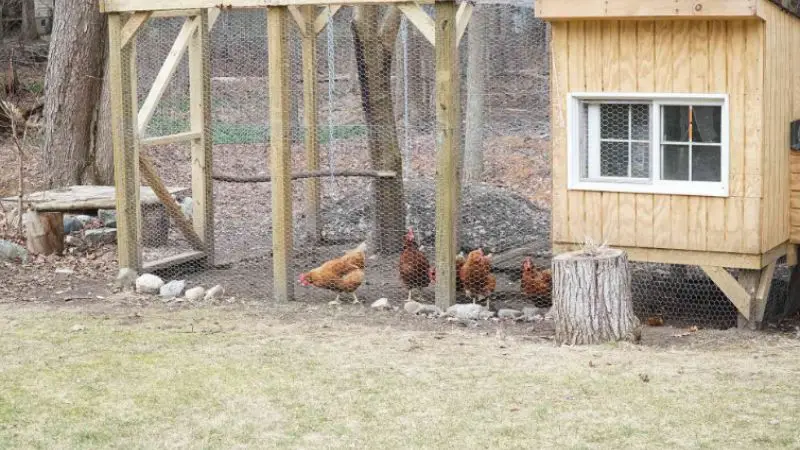
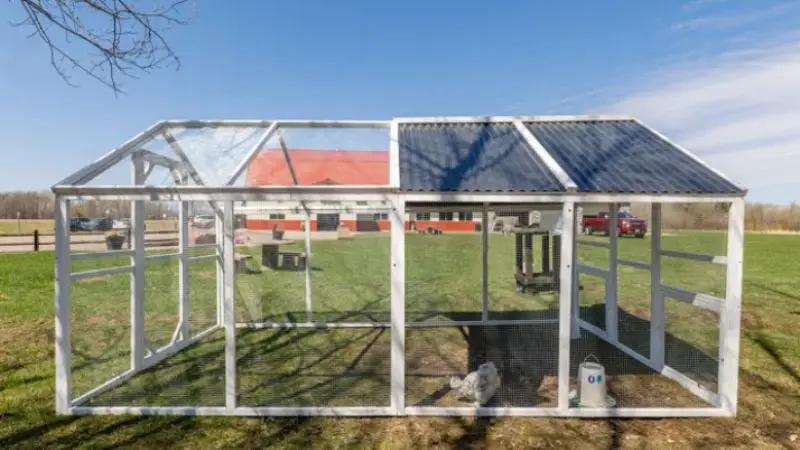
Outdoor run gives a chance to chickens to breathe the fresh air, exhibit natural behaviors, and be safe from predators. Strong materials (hardware cloth instead of traditional chicken wire) should be used since this will provide more security.
The running area must be spacious and allow the chickens to move freely, and it must have overhead cover in case of aerial predators in your locality. The most popular suggestions made by many homeowners of having cheap chicken coop designs to use as backyard chicken coops is the simple enclosed run, which is the safest yet does not cost more than a budget.
Add Bedding, Feeders, And Waterers
Bedding materials are comfortable and keep the coop dry, clean, and free of odors. Pine shavings, straw, and hemp bedding are some of the popular bedding materials. Bedding and frequent cleaning will keep the bed healthy.
Place feeders and waterers in areas that the chickens will access but will not be contaminated. Well-set placement minimizes wastage and makes day-to-day maintenance easier. The structured interior will help you look after your flock more effectively and pleasurably.
How To Perform Final Safety Checks Before Adding Chickens
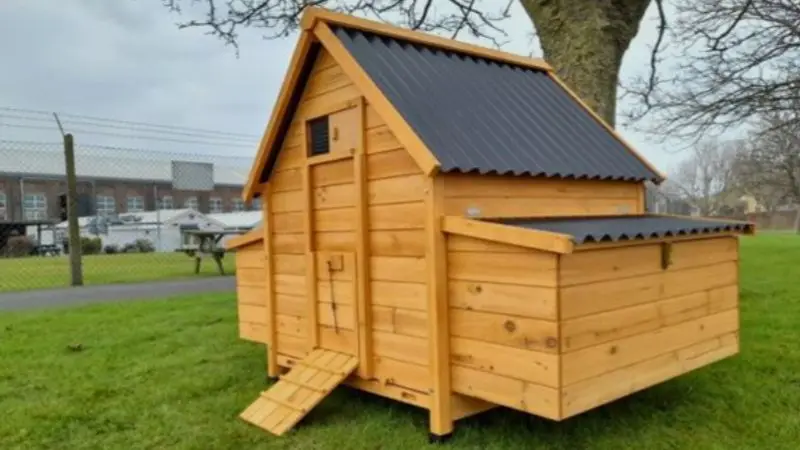
Complete inspection of the coop is conducted before the chickens are taken to their new home. Last safety checks are used to check that the structure is safe, working, and does not have any traps that might cause any damage to your flock.
By spending some time and checking the coop thoroughly, you will be able to avoid certain issues in the future and be confident that your chickens are safe and comfortable.
Inspect The Coop For Gaps, Sharp Edges, And Weak Areas
Go around the whole coop and search all walls, corners, and holes. Close all the holes that may enable predators to get in or the chickens to get out. Look for loose or sticking-out nails or edges, which might cut birds.
Simple chicken coops designs are particularly vulnerable to thorough inspection when making simple projects as a beginner, since minor mistakes during construction can be easily rectified before the chickens occupy the coop.
Test Ventilation, Drainage, And Security Features
Lastly, check all ventilation openings, drainage systems, doors, and locking systems. Make sure that the air moves freely without forming strong drafts in the coop. Ensure that water flows out of the structure to avoid the build-up of moisture.
Check all the locks and latches to make sure they operate properly and offer good protection against predators. These last checks will make sure that your coop is all ready to comfortably accept its new residents.
Wrap-Up
It does not necessarily need to be complex to learn how to make a chicken coop at home. Through the step-by-step process, you will be able to create a secure, comfortable, and long-lasting dome to house your chickens. A successful coop can be achieved through careful planning, material selection, and frequent safety checks. Regardless of whether you adopt a simple design or consider low-cost chicken coop concepts when you want to keep chickens in the backyard, you want to ensure that you give the chickens a healthy environment that promotes their health. Even amateur coopers can create a useful coop that can serve their purposes and be of use over the years with patience and preparation.
FAQs
What is the required space for chickens in a coop?
The average number of chickens that require indoor coop space is 3 to 4 square feet of space per chicken. The bigger breeds might need more space to be comfortable and healthy.
What do you consider to be the best material to use when building a chicken coop?
Popular options include treated lumber, plywood, and hardware cloth due to their durability and weather resistance, in addition to being comparatively cheap.
Am I able to make a chicken coop with a budget?
Yes, there are numerous homeowners who can recycle materials and cheap chicken coop designs of backyard chickens to save money and still establish a safe and useful building.
What is the number of nesting boxes that I need?
One nesting box per every three to four hens is a rough rule of thumb. This will give sufficient space to lay and will also help in avoiding overcrowding of the chicken.
Why is it important to ventilate a chicken coop?
Adequate ventilation will eliminate moisture, heat, and dangerous ammonia fumes. Proper air circulation is known to avoid respiratory issues and keep chickens healthy all year round.