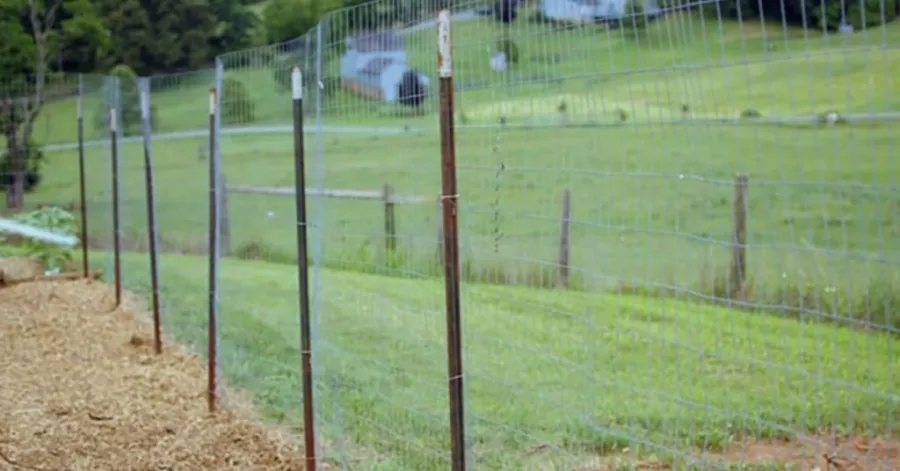
A chicken wire fence is a good, easy way to secure your garden, pets, and small animals. Learning how to install chicken wire fence allows you to build a strong and sturdy fence without hiring a professional. This guide goes through the entire procedure for installing chicken-wire fencing, including laying out plans and preparing the ground, installing the posts, and, lastly, checking safety. All the steps are presented in simple language so anyone can do them at home. You can make your fencing system durable and secure, whether you are protecting your dogs, your garden, or small animals.
- How to Plan Your Chicken Wire Fence Layout
- Tools and Materials Needed for Chicken Wire Fence Installation
- How to Install Fence Posts for a Chicken Wire Fence
- How to Attach Chicken Wire Mesh to Fence Posts
- How to Reinforce and Strengthen a Chicken Wire Fence
- How to Complete Finishing Touches on a Chicken Wire Fence
How to Plan Your Chicken Wire Fence Layout
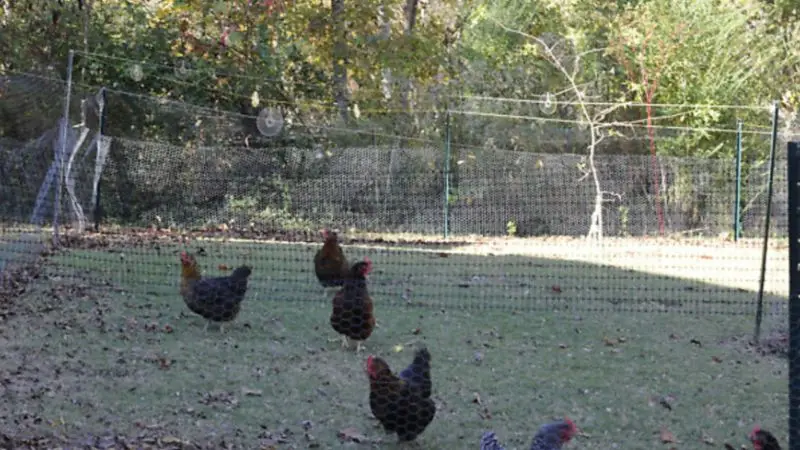
Proper planning is much needed before you commence erecting your fence. An effective plan enables you to make the right decisions, making the entire installation process easy and effortless. With proper planning, your fence is much stronger, smoother, and more helpful to your garden or pets. This step forms the basis for installing a chicken wire fence and will therefore save time in the future.
The planning process will now be performed step by step. You will know how to calculate the size of your space, select the appropriate design, and identify your boundaries. All these measures are significant in the construction of a secure, long-lasting fence.
How to Measure Your Yard Area Accurately
The first step in constructing a proper fence is to measure your yard. Begin by taking a stroll around the location where you would like to place the fence. Measure the overall length and width with a measuring tape. Record all measurements so you can remember them later. This is crucial for installing a dog-friendly chicken-wire fence in the backyard, as pets require a safe, fully enclosed area.
Ensure that you take the measurement of all sides more than once, just in case of mistakes. The slightest error will influence the final shape of the fence. If your yard is not straight or level, adjust your measurements. Proper measuring makes your work more organized and easier since you are able to plan your materials, such as chicken wire and wooden posts, and therefore make the work easier.
How to Choose the Right Fence Height and Design
The design and height of the fence you choose to use are dependent on what you wish to secure. In case you keep dogs, a higher fence will be more secure. A medium height fence with closer mesh is suitable in the case of gardens or small animals. This choice can be significant for the most appropriate installation of chicken wire fencing in the garden and for pets, as it directly influences protection and strength.
Durability and weather conditions in your location should also be something to consider. Good design will be durable and require fewer repairs. Easy designs are normally cheaper to install and maintain. Never compromise on the structure to suit your space or your purpose because your fence will remain secure and stable over time.
How to Mark Fence Boundaries Using Stakes and String
The last step in planning your fence layout is the boundary. Mark the corners of the space where your fence will be with the help of wooden stakes. Then tie them with a thick piece of string to make them have an outline. This will enable you to clearly view the fence shape prior to construction. It can be of great use to those who are just starting to learn how to install a chicken wire fence without a professional.
Ensure the string is taut and straight to maintain a straight fence line. Go around the outlined area and observe the form from various angles. When something seems suspicious, change the posts before proceeding. This will make the entire process much easier and more precise, as you will be certain that your fence is correctly aligned and is ready to be installed.
Tools and Materials Needed for Chicken Wire Fence Installation
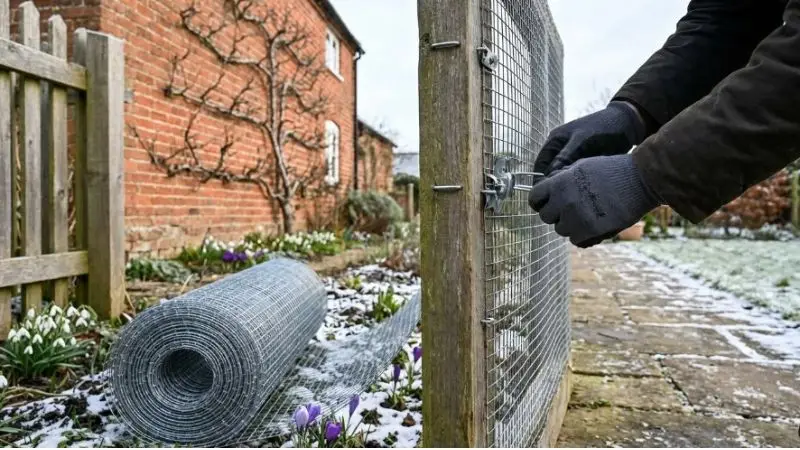
All the tools and materials needed should be gathered before you begin your fencing project. With everything prepared, it is quicker, easier, and more systematic to work on. It also prevents you from getting interrupted during installation. This is one of the main steps in installing a chicken wire fence, particularly when you want a smooth, professional appearance.
And now we should deconstruct the necessary tools, fencing materials, and additional support materials. All the components are important in building a strong, durable fence for your garden or pets.
Essential Tools You Need for Fence Installation
To install a chicken wire fence correctly, you need some simple tools to cut and repair the material. A measuring tape would be useful for determining the correct size, whereas a hammer would help drive nails or staples into wooden posts. Pliers for bending and tightening the wire will also be necessary. A wire cutter can help in cutting chicken wire to the right size.
These are extremely useful in regard to how to install chicken wire fence in the backyard, as it is safe and efficient. A shovel may also be required if you are drilling post holes. With these simple tools at hand, you are guaranteed smooth operation without delays. It is best practice to verify your tools to prevent issues when you begin installation.
Types of Chicken Wire Mesh and Fence Posts
The selection of wire mesh and posts in constructing a strong fence is quite critical. Chicken wire mesh is available in sizes and thicknesses. Heavier wire is preferable for durability, especially if you need to protect pets or small animals. To install a chicken wire fence to protect gardens and pets, it is better to choose a stronger mesh that is safer and longer-lasting.
Fence posts can be made of wood or metal. Wooden posts are simple to install and appear natural, whereas metal posts are sturdier and more robust. You can make a decision based on your needs and budget. Ensure that the posts are high enough to support the height of the fence you have selected. An excellent mix of solid posts and strong mesh will make your fence durable in any weather.
Learn how to install a chicken wire fence without professional help. Complete DIY guide for garden safety, pet protection, and durable fencing setup.
Extra Materials for Strong Fence Support and Stability
You will also require a few additional pieces of equipment and materials in addition to the basic tools and materials to ensure the fence is stronger and more secure. The chicken wire is fixed to the posts with staples or fencing nails. Sections can be held together with strong wire ties or binding wire. These tiny items are significant in enhancing stability and endurance.
These additional supports are particularly beneficial in terms of installing a chicken wire fence without professional assistance, as they can make the construction safer and more dependable. You can also employ cement in case you wish to have wooden posts set in the ground. These easy-to-install reinforcers can help keep your fence very strong and long-lasting, even in bad weather or in an active outdoor environment.
How to Install Fence Posts for a Chicken Wire Fence
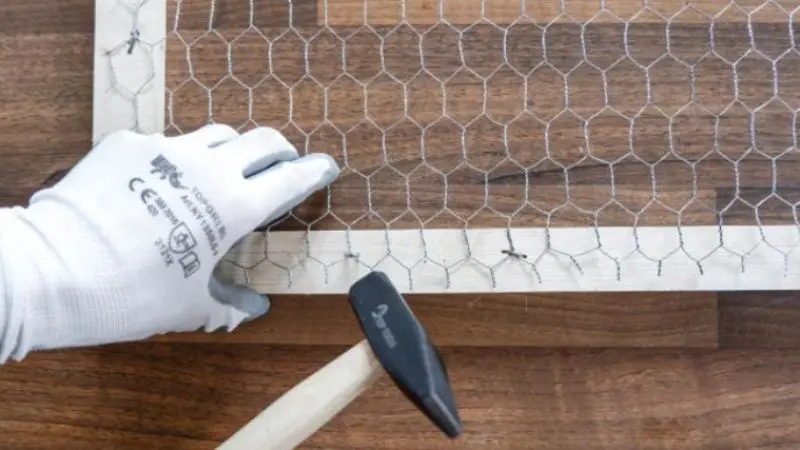
One of the most crucial steps in constructing a strong, steady fence is installing fence posts. The posts are the primary support structure that enables the chicken wire to be supported. When the posts are not placed in a proper manner, the entire fence may be weak or uneven. The step is an important aspect of the installation of a chicken wire fence, particularly when you desire durability and security of your fence in your garden or for your pets.
We will proceed to discuss each post-installation step in an easy manner. You will know how to put corner posts and intermediate posts, and how to fasten all firmly in the ground so as to have a stable structure.
How to Set Corner Posts for Strong Fence Support
Corner posts are the best component of your fence structure since they hold the major tension of the chicken wire. Begin with the corner posts in the same position that you have already indicated by your boundaries. Excavate deep holes such that the posts do not shift with time. Ensure that all posts are erected in a straight position with a basic level check or eye level. This is a crucial step in the installation of the chicken wire fence around the dogs in the backyard, as the corners are strong and not able to make the fence hang.
After positioning the post, stamp the soil around it or prepare the soil to be filled with concrete. The height and direction should be checked twice before being permanently fixed. Powerful corner posts provide your whole fence with a solid frame and guarantee durability and safety in the long term.
How to Install Intermediate Posts with Proper Spacing
In between the corner posts, there are intermediate posts that support the chicken wire in an even manner. Begin by counting the same distances between post positions. The spacing should be done properly as it holds the fence tight and does not allow it to bend or loosen. This action is important in how to install the most appropriate chicken wire fence around a garden and pets, as balanced support is costlier, stronger, and more appealing.
Hole at each of the points marked and position the posts. Ensure that all the posts are in a straight line with the corner posts. The spacing may not be even, which can influence the final appearance and stability of the fence. Adjust the positions before locking them. Spacing between posts allows the even distribution of pressure across the fence and supports the structure to be solid and stable.
How to Secure Fence Posts with Concrete or Soil Packing
The last step in post installation is to secure the posts. The posts can be held in place with concrete or tightly packed soil. Concrete is the strongest and best suited for long-term fencing, whereas compact soil is fast and can be used on a lighter basis. This is extremely helpful in a step-by-step guide of installing chicken wire fence on wooden posts because strong fixing will make it long-lasting.
You may prefer to pour concrete around the base of each post and allow it to set properly. For soil, be sure to pack it in layers and press it down to eliminate air pockets. When fixing the posts, always ensure that they are straight. Well-attached posts provide a solid foundation that keeps your chicken wire fence steady, firm, and durable.
How to Attach Chicken Wire Mesh to Fence Posts
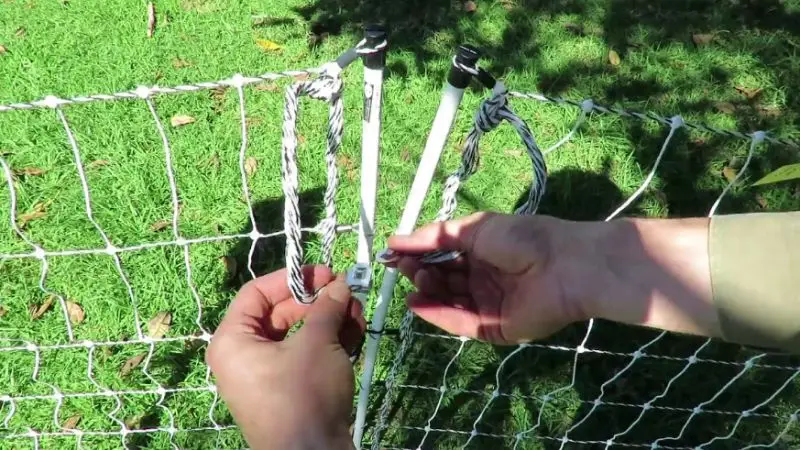
The next step is attaching the wire mesh, which is when your fence begins to take shape. This stage relates the structure and renders it practical in terms of protection and safety. When properly done, the fence will remain sturdy, trim, and durable. It is a significant component of how to install chicken wire fence, particularly when you wish to have a neat finish to your garden or pets.
We are going to proceed step by step. You will get to know how to roll the mesh, attach it to the posts in the right way, and maintain the correct tension in order to ensure that the fence does not collapse over the years.
How to Unroll and Align Chicken Wire Mesh Properly
Begin with the roll of chicken wire at one end of your fencing. Gradually roll it along the drawn line and maintain straightness and control. Ensure that the mesh does not twist or bend along the posts’ lines. When installing a chicken wire fence around the backyard, proper alignment is highly essential, as pets should have a secure and even fence.
When rolling, ensure you check the height of the mesh is as per your intended fence height. Adjust it cautiously when it is up or down. Slow is better than fast to make a mistake. Properly fitting mesh also simplifies the process of installation and helps in giving your fence a professional look.
How to Fix Wire Mesh to Fence Posts Using Staples or Ties
After alignment of the mesh, begin to fix it to the posts either with staples on wooden posts or with strong ties on metal posts. Start at one end and proceed along the line of the fence. Stick the mesh at frequent points to ensure that it remains in place. This process provides step-by-step instructions for installing a chicken wire fence on wooden posts, ensuring it is strong and stable when well secured.
Ensure that all attachments are tight and secure. There should be no loose areas between posts, as this weakens the fence in the long run. As you proceed, check each post to have even attachments. Correct repair makes the mesh rigid, and it does not move with wind or pressure.
How to Keep Proper Tension in Chicken Wire Fence to Avoid Sagging
There should be a good tension in a good and durable fence. When fixing the mesh, make sure to pull it between posts, but firmly to ensure that it is tight. Do not over-stretch, otherwise the wire will be damaged. Even tension makes the fence straight and does not bow in between. This is a significant aspect of the most appropriate chicken wire fence installation for a garden and pets.
Slowly create a mesh by working along one side at a time, tightening the mesh. Any loose areas that you find should be adjusted first before proceeding. Adequate tension helps the fence to stay in shape and be strong in the long run. An elastic net not only appears more attractive, but also offers you a safer and more durable space.
How to Reinforce and Strengthen a Chicken Wire Fence
The second step after attaching the wire mesh is to strengthen the entire fence structure. Reinforcement makes sure that your fence is stable, firm, and durable even during pressure or in changing weather conditions. The stage is particularly critical to the installation of chicken wire fence as a sturdy fence is not only reliant on posts and mesh, but also on the use of appropriate support systems.
Here we shall proceed with simple steps of reinforcement. You will be taught how to reinforce corners, provide support in tension, and eliminate weak points to make your fence more robust and stable.
How to Add Extra Support at Fence Corners and Ends
The weakest parts of any fence are the corners and ends, where the wire mesh is under the most pressure. You can add support posts or diagonal bracing to make them stronger. This aids in tension distribution and eliminates bending and loosening with time. It comes in particularly handy for how to install a chicken wire fence around dogs in the backyard, as pets can push against the fence.
Ensure that the corner posts are well fixed and strengthened with additional supports where necessary. It is also possible to tighten the mesh more in these points in order to strain it less. End and corner support. This provides stability to your fence even when it is constantly in use and enhances the stability of the structure as a whole.
How to Use Tension Wires for a Strong and Durable Fence
The addition of tension wires is also significant, ensuring that the chicken wire is tight and secure. These wires are placed at the top, middle, or bottom of the fence to ensure long-term structural integrity. Attach a post and a tension wire between them, and then pull it tightly, and then fix the mesh on the tension wire. This is a better way to enhance strength and is very effective for installing the chicken wire fence in the garden and for pets.
When the tension wire is installed, it will prevent sagging and maintain the mesh in a uniformly stretched state. Make sure it is securely fastened to each post to prevent loosening. A tension system is installed properly and provides additional support to the fence, as well as increases its resistance to pressure, wind, and wear.
How to Prevent Gaps and Weak Points in Chicken Wire Fence
It is highly necessary to avoid gaps and weak points in order to be safe and durable. After installing the fence, check the whole line of the fence and identify any loose areas or holes. Even minor holes can compromise the structure or permit small animals to go through. This is a necessary step in a step-by-step guide to installing chicken wire fence on wooden posts, since a well-sealed fence is more protective.
Tighten any loose sections as soon as they begin to be loose by attaching more ties or staples. Be particularly attentive to joints, corners, and ground-level sections. Ensure the chicken wire is spread out evenly all around the fence. A properly installed, non-permeable fence is safer, more efficient, and offers long-term benefits.
How to Complete Finishing Touches on a Chicken Wire Fence
The finishing of your fencing project is all about finishing and safety inspection. This measure will make your fence not only strong but also safe to use. A well-done fence appears presentable, functions better, and has a longer life. It also plays a key role in installing a chicken wire fence, particularly when you want a neat, secure setup in your garden or for your pets.
At this point, we will make the last adjustments. You will be taught how to cope with sharp edges, assess overall strength, and ensure that the fence is entirely safe for both animals and daily use.
How to Safely Trim Excess Wire Ends on Chicken Wire Fence
After the mesh has been installed, there may still be some ends of the mesh that extend outwards and are sharp. These will need to be cut back to avoid damage. Trim the wire cutters, cutting away any junk, and smoothing the edges. Be careful touching sharp ends, they may cut. This is especially important when it comes to setting up a chicken wire in the backyard – safety is an important consideration.
Any sharp points at the end of the cut should be bent inwards, after cutting, so they do not project. This means a safer area for pets and people. A well-done fence edge can also add to the overall appearance of the fence and minimize the chances of accidents later on.
How to Check the Stability of the Entire Fence Structure
It’s a very crucial last step before using your fence as a stability check. Moving along the whole line of the fence, touch the various parts lightly to determine whether there is any movement or looseness. Pay particular attention to posts, corners, and mesh attachments. To ensure that your fence is stable and secure, as this is critical in a step-by-step chicken wire fence construction on wooden posts.
If weak points are found, fix them early using staples, tying knots, or reinforcing posts. The fence of a stable is not to be unsteady and unstable under the slightest pressure. A thorough examination will enable you to discover the small issues before they escalate into large issues, and ensure that you are assured of long-lasting durability and security.
How to Make Your Chicken Wire Fence Pet-Proof and Secure
The final and most important measure of safety is to make your fence pet-proof. Be careful not to have holes at the bottom through which small animals can escape or enter. When the mesh is inserted a bit into the ground, or some soil or stones are used to fix it, this will provide additional protection. This is very vital in the proper method to set up a hen fence in a garden and for pets, as the pets should have full security.
Another consideration is the fence’s height, which should match your animals and should have no loopholes for them to get through. Seal off weak points at the time for improved safety. When your pets are always contained and safe, you won’t have to worry about them because an adequate fenced area will allow for peace of mind.
Wrap Up
A robust chicken wire fence will provide long-lasting security, protection, and peace. By following the right procedures, including planning and fixing the layout and the mesh, you can create a sturdy structure for gardens, pets, and small animals. The key to success is accuracy, correct materials, and care during the installations. Always check for stability, loose points, and no spaces. This how-to guide on installing a chicken wire fence could help you get the job done professionally at home. It is an effective, sturdy, and dependable fence that will ensure that your fence remains secure and safe for years to come, provided it is done and maintained properly.
FAQ
What is the depth of the fence posts of chicken wire fencing?
The minimum depth for the fence stakes is to have at least one-third of the stake’s length in the ground. This results in stability and strength, especially when used outdoors, and a safe experience for dogs in all conditions.
Am I able to install a chicken wire fence myself?
Yes, it can be installed very simply with some easy steps. Using simple equipment and adequate planning, it is entirely possible to install it DIY, and it is affordable to the homeowners.
What is the height of the chicken wire fence?
It depends on the use for the best height. With pets, 3-4 feet is ideal, as it may require both short and tall fencing, depending on how big the animals are and how much protection is needed.
What can I do to prevent a chicken wire fence from dragging?
Keep tensing and put in support wires between posts when installing. Prevention measures that can be taken to prevent sagging include mesh tying up and proper post spacing.
Will dogs chew through a chicken wire fence?
Yes, it would work great on a small to medium dog, as long as it is installed properly. It is well-reinforced with strong posts and tight mesh, and is pet-friendly.