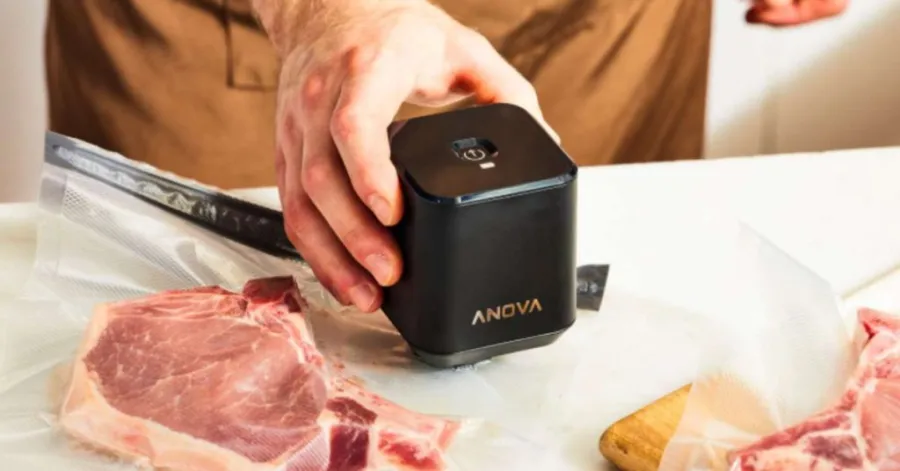
A handheld food vacuum sealer is a small appliance that removes air from bags or containers to help keep food fresher longer. Vacuum sealing involves removing surrounding air from food to prevent bacteria and moisture from spoiling it quickly. Modern food preservation requires more advanced solutions, as people want to minimize waste, save money, and keep food safe for longer.
This sealer is quite handy in the modern kitchen as it is used to store everyday items. It helps preserve freshness, minimize food waste, and provide convenience by making it easy to store fruits, vegetables, meat, and leftovers. For users who need stronger sealing performance for bulk storage, some brands like VEVOR also offer powerful countertop vacuum sealers that can handle larger quantities of food compared to handheld models.
What Is A Handheld Vacuum Sealer And How It Works
A handheld vacuum sealer is a basic item in the kitchen that helps keep food fresher longer by removing air in storage bags or containers. It is also compact, convenient to use, and very useful for day-to-day chores in the kitchen. This is a common machine widely used in homes because it does not take up much space and minimizes food waste.
It is necessary to understand the principle of this miniature device and why it is handy for storing food every day before going into the details. It simplifies food preservation without the use of large machines.
Simple Explanation Of The Sealer
A handheld vacuum sealer is a small kitchen appliance that is used to remove air from food storage bags or containers. It helps preserve food longer and more effectively by reducing the rate of spoilage. The device is convenient to carry and operate, making it ideal for a home kitchen. The popularity of a handheld food vacuum sealer lies in its lightweight, compact design. It is suitable for fruits, vegetables, and cooked food to reduce waste and keep food fresh, for daily use at home, and for travel.
How It Removes Air From Storage Bags Or Containers
This device is mainly used to remove air from special bags or containers. It creates a very tight seal that excludes the entry of oxygen, thus slowing down bacterial spoilage and helping preserve texture. When you press the button and place the sealing nozzle in the valve, it rapidly blows out the air. This simple process is instead easy for beginners. A majority of people search to learn how to use a handheld food vacuum sealer because it makes preserving food easy, hygienic, and efficient when handling food and home-cooking tasks.
Difference Between Handheld And Electric Vacuum Sealers
Both handheld and electric vacuum sealers preserve food but differ in size, power, and use. Comparing a handheld vacuum sealer vs an electric vacuum sealer for food shows that handheld machines are smaller, portable, and convenient to use, whereas electric machines are more powerful and can store food in bulk. Handheld ones are ideal to quickly seal at home, whereas electric ones are suitable to perform heavy-duty tasks.
For example, countertop vacuum sealers are designed with higher suction power and are better suited for sealing large quantities of food efficiently. This makes handheld sealers the best choice for small kitchens, travel, and simple everyday food storage needs, particularly for beginners.
Basic Parts And Usage Process
The most basic parts of a handheld vacuum sealer include the motor unit, sealing nozzle, and vacuum bags or containers with valves. To operate it, you insert the nozzle into the valve and press the button until all the air is removed. Then the bag gets closed, and the freshness is sealed inside. The choice of the best handheld vacuum sealer to store food and make meals relies on the aspects of battery life, power, and cleaning. A handheld vacuum sealer is portable and can be used at home to preserve foods, snacks, and leftovers.
Types Of Foods You Can Store Using A Handheld Vacuum Sealer
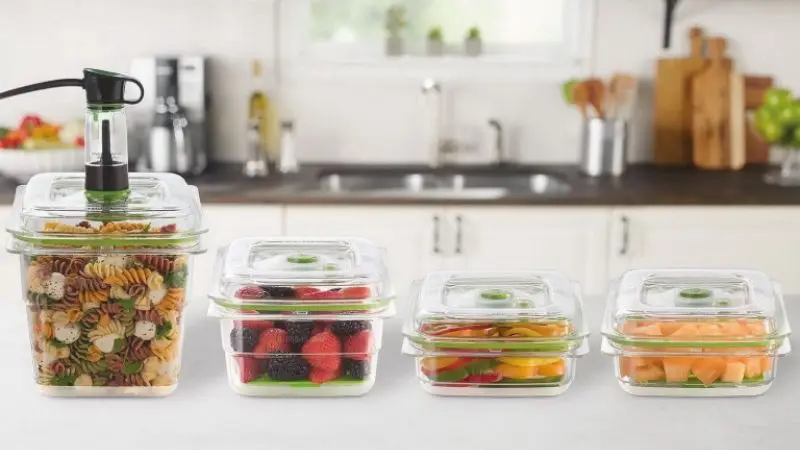
Many types of food are not limited to a single type that a handheld vacuum sealer is suitable for. It helps remove air and delay spoilage, thereby prolonging the shelf life of food. Be it fresh produce, cooked meals, or dry snacks, this small gadget makes it easier and more organized to store food at home.
It is also necessary to know before considering each type of food that the proper sealing enhances taste, texture, and shelf life. A handheld vacuum sealer for food preservation and leftovers is quite convenient for daily kitchen use and for planning meals.
Fruits And Vegetables
Fruits and vegetables can easily spoil, unless they are stored properly. An electric vacuum sealer can postpone it by vacuuming the air out of storage bags. This makes produce fresher, crisp, and safer to eat longer. Soft fruits that might benefit greatly from vacuum sealing include berries and cut apples. Other types of vegetables, such as carrots, cucumbers, and leafy greens, may also be stored longer when properly sealed. A food vacuum sealer that fits into your hand is a device that helps reduce your food waste and also allows you to effortlessly pop fresh foods into the fridge.
Meat And Seafood
Meat and seafood should be stored carefully, as they are easily spoiled. A handheld vacuum sealer will help protect them by removing air and inhibiting bacterial growth. This makes the food safer and fresher for longer in the fridge or freezer. Proper meat sealing is also necessary before meat is frozen to prevent freezer burn. Seafood and fish also remain in a better condition when the air is removed. This is a commonly used technique to ensure safety and freshness, particularly when preplanning meals or storing large amounts of food.
Dry Foods And Snacks
Dry foods like rice, pasta, nuts, coffee, and chips have an extremely extended shelf life when vacuum sealed. Having a handheld vacuum sealer will preserve moisture and airflow, which will preserve texture and flavor. Snacks do not become soft, and other dry foods do not ruin the taste of snake food. This would be useful in planning the pantry and long-term storage. The best handheld vacuum sealer for storing food and preparing meals can also keep everyday dry items fresh, preventing waste and saving money in the long term. It is also extremely good as traveling snacks or packed lunches.
Cooked And Leftover Meals
Leftovers and cooked food can simply lose their freshness in the fridge, but vacuum sealing can be used to eliminate this issue. A vacuum sealer is a handheld device that removes air from containers/bags to preserve the freshness of food. This simplifies the meal preparation and planning during the busy days. You can store rice, curries, pasta, and cooked vegetables without losing their taste and texture. A tutorial on using a handheld vacuum sealer to store food at home can literally save you time and reduce food waste by properly storing leftovers to be accessed later.
What To Look For In A Handheld Vacuum Sealer Before Purchasing
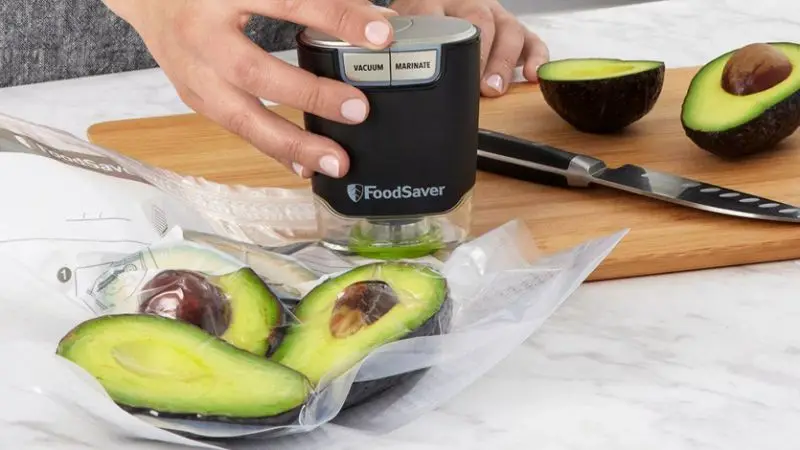
In terms of making sure that your food does not get spoiled and wasted, it is necessary to select the appropriate vacuum sealer. An excellent product must be convenient to operate, work, and be something that can fit into your everyday kitchen life. Before buying one, it is good to know the key features such as the suction strength, the type of battery, and compatibility. These factors define how successful the sealer will be in the preparation of meals, leftovers, and storing food in the long run at home.
Suction Power And Overall Sealing Efficiency In A Handheld Vacuum Sealer
One of the most essential success factors, which must be taken into consideration in a handheld vacuum sealer, is suction power. It indicates the device’s capacity for air that it can extract from bags or containers. Well-suctioned implies increased food preservation and extended freshness. This could be weakly suctioned and result in faster food spoilage.
The vast majority of professionals recommend that a model with constant, stable suction be used in order to achieve better results. A good handheld food vacuum sealer will be used to preserve food, meat, vegetables, and snacks without compromising on quality. You can also use full-size vacuum sealers that have more power than handheld devices in case you need a more intense suction to use with bulk storage or heavy usage.
@theoutdoorcousin Using a vacuum chamber sealer for gardening and hunting isn’t just practical; it’s a smart way to make the most of your harvest and hard-earned meat. Gardeners can preserve produce at peak freshness, locking in flavor and nutrients while avoiding freezer burn or spoilage. Liquids like soups or blanched vegetables seal easily without mess. For hunters, it keeps meat fresh longer by preventing air exposure and freezer damage, helping maintain quality and flavor. Whether you’re freezing garden vegetables or packaging wild game, a chamber sealer gives you professional results right at home. #hunting #gardening #outdoors #survivalskills
♬ Country – Evgeny
Battery-Powered vs. Rechargeable Handheld Vacuum Sealer Options
Handheld vacuum sealers are either battery-powered or rechargeable. The rechargeable models are more preferable as they are environmentally friendly and can be used economically in the long run. They can either be charged through USB or with adapters, thus being simple to use at home or when traveling. The battery-powered versions are easy to replace and are not very convenient. A rechargeable device would be more appropriate to use regularly in the kitchen and for meal preparation. It is also important to consider using a model that has enough runtime to seal a number of bags without stopping.
Compatibility Of Vacuum Sealer With Different Storage Bags And Containers
Bag compatibility is another factor to be considered during the selection of a vacuum sealer. Not every sealer works with any kind of bag, so one should always check before purchasing. Other, more flexible devices exist, and there are also devices that are simply compatible with special textured or branded bags. The wrong bag may result in poor seals and air escapes. The handheld vacuum sealer to preserve food and leftovers should be used with appropriate high-quality vacuum bags. Whichever way, choose a model that favors readily available bags to avoid extra expense and hassle.
Build Quality And Long-Term Durability Of The Handheld Vacuum Sealer
A quality vacuum sealer must be powerful, sturdy, and composed of good-quality materials. As it is used regularly in the kitchen, it must withstand daily wear and tear. Strong construction also guarantees higher sealing and extended device life. Inexpensive plastic models and models that rely on suction can break easily or lose suction over time. By selecting a solid sealer, you will have enhanced long-term value and performance. This is particularly crucial when you are going to use it on a regular basis, be it to prepare meals or to store leftover food.
Ease Of Use And Beginner-Friendly Operation For Home Kitchen Use
Ease of use is highly valued, particularly for novices to vacuum sealing. An efficient handheld sealer should have straightforward buttons and an easy-to-follow sealing procedure. Complex environments may render the process complicated and time-consuming. The simple operating method saves time and simplifies the food storage process. Many people are fond of models that can be used with a single tap. The process of learning to operate a handheld food vacuum sealer at home ought to be simple, fast, and stress-free so anyone can use it without difficulty.
Tips To Get The Best Results From A Handheld Vacuum Sealer For Food Storage
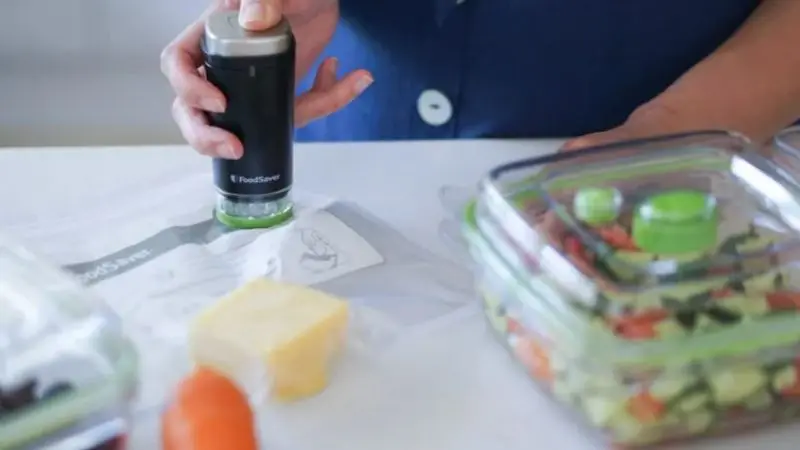
Using a vacuum sealer correctly will assist in your food lasting much longer without going bad. Even minor errors, such as moisture or food being stored at the incorrect temperature, can diminish its efficiency. With a few simple tips, you can enhance the seal’s quality and extend the shelf life of your food. These practical steps are easy to follow and very helpful for everyday kitchen applications and meal preparation.
A portable handheld vacuum sealer for preserving food and leftovers works best when the food is well prepared and stored under appropriate conditions.
How To Prepare Food Properly Before Using A Vacuum Sealer
The first step to achieving a better outcome in the vacuum sealing process is proper food preparation. When washing fruits and vegetables, always make sure they are completely dry before sealing. For meat and fish, it is important to remove excess moisture to prevent spoilage. Food can also be cut into smaller sizes, which can help in making sealing easier and more effective. In cases where food is clean and dry, the sealing process is more robust and reliable. A handheld food vacuum sealer is most effective when used on properly prepared food, as this helps it keep the food fresh longer than otherwise.
How To Prevent Moisture Problems While Vacuum Sealing Food
The seal can be weakened by moisture, causing food to lose its freshness. It is essential to keep food as dry as possible. Never leave any water behind when the seal is applied. For juicy foods, you can use paper towels or put them in the freezer briefly, then wrap them up. This will prevent liquid from disrupting the vacuum process. Cleaning and drying the sealing area also enhances performance. Keeping the moisture level low to form a tight seal helps prevent food spoilage and loss of freezer space, which are caused by very high moisture levels.
Best Storage Temperature For Vacuum Sealed Food At Home
It is very important to store vacuum-sealed food at the appropriate temperature. Store fresh foods in the refrigerator and freeze fresh foods, meat, seafood, and cooked food that should be stored in the fridge. Do not store closed bags in hot areas or in direct sunlight, as the heat can diminish freshness. Appropriate temperature is used to preserve taste, texture, and nutritional value. Vacuum sealing is enhanced when food is stored properly, and it also helps preserve food longer. This will simplify and increase the reliability of the meal planning and food storing.
How To Use Vacuum Sealing With Other Food Preservation Methods
Vacuum packing is even more effective when used alongside other food preservation methods. One of the best ways to extend the freshness of food is to freeze sealed food. You may also blanch vegetables and then seal or dry them to enhance storage quality. People also marinate some foods and then seal them to add flavor and preserve them. The combination of the methods is more effective than the vacuum sealing method. It is an intelligent approach to reducing food waste and enhancing long-term storage.
Wrap Up
A handheld vacuum sealer is an inexpensive yet powerful device that helps keep food fresh longer, minimize waste, and simplify meal prep. It is particularly handy in kitchens of homes where rapid storage and convenience are important. Whether it is fruits and vegetables or cooked food and snacks, it assists in preserving the taste, texture, and quality.
Although the larger machines are more powerful, the handheld models are ideal in daily use since they are portable, cheap, and simple to use. When applied properly along with proper food preparation and storage techniques, they can go a long way in helping you to organize your kitchen and to manage food properly. For users who need more advanced features and stronger sealing performance, countertop vacuum sealers from brands like VEVOR can be a useful upgrade beyond handheld devices.
FAQ
What does a hand-held vacuum sealer do?
A handheld vacuum sealer is employed to eliminate air from food storage bags or containers. This helps slow spoilage and enables food to remain fresh longer. The common application of it is on fruits, vegetables, meat, snacks, and leftovers.
Does A Handheld Vacuum Sealer Work Well Every Day at Home?
Yes, a handheld vacuum sealer is ideal for use with everyday household appliances. It is compact, user-friendly, and suits small kitchens, meal preparation, and the storage of quickly prepared food.
Is it possible to Use A Handheld Vacuum Sealer to cook food?
Yes, you can cook in it, such as rice, pasta, curries, and vegetables. It not only keeps food fresh but also makes it easier to leave food in the fridge or freezer without the risk of spoiled food.