Ice maker not producing ice? Don’t worry, usually a few basic checks will fix the problem. The machine could have been accidentally switched off, or there could be a problem with the power, water, or temperature settings. First, look for anything like out-of-true bins, blocked filters, damaged valves, or blockages. Common ice machine problems you can often solve yourself without calling a pro. These simple actions will save you time and money. Try these answers before calling a technician. They’ll make you more comfortable handling minor issues on your own.
In this article, we’ll go over frequent reasons an ice maker will stop making ice and how to troubleshoot common ice machine issues. You will discover easy troubleshooting procedures, quick fixes, a nd tips to troubleshoot problems at home before hiring a service.
Common Ice Machine Issues and How to Fix Them
@ezequielgutierr87 @Vevor Tools #UN MEXICANO CHINGON
♬ sonido original – UN MEXICANO CHINGÓN
Ice Machine Not Making Ice
You open the freezer, and there’s no ice. It is an aggravating problem. Begin troubleshooting the ice maker. Check that the electricity is on first. Sometimes the ice maker is not making ice because someone accidentally switched it off. Now, go and see the water supply. Low water pressure or a faulty water intake valve can stop your machine from working. How to fix ice machine not freezing? If you observe ice build-up or jams, clear them using warm water. If these instructions do not work, you may have a faulty ice maker assembly.
Ice Machine Producing Small or Thin Ice Cubes
Usually, small or thin ice cubes indicate limited water flow or a problem with the water supply. A bad water inlet valve can potentially prevent the machine from getting adequate water. If the ice maker making small or hollow ice cubes, you can clean or replace the water filter first. If the filter is clogged, then the flow will probably slow down. If the problem persists, inspect the water line for leaks, bends, or kinks that may be restricting water flow. If you fix these problems, you will have your ice back to the appropriate size, and your ice maker will be better overall.
Ice Tastes or Smells Bad
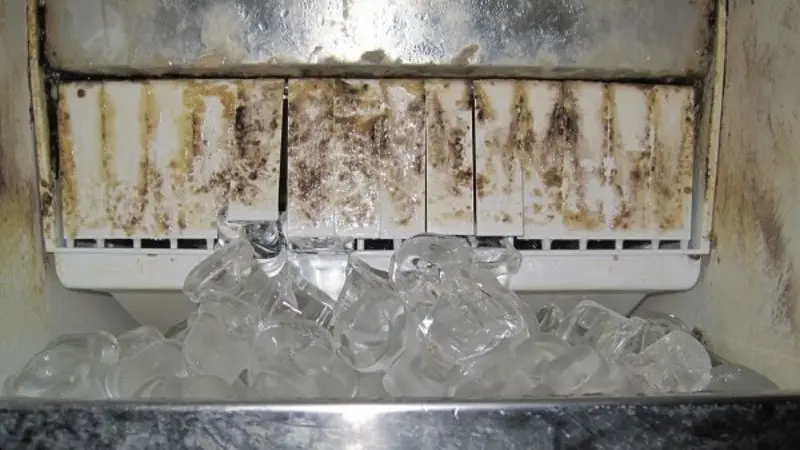
Bad-tasting ice might ruin your cocktails, but the fix is typically straightforward. The first step is to properly clean your ice maker to eliminate any build-up, mold, or residue. Old filters can alter the taste and smell. Change the water filter regularly. Also, using fresh, filtered water makes a huge difference in ice quality. With these little steps, you’ll have clean, fresh-tasting ice every time.
Ice Machine Leaking Water
The ice machine leaking water from bottom, and there is water on the floor. The most common reason for water on the floor is a leak or drainage issue. Look for loose connections and tighten up any fittings you first see. Next, check the drain line for clogs. Clogs can cause water to back up and overflow. Often, en a simple clearing of the blockage and securing of all connections may immediately repair the problem and help avoid future leaks.
Ice Machine Making Unusual Noises
Your ice maker not dispensing ice properly and is also making strange noises. That’s an indication that something is wrong. Listen for grinding or loud humming, which can be signs of internal problems. Sometimes the solution is simple: make sure the machine is level and correct it if it is not. Uneven surfaces can produce vibration and noise. If the noise persists after leveling, the best option is to hire an expert for a thorough inspection and repair to prevent further damage.
Tip: Most problems with ice makers not making ice can be avoided with regular cleaning and connection checks.
Step-by-Step Ice Machine Troubleshooting Checklist
Check Power Supply and Connection
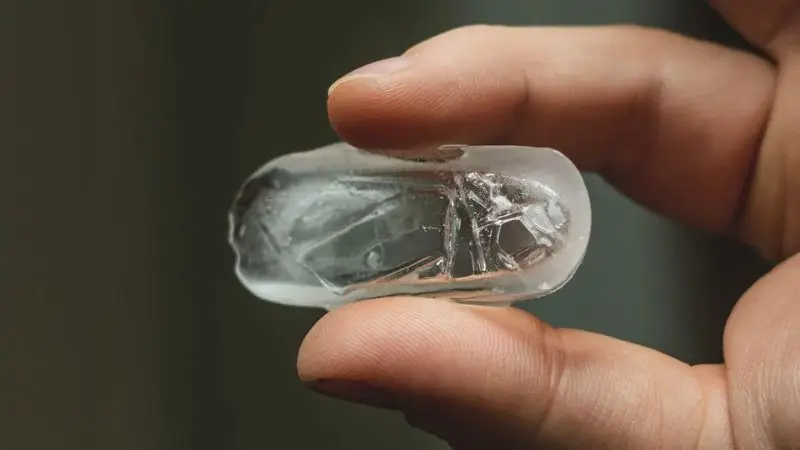
How to fix ice machine not freezing? The first thing you should do while troubleshooting your ice machine is make sure it is plugged in. Make sure it is plugged in correctly, then test the outlet to see if it is working. Be sure that all connections are tight. Sometimes an ice maker will not make ice because the power cord is loose. Look at the control panel. If there are flashing lights, unplug the machine and plug it back in to reset it. This easy technique can fix many common problems and quickly get your system back up and running.
Inspect Water Supply Line
Then inspect the water filter and feed line to make sure they are working properly. Watch for any kinks, bends, or leaks that can stop the water from flowing. If you discover that the water inlet tube is frozen, defrost it carefully with warm water. If a tube freezes, it can disrupt water flow and prevent the icemaker from generating ice. If the tube keeps freezing or does not return to normal, you may need to replace it to restore your ice maker to working properly.
Clean or Replace Water Filter
When your water filter becomes clogged, it can reduce water flow, which may cause freezing problems in ice maker not dispensing ice properly. Take the filter out and check for any buildup or dirt. If it is soiled, you have to clean it or replace it. If you have a frozen water inlet tube, the first thing to examine is the filter. Lack of flow is often the reason for freezing. With this simple procedure, you can avoid future problems and keep your ice clean and fresh.
Examine Ice Mold and Evaporator Plate
The ice maker making small or hollow ice cubes mustn’t exhibit any signs of frozen development. Carefully remove any ice chunks. The evaporator plate should then be examined. If it is icy, just brush it off. Excessive ice production and inhibited water flow may lead to poor performance. Cleaning these components may help your ice maker produce more ice and operate more effectively.
Reset the Ice Machine
If the problem persists, try adjusting the ice machine’s settings. If your machine has a “Reset” button, you can press it, or unplug the device and keep it unplugged for about 5 minutes before plugging it back in. This enables the system to reset and eliminate small errors.” This simple action in many situations will resolve frozen or temporary issues and restore your ice maker to normal performance. If you follow these troubleshooting methods, you will be able to fix the majority of home freezing problems.
Preventive Maintenance Tips for Ice Machines
How Often to Clean Your Ice Machine
To ensure proper operation, you should clean your ice machine every 3 to 6 months. If you notice any buildup inside, clean it immediately. Over time, accumulation can clog critical parts and even create leaks. Other problems can also cause your ice maker not dispensing ice properly, like a clogged drain or water line. If you use your machine a lot, get into the habit of checking for growth more often. This will help you identify problems early and keep everything functioning smoothly.
Tip: Use your phone to set a reminder so that you never forget your cleaning regimen.
Importance of Using Filtered Water
The simplest way to maintain your ice clean, clear & fresh is with filtered water. It also helps prevent mineral buildup in your machine, which can decrease performance over time. Unfiltered water can clog the filter more quickly, leading to blockages, leaks, and increased maintenance. Not only can this damage the taste of your ice, but it can also cause an ice machine leaking water from bottom. Filtered water will increase the quality of your ice, protect internal components, and make overall maintenance easier and more effective.
Regular Inspection Schedule
Perform regular checks on your ice machine to confirm it is still working effectively and to prevent unexpected problems. Take a moment to check the system for signs of buildup, such as leaks, clogged tubes, or other obstructions. For example, if you discover a clog, you should address it as soon as possible before it worsens and begins to restrict performance. If you allow a leak to go unchecked for a long period of time, it can become a major problem. Routine maintenance allows you to catch problems earlier, saving you time and money. By regularly running these tests, you will ensure your ice maker runs well and extend its life without expensive repairs.
Preventing Buildup and Mold
Mould and accumulation thrive in damp surroundings. Always be sure to let your ice container dry after each cleaning. Wipe the interior to prevent buildup. If you discover a clogged drain, unclog it as soon as possible. Mold can cause a foul flavor in your ice and a leak in your ice maker. By doing routine maintenance on your ice maker, you can ensure that it continues to run well and maintain a competitive advantage.
When to Call a Professional Technician
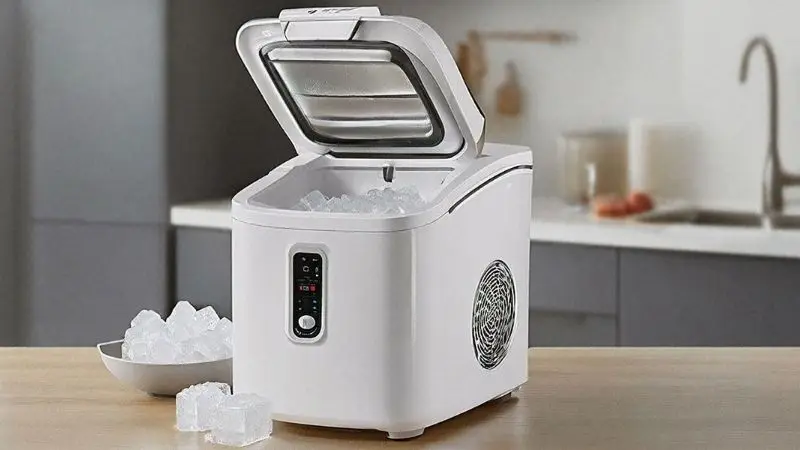
Sometimes you attempt all the solutions you can discover, but your ice maker making small or hollow ice cubes still won’t operate. You may feel stuck. If you discover that water won’t flow at all or the ice machine continues to leak, you need a professional repair. You can fix many problems at home, but others require experienced hands.
Here are signs you should call a technician:
- The ice machine won’t turn on, even after checking the power and resetting it.
- Water flow stops completely, and you can’t find the cause.
- You see electrical sparks or smell burning. This needs urgent repair.
- The ice machine makes loud noises that don’t stop after you try every solution.
- You find water pooling under the machine, and the leak keeps coming back.
You may be worried about the price, but a technician can save you money in the long term. They can find the hidden problems and provide a permanent remedy. A quick fix can prevent more serious problems. If you find mold or buildup that just won’t go away, you need a deep-cleaning solution only an expert can deliver.
Having an expert repair your ice machine protects it. You also prevent water damage and electrical hazards to your house. If in doubt, ask a technician for guidance. They can examine the flow, fix leaks, and provide you with the best solution for your ice machine.
If you’ve tried all of the solutions and nothing has changed, don’t wait. A specialist can discover the proper repair and get your ice maker running again.
Conclusion
How to troubleshoot common ice machine issues? The ice machine issues may be resolved using a step-by-step method. Start with the easy stuff, because many problems have simple fixes. Keep your ice machine clean to avoid buildup and keep it functioning efficiently. Get into the practice of checking your computer often so you can spot problems early, before they get worse. If one fix does not work, try the next likely reason. Troubleshooting can be frustrating, so be patient and hopeful that you will find the problem and get your ice machine back to normal operation.
FAQ
Why does my ice machine freeze up?
You might have a dirty filter or low water flow. Clean the filter and check the water line. This usually fixes the freezing problem.
How often should I replace the water filter?
You should change the water filter every six months. If you use your ice machine a lot, check it more often.
Can I use tap water in my ice machine?
- You can use tap water, but filtered water works better.
- Filtered water helps your ice taste fresh and keeps your machine clean.