Wondering how to clean lawns after storms? Safety comes first. Before touching anything, look around your yard for hazards such as downed wires, sharp objects, or unstable branches. Wear gloves and reinforced shoes to protect yourself. Start by clearing large debris, then rake smaller leaves and twigs or use a lawn sweeper for quicker collection. Quick action helps to put your lawn back on track, but don’t hurry the process. Staying calm and working smart to make cleanup easier. If the damage seems too much to tackle, ask for help. Following these steps makes your post-storm lawn clean-up safe and effective, and helps your yard to rebound.
Essential Tools You Need for Cleaning Your Lawn After a Storm
Your yard is not tidy and may be hazardous after a storm. The broken leaves and a few pieces of rubbish here and there do not give your lawn its due. It can be made simpler and quicker by knowing how to clean lawns after storms, as well as the appropriate items. The right equipment not only saves time but also the right equipment keeps you safe at work. We are going to discuss the tools and safety equipment you will have to have to clean your yard.
Hand Tools for Cleaning Your Yard
Hand tools are ideal for the small to medium storm clean-up jobs. A good, strong rake picks up leaves and small debris without being too hard on your grass. A shovel is useful for lifting the mud and heavy branches. Pruners allow you to cut broken twigs and damaged plants, and keep your lawn looking neat. A wheelbarrow is useful for transporting heaps of rubbish in a short amount of time. These tools give you control over your work, making the cleaning-up process smoother. Hand tools are a great place to start if you’re looking for a careful and thorough approach.
Power Tools for Faster Lawn Cleanup
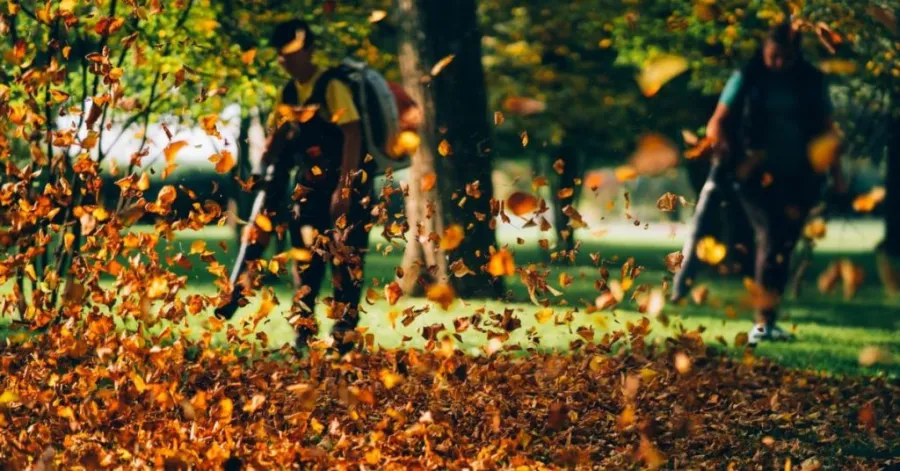
Power tools are faster to clean up the yard at the end of severe storms. A leaf blower can be used to remove large amounts of leaves and twigs in a short amount of time. A chainsaw is useful for cutting thick branches in the way. Lawn vacuums and lawn sweepers work to easily pick up any heavy debris. These tools are time and effort-saving, especially in larger yards. If you are wondering the best way to clean your yard after a storm, power tools make the job much easier. Always inspect your equipment prior to use to make sure it is safe and functions in a positive, safe manner. A lawn sweeper is especially helpful for quickly gathering leaves and keeping your lawn neat.
@tada.greenhouse VEVOR tow behind lawn sweeper. Easiest was to keep your yard clean and looking great. Easy to use and pulls great. #tiktoksummerturnup #vevorsummerlife #vevor_us #lawnsweeper #yardcleanup
♬ original sound – TaDa Greenhouse
Safety Gear You Should Wear During Cleanup
The cleanup after a storm is always hazardous, and safety equipment is needed. Gloves to cover your hands from any sharp scrapings, and strong boots to cover your feet, to prevent nail wounds or glass. A hard hat comes in handy when the branches are hanging on top, and the goggles help your eyes to be spared from dust and flying materials. It is better to wear a face mask in case of detecting mold or an unpleasant smell. The proper safety equipment would make sure you are safe when cleaning up fallen leaves and branches after a storm, and would enable your concentration on fixing your lawn without injuries.
Step-by-Step Guide to Cleaning Your Lawn After a Storm
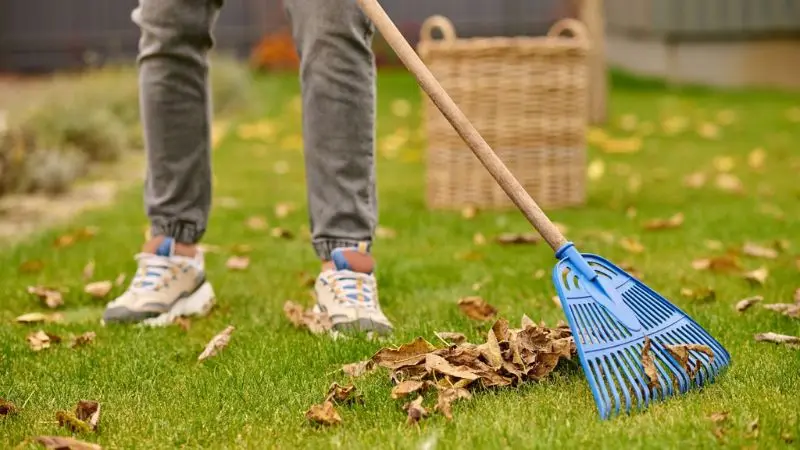
Storms might make your lawn messy and spoiled, making it difficult to have fun in your yard. An effective strategy is what will make you clean your yard effectively. Using a simple plan is a sure way of having your lawn recovered quickly and easily. You can follow the step-by-step instructions in the guide to clean up your lawn following the storms, as well as the assessment of the damage and its restoration through the grass and plants.
Step 1 – Check Your Yard for Damage
There are hazards to observe before you touch anything in your yard. Go around the yard. Inspect broken glass, sharp metal, or downed wires. Watch out for fallen trees or big branches that may be hazardous. Unless it is mandatory, take photos of areas you may need. Identify the most serious problems and list them down. It is very conscientious to be considerate at this step, so that you can arrange your cleanup in a secure way. Always keep in mind, never pick up wires or items that are pinkled in them, call your utility company in case of any suspicion. This is the initial action that is necessary to repair the lawn after storm damage.
Step 2 – Remove Large Branches and Debris
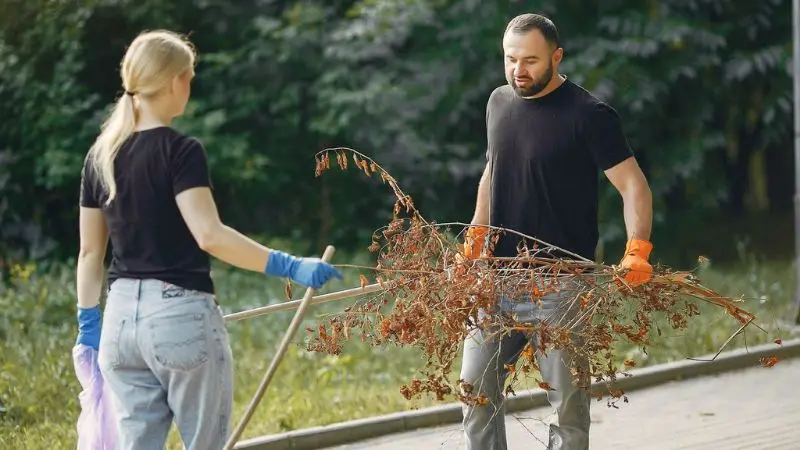
To start off, always take the biggest stuff first. Pick up large branches, limbs, and fallen debris as it covers your grass. In the event of fallen trees, do not attempt to move them by yourself. Smaller limbs can be trimmed with a saw or pruners, and larger pieces should be hauled away to a safe place or just to the curb. Take breaks (if necessary) to prevent injury. Once the large debris is cleared, you can use a rake or a lawn sweeper to collect remaining loose leaves and smaller pieces. This step is a very essential step in the best way to clean your yard after a storm.
Step 3 – Clear Smaller Debris with a Rake
When large items are removed, start with the individual debris. Use a rake to gather leaves, twigs, and broken plant material. Removing this debris allows sunlight and air to reach your grass, which will help it recover. Pile leaves and small branches to use as compost or bag them for collection. This step will help keep your lawn in good health and ready for soil repair and reseeding. Proper cleanup of smaller pieces of debris is an important part of cleaning up fallen leaves and branches after a storm.
Step 4 – Check Soil and Fix Drainage Problems
Storms can leave puddles or soggy spots in your yard, as well as areas that have washed out. Look out for places where water pools and drains. To help drainage of water, use a garden fork to poke small holes in puddles. Fill in low spots with new soil to grade your lawn. Good soil and superior drainage prevent grass from dying, but mitigate long-term damage. Inspecting and repairing drainage is an important part of how to clean lawns after storms for a healthy recovery.
Step 5 – Repair Grass and Plants
Finally, watch out for flattened grass and damaged plants. Gently lift flattened areas of grass and reseed bare areas. Prune away dead stems from flowers and shrubs to promote new growth. Water the lawn to help it recover from the storm. Small repairs such as this can make your yard look fresh and healthy once again. Taking care of your plants after a storm marks the end of step-by-step lawn cleanup after storms and puts your lawn back on a path to looking great.
How to Protect Your Lawn From Future Storm Damage
Unless your yard is done, storms can expose you to vulnerability. Preventive measures make your grass and plants remain healthy. Attention to care and intelligent landscaping will prevent damage in the future. Before an actual storm sets in, Learning how to repair the lawn after storm damage is time-saving and labor-saving over the long run. We will discuss how to reinforce your lawn, as well as how to design your yard to be more storm-resistant.
Strengthen Your Lawn for Better Recovery
A lush lawn is your first line of defense against storm damage. But mow your grass at the right height, and water deeply but not frequently to encourage strong roots. Fertilize during the spring and fall to help with these essential nutrients. Remove leaves and yard debris-waste quickly, as it can lead to a sun-blocking pile that will trap moisture. Aerate your lawn once a year to let the air and water reach the roots. Reseed bald spots and use mulch in flower beds to conserve soil. Strong, thick grass, which helps prevent soil erosion in heavy rain and during storms.
Plan Your Yard to Reduce Storm Damage
Strategic landscaping can help save your yard from future storms. Plant trees and shrubs in locations safe from damage and plant sturdy varieties that withstand strong winds. Don’t have large trees near your house, power lines, or roofs. Use ground cover plants on slopes to hold soil in place and prevent erosion. Build small trenches, or swales, to direct water away from vulnerable areas. Rocks and mulch work to reduce the rate of flow and protect your lawn. Pruning away weak limbs before storm season occurs also reduces the danger of flying projectiles and dead trees. Smart Planning Included in the Best way to clean your yard after a storm.
When to Call a Professional Lawn Care Service
Sometimes storm damage can be overwhelming, and it isn’t always safe or easy to do on your own. Knowing when to seek help from others can save time, injury, and your lawn. Professional lawn care crews have got them right tools as well as some experience to handle the toughest clean-up tasks, especially when you are clueless about how to commence with your tasks. They can remove large trees and fix drainage problems, and help your yard recover quickly.
You must consider calling a professional if any of the following are present:
- Large trees or heavy branches lying on the ground
- Fallen power lines or tangled power lines
- Damage that covers a wide area
- Flooding, or living in deep mud or in standing water that won’t drain
- Tools that aren’t strong enough for the cleanup
A professional service is also a good option if you have health concerns like allergies, asthma, or back pain. Letting the pros do the dirty work keeps you out of harm’s way and promotes the efficient restoration of your lawn.
Here’s a quick guide to help you decide:
- Small branches and leaves-> usually fine to do it yourself
- Large trees or heavy materials such as tree limbs and debris -> call a professional
- Downed power lines -> call a professional – immediately
- Flooding or drainage problems -> call a professional
- Not feeling sure or feeling unsafe >>> always call a professional
Remember, you don’t have to do everything yourself. Asking for help gets your lawn safe, healthy, and ready after the storm to recover! This is an important part of a step-by-step lawn cleanup after storms, and knowing how to repair the lawn after storm damage effectively.
Wrap-Up
Storms can leave your lawn looking a mess and damaged, but with the proper tools, extra care during cleanup, and preventative measures, your yard can make a speedy recovery. Start by evaluating the damage and removing debris, smaller leaves, and branches. Check the drainage of the soil, repair the grass, and clip back damaged plants. Strengthening your lawn and planning your landscaping strategically helps to prevent storm damage in the future. If the damage is too much to handle or is not safe, don’t hesitate to call a professional lawn care service. By following these steps, you’ll learn how to clean lawns after storms and restore a healthy, green lawn without putting your yard at risk of future safety issues.
FAQ
When should you water your lawn after a rain?
You should begin cleanup once it is safe to do so. Fast action to prevent mold and keep your grass healthy. Always look out for hazards first.
What would you do if you discovered a mold or fungus in your lawn?
Wear gloves and a mask. Remove the affected grass and debris. You can use a fungicide if necessary. Keep your lawn dry and free of water.
Can you compost storm debris?
Yes, one can compost leaves and small branches. Do not place anything into the compost with a mold, disease, or chemicals in it. Secure dangerous rubbish to be properly disposed.