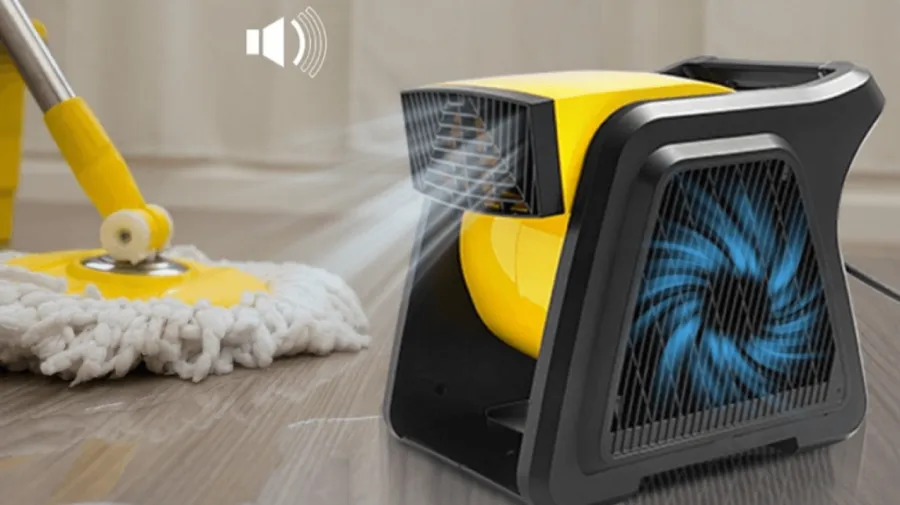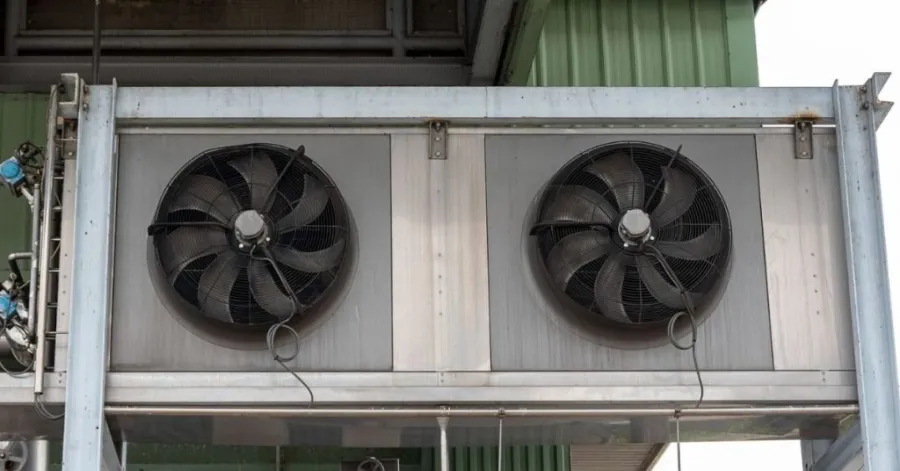
A high-velocity industrial fan is a type of fan that is made to move air much faster than normal fans. You can experience its powerful airflow even in large spaces where regular fans find it difficult to make a difference. This is a powerful fan that doesn’t just blow air, but cools down the hot areas, dries out the wet surfaces, and increases the ventilation in general. It works fast in order to create a more comfortable and safe environment for the workers. Whether in a warehouse, factory, gym, or workshop, the use of a high-velocity industrial fan guarantees greater results, improved air quality, and a healthier, more productive workspace.
- Everything You Need to Know About High Velocity Industrial Fans
- How High Velocity Industrial Fans Function in Large Spaces
- Different Types of High Velocity Industrial Fans and Their Uses
- High Velocity Industrial Fans vs HVLS Fans: What is the Key Difference?
- Benefits of Using High Velocity Industrial Fans in Workplaces
- Key Features to Look for While Buying a High Velocity Industrial Fan
Everything You Need to Know About High Velocity Industrial Fans
High-velocity industrial fans are specially built to move air at a much faster rate than normal fans. They are vital in workplaces and large spaces where fast-moving air enhances greater comfort, safety, and efficiency. These fans do more than just blow air – they produce strong, targeted streams that go across wide areas. Using a high-velocity industrial fan can help reduce heat, improve ventilation, and speed up drying, making it a smart choice for industrial and commercial settings.
What Is a High Velocity Industrial Fan and Why Are They Used
A high-velocity industrial fan has a very strong motor and powerful blades that push the air with high velocity. This fast flow of air can cover large distances, making it suitable for large rooms, factories, and warehouses. The general use of this fan is to ensure that air is continuously moving to help cool down hot areas, remove stale air, and also to dry wet surfaces quickly.
Whether you need industrial fans for a warehouse heat-reduction project or something like water damage restoration equipment, from industrial fans to commercial fans and inadequate ventilation systems, a high-velocity industrial fan with adjustable speed can provide reliable and efficient results in any large space.
Where High Velocity Industrial Fans Are Commonly Used
High-velocity industrial fans find widespread use wherever a high airflow is required. In a warehouse, they help to improve ventilation and help to keep the workers comfortable. Factories use them to remove heat fumes and dust in machinery. Workshops depend on such fans for drying off paint, for removing odors, or for mopping up spills.
Gyms and sports centers use them for maintaining a fresh air and cool environment for the athletes. Construction sites typically deploy high-velocity floor fans to remove wet crawl spaces and accelerate drying of the materials. Choosing the appropriate fan to get the airflow you need.
Understanding the Difference Between High Velocity and High Volume Fans
A high-velocity industrial fan is not like a high-volume fan. While industrial fans for drying purposes push the air rapidly for long distances, high volume fans transfer more amount of air slowly. Your choice depends on whether you need to be fast to break up heat pockets or wide for ventilation.
For large spaces, a large high-velocity industrial fan for factories can be the best solution for fast, energy-efficient air movement. Using the right type of fan makes a difference in efficiency and safety in your working environment.
How High Velocity Industrial Fans Function in Large Spaces

High-velocity industrial fans are designed to transport air at a rapid and efficient pace, making them a necessity in factories, warehouses, workshops, and other construction sites. Their strong air circulation can cool down hot spots, dry wet surfaces, and eliminate odors or stale air.
Understanding how these fans work helps to choose the right one for your needs and ensure that you are getting the best performance for your workspace. Using the right fan also helps to increase energy efficiency and safety, whether you are using a high-velocity industrial fan with adjustable speed or a big high-velocity industrial fan for factories.
The Basic Working Principle Of High Velocity Industrial Fan
A high-velocity industrial fan operates using a high-powered motor to spin the blades at very high speeds. This spinning causes the air to push forward, causing a strong stream to blow across the room. The air flow can cool the people, dry the wound, or remove the unwanted smell.
Fans are rated according to their cfm (cubic feet per minute), which indicates how much air is moved by the fan each minute. More cfm the faster the airflow, and the better the cooling. Whether used as industrial fans to reduce heat in warehouses or as high-velocity ceiling fans for drying, these fans are intended to deliver quick, effective results in large spaces.
Key Components Making High Velocity Industrial Fans Efficient
Every high-velocity industrial fan contains key components that operate to provide tremendous airflow. The motor provides the force of the fan and makes the blades spin fast. Blades pump air forward, and the shape and material they are made of determine how efficiently the fan pumps or moves air. The housing serves to protect the motor/blade and then direct the airflow to its best effect.
Finally, controls such as switches or dials allow you to control the speed and direction. Proper maintenance of these components ensures that your fan will operate safely and last longer, as a type of effective water damage restoration equipment used for other industrial applications.
How High Velocity Industrial Fans Create Strong Airflow
The high-velocity industrial fan’s powerful airflow is a result of the combination of the blade design and motor strength. As the blades spin, air is drawn from behind the fan, and it is expelled forward in a high-speed stream. This high-speed air current can cover a vast area in a fairly short time, allowing it to be used for cooling, drying, or ventilating a large area.
Using an energy-efficient high-velocity industrial fan not only saves electricity but also provides a consistent, high-performance industrial fan. Whether it’s a fan you need for drying spills, letting odors out, or even just for ventilation, a high-velocity industrial fan delivers fast, reliable results every time.
Different Types of High Velocity Industrial Fans and Their Uses
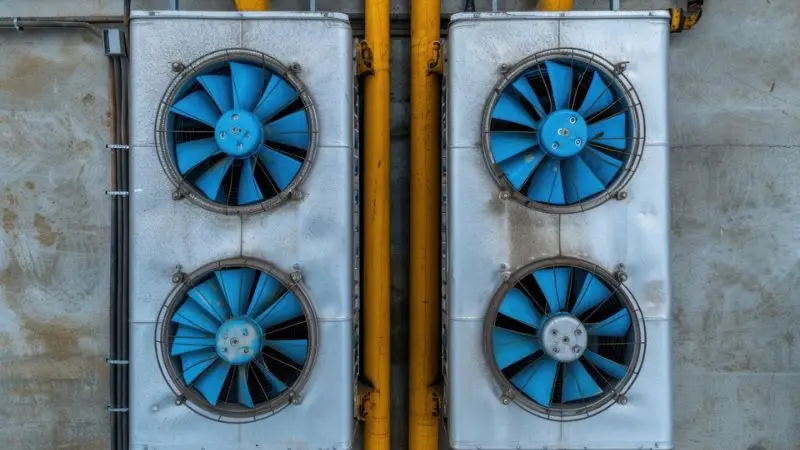
High-velocity industrial fans are available in a range of designs, each with its specific application to different spaces and work. For wherever you need it, choosing the right type will ensure effective airflow, cooling, and drying. Whether you are dealing with a warehouse with shelves stuffed with products, a factory with drying floors after a spill, or a warehouse needing better ventilation, there is a high-velocity fan created for the job at hand. Understanding the different types will help you choose the most efficient solution and get the most from your energy-efficient high-velocity industrial fan.
Wall-Mounted High-Velocity Fans & Their Benefits
Wall-mounted high velocity fans save precious floor space by mounting directly to walls. This makes them ideal for warehouses, gyms, and garages where cords or stands could get in the way. You may tilt the angle of the fan to apply the flow of air in the direction where you need it, to ease the ventilation in busy or crowded places.
These fans are particularly helpful if you have places where you need to move air over extended distances without taking up floor space. Mounted on the wall, a high-velocity industrial fan equipped with an adjustable speed allows for a consistent amount of airflow to be provided to keep workspaces safe and clear.
Pedestal and Floor High Velocity Industrial Fans
Pedestal and floor fans are freestanding as well as extremely versatile. Where additional cooling or drying is required, they can be transferred anywhere. Many models have adjustable height and tilt heads so that you can direct airflow to a specific area.
These fans are popular in workshops, factories, and event spaces where targeted airflow is required. Checking the cfm rating is useful to find out the power of the fan for your space. Pedestal and floor fans are the ideal industrial fans for reducing heat in industrial warehouses or as high velocity floor fans for quick drying of wet surfaces.
Drum and Barrel High Velocity Fans for Heavy Duty Uses
Drum and barrel fans have a drum-shaped, round body that is used to carry out large-scale airflow. They are ideal for heavy-duty tasks such as drying wet floors, ventilation to large rooms, or cooling down factory areas. These fans can move large volumes of air relatively rapidly, and they are commonly found on construction sites or in large warehouses.
A large high-velocity industrial fan for a factory can tackle tough jobs with efficacy and provide reliable results for any time a rapid airflow is required. Their robust design makes them ideal for industrial use and harsh environments, where they are required to be used for long-term applications.
Ceiling-Mounted High Velocity Fans to Wide Air Distribution
Ceiling-mounted high velocity fans are suspended in the ceiling and keep floors open as they distribute the air flow to large areas. They are effective in gymnasiums, factories, barns, or any space where floor space is limited. These fans give an even distribution of air, which helps make ventilation and cooling work better in large rooms.
A ceiling-mounted fan provides airflow without blocking work areas below, making it a practical choice for a busy industrial or commercial space. Using a high-velocity industrial fan from above can provide a boost in comfort, drying time, and air quality if used in a large environment.
High Velocity Industrial Fans vs HVLS Fans: What is the Key Difference?
Choosing the right fan for your space is up to you, based on either speed or volume. High velocity industrial fans and HVLS (high volume, low speed) fans are similar in appearance, but they have different purposes. Knowing the way each fan moves air is important to understand what is the best choice for your facility.
Whether you are cooling down workers or drying floors, or improving ventilation, choosing the right fan type can ensure maximum efficiency. The use of a high-velocity industrial fan with variable or adjustable speed or an HVLS fan in the proper context can save energy and enhance comfort in large workspaces.
Air Speed vs Air Volume: How the Fans Work Differently
The biggest factor that distinguishes a high-velocity industrial fan from an HVLS fan is the way they circulate air. A high-velocity fan creates a high-velocity, strong wind that you can feel over a long distance. This makes it ideal for spot cooling, drying surfaces, or getting rid of fumes in a short amount of time.
The fan’s power is measured in cfm (cubic feet per minute), and that tells you how much air the fan moves in one minute. In contrast, an HVLS fan has very big blades that spin slowly. It carries a great deal of air at low velocity, creating soft, broad coverage where the temperature within a space is evened out. Industrial fans for heat reduction in warehouses are often based on this distinction.
Best Use Cases of High Velocity Fans and HVLS Fans
Knowing where to use each type of fan is the key to getting the best results. High-velocity fans are good for workshops, construction sites, or anywhere where fast results are required. They can dry wet floors, cool workers, or remove smoke and odors efficiently.
HVLS fans are ideal for large open areas, such as warehouses, gyms, or barns, where the air needs to be mixed, and temperatures are maintained by a steady source of airflow. Sometimes, large facilities benefit from having both types of fans – using large (high velocity industrial fans) for the factories to aid in spot airflow and HVLS fans for overall air circulation.
Benefits of Using High Velocity Industrial Fans in Workplaces
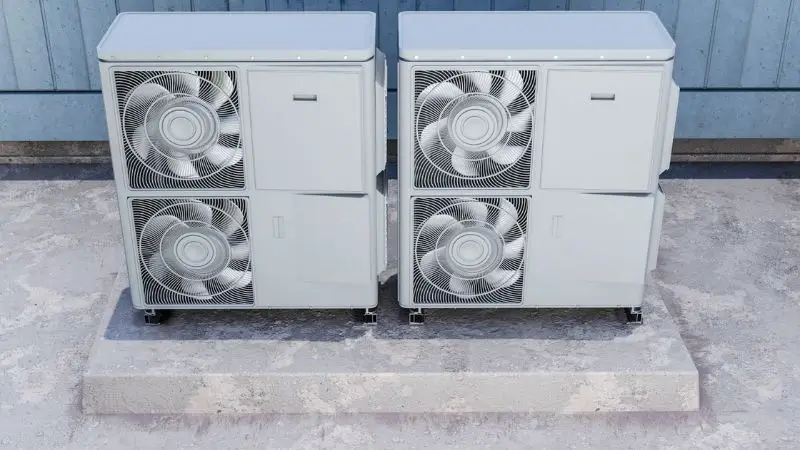
High velocity industrial fans provide more than just air movement-they provide better comfort, safety, and efficient operation in large spaces. By moving air rapidly, they provide for increased ventilation while controlling moisture and help reduce heat stress. Businesses and facilities often choose these fans to make work environments healthier and save energy.
Being able to use a high-velocity industrial fan with adjustable speed means airflow is concentrated where it is needed most, making industrial fans a perfect solution for factories, workshops, gyms, and construction sites. These fans are also excellent complements to HVLS fans for entire air circulation.
Enhanced Ventilation for Cleaner and Safer Air
A high-velocity industrial fan is used to expel stale air and draw in fresh air, as it will make huge rooms more breathable. This is particularly helpful in workshops, factories, or gyms where there may be an accumulation of dust, fumes, or odors. By producing a constant flow of air, these fans help rid the building of contaminants, keeping everyone in the building healthier.
Placing the fan near doors or windows maximizes air exchange, which increases energy-efficient high-velocity industrial fan performance and comfort. Good ventilation not only improves air quality but also supports a safer work environment for employees and visitors alike.
Improved Worker Comfort and Productivity
Air movement helps people to feel cooler and more alert. High-velocity fans create high winds to lower heat stress and prevent stuffy environments. Workers are able to focus better and to feel less fatigued on hot days.
By providing increased comfort, these fans increase productivity and decrease complaints of poor comfort. For the operation of facilities, industrial fans are very often used for heat reduction in warehouses to ensure a stable and comfortable environment for staff, which includes a better workflow and employee satisfaction.
Moisture and Odor Control for Clean Spaces
High-velocity industrial fans are suitable for fast drying of wet floors, spills, or surfaces after cleaning. They also circulate air to eliminate the smell of chemicals, trash, or damp areas. In gyms, locker rooms, and construction sites, these fans help to keep the air fresh and humidity at bay.
While HVLS fans imply large quantities of air, produced slowly, a high-velocity floor fan will be faster for targeted moisture and odor control. This makes them ideal for water damage repair equipment requirements and fast drying in high-traffic areas.
Energy Efficiency Compared to HVAC Systems
Fans are much less energy demanding than using AC all year round. A high-speed industrial fan could cool certain areas quickly, which would reduce the need for HVAC systems. HVLS fans are also part of energy savings because the air is circulated gently over the large areas. Using fans before or in conjunction with an HVAC system can lower energy costs, make it a much more comfortable working environment, and aid in energy-efficiency compliance within businesses. The combination of rapid-moving air flows from high-velocity fans and soothing HVLS circulation ensures both spot cooling and general coverage without consuming a lot of power.
Key Features to Look for While Buying a High Velocity Industrial Fan

Choosing the degradation high velocity industrial fan ensures efficiency, durability, and safety. Not all fans are created equally, so looking for motor power, as well as blade material, noise, and safety features, helps you select a fan equal to your specific needs. Whether you need a high-velocity industrial fan for industries or a high-velocity industrial fan with variable speed, paying attention to these important features ensures optimal performance and long-term reliability in industrial or commercial areas.
Motor Power and RPM for Maximum Airflow
The motor controls how fast the blades rotate and how much air can be moved by the fan. Check the motor’s horsepower (HP) or wattage to be sure it is powerful enough for your space. RPM or revolutions per minute refers to the blade speed – the higher the RPM, the faster the air speed.
For large rooms, workshops, or areas requiring industrial fans for heat abatement in warehouses, a powerful motor and high RPM help the fan to move air efficiently, cause people to get cooled faster, and allow surfaces to dry well. Using a fan with a minimum of 1/2 HP and an RPM of more than 1,000 is ideal for big spaces.
Blade Material and Durability for Long-Lasting Use
The air flow and durability are important in blades. Metal blades, such as aluminum or steel, will not bend as easily and are more suited to heavy-duty tasks than plastic blades. Plastic blades have low weight and are good for light-duty use only. Durable blades ensure that your fan can work day by day in industrial environments and not get damaged.
For high-velocity floor fans that are used for workshops or even water damage restoration equipment, steel or aluminum blades are often the best choice for long-lasting performance. Proper selection of the blade will avoid frequent blade replacement and ensure the airflow will be consistent.
Noise Levels for Comfortable Work Environments
Some high-velocity fans can be noisy, and that may become a distraction from focus or conversations. Check for decibels of noise before buying – the lower the number, the quieter. Quieter fans are ideal for use in gyms, workshops, or offices where comfort and concentration are important. A properly designed energy-efficient high-velocity industrial fan enables a compromise of having high airflow and low noise, providing both comfort and good cooling.
Safety Protection to Provide Peace of Mind
Safety is very important when using powerful fans. Look for fans with protective grills over blades, overheat protection to shut down the motor if it gets too hot, and tip-over switches to stop the fan if it falls over. These features help to prevent accidents and protect both workers and equipment.
Always follow safety instructions and select fans that are designed to safely work in busy industrial environments. The control can be ensured through a high-velocity industrial fan with adjustable speed, yet at the same time, workplace safety is maintained.
Wrap-Up
High-velocity industrial fans are a standard piece of equipment for factories, warehouses, workshops, gyms, and construction sites. They provide fast airflow to cool down spaces, dry surfaces, eliminate odors, and improve air quality. With options like high-velocity industrial fans with adjustable speed or large high-velocity industrial fans for factories, you can find the right fan for your needs.
Understanding them according to type, main characteristics, and advantages guarantees greater efficiency and energy savings, as well as worker comfort. Whether you are combining them with HVLS fans or looking at water damage restoration equipment, these fans provide reliable performance in any industrial or commercial environment.
FAQ
How do you clean an industrial high-velocity fan?
Unplug the fan first. Wipe the blades and housing down with a damp cloth. Use a vacuum to take dust off grills. For deep cleaning, refer to the manufacturer’s instructions.
Can you use an outdoor high-velocity fan?
Yes, of course, you may use some models outside. Look for fans with outdoor ratings. These fans are water and rust-resistant. Be sure to always check the safety rating when using it outside.
What size fan do you need for your room?
Measure your room and check the fan’s CFM rating. For a large space, choose a fan with a higher cfm. A supplier can help you if you are at a loss. More spacious rooms require more airflow. Choose a fan that is appropriate for your space.
Are high-velocity fans noisy?
Most high-velocity fans have some noise associated with their strong motors. You can find quieter models. Check out the decibel rating before you make your purchase.