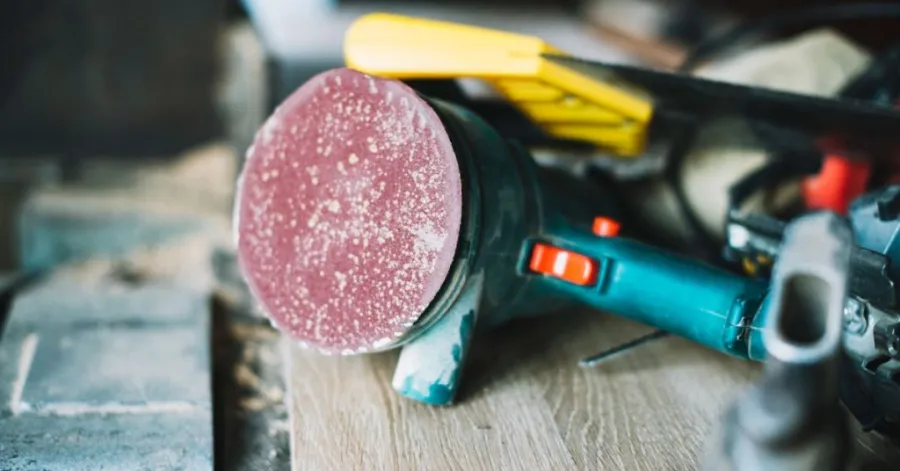
For a smoother finish, always choose foam orbital sander pads. Rubber orbital sanders are better for heavy-duty sanding tasks. The type of orbital pads you choose will depend on your surface, desired finish, and comfort level. In this article, we will discuss the difference between foam vs rubber orbital sander pads and how choose the right orbital sander pad for your project.
What Are Foam Orbital Sander Pads?
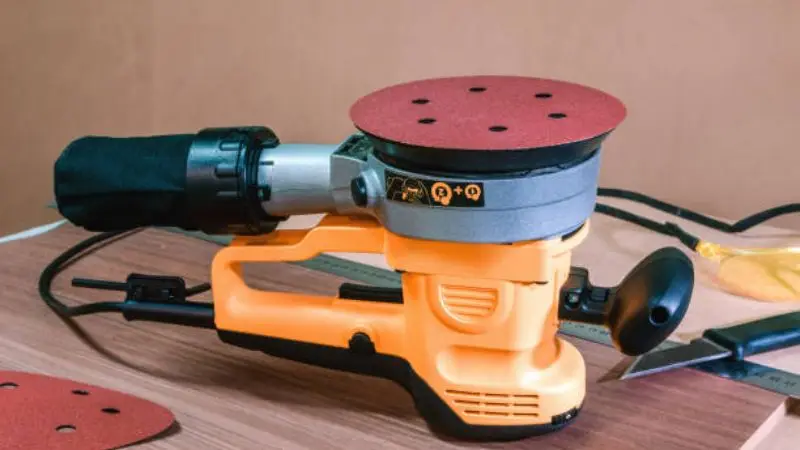
Foam sander pads will help you achieve a smooth, even finish on a variety of surfaces. They can be used for auto body work, woodworking, or home repairs. Foam pads are commonly used as orbital sander pads for car paint because they help to avoid deep scratches.
How Foam Orbital Sander Pads Work
The foam layer is placed between the orbital sander and sandpaper when you attach a pad of foam to it. As you press down, the foam will compress. The pad will follow the contours of the surface. This allows you to sand flat surfaces, curves, and edges without the risk of gouging. Foam absorbs vibrations, allowing your hands to feel less fatigued during long sanding tasks.
Use foam pads to achieve a smooth, fine finish on painted or wood surfaces.
Pros of Foam Orbital Sander Pads
Foam pads are a great choice for sanders.
- The result is a finish that is smooth and free of swirls.
- The adaptability of the swivels to uneven surfaces and curves is remarkable.
- By absorbing vibration, they reduce fatigue.
- These sanding discs are great for finishing and detailing.
Tables can be used to help you understand the benefits:
| Benefit | Description |
| Smooth Finish | Leaves fewer marks on surfaces |
| Flexibility | Follows curves and edges easily |
| Comfort | Less vibration for your hands |
Cons of Foam Orbital Sander Pads
Foam pads have other disadvantages that you should be aware of:
- These pads wear out more quickly than rubber ones.
- These tools may not be suitable for heavy-duty material removal.
- If you catch the edge or press too hard, they can tear.
You may want to use a different pad if you have to remove a large amount of material or smooth rough surfaces.
What Are Rubber Orbital Sander Pads?
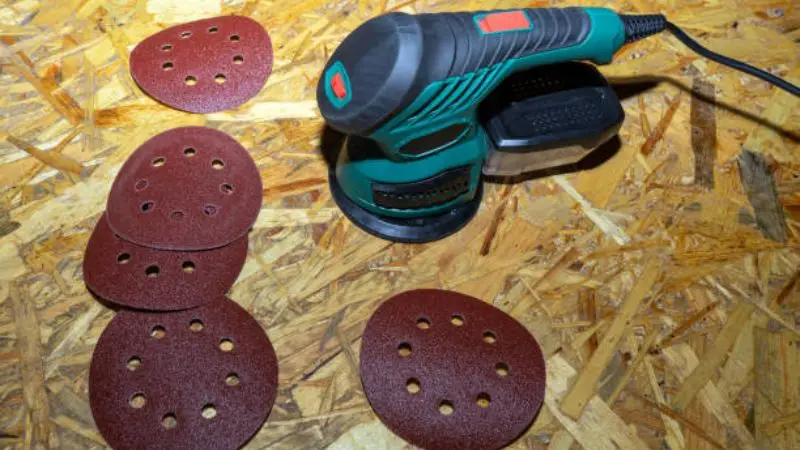
Rubber orbital sanders provide a stable and strong base for sanding. Use them to remove large amounts of material, or when working on rough surfaces. Rubber pads are often chosen as orbital sander pads for metal polishing when consistent pressure and durability are required. The pads are made with a thick layer of rubber that holds the sandpaper firmly and flat. This design allows you to maintain control and achieve even results on even the toughest jobs.
How Rubber Orbital Sander Pads Work
The rubber layer is placed between the tool and sandpaper when you attach a pad to a sander. Rubber does not compress very much. The pad will remain flat and rigid while you sand. Rubber pads are resistant to tearing or bending, so you can press harder without fear of damaging them. Rubber pads are a great choice for heavy-duty sanding and leveling uneven surfaces.
Rubber pads are ideal for removing paint, sanding rough wood, or removing rust from metal.
Pros of Rubber Orbital Sander Pads
Rubber pads are a great option for orbital sanders.
- These pads last much longer than foam.
- These machines are able to handle rough surfaces and tough jobs.
- You can sand more evenly with them.
- The material is resistant to tearing and damage.
Rubber pads are often preferred as long-lasting orbital sander pads for extended or demanding sanding projects.
Here are the main benefits.
| Benefit | Description |
| Durability | Stands up to heavy use |
| Control | Keeps sandpaper flat and steady |
| Versatility | Works on wood, metal, and paint |
Cons of Rubber Orbital Sander Pads
Rubber pads have their own downsides.
- The curves and detailed shapes are not well-suited to them.
- If you press on them too hard, they can leave marks.
- Because they don’t absorb vibration, they may cause hand fatigue.
Choose a different pad if you are sanding a delicate or curved surface.
Foam vs Rubber Orbital Sander Pads: Key Differences
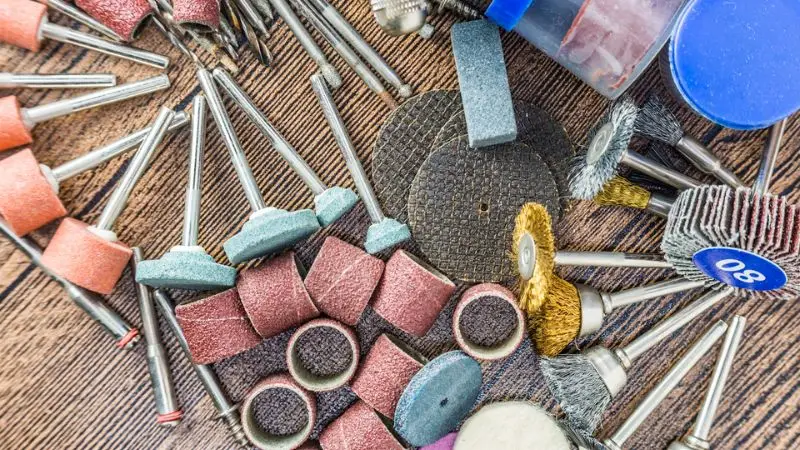
Here are the key differences between foam vs rubber orbital sander pads. It will make your selection process easier.
Flexibility and Surface Adaptation
You need sanding pads to match the shape of your project. Foam sanding pad bends and flexes. Use a sanding foam pad for corners, curves, and edges. The foam allows the sanding pads to hug the surface. You can avoid scratches and gouges when you sand drywall with sander. Rubber sanding pads stay stiff. Rubber sanding pads give you a flat and even surface. Rubber sanding pads are great for flat metal or boards. A foam sanding block is better for detailed work.
Pick a foam pad to sand surfaces that are rounded or uneven. Rubber sanding pads are best for flat and tough jobs.
Durability and Longevity
Your sanding pads should last. Rubber sanding pad resists wear and tear. Rubber sanding pads are suitable for many heavy-duty tasks. Foam sanding pad wears out more quickly. A foam sanding sheet can tear if you apply too much pressure. A foam sanding pad may need to be replaced more frequently. Rubber sanding pads are great for long projects. They save you money and time.
Sanding Performance and Finish Quality
A foam sanding block will give you a smooth surface. The foam makes the sanding pads glide smoothly over the surface. There are fewer swirls. Foam sanding pads are great for completing wood or painting. Rubber sanding pads remove material fast. Rubber sanding pads are used to remove paint or smooth rough wooden surfaces. Rubber sanding pads can make the finish look rougher. A foam sanding block is better for fine work.
| Sanding Pad Type | Best For | Finish Quality |
| Foam | Curves, finishing | Smooth, clean |
| Rubber | Heavy removal, leveling | Rough, even |
Cost Comparison
You’re looking to cut costs when you buy a sanding block. At first, foam sanding pad prices are lower. Foam sanding pads may wear out, and you will need to buy more. Rubber sanding pads are more expensive, but you will buy fewer over time. Consider your project. Rubber may be a good option if you have to buy many sanding pads.
Which Orbital Sander Pad Is Best for Your Project?
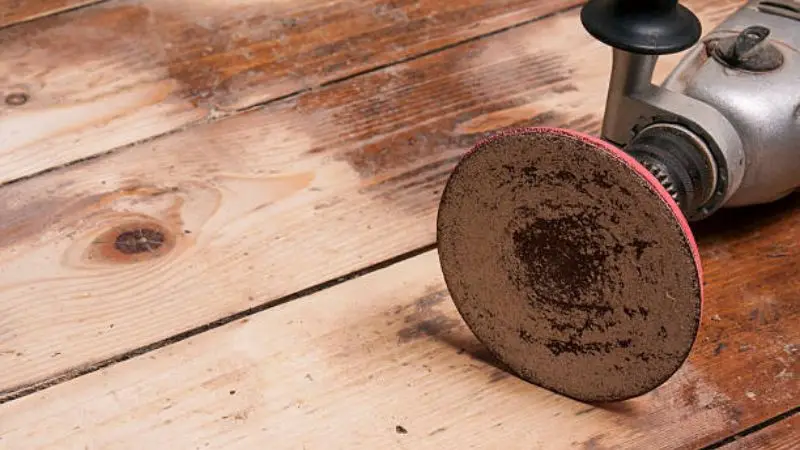
There are different types of orbital sander pads designed for specific tasks. Choosing the right pad improves your sanding efficiency.
Best Orbital Sander Pads for Woodworking
You want smooth, even results when you are working with wood. Foam abrasives help you get a fine finish. Use a foam pad to sand edges and curves with an orbital sander. Foam with a soft density can be bent to fit around shapes and details. It is easy to avoid scratching. Sanding sponges can also be used to reach hard-to-reach areas. For the final pass, many woodworkers use random-orbital sanders with foam abrasives. Try using rubber or foam pads with a high density if you have to remove large amounts of material. These types of sanding pads are best used for leveling boards. Foam orbital sanders are the best choice for most woodworking applications.
Use hard-density foam for shaping or leveling and soft-density foam for finishing tasks.
Best Orbital Sander Pads for Auto Body and Paint Prep
A gentle touch is required when working on auto bodywork. Avoid swirl marks and deep scratching. You can sand paint or primer with foam abrasives and an interface pad made of foam. Foam with a soft density works well for curved car panels. You can reach difficult spots around trim with sanding sponges. For paint preparation, many auto body shops use random-orbital sanders and foam abrasives. Use rubber or foam pads with a high density for heavy sanding. These types of sanding pads remove rust and old paint quickly. Foam orbital sanders are required for most auto body sanding jobs to achieve a clean finish.
| Task | Best Pad Type |
| Paint Prep | Soft density foam |
| Rust Removal | Hard density foam |
| Detail Sanding | Sanding sponges |
Best Orbital Sander Pads for DIY and Home Projects
Many DIY projects use a variety of sanding pad types. Most home repairs can be done with foam abrasives. Use a foam pad in conjunction with an orbital sander for sanding furniture, doors, or trim. Foam pads also work well as orbital sander pads for drywall, especially when smoothing patched areas and joints. You can avoid gouges by using a soft-density foam. Sanding sponges work well for corners and smaller spaces. Try rubber or foam pads with a high density if you want to remove old paint. Random orbital tools are a great way to sand faster and more efficiently. Foam orbital sanders are the most comfortable and effective for DIY sanding.
It is a good idea to have several different types of sanding pads on hand. You can finish your project more quickly and achieve better results.
Common Mistakes When Choosing Orbital Sander Pads
You want to get the best results from your orbital sander when you choose a pad. Simple mistakes can lead to poor results or a waste of money. By learning to avoid common mistakes, you can prevent these issues.
1. Using the Wrong Pad for the Job
When you grab any pad and begin sanding, it can be a problem. Foam pads are best for smooth surfaces and curved surfaces. Rubber pads are best for heavy-duty sanding or flat surfaces. You may damage your project if you use the incorrect pad.
Match the pad type with your task. Consider the surface to determine if flexibility or strength is needed.
2. Ignoring Pad Condition
The pads that are damaged or old do not perform well. Swirl marks or uneven sanding may be visible. Even if your pad has tears or worn areas, it can damage the workpiece. Before using, check your pad every time.
3. Overlooking Comfort and Vibration
Some pads vibrate more than others. Your hands can get tired if you use a rubber pad that is stiff for a prolonged period of time. Rushing can lead to mistakes. Foam pads are more effective at absorbing vibrations and provide a better feel for long-term jobs.
4. Not Replacing Pads Often Enough
It is possible to save money if you use pads until they are worn out. The worn pads will not sand as evenly. Spend more time correcting mistakes than sanding.
Here is a quick table to help you remember:
| Mistake | What Happens | How to Avoid |
| Wrong pad type | Poor finish, wasted pads | Match pad to project |
| Worn-out pad | Uneven sanding, damage | Inspect before use |
| Ignoring comfort | Hand fatigue, mistakes | Choose right material |
| Not replacing pads | Bad results, more work | Change pads regularly |
It is important to take a moment and choose the correct pad. Also, check that it’s in good condition. You’ll get better results, and you’ll save time.
Conclusion
Now you know how to use the orbital sander pads. Foam pads are best for curved surfaces and smooth surfaces and are great for finishing wood, painting, and auto bodywork. Rubber pads are best used for heavy sanding or flat surfaces and can handle heavy-duty jobs.
Before you decide, consider your project requirements. You can save time and get better results with the right pad.
FAQ
What grit sandpaper works best with foam pads?
Use foam pads and sandpaper of fine or medium grit. For finishing and smoothing, grits like 120, 220, or 320 are ideal. These grits can be used with foam pads to avoid deep scratches.
Can you use rubber pads for curved surfaces?
Rubber pads are not easily bent. It may be difficult to sand detailed shapes or curves with them. Foam pads are better for uneven or curved surfaces.
How do you know when to replace your sander pad?
Before using, check your pad. Replace the pad if you notice tears, worn areas, or if it feels too soft, too stiff, or has worn spots. You get better results with a new pad.
Are foam pads safe for sanding painted surfaces?
Yes, foam pads work best on painted surfaces. These pads help to avoid scratches and provide a smooth surface. For best results, use light pressure with fine-grit sandpaper.
Do rubber pads fit all orbital sanders?
Most rubber pads fit standard orbital sanders. Before buying a pad, you should measure the size and shape of your sander because some sanders need special pads.