Cutting and crimping tools remain at the heart of electrical installation projects. Setting up a secure and efficient electrical setup requires skilled installation with the use of quality tools. From designing a system for a commercial or residential space, using the correct tools helps set up safe and optimal connections.
This guide explains all about these tools, how they work, their types, advantages, and practical uses in daily tasks, so you can make the most of them. Let’s start exploring!
Why are crimping tools important?
Crimping tools are necessary for safe installations. If the devices are of good quality but the connections are poor, it can cause overheating or even system failure. Proper crimping avoids these risks and ensures consistent working.
Various types of crimping tools
There are several types of crimping tools for different materials and tasks. Each type is unique and offers specific advantages depending on the work and applications.
Understanding these categories helps you in selecting the most effective type for your needs. Mainly, these types are hand models, ratchet designs, and speciality versions.
Hand crimpers
Hand crimpers are the basic type, and they are the simplest ones, ideal for fundamental electrical tasks. These tools depend on manual force that users apply through handles. They squeeze the handles to compress the connector onto the wire, which directly controls beginners learn proper crimping technique.
Pros
They are easy to use and affordable; therefore, remain a beginner’s choice. Hand crimpers are ideal for small-gauge wires and light jobs. Simple installation and home wiring appliances repairs often use this type. Most beginners start with hand crimpers because of their simple use and low cost.
Cons
They need more hand power as compared to other crimping tools. If the pressure is not evenly applied, the results may vary. These tools are not suitable for heavy and thick cables.
Best for
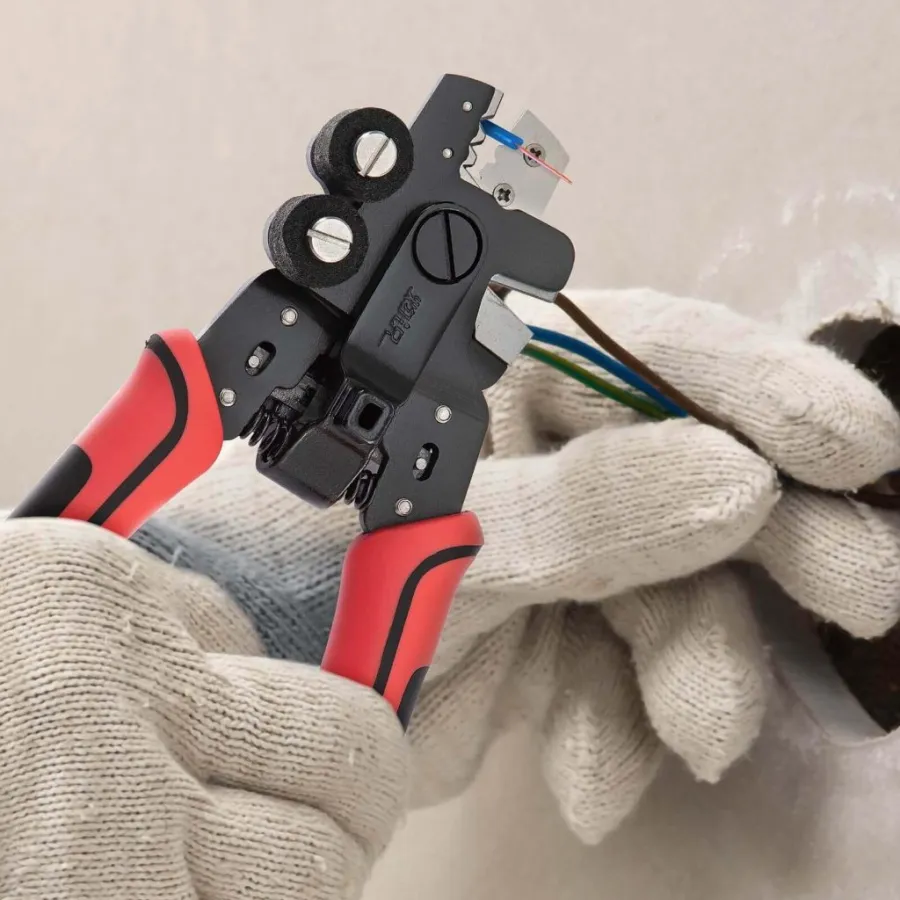
Hand crimpers are ideal for small-gauge tasks and light electrical work. They are used for basic projects, like small home repair tasks and installations. Many of the basic crimping tools for the household fall in this category. A beginner crimping tool basically includes a hand crimper with fixed jaws for common connectors, making it practical for DIY users.
Ratchet and hydraulic crimpers
It is a more advanced crimping tool with a built-in locking system. These crimpers require full compression, otherwise, it will not release. It gives assurance of consistent and secure crimps every time.
In ratchet crimpers, a locking mechanism works to ensure full compression before release. Due to this, consistent crimps are formed with less effort. They are mostly used in networking and electrical work.
Pros
These crimping tools reduce hand effort and enhance accuracy, and are mostly used in data cable installation and electrical panels. They are preferred by professionals for repeated, accurate results.
Cons
They are more costly than basic crimping tool list. Hydraulic crimps are heavier and need more space for storage. Maintenance is required for professional tools like this.
Best for
Hydraulic crimpers are used for heavy-duty tasks. They use fluid pressure to crimp sturdy and thick cables accurately. Most professionals prefer this tool for industrial and large projects.
Industrial electricians use hydraulic models for large projects, especially when reviewing types of crimping tools. This type is most frequently used among professionals due to its sturdiness.
Speciality crimping tools
As the name indicates, these tools are specifically made for some connectors or industries. For example, fiber optics, coaxial connectors, or terminals with unique shapes. Their main advantage is precision.
Pros
These tools are essential for accurate results because it directly impacts their performance. These tools are required in communication systems and networking for reliable signal transfer. They improve safety and long-term connections.
Cons
They have limited use outside their intended application, and purchasing multiple tools can be costly as well. These are not suitable for beginners due to their limited versatility.
Best for
Many users choose this type of crimping tools for plumbing. They are used for making fittings in water and heating systems. Proper crimps are necessary to avoid leaks and long-term durability.
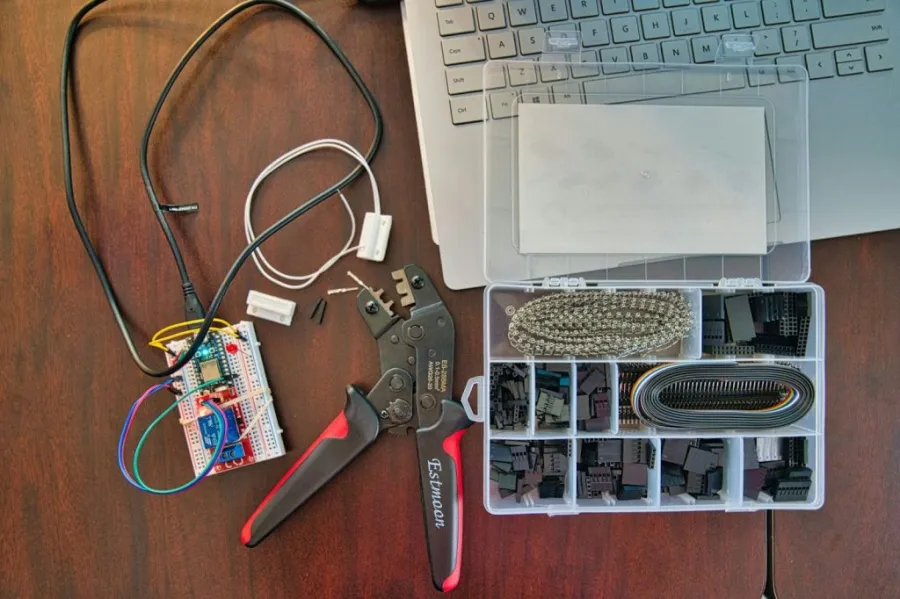
There are some users who depend on a crimping tool set that includes multiple dies for various connectors. This feature gives the advantage of flexible use without buying separate tools. It helps improve efficiency and flexibility.
Key features to look for in crimping tools
When buying a crimping tool look for comfort and build quality.
- Consider ergonomic handles as they reduce hand fatigue during long hours of work.
- A sturdy steel body makes it more durable.
- If you buy interchangeable dies, they add versatility and value to the device.
- Accurate size markings help in preventing incorrect crimps.
These features are important to consider before investing in a crimping tool.
Maintenance tips for crimping tools
Proper care is essential for extending the life of crimping tools. Follow these steps for maintenance:
- Clean the jaws after each use to remove residue and debris
- Lubricate lightly to prevent rust and corrosion
- Store in a dry place
- Avoid dripping the tool
Following these basic and easy techniques for maintenance, you can save your tools longer.
FAQs
Can crimping tools be used for all wire sizes?
No, each tool has a different wire size range for various requirements. If you use the wrong size, it can damage the connector or wire. Better to check specifications before using.
Are crimped connections stronger than soldered ones?
Yes, they are better in many applications. Crimped joints prove to handle vibrations better and they don’t depend on heat. This quality makes it ideal for industrial and automotive projects.
How do I know which crimping tool is right for me?
You should consider your project type, wire size, and frequency of use. If you are an occasional user, you need simple tools. İf you are a professional, you require advanced options.
What are common mistakes when using crimping tools?
Commonly, beginners and professionals make use of incorrect wire stripping, wrong die selection, and incomplete compressions. Use proper techniques to avoid weak connections.
How long do crimping tools last with proper care?
İf you do proper cleaning and correctly use quality tools, your crimping tool can last for years. Professional-grade tools usually last longer.
Conclusion
Being the heart of many electrical devices, crimping tools help create strong and efficient connections across many areas. They provide stable connections and ensure precise results. Understanding their types and uses helps you to make informed decisions in important projects.
We hope this guide helped you out in knowing everything about the best crimping tools required for your work. By using the right tools and applying proper care tips mentioned above, you can achieve professional results and long-lasting output in your DIY or industrial tasks.