When it comes to wiring up hardware or building a secure connection, one thing that can make a huge difference is crimping tools. By the name, it may feel like a small step, but improper crimping can lead to intermittent faults or even entire system failures.
If you are new to wire crimping and don’t know how to use crimping tools and take advantage of this worthy tool, we are here to guide you with this comprehensive piece of writing. Here is everything you want to know about crimping!
How crimping tools work
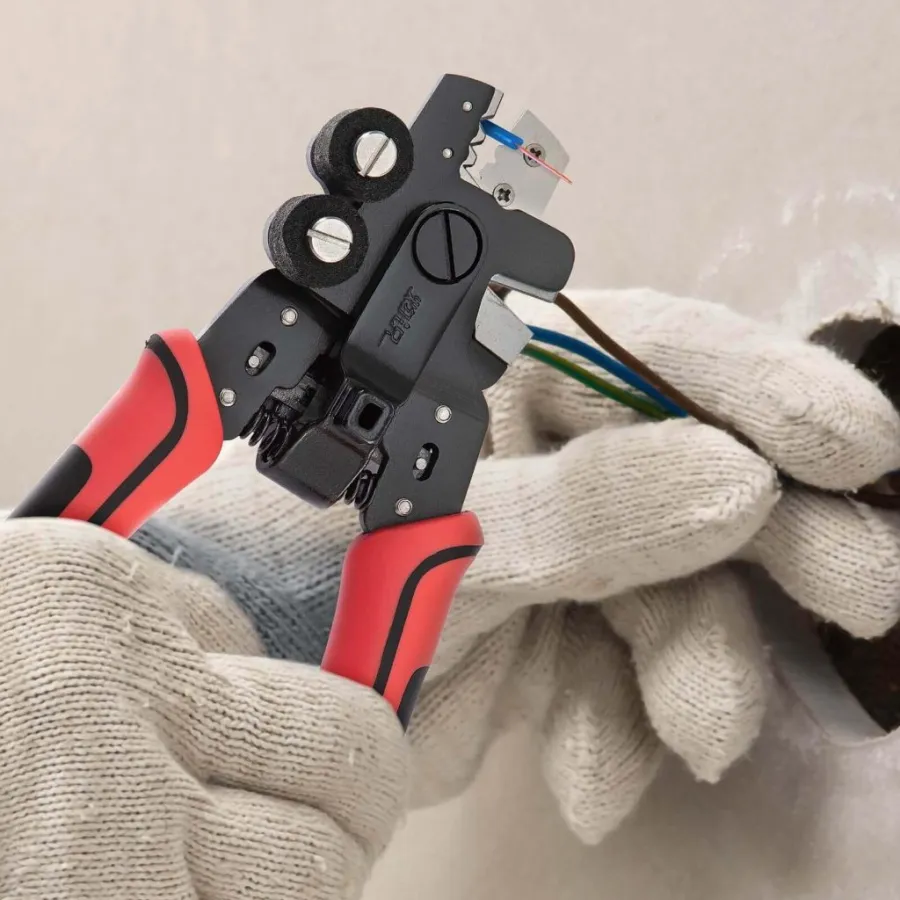
Crimping is the action of pressing a metal terminal around a wire using a special tool, like a pipe wrench, to form a compact mechanical or electrical connection. The pressure creates a sturdy bond through which electric current can flow smoothly.
The tool closes to reshape the connector to match the size of the wire. Its purpose is to make a firm contact without damaging the wires. Accurate crimping is necessary for low resistance and durable connections.
There are a variety of crimping tools, and each one applies pressure in a unique way. Hand models depend on a strong grip, and on the other hand, ratchet models automatically apply even force. The principle remains the same in all situations.
Tools and materials needed
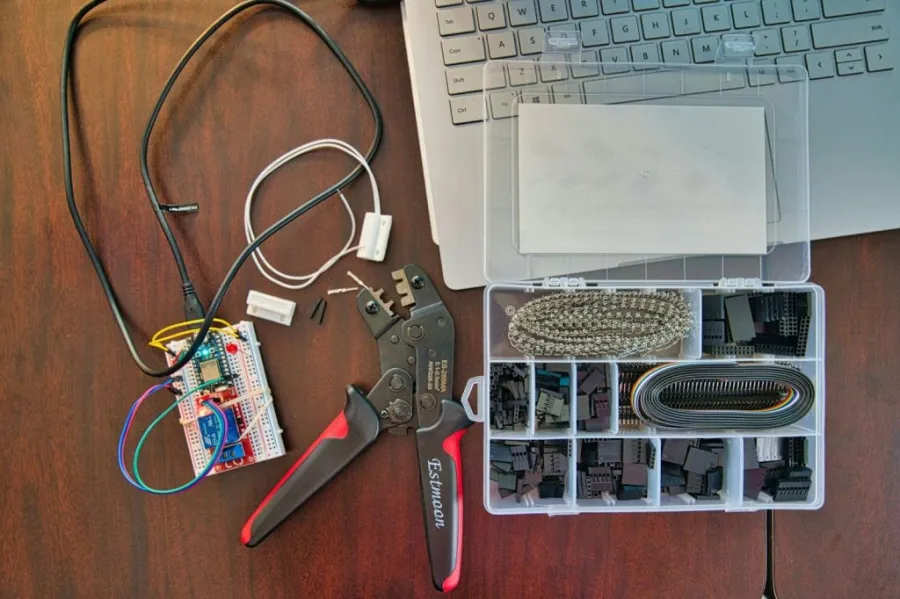
There are different kinds of crimping tools specified for various applications. Some of these are:
- Wire crimping tools: They are designed for attaching connectors to electrical wires
- Coaxial cable crimping tools: They are used to crimp connectors onto coaxial cables for data transmission and audio-visuals
- Network crimping tools: They are designed for Ethernet cables, and they help in creating trustworthy network connections
- Modern plug crimping tools: They are used for crimping connectors onto modular plugs, such as in telephone cables
Wire types and connectors
Different kinds of wires come in variable sizes and materials, but the most common is copper due to its conductivity and flexible nature. Aluminium wires need special connectors and more care.
When choosing wires and learning how to crimp two wires together, keep in mind that the connectors should match the wire gauge. Using the wrong sizes leads to weak connections, causing safety hazards. Common connectors are ring terminals, butt connectors, and spade terminals.
Check the rating of these connectors before utilising them to ensure compatibility with voltage and current needs.
Safety gear and workspace setup
Crimping wire setups require safety, so never ignore safety gear.
- Wear insulated rubber gloves when working on electrical components.
- Eye guards are necessary for protection against accidental shocks or hazards.
- Keep your workspace dry, and there should be enough light in the area.
- Keep the workspace neat and organised to avoid cluttering of wires.
- Shut off the power supply before working.
- A stable surface maintains control during crimping.
Selecting the right crimping tool
There are various kinds of professional crimping tools, and each one is designed for specific needs. Some of them handle open barrel connectors, while others are specific to insulated terminals. Choosing the right one affects the quality of your performance.
For beginners, ratchet tools are ideal because they prevent undercrimping by releasing only after full compression. If you are a professional, you can work with manual tools for more speed and adaptability.
How to use crimping tools step by step
Follow these steps to break down the process into a simple method:
- Cut the wire neatly to the desired trimmed length
- Without cutting the wire strands, strip the insulation precisely.
- Length of exposed wire should match the connector depth
- Insert the stripped wire into the connector in such a way that it reaches the stop
- Position the connector in the correct die of the crimpers. Make sure the alignment is proper before compressing
- Steady pressure should be applied until the crimping is done
- Remove the connector and tug the wire gently to check the connection. If it doesn’t move, it means it is secure
- Inspect the crimp carefully to ensure that it is evenly compressed without sharp endings
Common mistakes to avoid when learning how to use crimping tools
Most beginners make these mistakes that result in serious issues.
- Choosing the wrong size of connectors
- Large connectors give weak bonds
- Small connectors damage the wire
- Incomplete crimping is another common blunder to avoid. It happens when pressure is released earlier. Use a ratchet tool to avoid this
- Ignoring inspection makes the process risky for danger. Check the strength and appearance before proceeding further
- Do not crimp over an insulated surface
Tips for professional-quality crimps
The same method is used for every connection, but consistency is the key to getting professional results. It enhances reliability throughout the process.
Apply steady and uniform pressure smoothly onto the wires. Rushed work leads to poor crimps and misalignments. Before starting, practice on spare wires to get accuracy. This practice increases confidence.
Learning how to use crimping tools properly takes time, and with patience, you get worthy results.
Applications of crimping tools
Crimping tools are an essential part of electric equipment. They are used across many industries because of their reliability in permanent connections.
There are different connectors for various applications.
Electrical wiring connections
Residential and commercial wiring setups require crimped terminals for safety. Commonly, they are used in switchboards, appliances, and lighting systems.
Proper crimping prevents overheating and arcing. The result is improved efficiency and safe workflow. Electricians depend on crimping tools for speed and consistent performance.
Networking and data cables
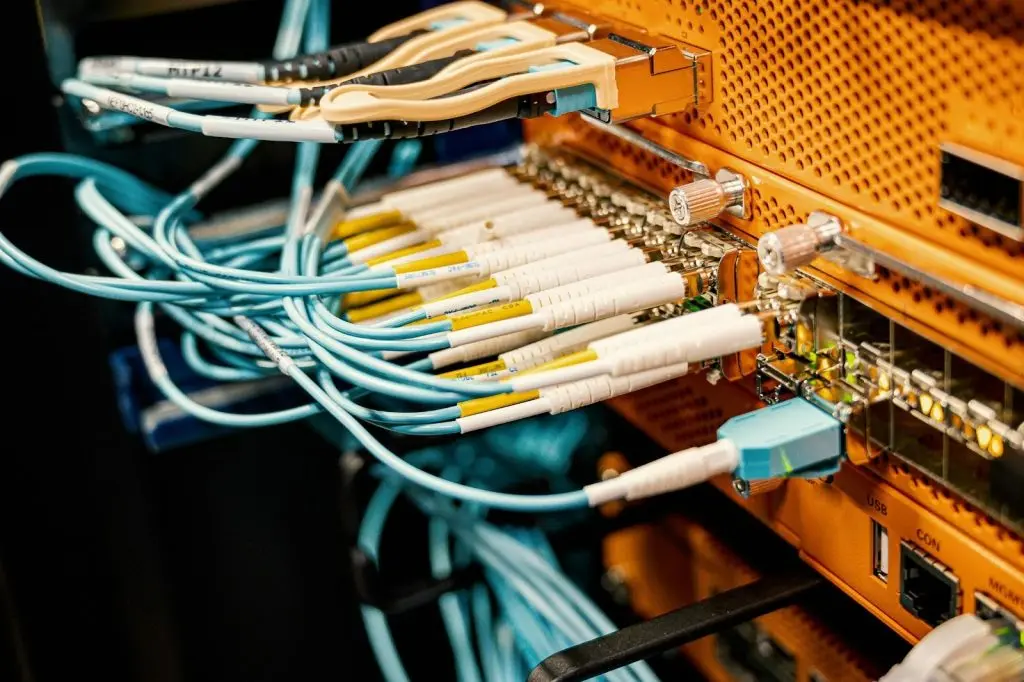
In data cables precise connection is necessary for stable signal quality. Crimped connectors are preferred for Ethernet and telecom wiring, and accuracy is so important for data transmission that even a small error can affect its performance. For this reason, specialised tools are designed for networking.
Automotive and industrial wiring
Vehicle and industrial settings are highly movable, therefore sturdy wiring systems are needed in these situations. Crimped connections are ideal as they withstand vibrations and temperature fluctuations.
Crimping tools are used by automotive experts for control modules, battery terminals, and sensors. In industries, they are helpful in heavy-duty tasks.
Maintenance and care of crimping tools
Whatever the tool is, proper care and maintenance are required for longevity, especially in learning how to use crimping tools.
- Clean the jaws regularly and remove dust and debris
- Lubricate the moving parts lightly so that they operate fluently. Avoid excessive oil as it attracts dust.
- Store crimping tools in a dry place
- Inspect for performance periodically for any damage
FAQs
Can anyone use a crimping tool?
Yes, anyone with basic information can use them. Practice daily to improve consistency and confidence.
How do I know if a crimp is secure?
A secure connection will not shake when you pull it gently. It looks evenly compressed without any cracks.
Are crimped connections stronger than soldered ones?
Yes, mostly they are. Crimped connections can tolerate vibrations better than others, and they are faster to install.
Which connector types work with crimping tools?
Open barrel and ring spade butt work with crimp tools. Make sure the connector matches the tool when learning how to use crimping tools.
How do I maintain my crimping tools?
Clean it regularly and inspect for wear and tear periodically. Avoid exposure to moisture, as it can corrode them.
Conclusion
Your safety and the quality of electric connections depend upon good crimping. Using the correct tools with preparation tips and care, you can achieve success in making strong and durable connections every time.
If you are new to crimping or even an expert, this article has brought valid information for learning how to use crimping tools so that you work like a pro and get accurate results.