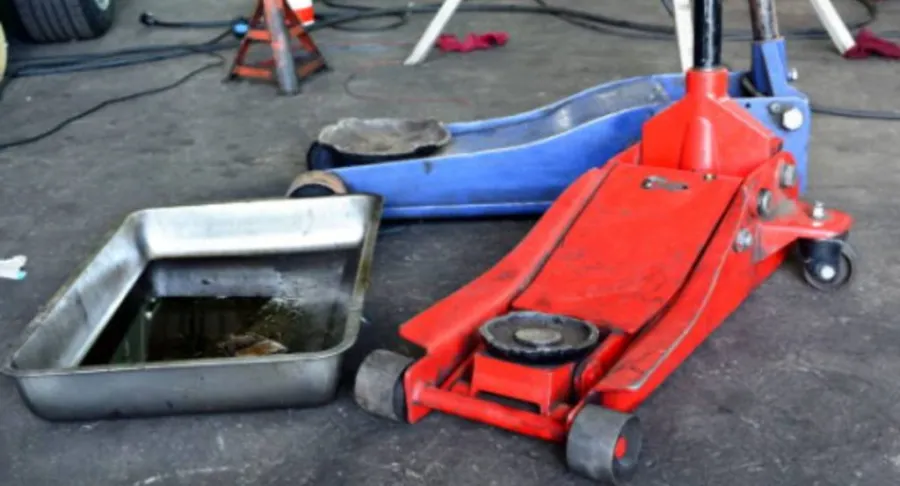
If you are looking for how to add hydraulic fluid into a floor jack, then grab the correct hydraulic fluid and a few basic tools. Check your hydraulic fluid every time you use your jack. If you skip adding hydraulic fluid, your jack might fail. How to safely add hydraulic fluid to your floor jack.
This step-by-step guide to adding hydraulic fluid to a floor jack will show you how to add hydraulic oil to a floor jack. You can keep your floor jack in good condition by learning how to add hydraulic oil to it. It is important to know how to add fluid to your floor jack to protect you and the tools.
What is Hydraulic Fluid and Why It Matters for Floor Jacks
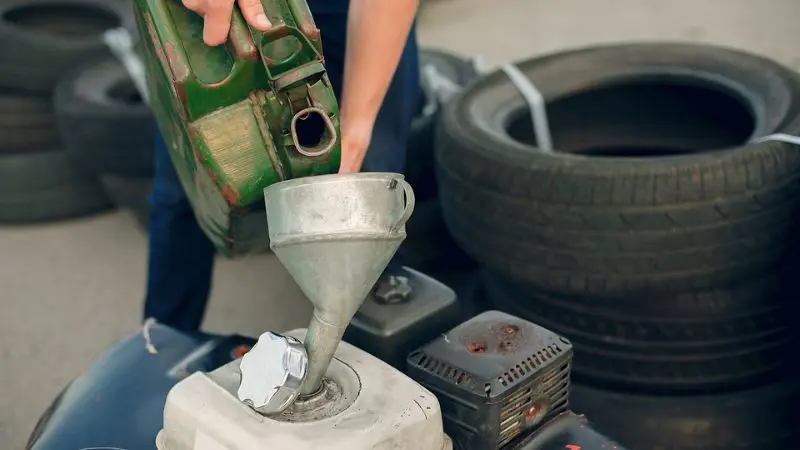
You may wonder why hydraulic fluid for your hydraulic Jack is so important. Your jack is powered by hydraulic fluid. It allows you to lift heavy loads easily. The fluid in a hydraulic jack creates pressure. This pressure allows you to safely raise your vehicle or equipment.
Hydraulic fluid is more than just a lifting aid. The fluid keeps your hydraulic jack’s interior smooth and free of rust. Your jack may become stuck or stop working if you don’t check the hydraulic fluid. Do you want your hydraulic jacks to last for a long time? The right amount of fluid is essential to ensure that it always works and supports proper floor jack maintenance.
What does hydraulic fluid do for your hydraulic jack?
- You can use this force to lift heavy objects.
- Lubricates the moving parts of the jack.
- Protects metal against rusting and wear.
- The hydraulic jack will continue to work smoothly.
Use only the fluid that is recommended in your manual. If you use the wrong fluid, your hydraulic jack can be damaged. Understanding the correct hydraulic jack fluid type helps you prevent performance issues.
Here’s an overview of how hydraulic fluid can help your hydraulic jack.
| Benefit | Why It Matters for Your Hydraulic Jack |
| Pressure Creation | Lets you lift heavy loads |
| Lubrication | Stops parts from grinding |
| Rust Protection | Keeps Jack working longer |
| Smooth Operation | Makes lifting easy and safe |
Regularly check your hydraulic. If you notice leaks, add more hydraulic fluid. This simple step will keep your hydraulic jack safe and strong.
Tools and Materials Needed to Add Hydraulic Fluid
Here is the list of essential tools and materials that are needed when you add Hydraulic Fluid safely and without any leaks.
Required Tools
You can add hydraulic fluid without special tools. These items are usually found in most people’s homes. Here’s a quick list to get you ready:
- Use paper towels or clean rags
- Small pry tool or flathead screwdriver
- Funnel tip with a narrow width
- Drain pan (if removing old hydraulic fluid is your goal)
- Safety gloves
Keep your workspace neat. Clean off any dirt before opening your hydraulic jack. Pour hydraulic fluid with a funnel to avoid a mess. Drain pans are great for catching old hydraulic fluid. Wear safety gloves when handling hydraulic fluid.
Keep extra rags on hand. Hydraulic fluids can leak and become messy.
Choosing the Right Hydraulic Fluid
You must choose the correct hydraulic fluid for your hydraulic Jack. It is not enough to use any oil. Can you use any hydraulic fluid in a floor jack? No, you must use hydraulic fluid according to the manufacturer’s instructions. The manual of your hydraulic jack will tell you what type to use. ISO 32 or ISO 46 fluid is used by most hydraulic jacks. This information can be found on the product label or online.
Here’s a quick guide to help you choose:
| Hydraulic Jack Type | Recommended Hydraulic Fluid |
| Standard Floor Jack | ISO 32 |
| Heavy-Duty Hydraulic Jack | ISO 46 |
| Bottle Jack | ISO 32 or ISO 46 |
Mixing different types of fluid can damage your hydraulic jack. Before doing this, ask someone who is familiar with the product or consult the manual if you’re not sure. The right hydraulic fluid will keep your hydraulic jack safe and strong.
Step-by-Step Guide: How to Add Hydraulic Fluid to a Floor Jack
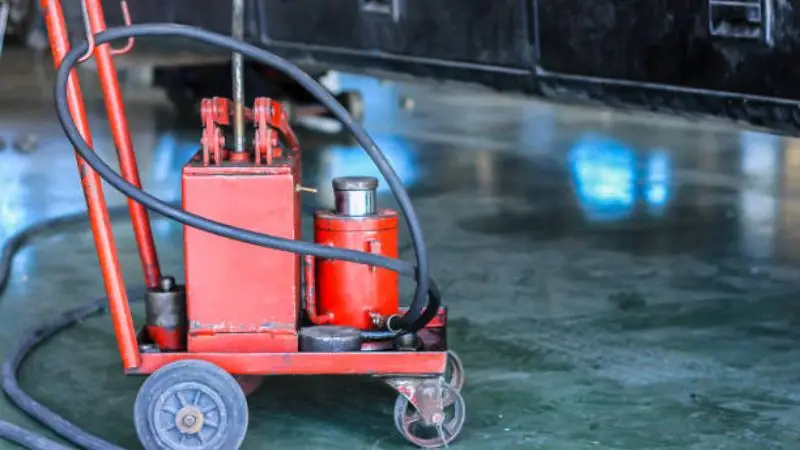
Here is the step-by-step guide on how to add hydraulic fluid to a floor jack. It helps prevent lifting issues and extends the lifespan of your jack.
Step 1 – Prepare the Floor, Jack
First, get your tools ready. Placing your hydraulic jack flat on the surface is very important. Assure that it is firmly in place. Remove any kind of grease or dirt. Before you fill up a hydraulic jack, make sure the area is clean. Before starting, wear the gloves.
Step 2 – Locate the Hydraulic Fluid Reservoir
Find the small screw or plug on your hydraulic Jack. You fill the hydraulic jack here. It is usually located near the base of most jacks. Open it with a screwdriver. This is where you can find out how to fill up a hydraulic jack.
Step 3 – Drain Old Fluid (If Necessary)
The use of old hydraulic fluid may cause issues. Under your hydraulic jack, place a drain pan. Remove the plug to let the hydraulic fluid drain. Wipe down the area using a rag. Before you refill a hydraulic jack, make sure there is no dirt.
Step 4 – Add New Hydraulic Fluid
Grab your funnel and fill the reservoir with new hydraulic fluid. Slow down. Do not spill. Fill up a hydraulic jack by pouring the fluid until it reaches the fill level. Pour the fluid until it reaches the fill line.
Step 5 – Bleed Air from the Jack
Your hydraulic jack can become weak if it is filled with air. It is important to remove the air. The handle should be pumped several times. Open the release valve, and allow the jack to fall. Repeat the process step-by-step. This step-by-step procedure will help you bleed out air.
Step 6 – Test the Floor, Jack
Close the reservoir plug. Pump the handle. Lift a light load. Be sure to watch how the hydraulic jack operates. You did it correctly if it feels solid. If it doesn’t, you can check the level of hydraulic fluid and then repeat the process.
After filling a hydraulic jack, immediately check for leaks. If you see leaks, it means that something needs to be fixed before you use your hydraulic jack.
Common Mistakes to Avoid When Adding Hydraulic Fluid
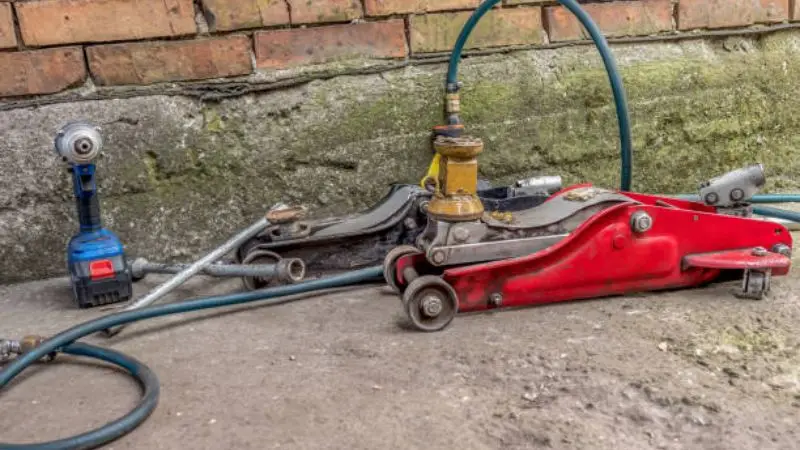
By avoiding a few common errors, you can stay safe while keeping your hydraulic jack in good condition. Here are some things to watch out for.
Overfilling or Underfilling
You may think that more jack-oil means better lifting. This is not true. Overfilling your hydraulic jack can damage seals or cause leaks. Underfilling it will make your jack feel weak, and you may even find that it won’t lift. Check the fill line. Pour slowly using a funnel. Stop pouring when the oil reaches the desired level. You can tell if your jack is too oily or needs more oil if it feels spongy.
Using the Wrong Type of Hydraulic Fluid
Not all oils are suitable for your hydraulic jack. Use the correct hydraulic jack oil. Before you purchase, check your manual. Your jack can stop working or break if you use the wrong oil. You may notice a slow lift or strange noises if you have the wrong oil.
Here is a table that will help you remember.
| Right Oil | Wrong Oil |
| Jack oil | Motor oil |
| Hydraulic jack oil | Brake fluid |
Skipping Air Bleeding
Your hydraulic jack can be contaminated with air. Your jack won’t lift as well if you don’t bleed it. After adding oil, always pump the handle and release the valve. This will keep your hydraulic jack safe and strong for long term.
Note: It is important to add oil after bleeding the air. Don’t skip it!
Floor Jack Maintenance Tips for Longevity
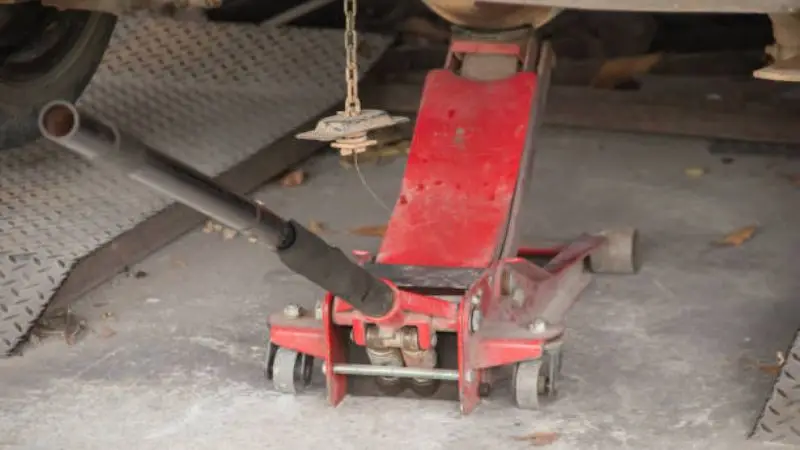
A well-maintained floor jack delivers better stability and lifting power over time. These tips will help you extend the life of your equipment.
Regular Fluid Checks
Your hydraulic lift should work each time. Before every use, check the hydraulic fluid level. Add more fluid if you notice the fluid is dirty or low. This also helps answer how often should you change floor jack hydraulic fluid, which is typically when the fluid becomes contaminated. A fluid that is clean helps lift your hydraulic jack safely and smoothly. Avoid spills by using a funnel. Fix any leaks before you use your hydraulic jack.
Set up a phone reminder to check your hydraulic lift once a month. This simple step will save you trouble in the future.
Keeping the Jack Clean and Lubricated
Your hydraulic jack can be slowed down by dirt and grime. After each use, wipe it with a clean cloth. Attention to moving parts. Use a small amount of lubricant if you notice rust or sticky areas. Use hydraulic jack oils for best results. A clean hydraulic jack will last longer and work better.
Here is a quick cleaning checklist:
- Dust and grease should be wiped off
- Check for rust
- Lubricate moving components
- Check for leaks
Safe Storage Practices
Keep your hydraulic jack dry place. Store it away from chemicals and water. Moisture can cause corrosion if you leave it outdoors. Your hydraulic jack should be placed on a flat surface. Store it flat, never with the handle raised. To release the pressure, lower the handle. To keep dust off your hydraulic jack, cover it with a piece of cloth.
| Storage Tip | Why It Matters |
| Dry location | Prevents rust |
| Handle lowered | Releases pressure |
| Covered with cloth | Keeps dust off |
If you want your hydraulic jack in good condition, store it properly.
Conclusion
Now you know how to add hydraulic fluid to a floor jack and keep it working safely. Check the fluid level and make sure you use the correct type. For safety, make jack maintenance a part of your daily routine. If you are unsure, grab the manual for your jack. Keep your jack in top shape by maintaining it.
FAQ
How often should you check the hydraulic fluid in your floor jack?
Before every use, check the fluid level. If you follow this habit, your jack will be ready to work and safe.
Can you use motor oil instead of hydraulic fluid?
You should not use motor oils. Only use the hydraulic fluid your jack’s manual recommends.
What do you do if your jack still feels weak after adding fluid?
Try bleeding the air again. If your jack still feels weak, check for leaks or damaged seals.