Do you want to know how to charge a car battery safely at home? It’s easier than most people think! With the proper safety equipment, such as gloves and goggles, and some basic steps, you can have your car battery back on track to full power with no stress.
Whether with a battery charger, jumper cables, or even with your car’s alternator, knowing how to charge a car battery is the best approach to make the process safer and more efficient. Paying attention to proper connections, charging modes, and timing makes sure your battery is healthy and your vehicle is ready when you need it most.
- Must Have Tools and Equipment Required for Charging a Car Battery
- Step-by-Step Guide: How to Charge a Car Battery at Home Safely
- How Long Does It Take to Charge a Car Battery? Understanding Charging Times
- How to Charge a Car Battery Without a Charger: Step-by-Step Guide
- Common Mistakes To Avoid While Charging a Car Battery
Must Have Tools and Equipment Required for Charging a Car Battery
Before learning how to charge a car battery, there is a need to be properly prepared. Having the right tools not only makes the process easier but also helps you to prevent damaging your battery or your vehicle. Many problems arise just because the wrong piece of equipment is used or safety measures are ignored. By collecting all in advance, you can charge your battery without any fear.
Understanding each tool can also help you decide the best way to charge a car battery according to your needs. Whether you are charging at home or you have a weak battery, the right equipment makes the entire process smoother.
Understanding The Difference Between A Car Battery Charger And A Jump Starter
Many people are uncertain if they need a charger or a jump starter when they are dealing with a weak battery. A car battery charger is meant to slowly and steadily recharge the battery. This means that it is an excellent choice for those who are looking for a way to safely charge a car battery at home without rushing through the charging process.
A jump starter has a different concept of doing so by supplying rapid energy to start the engine. While helpful in emergencies, it does not completely recharge the battery. In case you’re looking for long-term battery health and reliable performance, then a charger is your better option. Jump starters are also only to be used in the case of an immediate need to start the engine.
How to Select the Right Car Battery Charger for Your Car
Choosing the right charger will be an important component of how to charge a car battery properly. Not all chargers are compatible with every battery, so checking your vehicle’s manual is highly recommended. Car batteries come in different voltage and capacity ranges, and using the wrong charger to charge them can result in a reduction in battery life or damage.
Modern chargers also contain many charging modes and safety features. Select a charger that is suited for your battery. This offers a way to ensure that charging can be done in a stable manner and provides a better idea of how long does it take to charge a car battery under normal conditions. The right charger also lowers the risk of overcharging and overheating.
Important Safety Equipment to Wear When Charging a Car Battery
Safety is a key component to understanding how to safely charge a car battery, which is done at home. Wearing protective gloves and safety goggles to protect you from accidental sparks, battery acid, or electrical contact. Even small errors can result in injury if safety gear is disregarded.
Charging cables should also be examined prior to use. Cables that are damaged or worn can lead to poor connections and pose a risk of short circuits. Using proper safety equipment enhances the environment so that exploring options such as how to charge a car battery without a charger can be done with minimal risks.
Step-by-Step Guide: How to Charge a Car Battery at Home Safely
Learning how to charge a car battery at home is not as difficult a task as many people believe. By following each step carefully, you can get your battery recharged without any risk of damage or injury. Charging your battery at home saves time and can help preserve a long battery life. Here’s a simple step-by-step method to help you through the process.
Step 1: Shut Off Your Car and Find the Car Battery
The first step in how to safely charge a car battery at home is to make sure your vehicle is totally turned off. Remove the key from the ignition and ensure that any electrical components, such as lights and fans, are off. This mitigates the chances of sparks or short circuits during the charging process.
Next, open the hood, and you can find the battery. The battery is in the hood of most cars, but in some models, the battery is kept in the trunk or under a seat panel. If you are unable to locate it right away, check your owner’s manual. Proper preparation at this stage makes the rest of the preparation safer and more efficient.
Step 2: Connect the Charger Cables in the Right Order to the Battery
The second step is safely connecting the battery charger. To begin, connect the red cable to the positive (+) terminal, then connect the black cable to the negative (–) terminal. To make sure you have secure connections is important when charging to work properly and to prevent sparks or damage.
Double-check to make sure the cables are firmly attached before proceeding. The correct connection is extremely critical when learning how to charge a car battery because it ensures that electricity circulates properly and that short circuits do not occur by accident. This step also prepares you for the best way to charge a car battery safely at home.
Step 3: Choose a Perfect Charging Mode for Your Battery
Step three is choosing the right mode for your charger. Most chargers offer slow and fast charging modes; besides, some chargers are automatic, and they determine the battery type. If unsure, go for the slow setting, which is safer and better for the battery’s health.
By using the right mode, your battery can charge well and not get too hot. This step is important while understanding how long it takes to charge a car battery, as the mode has a direct impact on the charging time. Correct settings help to prolong the battery life and also minimize the risk of becoming overcharged.
Step 4: Start Charging the Battery and Monitor the Process
Step four is to take your charger, plug it in, and turn it on. This is the active phase of how to charge a car battery at home. Pay attention to warning lights or anything unusual, as these can be a sign of a problem.
Charging may take quite a few hours, depending on the condition of your battery and the power of the charger. Remaining patient throughout this process is very important. Regularly checking the battery is a great way to ensure a smooth and safe battery charge, making this a key step to keep the battery healthy.
Step 5: Safely Disconnect the Charger After Charging
The last thing is to turn off the charger and also disconnect from the power source. Start by taking the black cable from the negative terminal, then the red cable from the positive terminal. This order reduces the risks of sparks or accidental contact.
Once you are disconnected, secure your hood. Properly ending this step completes the process of how to safely charge a car battery at home and ensures that your battery will be ready to be used. Following each step carefully will help you feel confident that you can charge a car battery without a charger in an emergency.
How Long Does It Take to Charge a Car Battery? Understanding Charging Times
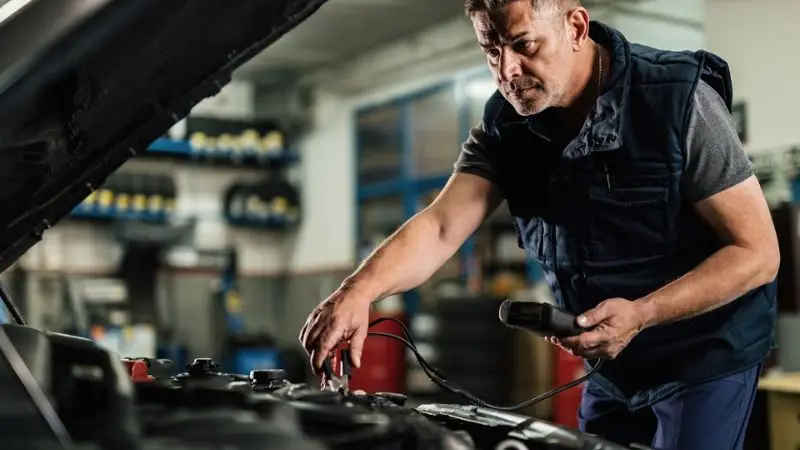
The question that is being asked by many is how long does it take to charge a car battery. The thing is that the time of charging depends upon a variety of factors, including the size of your battery and the type of charger you use. Learning these will make you feel better prepared, as they will guarantee that your battery will last longer.
Regardless of the type of charger, a small charger at home or an emergency fast charger, it is better to know what to expect so you can have a less stressful experience using the charger. Let’s break down the major factors that contribute to charging time.
Charging Time Depending on the Battery Size and Charger Type
The size of your battery is an important factor in answering the question of how to charge a car battery efficiently. Smaller car batteries will usually only take 4 to 6 hours for a full charge, whereas a larger battery for a truck or SUV may take 10 hours or more for a full charge. This is because the bigger batteries contain more energy and take longer to charge up.
The type of charger also impacts the amount of time taken to complete the process. A slow charger takes a long time, i.e., hours, to fill the battery, whereas a higher amp charger fills faster. Choosing the right charger not only has to do with time; it also determines the best way to charge a car battery without the risk of damaging or overheating it.
Fast Charging vs Trickle Charging: Which is the Right Option to Choose
When you are thinking about how to charge a car battery, you have two main options: fast charging or trickle charging. Fast charging provides electricity more quickly, and so it is best if you need to drive soon. However, it can produce heat, which may make the battery life a little shorter if used too often.
Trickle charging, on the other hand, sends a slow and steady flow of power. This technique is gentle for the battery and also helps produce long-term battery capacity, and is safer for charging overnight or longer. Understanding the difference between these methods is what will ensure that you can opt for the safest and most effective method depending on your schedule and the state of your battery.
Tips on Charging a Battery Safely And Efficiently
Charging a car battery can take a lot of patience and attention to detail. Using the proper battery charger, monitoring the process, and the right method of charging will help your battery to last longer. Whether you choose a fast charging option for a quick boost or trickle charging for long-term handling, both have their use for keeping your battery healthy.
By knowing how long it takes to charge a car battery and by taking best practices, you’ll be able to avoid unnecessary battery replacements and ensure reliable performance whenever you need your car!
How to Charge a Car Battery Without a Charger: Step-by-Step Guide
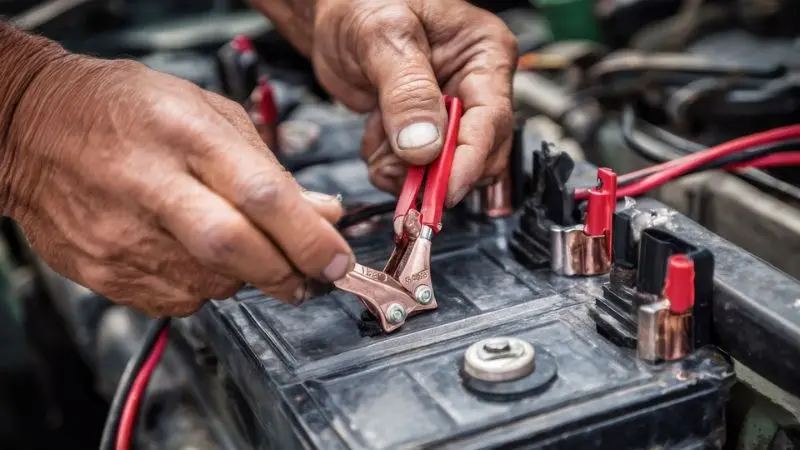
Not everyone has a car battery charger available at home, but you may still get your vehicle up and moving with the help of a simple alternative. Knowing how to charge a car battery without a charger can be a lifesaver in times of emergency. The most commonly used form of assistance is the use of jumper cables and another vehicle with a working battery. With the proper actions, you can not only jumpstart your car safely, but you can even recharge the car battery partially while driving.
Step 1: Prepare the Vehicles and Find Batteries
Start off by parking the car with a good battery very close to the car with the dead battery. Make sure both vehicles have been turned off before raising the hoods. Locate batteries for both vehicles; most are located under the hood, but some may be located in the trunk of the vehicle. The right preparation will avoid accidents and guarantee a safe jumpstart.
This step is critical for anyone who wants to learn how to charge a car battery without using a charger because it ensures that a stable and safe environment is created to transfer power from one battery to another.
Step 2: Connect the Jumper Cables the Right Way
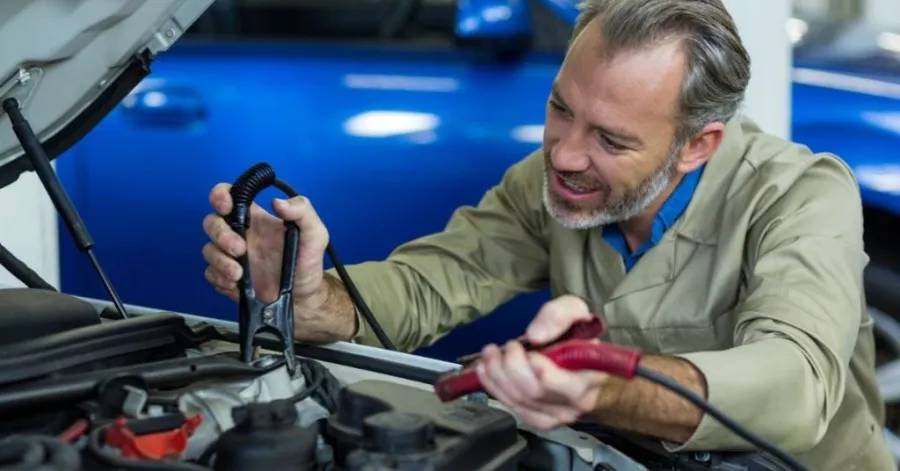
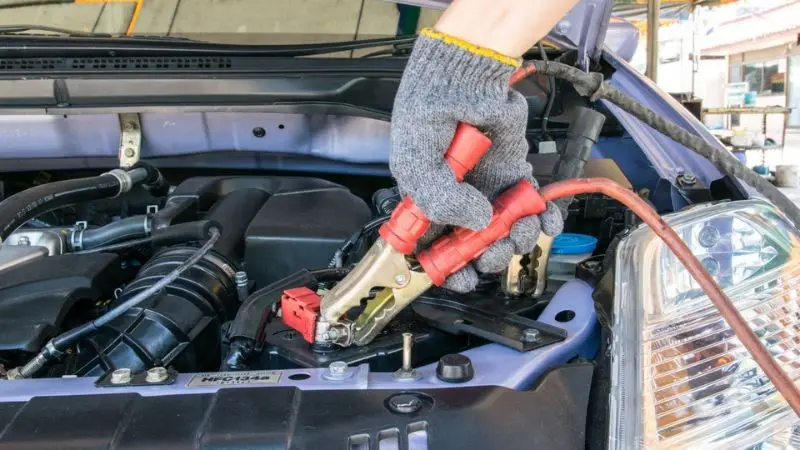
Next is to carefully attach the jumper cables. Connect one red clamp with the positive terminal of the dead battery and the other red clamp with the positive terminal of the good battery. Then, attach one black clamp to the negative terminal of the working battery. The last black clamp should be clipped to an unpainted metal part on the car with the dead battery and not the battery itself.
The correct connection of cables is important so that there is no spark or electrical damage. Following this method ensures that you are safely putting the principle of how to charge a car battery without a charger using another vehicle.
Step 3: Start the Working Car and Jumpstart Your Vehicle
Once the cables are connected properly, go ahead and start the working vehicle and let it run for a few minutes. Then, try starting the car using the dead battery. If it is starting, you have successfully jump-started the vehicle.
Once the car is running, disconnect the cables in reverse order, that is, the black clamp from the metal piece, the black clamp from the working battery, the red clamp from the good battery, and the red clamp from the dead battery. Proper removal to ensure sparks are avoided and safety is ensured while transferring power.
Step 4: Recharge the Battery While Driving
After jumpstarting, you can recharge the battery by running the engine. Driving for at least 20 to 30 minutes will give the alternator an opportunity to supply the battery with power again. Short programs may not produce enough energy, so longer drives are suggested.
Minimizing light, radio, or other electrical system use during this drive allows more power to be applied to the battery. If the car does not start again after driving, then the battery may require a complete recharge with the use of a charger or a battery replacement. This step shows a good alternative for how to charge a car battery without a charger in everyday situations.
Common Mistakes To Avoid While Charging a Car Battery
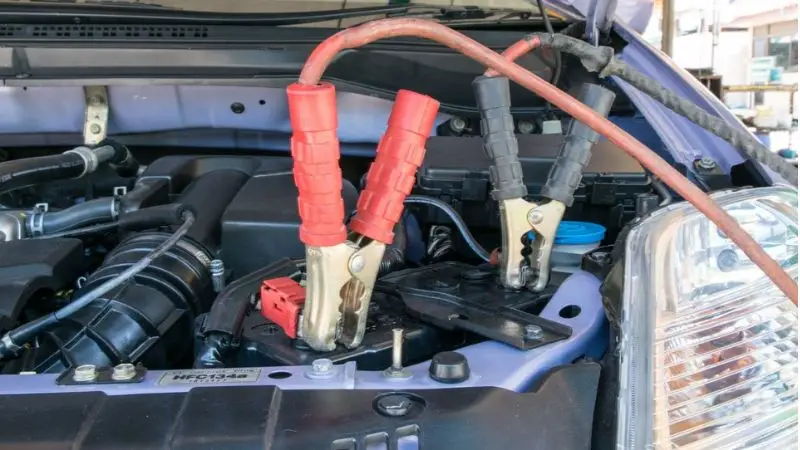
Charging a car battery may seem simple, but skipping important steps can lead to problems. Knowing how to charge a car battery correctly involves knowing what not to do, as it will cause damage to your car battery or put you at risk. Preventing these errors will help to ensure that your battery charges safely, as well as lasts longer.
Connecting the Cables the Wrong Way
One of the most common errors is confusing the charger cables. Connecting your red cable to the negative terminal or your black cable to your positive terminal will lead to sparks or even damage your battery.
To avoid this:
- Always check the symbols on your battery:
- +” is a positive terminal
- “-” marks the negative terminal
- Check the connections twice before you turn on the charger
- Consult your car manual if you do not know
Proper cable connection is very important when learning how to properly charge a car battery at home, as incorrect connections can lead to some serious hazards.
Overcharging the Battery
Leaving your battery on the charger for too long can cause it to overheat and reduce its lifespan. One of the most rapid ways a battery can be damaged is by overcharging.
Signs of overcharging are:
- Excessive heat coming from the battery
- Leaking battery acid
- Reduced total battery life
To prevent overcharging:
- Use a charger that has an automatic shut-off feature
- Set a timer or keep track of the battery while it is charging
Being aware of the charging duration is key to making sure you are doing this the best way to charge a car battery without charging it above the safe limits.
How To Charge A Damaged Or Frozen Battery
Charging an injured or frozen battery can be very risky. Batteries that have cracks, leaks, or ice in them can result in accidents if you try to charge them.
Key precautions:
- Never charge a battery that is visibly cracked or leaky
- Let frozen batteries fully thaw before charging
- Replace extremely ruined batteries rather than attempting to bring them back to life
By steering clear of these mistakes, you are not only protecting yourself, but your car and the battery as well. Knowing how to properly charge a car battery saves you money from expensive repairs and restarts your vehicle, keeping it in good working condition!
Wrap-Up
Charging a car battery doesn’t need to be complicated. By knowing what you need to do to recharge your battery, following a step-by-step procedure, and knowing what things to do to prevent any errors, you can easily recharge your battery at home.
Whether you use a charger, jumper cables, or even use the alternator of your car, knowing how to charge a car battery, the best way to charge a car battery, and how long it takes to charge a car battery, is essential to ensure efficient results. Proper safety precautions, cable connections, and the correct charge method will help to protect both you and your vehicle and keep your battery and car healthy and ready for use whenever you need them.
FAQ
How do you know if your car battery requires charging?
If your car doesn’t start well or the light appears to be dim, then your battery probably requires a charge. You could also notice a warning light on your dashboard.
Can you leave a car battery charging overnight?
You can, but only if your charger has an automatic shut-off. If not, check the battery frequently to avoid overcharging.
Is it safe to charge your car battery in the rain?
No, you should never charge a car battery under wet conditions. Water is associated with an increased risk of electric shock. Always charge your battery in a dry place.