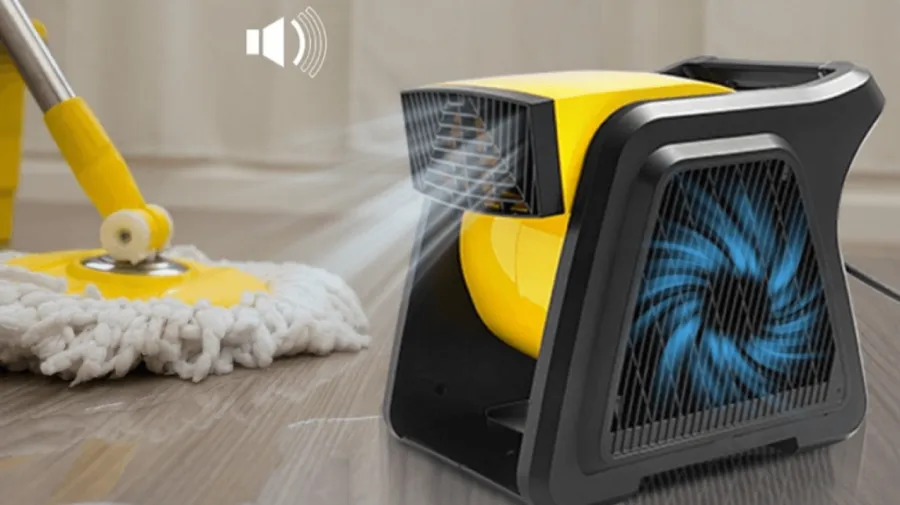
You need your vehicle to start and run smoothly, even in cold weather. A diesel fuel tank heater prevents your diesel from thickening when temperatures drop. This device uses heaters to keep the fuel in your tank warm. By using a diesel heater, you avoid engine problems and save time by ensuring your fuel flows properly. If you drive in freezing conditions, this simple solution is essential to ensure your vehicle performs reliably.
How Diesel Fuel Tank Heaters Work
Parts and Mechanisms for Heating
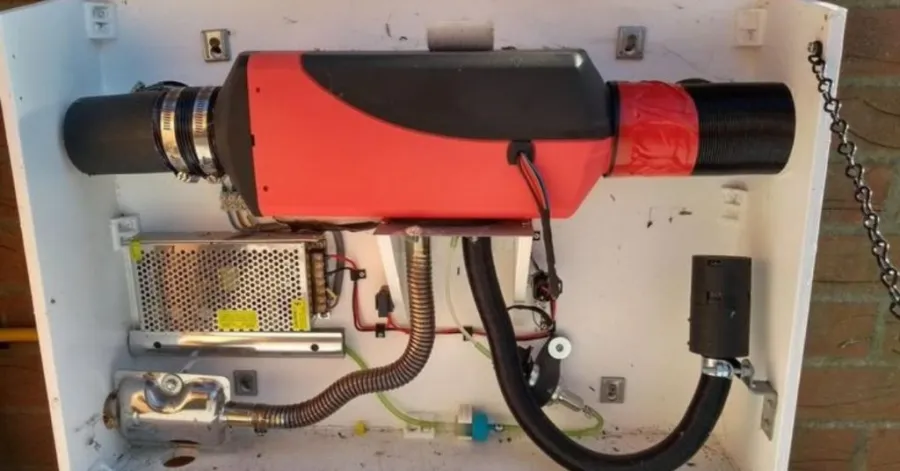
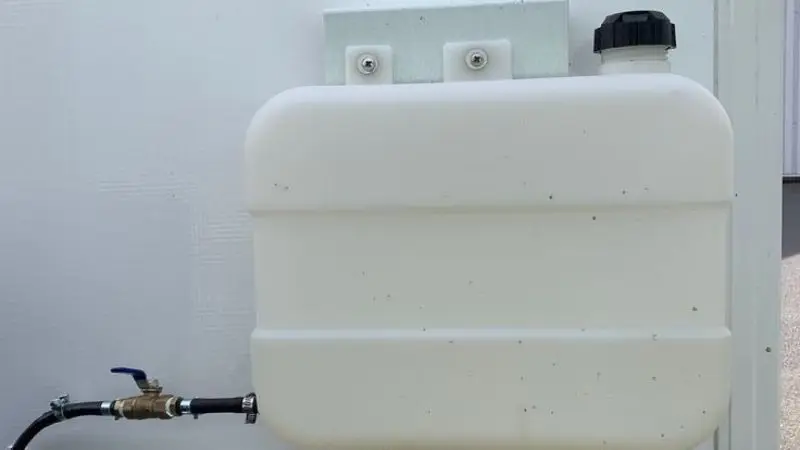
You might be curious about how diesel heaters keep your fuel ready to go, even when temperatures drop. A diesel fuel tank heater warms the fuel in your tank using a simple but effective method. The main parts are a heat exchanger, a metering pump, a combustion chamber, and a fuel pump.
The fuel pump takes diesel from your tank and sends it to the combustion chamber. In this case, the heater burns a small amount of diesel to generate heat. The heat exchanger then sends this heat to the fuel in your tank. The metering pump controls the fuel flow into the heater, keeping the process safe and efficient.
Some diesel fuel tank heater models are installed inside the tank. These heaters operate directly on the fuel, enabling rapid heating of the diesel. These heaters will work even if you don’t start your engine. You can warm up your fuel before you even turn the key, because it works on its own. You won’t have to wait as long for your car to warm up because it heats up quickly.
How to Avoid Fuel Gelling
Diesel can become a thick, jelly-like substance in cold weather. Fuel gelling is an issue that prevents fuel from passing through your engine. Your car might not start or operate poorly when this occurs.
By maintaining the fuel temperature, a diesel fuel tank heater prevents this. The diesel fluid is heated by the heater, facilitating its flow through the fuel lines and into the engine. Frozen fuel lines and clogged filters are not a concern for you. The heater keeps your engine safe and helps you avoid expensive repairs.
Benefits of Diesel Fuel Tank Heater
Performance of Engines in Cold Weather
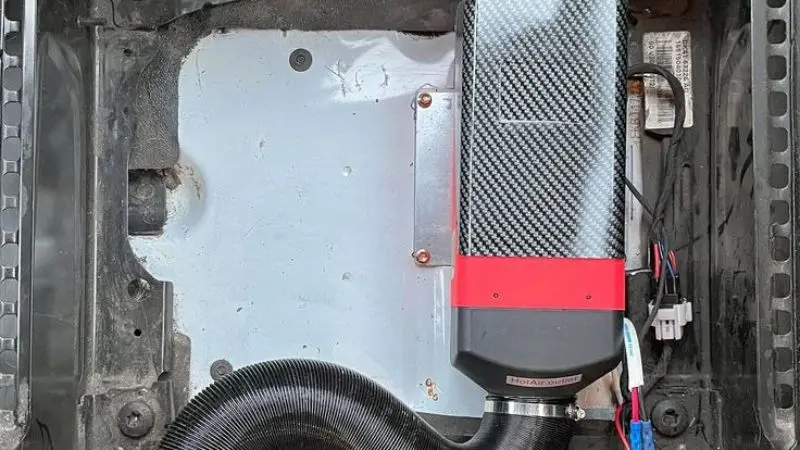
Are you curious about the advantages of utilizing a diesel fuel tank heater? Even in cold weather, you want your engine to start quickly and perform well. Diesel heaters help maintain your fuel temperature. Your fuel doesn’t thicken or gel when you use the best diesel fuel tank heater for cold weather. Easy-to-move fuel is supplied to your engine. This prevents rough running and hard starts. You don’t have to wait long for your car to warm up in cold climates. Each time you turn the key, you receive consistent power.
Reduced Upkeep Expenses
Diesel gel can be produced in cold weather. Fuel lines may freeze, and filters may become clogged. Fixing these issues can be expensive and time-consuming. Your engine and fuel system are safeguarded when you use a diesel fuel tank heater. You lower the likelihood of malfunctions and require fewer trips to the mechanic. You save money over time due to your equipment’s improved performance and extended lifespan.
Here’s a brief comparison:
| Without Heater | With Heater |
| Clogged filters | Smooth fuel flow |
| Frozen lines | Reliable starts |
| Frequent repairs | Lower costs |
Fuel Efficiency and Reliability
Diesel heaters help you use every gallon of fuel. When fuel stays warm, your engine burns it better. You use less fuel and produce less pollution. This saves you money and helps the earth. Good heaters also make sure your vehicle or machine works when you need it. You do not need to worry about delays or interruptions.
- You get better fuel use.
- You trust your engine in cold weather.
- You use heaters for trucks, RVs, and big machines.
A diesel fuel tank heater gives you peace of mind. You know your diesel will stay ready, no matter how cold it is.
Who Needs a Diesel Fuel Tank Heater
Ideal Vehicles and Equipment
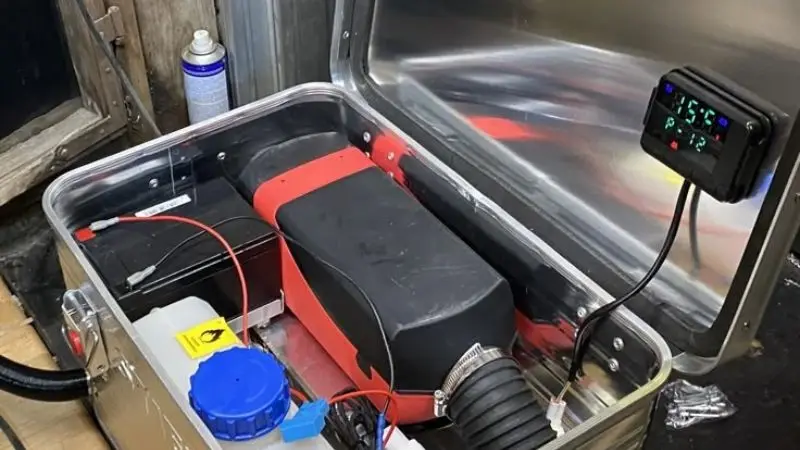
You may wonder if your vehicle or machine needs extra help in cold weather. Diesel fuel tank heaters are most effective for certain types of vehicles and equipment. If you drive a truck, own a bus, or operate construction machines, you will benefit from these heaters. Many people who use farm tractors or generators also choose them. Diesel campervan heaters are popular for RVs and campervans. These heaters keep your fuel ready so that you can travel or work without worry.
Here is a quick list of vehicles and equipment that often need a heater:
- Trucks and semi-trucks
- Buses and school buses
- Construction equipment (like excavators and loaders)
- Farm tractors and harvesters
- Generators for backup power
- RVs and campervans (especially those with diesel campervan heaters)
Indications That You Need One
You might not always be aware of when a diesel fuel tank heater is necessary. Keep an eye out for these signs:
- On chilly mornings, your engine takes a long time to start.
- You see that the fuel in your tank is thick or gelled.
- In the winter, your car stalls or performs poorly.
- Clogged fuel filters are more common.
- You want to prevent fuel-flow issues when using diesel-powered campervan heaters.
You should take immediate action if you notice these symptoms. These issues can be resolved, and your engine can be protected with heaters. In the winter, you will avoid stress and save money.
Diesel Fuel Tank Heater Types
Coolant-Based vs. Electric Heaters
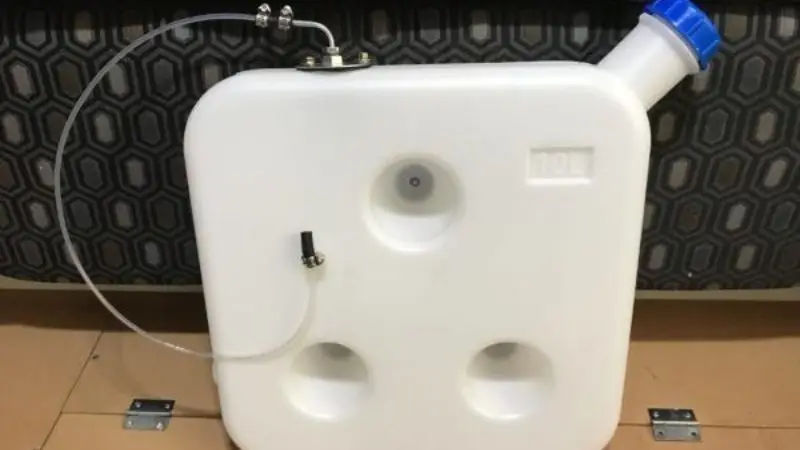
Diesel fuel tank heaters come in two primary varieties: coolant-based and electric. To keep your fuel ready for use, each type operates differently. Electric heaters draw power from the battery in your car. They are installed either on top of or inside the fuel tank. They heat up rapidly and begin warming the diesel as soon as you turn them on. These heaters don’t require you to run the engine. Electric models are popular because they are simple to install and operate.
The engine coolant system powers coolant-based heaters. These heaters, connected to the coolant lines, transfer heat from the engine to the fuel tank. The coolant warms and travels through the heater while the engine is operating. The diesel is then kept at the proper temperature by this heat. If you use your car for long trips or heavy work, coolant-based models perform the best.
Pros and Cons
You should know the strengths and weaknesses of each type before you decide.
| Type | Pros | Cons |
| Electric | Fast heat-up, easy to install, works before the engine starts | Uses battery power, may need wiring |
| Coolant-Based | Uses engine heat, suitable for long trips, no extra battery drain | Needs an engine running; it’s harder to install |
Installation and Maintenance
Basic Steps for Installation
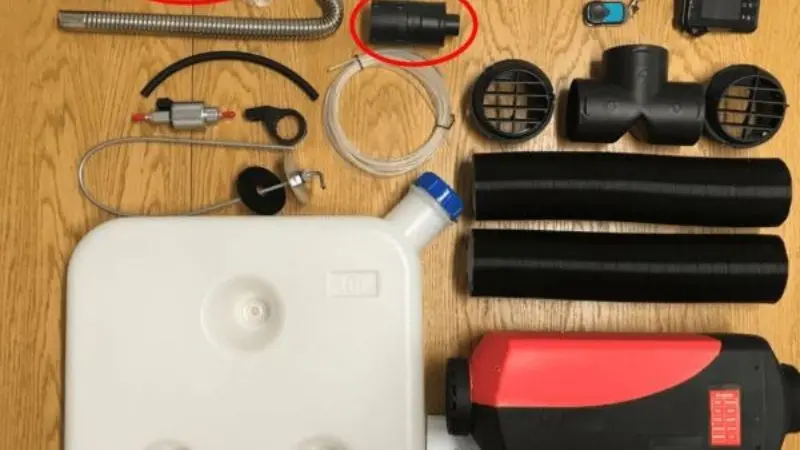
How do you install a heater in a diesel fuel tank? Most heaters can be put in with just a few simple tools. Always read the directions that come with your heater. To set things up safely and effectively, you should do the following:
- Pick the right spot: Choose a location on or inside your fuel tank where the heater will perform best.
- Take the battery out: To stay safe, turn off your car and remove the battery.
- Put the heater on: Make sure it is securely attached to the tank. Use the hardware or brackets that come with it.
- Connect the wires: Connect the heater to your car’s electrical system. Verify that the cables are secure and tight.
- Check the heater: Turn it on and verify it warms. Look out for any warning lights or error codes.
- Look for leaks: Before you finish, check the tank and connections for any leaks.
Tips for Maintenance
For optimal results, you should maintain your heaters. Frequent inspections keep your diesel running smoothly and help you avoid issues. Try these upkeep suggestions:
- Every month, check the heater for any damage or loose wires.
- To avoid dirt accumulation, clean the heater and tank area.
- Before the cold weather arrives, test the heater. Make sure it warms up rapidly.
- Replace worn parts as soon as possible. Use only parts designed for the heater model you have.
- Keep an eye out for warning lights or error codes. As soon as you notice a problem, fix it.
Conclusion
In cold weather, you want your diesel engine to perform well. Diesel fuel tank heaters keep your car ready, prevent fuel gelling, and reduce repair costs. Consider your vehicle, your climate, and how frequently you drive.
- Be ready for the winter.
- Keep your engine safe.
- Reduce the cost of repairs.
If you need assistance selecting or installing a heater, consult an expert. Ensure your diesel engine remains reliable throughout the year.
FAQ
How can I tell if the fuel in my diesel is beginning to gel?
Your engine may run rough or have trouble starting. The fuel in the tank may occasionally appear thick or hazy. Your diesel may be gelling if you notice these symptoms.
Can I install a diesel fuel tank heater by myself?
Sure, heaters can be installed using simple tools. Before anything else, always read the instructions. Seek professional assistance if you are uncertain about mounting or wiring. First and foremost is safety.
Will a diesel fuel tank heater deplete my battery?
Although most electric heater models use very little power, they still draw power from your battery. When the heater is not in use, you should turn it off. Select a model with low power consumption if battery life is a concern.
Are all diesel vehicles compatible with diesel fuel tank heaters?
Most diesel-powered heaters are used in buses, trucks, RVs, and machinery. Before purchasing, ensure the heater is compatible with your car. Specific tank shapes or sizes are better suited for some models.