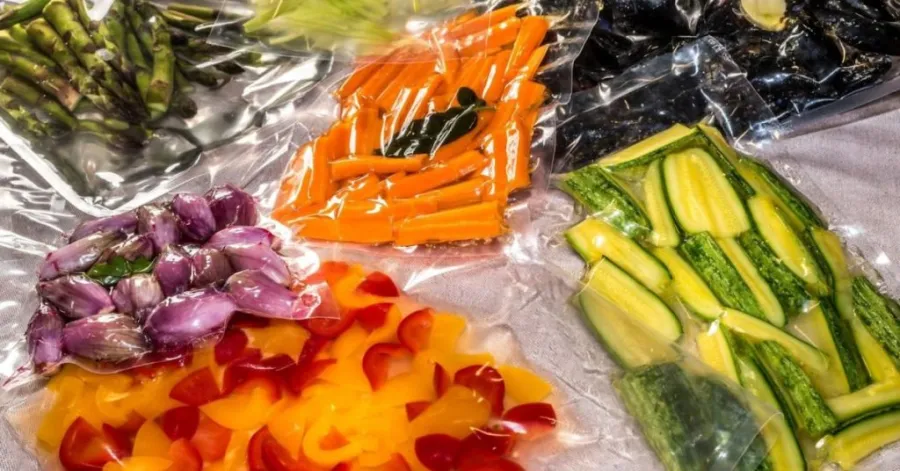
It is always smart to learn how to vacuum seal a bag at home before storing food. Yes, because removing excess air keeps food fresh and slows down spoilage. You lock in flavour, reduce waste, and extend shelf life without much effort.
In fact, you can use VEVOR’s vacuum sealing machine or try simple DIY methods with tools you already have. Both work well and help protect your food from air and moisture.
In this guide, we explain why vacuum sealing matters, what methods you can try, and how to vacuum seal a bag without a machine
So, let’s make food storage easier and smarter for you.
What is Vacuum Sealing and Why It Matters
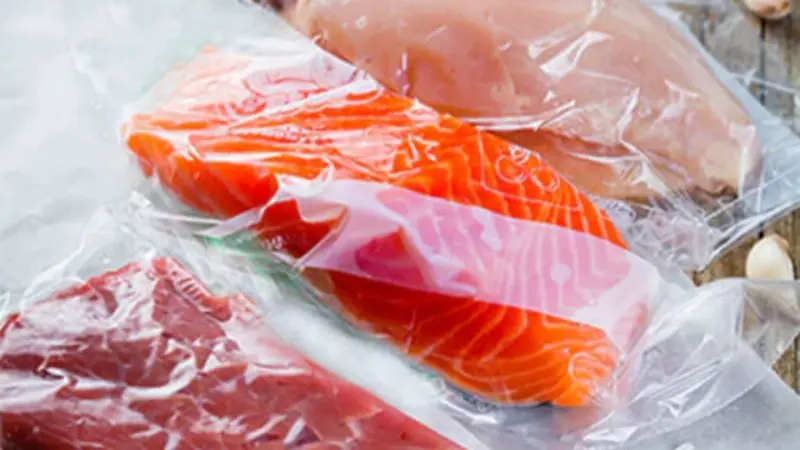
Okay, vacuum sealing means you take the air out of a bag and then close it tightly. You might wonder why this matters. Air can make food spoil faster. If you remove the air, you help keep your food fresh for a longer time. You can see that this method works well for many things, not only food. In fact, you can use it for clothes, important papers, or even camping gear.
Benefits of Vacuum Sealing
Now, let’s break down its benefits, which includes:
- Keeps food fresh longer
- Stops freezer burn on meat and veggies
- Saves space in your fridge or pantry
- Makes it easy to organise your kitchen
- You should protect items from moisture and bugs
Quick Insight: Vacuum sealing can help you save money. In fact, you can buy food in bulk and store it safely for months.
Types of Vacuum Seal Bags
You will find different types of vacuum seal bags in stores. Yes, it has various types and each type works best for certain items. So, here is a quick guide:
| Bag Type | Best For | Reusable? |
| Channel Bags | Most foods | Yes |
| Mylar Bags | Long-term dry storage | Sometimes |
| Zipper Bags | Short-term, easy access | Yes |
You should choose the bag that fits your needs. If you want to store soup or stew, use a strong, leak-proof bag. But for snacks or dry goods, a simple channel bag works well.
How to Vacuum Seal a Bag: Step-by-Step Guidance
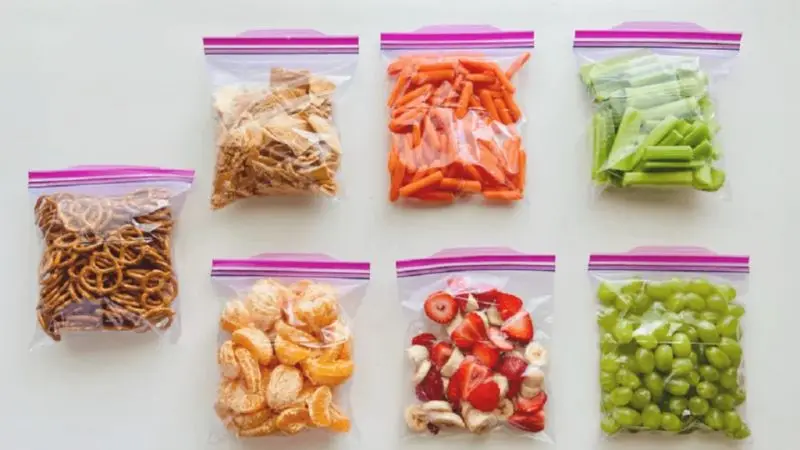
Vacuum sealing keeps your food fresh and protected from air and moisture. It is suggested that you follow these simple steps to seal any bag at home with confidence.
Step 1 – Choose the Right Bag for Your Item
It is important that you should start by picking a bag that fits your food or item. If you want to know how to vacuum seal a bag effectively, you need to match the bag size. For small snacks, use a small bag and for bigger items, grab a larger one. But make sure the bag is strong and made for vacuum sealing. It will help you get a complete seal around the vacuum.
Step 2 – Prepare the Bag and Items
First, you should wash your hands and dry your food or items. After that, place them inside the bag. Leave a few inches at the top so you can seal it easily. If you want to learn how to seal foods, keep the bag flat and spread out the food. You can see that it makes the sealing process much easier.
Tip: If you want to know how to seal food in plastic bags, always check for crumbs or moisture near the opening. But wipe it clean before sealing.
Step 3 – Seal the Bag Properly
Now, it’s time for the main step in how to vacuum seal a bag. If you use a Vacuum Sealer Machine, place the open end of the bag into the sealer. After that, you should press the button and let the machine suck out the air. But if you want to know how to vacuum seal a bag without a machine, go for a DIY method. You can use a straw to suck out the air, and then close the bag quickly. Make sure you get a tight seal so no air gets back in. So, it is key for how to seal foods and how to keep them fresh.
Step 4 – Store Vacuum Sealed Bags Correctly
After you finish, label your bag with the date and what’s inside. Store it in the fridge, freezer, or pantry, depending on the food. So, you can keep food fresh for weeks or even months. But it is important to always check the seal before you use the food.
Also Read: Best Vacuum Sealer for Food: Top Picks, Reviews & Buying Guide
Common Mistakes to Avoid When Vacuum Sealing
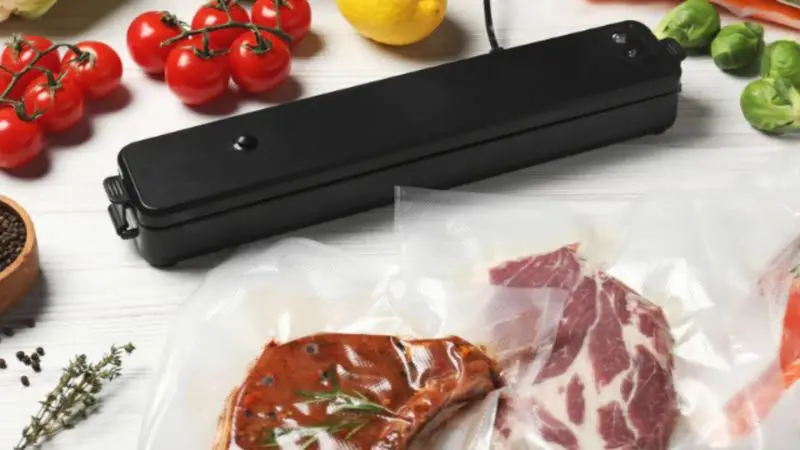
If you start vacuum sealing, you might make mistakes like overfilling the bag or leaving air pockets. Let us guide you on a few mistakes you might make along with suitable tips for vacuum sealing bags properly so your food stays fresh longer.
Overfilling the Bag
You might want to fit as much as possible into one bag. See, it sounds smart, but it can cause trouble. If you stuff the bag too full, the machine can’t remove all the air. That can be a reason the seal might not close properly. Your food could spoil faster.
Tip: So, leave at least 2-3 inches of space at the top of the bag. It gives you enough room to get a tight seal.
Use the Wrong Type of Bag
Not all bags work for vacuum packing. Some people try to use regular plastic bags from the store. But they don’t know these bags can break or let air back in. So, it is helpful to always pick bags made for vacuum sealing. Make sure they are thicker and stronger.
So, here’s a quick table to help you choose:
| Bag Type | Good For | Not Good For |
| Vacuum Seal Bags | Meats, veggies | Liquids (unless special) |
| Zipper Bags | Snacks, short-term | Long-term storage |
Also Read: How to Vacuum Seal Food in Mason Jars.
Not Removing Air Properly
If you leave air in the bag, your food won’t last as long. Sometimes, you might rush and not notice a little air left inside. You should always check the bag before sealing. Then, press gently to feel for air pockets.
Note: For best results, double-check the seal and squeeze out any extra air before you finish.
Tips for Maximum Freshness and Longevity
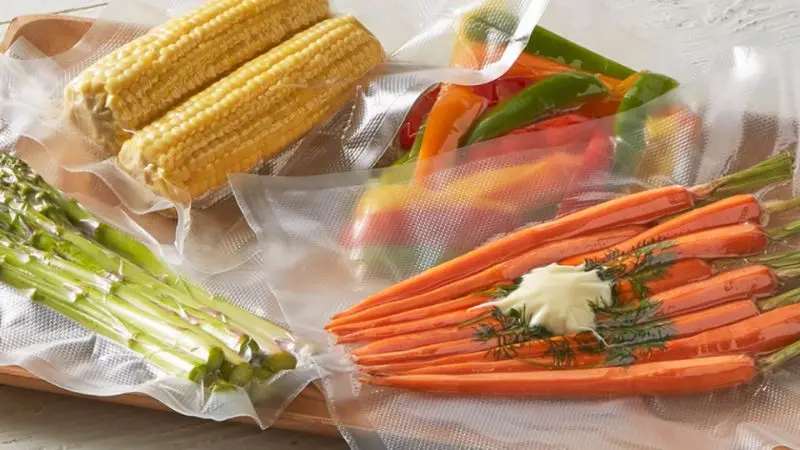
No doubt vacuum sealing works best when you store the right foods properly. So, you need to use these quick tips to keep everything fresh for a longer time.
Best Foods to Vacuum Seal
If you plan on vacuum sealing bags for freezing food, always label the date. Then, you will know how long it has been stored. Because it ensures better rotation and helps avoid waste.
- Meats and poultry
- Fish and seafood
- Cheese
- Coffee beans
- Nuts and dried fruit
- Fresh vegetables (blanch first)
- Baked goods
If you want to know how to seal solid foods, start with these items. Because they hold up well and stay fresh longer. You can also try sealing leftovers for easy meals later.
Tip: Always label your bags with the date and what’s inside. It helps you keep track of your storage.
Vacuum Sealing Liquids and Delicate Items
Okay, liquids and soft foods need a little extra care. If you want to learn how to seal liquids, freeze them first. Pour soup or sauce into a bag, freeze until solid, then vacuum seal. In fact, it stop the liquid from getting sucked into the machine.
Furthermore, for delicate foods like berries or chips, use the pulse setting if your machine has one. You can also place these items in a bag, freeze them, and then seal them. See, it keeps them from getting crushed.
| Item Type | Best Method |
| Liquids | Freeze, then seal |
| Berries/Chips | Freeze or use pulse |
Reusing Vacuum Seal Bags Safely
You can reuse vacuum seal bags if you clean them well. It is important to wash with warm, soapy water and let them dry. Only reuse bags that hold dry or solid foods. Do not reuse bags that have stored raw meat or fish. It keeps your food safe and fresh.
Also Read: Guide to Commercial Vacuum Sealers.
Final Words
You now know how to vacuum seal a bag at home. You need to remember these steps: pick the right bag, prep your items, seal tight, and store well. Make a quick checklist for next time. Then, try both the vacuum machine and DIY vacuum packing as it suits your needs. You will get great results with practice.
FAQ
How long does vacuum-sealed food last?
Vacuum-sealed food can last up to five times longer than regular storage. So, you keep meat fresh for months in the freezer and pantry items safe for years.
Can you vacuum seal without a machine?
Yes, you can use a straw to suck out air and seal the bag quickly. In fact, it DIY method works well for small items or snacks.
Do you need special bags for vacuum sealing?
You get the best results with vacuum seal bags. Regular plastic bags often leak air. It is suggested that you always check the bag label before you buy.