You can easily learn how to install PEX tubing at home with just a few basic tools. It is an easy job that does not need any kind of plumbing experience, merely patience and instructions. PEX is flexible, durable, and ideal for use in domestic water systems. In this tutorial, you will learn how anyone can install it and achieve professional, leak-free results. Through careful steps, you will get to know how to measure, cut, and join PEX just like a professional. Whether you are replacing old pipes or trying a brand new project, there is no guesswork about this guide, which will give you the resilience and confidence to undertake the work of replacing the old pipes.
Tools and Materials for PEX Tubing
Before starting your project, it’s important to gather all the tools and materials you’ll need. Having everything ready makes the job easier, faster, and helps you avoid mistakes. In this section, you’ll learn about the tools needed for PEX installation and the materials required for a leak-free setup.
Essential Tools
To begin your step-by-step guide to installing PEX tubing, make sure you have the right tools. These tools help you cut, measure, and secure your PEX connections properly.
You’ll need:
- PEX cutter – for making clean, even cuts on the tubing.
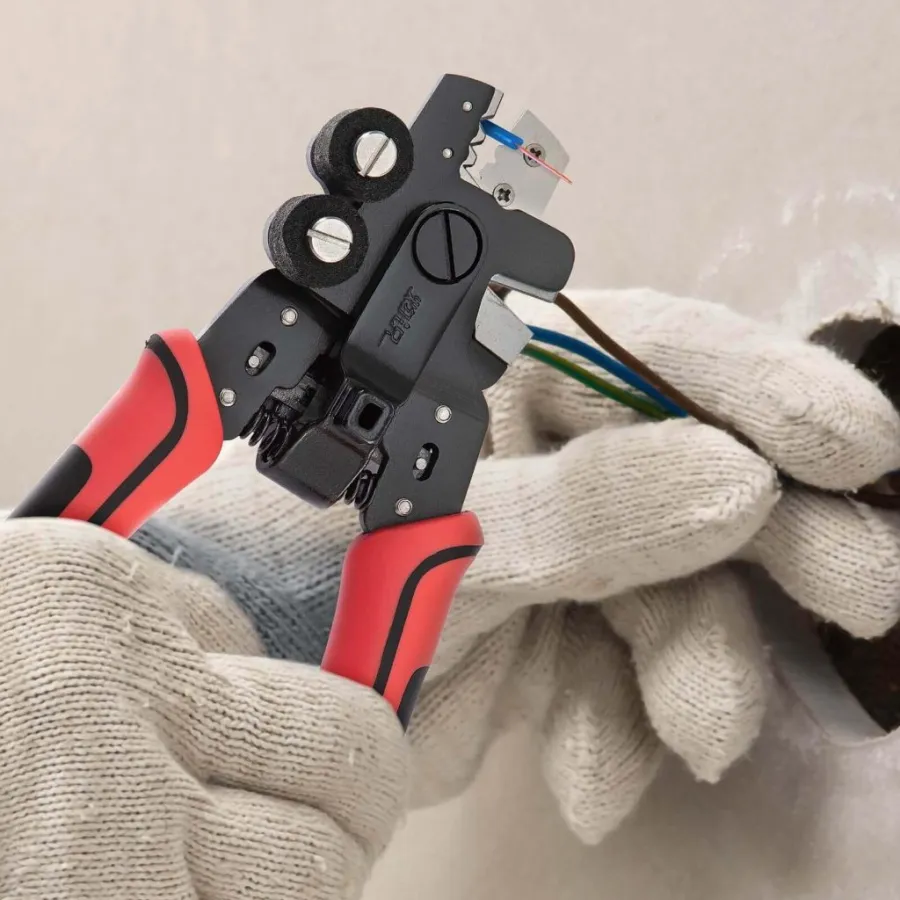
- PEX crimping tool – to tighten and secure crimp rings and fittings.
- Go/no-go gauge – to check that your crimps are firm and leak-free.
- Tape measure – to measure the correct tubing lengths.
- Marker – to mark cutting spots on the pipe.
- Flashlight – to work safely in dark or tight spaces.
Keep your tools close by during the process. It saves time and helps you follow the best way to install PEX piping without missing any steps.
Materials You’ll Need
An important thing in a robust and long-term PEX system is the use of the right materials. Check to make sure that all the parts are in the right sizes before commencing work.
Gather these essentials:
- PEX piping – the water supply line.
- PEX fittings – join various parts of a tube together.
- Crimp rings – attach the tubing to fittings.
- Pipe hangers- are used to support and hold PEX.
- Teflon tape – covers threaded joints to eliminate leakages.
The first thing we do is always check what we have beforehand. Ensure that you stock sufficient tubing, appropriate fittings, and crimp ring sizes. Having the right tools and materials, you will soon realize that teaching how to attach PEX tubing is a quick and easy task here when you are having a project at home.
How to Install PEX Tubing Step by Step
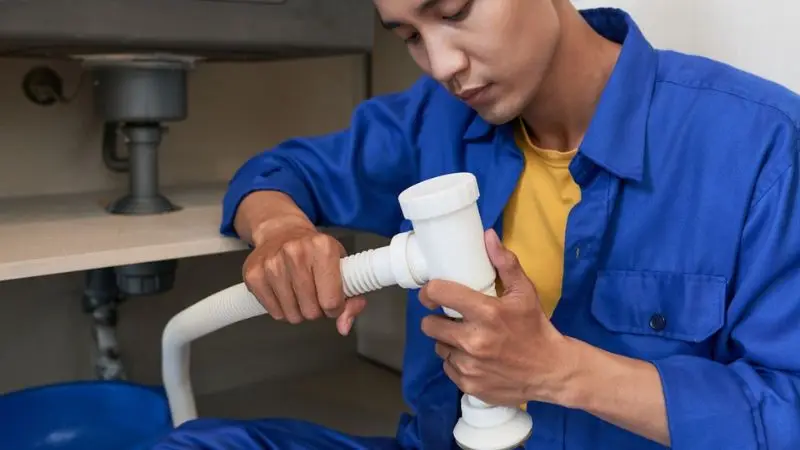
If you’ve ever wanted to learn how to install PEX tubing, the process can be simple when you break it down. You don’t need advanced plumbing skills — just patience and the right tools. This step-by-step guide to installing PEX tubing shows you how to measure, cut, connect, and secure everything correctly. Before you start, make sure to check your local plumbing codes since some areas have special rules about PEX use. With the right preparation, you can complete your project smoothly and confidently.
Measure and Cut the Tubing
The installation of PEX is done by cutting and measuring your tubing properly as the first step. Begin by assembling the tools required to install the PEX: a tape measure, a marker, and a PEX cutter.
- Calculate the exact length of the line with tubing that is required.
- Make a mark at the point where you are going to cut.
- Keep the tubing steady and use a PEX cutter in order to make a straight cut without beads.
Careful cutting will provide a very good fit in future when fittings are being attached. It also represents a way to avoid leaks, and this step is essential in the development of a credible setup of your PEX system.
Install PEX Fittings
Once your tubing is ready, you can begin connecting the pieces together. This part helps you understand how to connect PEX tubing safely and firmly.
- Slide a crimp ring over the end of the tubing.
- Push the PEX fitting into the tube until it stops completely.
- Adjust the crimp ring so it sits about one-eighth of an inch from the tubing edge.
Proper fitting placement keeps your connections secure under pressure. Double-check that the fitting is fully inserted and the ring sits evenly. This attention to detail ensures your plumbing stays leak-free for years.
Crimp and Secure the Connections
Now it’s time to tighten your fittings to lock the PEX in place. This step strengthens your system and keeps it watertight.
- Open your PEX crimping tool and place it directly over the crimp ring.
- Squeeze the handles together firmly until they close completely.
- Check your work with a go/no-go gauge to ensure a proper seal.
This is the best way to install PEX piping since it gives each joint a solid, reliable grip. Taking a few seconds to inspect every crimp ensures your plumbing performs efficiently without leaks or loose spots.
Check All Connections
After all the crimping and sealing are completed, the last thing to do is to test your work. When it is properly checked, your installation is set to be used every day.
- Check each crimp ring with a go/no-go gauge.
- When turning on the water, do it gradually, and examine every point of connection.
- Check for drip, moisture, or drip leakiness.
When all things appear to be dry and stable, then your PEX is installed. This step-by-step installation of a PEX tubing project gives you the self-confidence to do a plumbing task by yourself, and it costs less in terms of money and time, and provides good results in terms of strength and no leakage.
Troubleshooting and Tips for Installing PEX Tubing
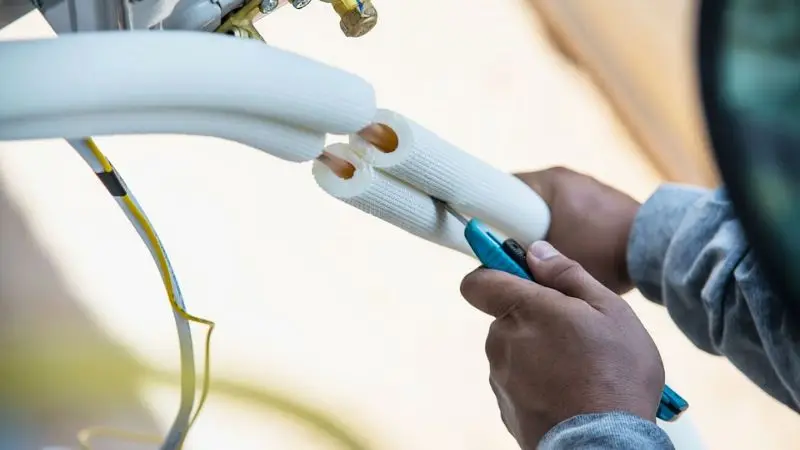
Even after following a step-by-step guide to install PEX tubing, small issues can occur. The good part is that PEX systems are easy to fix if you act quickly. Understanding these common problems helps you get clean, long-lasting results and avoid water leaks.
Keep these points in mind during and after installation:
- If you make a bad crimp, cut the ring with a PEX cutter and install a new one.
- Use a go/no-go gauge after every crimp to ensure the seal is tight.
- When fitting fittings, do not twist the tubing when doing this, or this may cause minor leaks.
- PEG should not be bent at excessively sharp angles or forced along tight bends.
- Always avoid touching sharp metal edges, as they may puncture the tubing.
- Do not leave PEX in direct sunlight.
- Long tubing runs are evenly supported by pipe hangers.
- Always adhere to local plumbing codes and approved types of PEX.
By following these checks, you’ll master the best way to install PEX piping and keep your system running perfectly.
Wrap Up
Working with PEX tubing is a smart and simple way to upgrade your plumbing. With the tools needed for PEX installation and a clear plan, anyone can complete the job with confidence. This guide showed you the best way to install PEX piping, from cutting and connecting to checking for leaks. Remember to follow safety rules and local plumbing codes for lasting results. Once you learn how to connect PEX tubing, you’ll see how flexible and reliable it is. With care and patience, your PEX system will serve you well for years.
FAQ
Are you capable of using PEX in hot and cold water lines?
PEX may be used as a resistor for hot and cold water. Always be careful of the label to ensure that you have the correct type in your project.
What is the process of repairing a leaking PEX connector?
You should turn off the water. Cut out the leaking section. Fit a new criminal and crimp ring. Check for superficial leaks.
What is the most appropriate fitting to be used in sharp PEX tubing turns?
Pex 90-degree elbows should be used in sharp turns. The fittings are designed to enable you to change direction without bending the tubing.