When you’re planning a plumbing project, choosing the right types of PEX tubing makes all the difference. There are three main types — PEX-A, PEX-B, and PEX-C — and each has its own strengths. PEX-A is the most flexible, perfect for tight corners and tricky spots. PEX-B is a bit stiffer but more affordable, making it great for most home installations. PEX-C sits right in the middle, offering a good mix of flexibility and strength. Knowing how each type performs helps you pick the right one for your space, saving you time, effort, and future plumbing headaches.
Understanding the Different Types of PEX Tubing
Every plumbing project begins with choosing the right tubing — and not all PEX is the same. Each type offers its own level of flexibility, durability, and cost. Knowing the differences helps you pick what works best for your home’s needs and layout. Let’s look closer at what sets them apart.
Overview of PEX-A, PEX-B, and PEX-C
When you shop for plumbing supplies, you’ll find three main types of PEX tubing: PEX-A, PEX-B, and PEX-C. While they may look alike, their production methods and performance vary. Understanding the differences between PEX-A, PEX-B, and PEX-C helps you choose wisely based on your project requirements.
Before deciding, consider your space, budget, and the job’s complexity. The best PEX tubing for home plumbing depends on how flexible the tubing must be and where it needs to run. Once you know your priorities, the right choice becomes clear.
Common Features Found in All Types of PEX Tubing
No matter which type you choose, all PEX tubing options share some standout advantages. These shared features make them a top pick for both professional plumbers and homeowners. Before exploring each type in detail, let’s see what they all have in common.
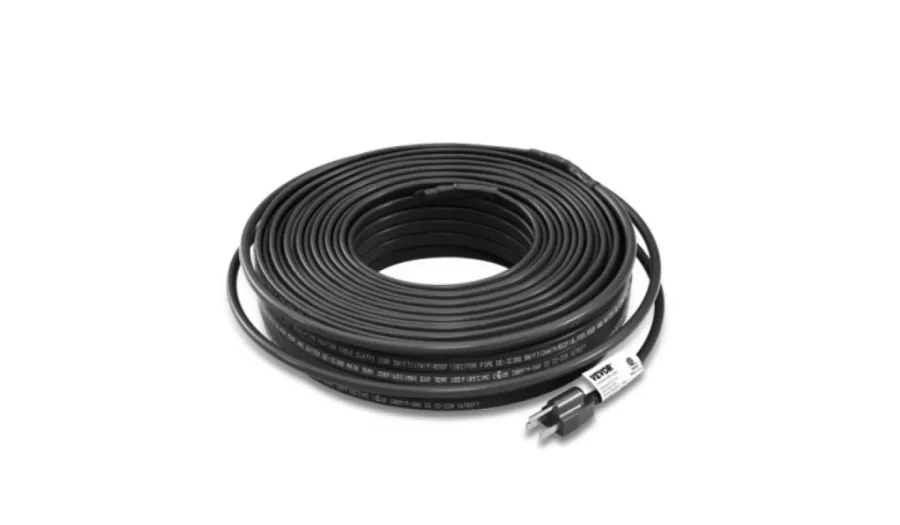
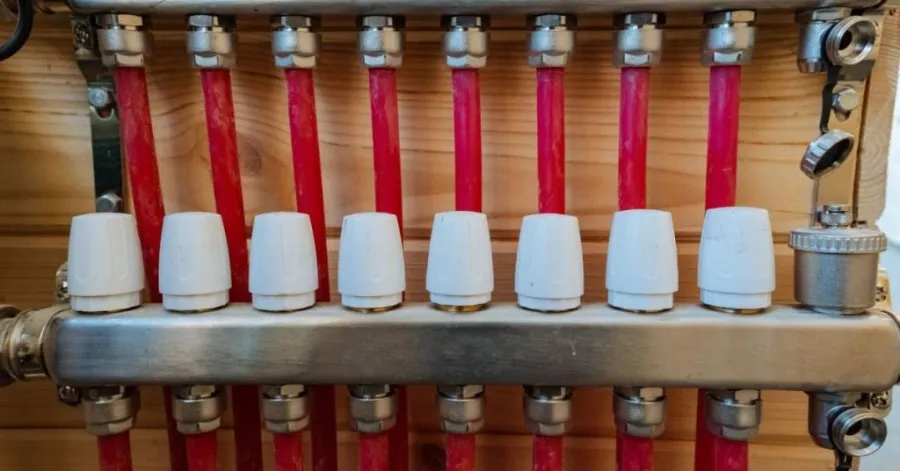
You can use PEX tubing for hot and cold water, radiant heating systems, or even outdoor snow-melting applications. It’s corrosion-resistant, lightweight, and doesn’t require glue or solder — making your PEX tubing installation guide process simpler and faster.
Understanding PEX-A Tubing and Its Benefits
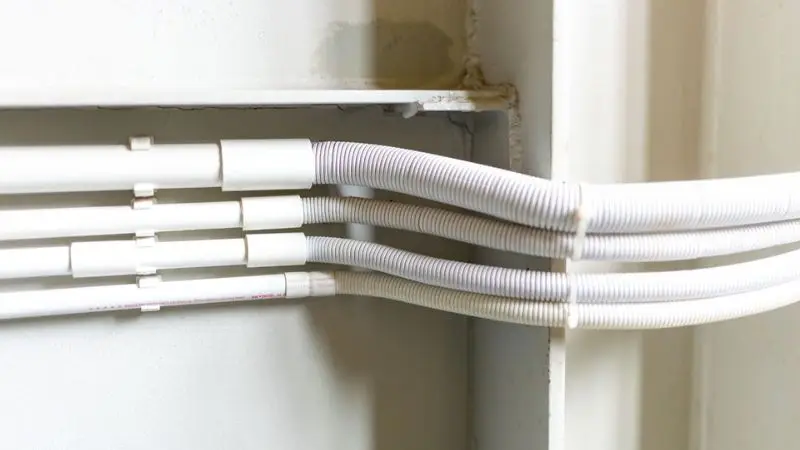
Before choosing the right PEX tubing, it helps to look at each type closely. Among all, PEX-A stands out for its flexibility and durability. It’s often chosen for projects where pipes need to bend around corners or fit into tight spaces without cracking. Let’s explore what makes it special and why many homeowners prefer it.
Key Features of PEX-A Tubing
PEX-A is made using the Engel method, which forms strong cross-links through a chemical process using peroxide. This unique structure gives PEX-A tubing exceptional flexibility and strength. You can bend it easily around obstacles, and it naturally returns to its shape if twisted or kinked. This makes installation faster and smoother, especially in small or irregular spaces.
Because of its strong design, PEX tubing for hot and cold water performs reliably under temperature changes. It’s also a top pick for radiant floor heating. However, installing it requires special expansion tools that stretch the tubing before fittings are inserted — once released, it shrinks back to form a tight seal.
Pros and Cons of Using PEX-A in Home Plumbing
Each type of tubing possesses advantages and disadvantages. In the case of PEX-A, the greatest benefits are its flexibility and durability. It does not have to burst when under high pressure at a low temperature, thus making it the ideal PEX tubing for plumbing at home when it is working in tight or cold areas.
Nevertheless, it is quite costly relative to other alternatives, and it can involve special installation or tool renting. Nonetheless, its long life cycle and high performance justify the cost of investments most of the time. When you need to buy a dependable fitting material that stays bendable and does not easily break, PEX-A is a smart and sustainable choice for your plumbing requirements.
Everything You Need to Know About PEX-B Tubing
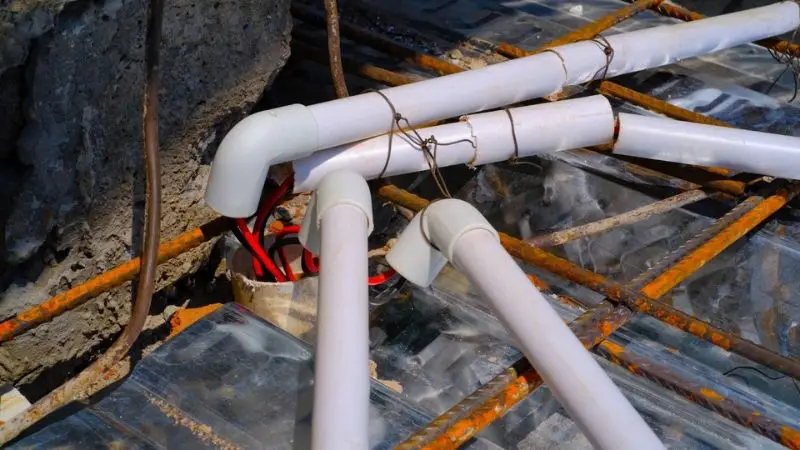
Once you understand what makes PEX-A special, the next step is to look at PEX-B, the most common and affordable type used in homes today. It’s known for its balance of strength, cost, and ease of installation, making it a favorite among both professional plumbers and DIY homeowners. Let’s explore how it’s made and where it works best.
Key Features of PEX-B Tubing
PEX-B tubing is made using the silane method, also known as the moisture-cure process. This method creates strong cross-links within the plastic, giving the tubing its durable structure. You’ll notice that PEX-B feels stiffer than PEX-A and holds its shape better during installation. Because of this, it’s ideal for straight pipe runs and open layouts.
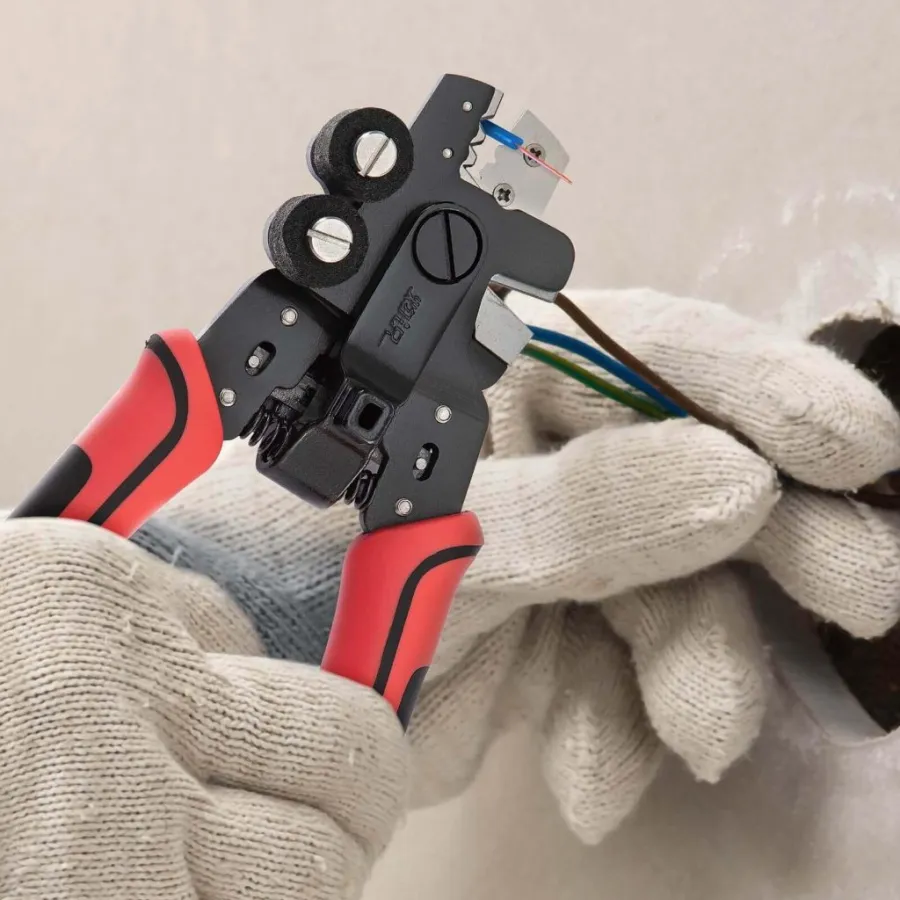
You can use PEX tubing for hot and cold water applications without worrying about corrosion or chemical damage. It’s designed to last for years, providing dependable performance in everyday use. Another advantage is that it doesn’t need any special tools — you can connect it using simple crimp or clamp fittings, making your PEX tubing installation guide much easier to follow.
Pros and Cons of Choosing PEX-B for Home Plumbing
Like every option, PEX-B comes with both benefits and trade-offs. It’s one of the most budget-friendly and widely available choices, often considered the best PEX tubing for home plumbing when cost is a major factor. Its stiffness helps it stay in place, but it also means it’s less flexible than PEX-A.
PEX-B can kink if bent too sharply and may be more prone to cracking if water freezes inside the line. Because of that, it’s best used in open or straight layouts where minimal bending is required. Still, its durability, affordability, and easy installation make it a solid choice for new construction or large plumbing projects.
Everything You Should Know About PEX-C Tubing
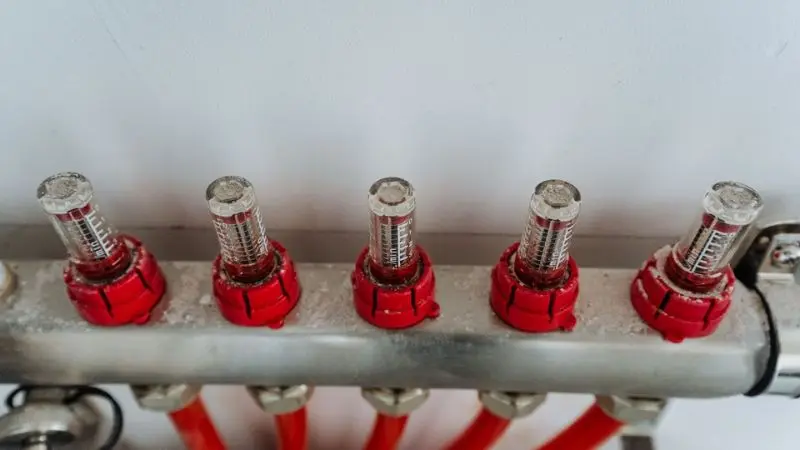
Now that we’ve covered PEX-A and PEX-B, it’s time to look at PEX-C, the third type of PEX tubing. It’s known for being soft, easy to handle, and more environmentally friendly. While not as flexible as PEX-A, it still offers reliable performance for most household plumbing needs. Let’s explore what makes PEX-C stand out.
Key Features of PEX-C Tubing
PEX-C tubing is made using an electron beam method that creates cross-linking without the need for chemicals. This makes it a greener and safer choice for the environment. The tubing bends easily, allowing for smooth installation in spaces that require gentle curves. However, it has what professionals call “coil memory,” meaning it tends to stay in its rolled shape, so you may need to work a little harder to straighten it during setup.
You can use PEX tubing for hot and cold water lines with confidence since it resists corrosion and scaling. It’s also easy to cut and connect using standard tools, which makes it a great fit for small projects or quick repairs. Many homeowners prefer PEX-C when they want a softer material that still offers durability and performance for everyday plumbing.
Pros and Cons of Using PEX-C in Home Plumbing
In comparing the differences between PEX-A, PEX-B, and PEX-C, you would find that PEX-C provides a good compromise. It is not as flexible as PEX-A but is also less rigid than PEX-B. Its green way of production provides it with a competitive advantage over those people who are sustainability-conscious. The coil memory may, however, complicate the installation process a bit more, particularly in small or more intricate layouts.
All in all, PEX-C is better suited to smaller plumbing upgrades or repair jobs where a flexible system and ease of use are more important in comparison to high-pressure performance. It is a robust and sensible alternative that meets the costs, durability, and environmental friendliness, making it one of the best PEX cleaning tubes whenever you want a reliable solution but do not possess additional machinery and chemicals.
Understanding the Key Differences Between PEX-A, PEX-B, and PEX-C
Before starting your plumbing project, it’s important to understand the differences between PEX-A, PEX-B, and PEX-C. Each type of tubing brings its own balance of flexibility, durability, and cost. Choosing the right one ensures your installation runs smoothly and lasts for years.
In general, PEX-A offers the most flexibility, allowing you to bend it easily around corners and obstacles. PEX-B is a bit stiffer but more budget-friendly, making it ideal for straight pipe runs and open areas. PEX-C falls in between — it’s softer, easier to handle, and perfect for smaller upgrades or quick repairs.
All types work well for PEX tubing for hot and cold water, but they differ slightly in how they handle temperature changes, UV exposure, and installation needs. That’s why it’s always smart to compare their performance standards before making a final decision.
Choosing the Right Type of PEX Tubing for Your Home
Now that you know how each type performs, it’s time to decide which one suits your project best. If your plumbing layout includes many bends or tight spaces, PEX-A is the best choice. Its flexibility and burst resistance make it ideal for remodels and complex installations.
For new construction or large-scale repairs, PEX-B delivers solid reliability at a lower cost. It meets most performance standards for home plumbing, installs easily with basic tools, and provides strong resistance for everyday use.
If you’re working on smaller home upgrades, PEX-C offers an eco-friendly and cost-effective option. Its gentle flexibility makes it simple to handle, though it’s not as resilient to sharp bends. Still, it’s a dependable pick for minor repairs or when you want a greener material option.
When choosing the best PEX tubing for home plumbing, always consider your space, budget, and project size. Each type has a unique strength — and the right match will make your installation more efficient, long-lasting, and easy to maintain.
Wrap Up
Each type of PEX tubing offers something useful for your home. PEX-A gives you the best flexibility, PEX-B offers great value and strength, and PEX-C provides a softer, eco-friendly option. When you understand the differences between PEX-A, PEX-B, and PEX-C, it’s easier to choose what fits your space and budget.
All three types work well for PEX tubing for hot and cold water, so your final choice depends on your project’s needs. With the right guidance and a simple PEX tubing installation guide, you can build a plumbing system that’s strong, safe, and long-lasting.
FAQ
What is the principal difference between PEX-A, B, and C?
Note that PEX-A is the most flexible, PEX-B is more inexpensive and makes its surface more rigid, whereas PEX-C is a soft material that is environmentally friendly. The different types are suited to various types of plumbing.
Do you use any PEX with hot and cold water?
Yes, you can utilize any form of PEX lock pipe in both hot and cold water line systems. PEX can withstand corrosion and tolerate changes in temperature; thus, it is safe in the majority of home plumbing systems.
Does PEX tubing require special guns to install?
These require expansion tools on PEX-A. With PEX-B and PEX-C, the basic crimp or clamp tools are used. Never establish your project without first ascertaining the tool requirements.
PEX Tubes. Can it be used to drink water?
Yes, PEX pipe drinking water is safe. The manufacturers put it to the test so as to conform to the safety standards. It can be used in the kitchen, bathroom, and entire bathroom plumbing.
How long does PEX tubing last?
PEX piping has a service life of more than 40 years when it is installed properly and the placement is safe against sunlight. It is resistant to rust and scaling, hence the product has a long plumbing life cycle.