Have you had any questions as to how to use a jackhammer? It may seem like the selection of concrete breaking may be insignificant when it comes to a patio, but all of this is in the way it is handled.
Professional results and staying safe are possible even with the use of the right equipment, technique, and maintenance. This blog introduces the setup, use, and maintenance of the various jackhammer types.
Before using a jackhammer…
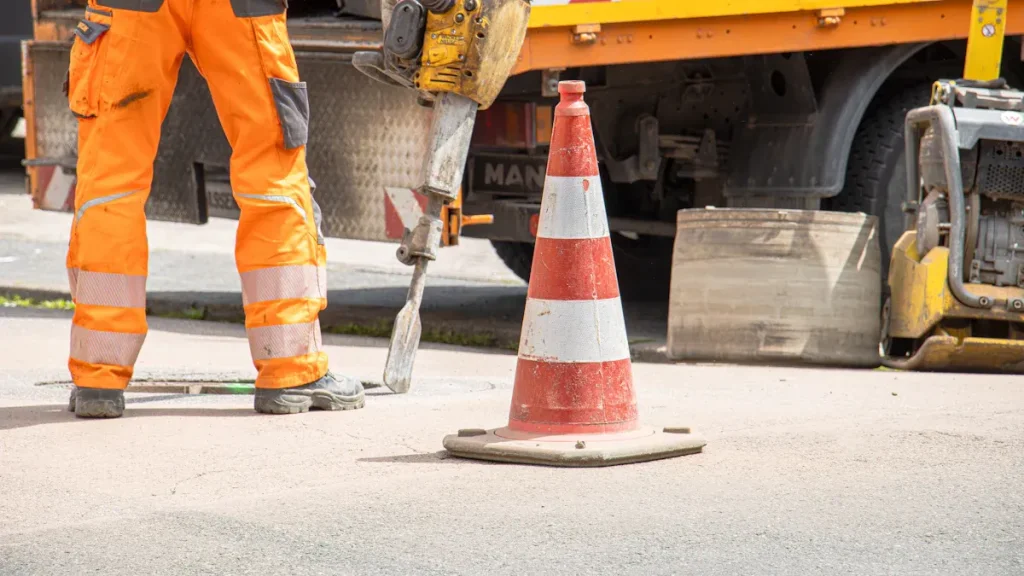
Use safety gear
Before you learn how to use a jackhammer, you need to put on the right safety gear. Jackhammers are loud and powerful. They can send debris flying and create a lot of dust. Always wear:
- Hearing protection (earplugs and earmuffs)
- Anti-vibration gloves
- Safety glasses
- Steel-toed boots
- Respirator or dust mask
Inspect equipment & area
You need to check your jackhammer before you learn how to use a jackhammer. Ensure that it is switched off or has been detached from the power source. It should be placed on a flat surface and then removed. Allow to compose in case it was used recently.
Check the housing for cracks, dents, and other damage. When using an electric model, check the power cord to see whether it is cut or frayed. In the case of pneumatic models, examine the air hose to look for a leakat whether it has a leak or not.
Check your trigger and safety lock and ensure that they operate well. Examine the bit or chisel for bruises or wear. Ensure all warning labels are readable.
Clean away all the items that may make you fall or slip. Ensure that you get enough room to move around.
Know your power sources
Jackhammers come in three main types: electric, pneumatic, and hydraulic. Each type has its own safety needs.
- Electric jackhammers: Keep the cord out of the way to prevent damage or tripping. Use a water spray to control dust.
- Pneumatic jackhammers: Check hoses for cracks or leaks. Always shut off the air supply when not in use.
- Hydraulic jackhammers: Inspect hoses for damage. Follow all safety steps and check for defects before starting.
Always match your safety checks to the type of jackhammer you use. This helps prevent accidents and keeps your equipment working well.
How to use a jackhammer safely
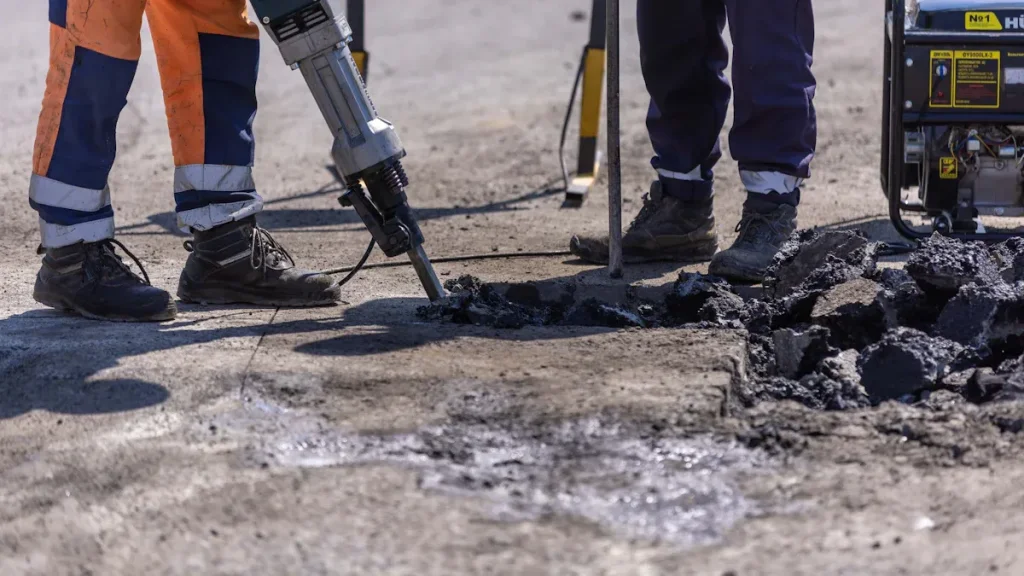
Learning how to use a jackhammer starts with careful setup. Follow these steps to get the best results and stay safe.
Choose the right bit
You need the right bit for your project. Jackhammer bits come in different materials and shapes. Think about these factors when you pick a bit:
- Material type: Carbide, steel, or tungsten
- Project requirements: Breaking concrete, asphalt, or tile
- Machine compatibility: Make sure the bit fits your jackhammer
- Operational environment: Indoor or outdoor use
- Working conditions: Wet or dry surfaces
- Budget constraints: Some bits cost more than others
A pointed bit works well for breaking up concrete. A flat chisel helps with prying and lifting. Always check your jackhammer manual for recommended bits.
Connect power or air
You must connect your jackhammer to the right power source. Electric models plug into an outlet. Pneumatic models need compressed air. Here is what you do for pneumatic jackhammers:
- Use a compressed air source and an air hose.
- Make sure your compressor can output at least 90 PSI.
- A tow-behind compressor works best for big jobs.
- Open the air supply valve on the jackhammer handle to start.
Check all connections before you turn on the power. Make sure hoses and cords do not have leaks or damage.
Position & grip
When learning how to use a jackhammer, it is important to understand how to pick and grip it. Pick up the jackhammer in both hands. Hold tightly, but not too hard. This makes it easier to control the tool and also lowers the vibration fatigue.
Keep your feet stopped at a shoulder distance. Bend your knees slightly. Keep your back straight. It is a posture that provides you with stability as well as the ability to work longer hours without feeling fatigued.
Tip: Take short breaks if your hands feel numb or tired. Stretch your fingers and wrists to keep blood flowing.
Start at the slab corner
Begin at the corner of the concrete slab. Starting at the edge makes it easier to break the concrete. The piece can move toward the open space, so you can remove larger chunks. Work from the outside in, not the middle.
Use proper angle & movement
Lean the jackhammer back toward you at a slight angle. This is very important when you’re learning how to use a jackhammer on asphalt.
The best angle is between 20 and 30 degrees. This position helps you break concrete faster and keeps you safe. Move the jackhammer 2-3 inches at a time. Let the weight of the tool do most of the work. Do not force it down. Lift and reposition the bit as needed.
Maintain posture
Keep your body in a straight line. Do not twist or bend your back. Good posture reduces stress on your joints and muscles. You use less effort and lower your risk of injury. Ergonomic studies show that correct alignment helps you work longer and safer.
Note: If you feel pain in your back or shoulders, stop and check your posture. Adjust your stance before you continue.
Work in straight lines
Break the concrete in straight lines. This method helps you control the direction of cracks. You get pieces that are easy to lift and move. Random patterns create uneven debris and slow you down. Plan your path before you start. Mark lines with chalk if needed.
Learning how to use a jackhammer step by step makes your job easier and safer. Start at the slab corner, use the right bit, and keep a good posture. Work in straight lines for the best results.
How to shut down and do maintenance
When you finish using the jackhammer, always turn it off first. Unplug the power cord or disconnect the air hose. Wait for the tool to stop moving before you set it down. This step keeps you safe and protects the tool from damage.
Never leave a running jackhammer unattended. If you use a pneumatic model, close the air valve and release any leftover pressure.
Tip: Always double-check that the jackhammer is off before you start cleaning or moving it.
Clean & inspect
You need to clean your jackhammer after every use. This helps it last longer and work better. Follow these steps:
- Wipe down the tool to remove dust and debris.
- Check for any signs of wear or damage.
- Make sure all parts are tight and secure.
- Store the tool in a dry place to prevent rust.
Regular inspection is important. If you spot cracks, loose bolts, or worn bits, fix them before your next job.
Store properly
Proper storage keeps your jackhammer in top shape. Place it in a clean, dry area. Hang up cords and hoses to avoid tangles. Keep the tool off the ground to prevent moisture damage. Use a case or cover if you have one. Good storage habits help prevent corrosion and make your next project easier.
Taking care of your jackhammer after each use means it will be ready and safe for your next job.
FAQ
How heavy is a jackhammer?
The majority of jackhammers are 35 to 90 pounds. When you have to spend a lot of time at work, you should select a lighter model.
What is the maintenance requirement of a jackhammer?
Wipe off your jackhammer each time. Look at the loose bolts, worn and cracked. It should be kept in a dry environment to avoid rusting.
How to use an electric jackhammer?
To use an electric jackhammer, plug it into a grounded outlet, wear safety gear, hold it firmly with both hands, start at the slab edge, and let the tool’s weight break the surface.
Conclusion
It does not need to be frightening to learn how to use a jackhammer. It is only a matter of safety and control, which comes with appropriate habits.
Wear protective equipment, use the right bit, and leave the machine to work. To enjoy long-lasting quality jackhammers and accessories at and not expensive price, visit VEVOR.
VEVOR has heavy-duty electric and pneumatic jackhammers that have been designed to be precise, comfortable, and able to perform with longevity.