Whether you want to create custom t-shirts for your band, start a small business, or just explore a new hobby, finding the best silk screen machine is your first critical step. With all those options available in the market right now, it can seem like a daunting task, but don’t worry.
This guide is here to break it down for you. We’ll explore everything, from the different types of printing machines to all the key features that you should keep an eye out for. Buckle up and let’s get printing!
What is Silk Screening?
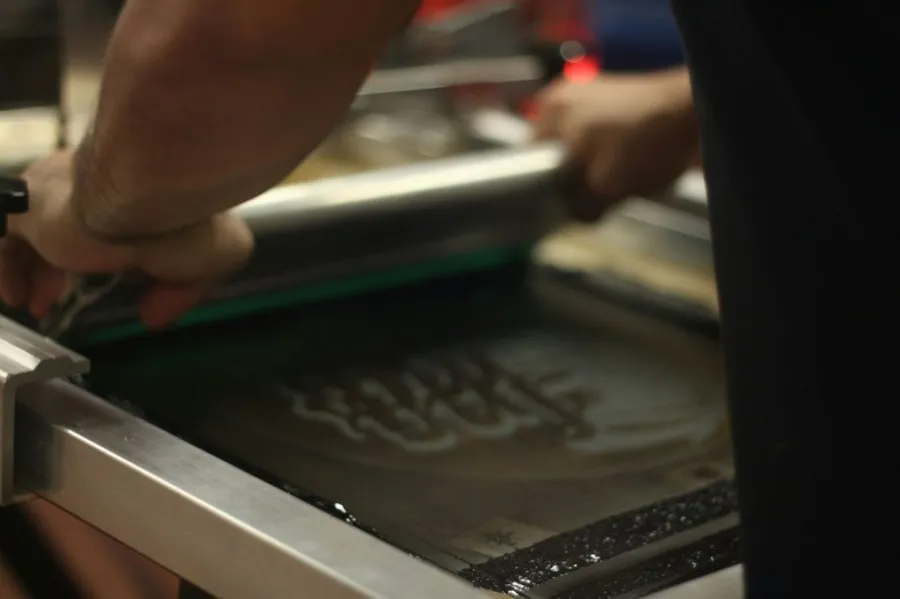
At the heart of it, screen printing, also called silkscreen printing, is a simple but powerful printing technique that utilizes a mesh screen, a stencil and a squeegee to push ink onto a printing surface.
Think of it as a very sophisticated craft stencil. The ink goes through where the stencil allows it to and stays blocked where it doesn’t, and voila, you get your silkscreen print all ready!
Benefits of Silk Screening
There are a few compelling reasons for why this method has remained so popular over the years.
The durability of silk screening allows it to withstand multiple, heavy wash cycles especially on commercial fabric. Unlike some other prints, screen printing lays down a thick layer of ink that is highly durable and long-lasting.
Silk screening has been regarded as a timeless trend in fashion. The vibrant colors allow the print to pop and show off bold, opaque patterns because of the heavy ink deposit.
Moreover, the cost-effectiveness of bulk orders makes printing the same designs over and over very fast and inexpensive, making it an ideal choice for large batches.
Types of Silk Screen Machines
Not all screen printing machine options are the same. They generally fall into three categories, each suited for different needs and budgets.
Manual Silk Screen Machines
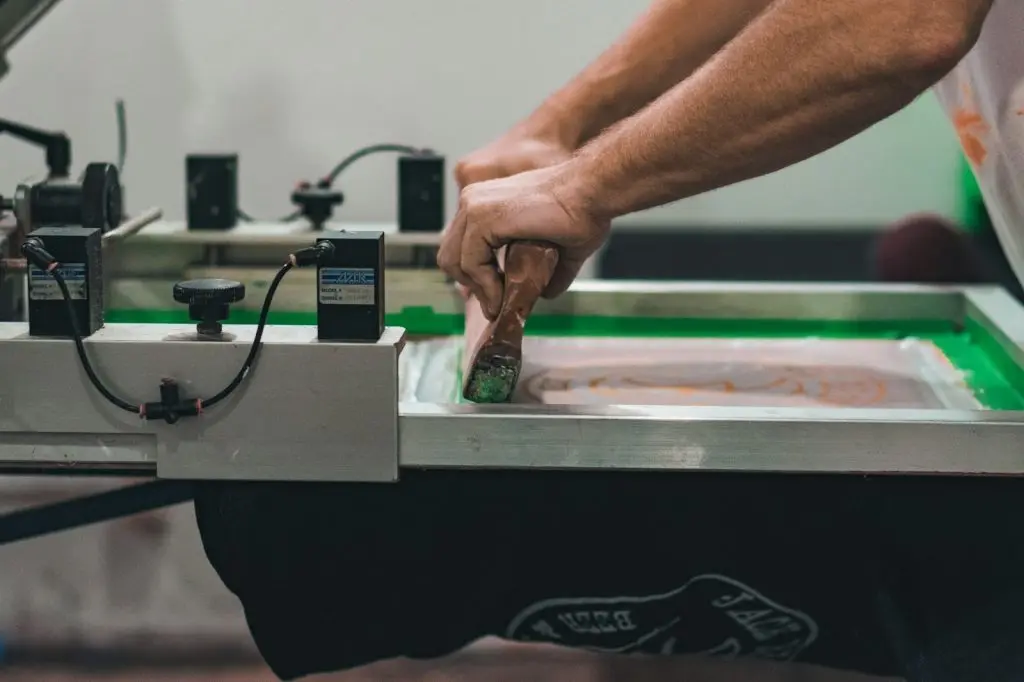
This is where most people begin. A manual press requires you to physically lift the screen and pull the ink across with a squeegee by hand.
This method is the most affordable, great for learning, low maintenance, perfect for small batches and hobbyists.
However, larger business models would counter slower production speed. It can be physically demanding for large orders and has a potential for slight inconsistency in prints.
Semi-Automatic Silk Screen Machines
These machines offer a middle ground. They often use mechanics or pneumatics to assist with the printing stroke, making the process faster and more consistent than a fully manual press.
While boasting higher production speed, more consistent prints and reduced operator fatigue, semi-automatics also come with their own list of cons, those being:
- Higher cost
- More complex setup
- Not ideal for people just starting out
- Much more storage space
Automatic Silk Screen Machines
Now these are the real powerhouses of the industry. Automatic machines can handle the entire printing process with minimal human intervention and are perfect for large-scale production.
They can bear an extremely high output load and are consistent in efficiency for massive orders. These machines can often be found even in large-scale manufacturing factories.
Key Features to Look For In The Best Silk Screen Machine
Whether you’re looking at a manual or a semi-automatic model, here’s what separates a good machine from the best silk screen machine for your needs.
Printing Area Size
Plan out the printing area size before you purchase your silk screen machine. Determine whether you’ll be printing on wrapping paper, t-shirts, souvenir bands etc. This information will be crucial in deciding which type of machine to pick.
Build Quality & Durability
Consider a sturdy machine with a solid steel construction, firm clamps and micro-registration. You don’t want a flimsy piece of metal wobbling about and ruining your design when you’re trying to print.
Ease of Use
If you’re a beginner, just go for a machine that is straightforward to set up and operate. What you’re looking for is simple screen attachment mechanisms and easy-to-adjust pallets make the learning curve much smoother. The goal is to spend more time printing and less time troubleshooting.
Speed & Efficiency
If you’re running a business, speed will directly affect your bottom line. Get a well-designed machine that streamlines the process of loading, printing and curing.
Versatility (Fabrics, Paper, Plastics, etc.)
Can your machine handle different surfaces? Look for machines that offer interchangeable platens or adjustable off-contact. This allows you to print on various materials beyond just standard t-shirts.
Best Silk Screen Machines in 2025
Now for the exciting part. Based on different user profiles, here are some top picks that represent excellent value and performance.
Top Picks for Beginners
For anyone just starting out, the goal is to learn without a massive investment. Start on the simple options. Go for single color printing stations that can be easily manage, set up and maintain over time.
Best for Small Businesses
The machine you get will directly affect your efficiency in business so make sure you choose the right one. There are multiple options for high efficiency machines that can print multicolored designs for small businesses. You can pick something that allows four color printing and has a micro-registration system.
Professional & Industrial Options
Many large shops and businesses require more advanced semi-automatic or automatic presses. These look like significant investments but are absolutely necessary if you want to fulfill hundreds of thousands of orders everyday.
How to Choose the Right Machine for You
Selecting the best silk screen printing machine is a personal decision. Ask yourself these questions to make a suitable decision.
Hobby vs. Professional Use
Be honest about your goals. For the occasional fun weekend hobby, a 1-station manual press would be more than enough. However, if you aim to start generating income, you will find that investing in a multi-color press from the start saves you from a costly upgrade later.
Budget Considerations
Make sure your budget includes the press, inks, screens, a dryer, and other supplies. Reach for a brand that offers accessible and high-quality equipment.
Space & Setup Requirements
Measure your workspace and plan accordingly. A 1-station press is compact, but a 4-color press will need more room. Plan ahead for a drying rack or flash dryer, ink mixing, and screen storage.
Essential Accessories & Tools
A printing press is useless without the right assistant tools. Here’s everything else that you’ll need and everything you need to know about it.
Screens & Frames
These aluminum frames hold your stencil. A lower mesh count is good for bold designs on fabric and a higher count for detailed prints on smooth surfaces.
Squeegees
This tool is used to push the ink through the screen. The hardness of the blade affects the ink deposit. Softer blades are typically used for fabrics.
Inks & Drying Equipment
Using the right ink and drying it the right way is crucial for your print to stay and look bold. Crucially, the ink needs to be cured. Invest in a dedicated flash drier to make this part easier and ultimately cost-effective for you.
Maintenance & Care Tips
Take care of your equipment like it’s your baby. After all, that’s how you get it to last for years without needing maintenance.
Cleaning Your Silk Screen Machine
A clean shop is an efficient shop. Clean your screens and squeegees immediately after every use before the ink dries. Wipe down the press regularly and routinely to prevent ink and dust buildup.
Preventing Wear & Tear
Store your materials properly. Lubricate moving parts as recommended by the manufacturer. Check bolts and clamps periodically to ensure they are tight.
Common Mistakes to Avoid
We’ve listed down some mistakes commonly made by beginners and how you can avoid them.
Overloading the Machine
Don’t try to force a small, manual press to perform like an industrial one. Use it according to its size for maximum efficiency in cost-saving from misprints or wasted materials.
Using the Wrong Inks or Screens
Conduct ample research before starting, and then some more! Using a mesh count that’s too high for fabric ink will result in a poor print. Always match your supplies to your project.
Skipping Maintenance
Neglecting to clean your screen right after printing is the number one cause of ruined, clogged screens. It’s a few minutes of work that saves hours of frustration later.
FAQs
How long does a silk screen machine last?
A silk screen machine can last 5-15 years or more with proper care. But your durability comes down to the build quality, frequency of use, and maintenance. Regular cleaning and maintenance can extend its lifespan, making it a reliable investment for hobbyists and even industrial setups.
Can I use it for both fabrics and paper?
Yes, silk screen machines are versatile and work on both fabrics and paper. You’ll need the right mesh count, inks, and setup depending on the surface. For example, fabric inks differ from paper inks. With correct materials, the same machine can print on textiles, posters, packaging, and more.
Is silk screening beginner-friendly?
Silk screening is beginner-friendly once you learn the basics. Manual machines are especially suitable for newcomers since they’re affordable and simple to use. Beginners can start with small projects, experiment with designs, and gradually upgrade to advanced setups.
What’s the difference between manual and automatic machines?
Manual silk screen machines require physical effort to pull ink across screens, making them slower but affordable and ideal for small batches. Automatic machines use motors to handle printing. They suit businesses with larger orders and require a bigger budget and space.
Conclusion
Finding the best silk screen machine is about finding the perfect tool that matches your ambition, budget, and skill level. And for many, that sweet spot is found with a reliable and affordable starter like a single color set up.
Regardless, whether you start with a simple 1-color press or jump into multi-color printing with a 4-color model, you’re investing in a gateway to creativity and potential business.
Now that you’re armed with all this knowledge, you’re ready to make an informed choice and start your screen printing journey with confidence. Happy printing!