Keeping your meat slicer blade sharp at home makes slicing easier, faster, and much safer. A dull blade not only struggles to cut food evenly but also raises the risk of accidents. Safety should always come first, so work slowly and protect your hands while sharpening. The good news is that you don’t need complicated tools or professional help—you can learn how to sharpen a meat slicer blade at home with simple methods. A well-sharpened blade delivers cleaner, smoother cuts, keeps your food looking neat, and even helps your slicer last longer. Sharpness truly makes all the difference.
Tools and Safety Before Sharpening
Before beginning the process of how to sharpen a meat slicer blade at home, it’s important to prepare carefully. Sharpening a blade involves working with sharp edges, so having the right tools and following safety steps will protect both you and your slicer. A little preparation makes the job easier, faster, and far more effective. Let’s go over the essential tools you’ll need and the key precautions you should always take before getting started.
What You Need
Having everything ready before you begin ensures that the sharpening process goes smoothly. These are the essentials:
- Sharpening stone or built-in sharpener — always check your slicer’s manual first to see which applies to your model.
- Food-grade oil — this helps the sharpening stone glide smoothly and prevents friction.
- Protective gloves — cut-resistant gloves are highly recommended for keeping your hands safe.
- Cleaning supplies — use mild soap, a soft cloth, and clean water to prepare and finish the blade.
It’s worth noting that some slicers, especially certain VEVOR meat slicer models, come with built-in sharpeners. In this case, you may not need a separate stone, but you should still keep your supplies nearby for cleaning and safety.
Safety Tips
Working with blades means safety should always be your top priority. Keep these steps in mind every single time you sharpen:
- Unplug the slicer before touching or handling the blade to avoid accidents.
- Wear protective gloves to protect your hands from cuts and slips.
- Secure the blade firmly so it doesn’t shift while sharpening.
- Clear your workspace of unnecessary items that may get in the way.
- Wash the blade first with soap and water to remove food residue, making sharpening smoother.
Take your time with each step instead of rushing. A calm, careful approach reduces risks and ensures your sharpening is effective. With the right preparation, you’ll not only stay safe but also get the best results from your slicer.
How to Sharpen a Meat Slicer Blade at Home: Step-by-Step
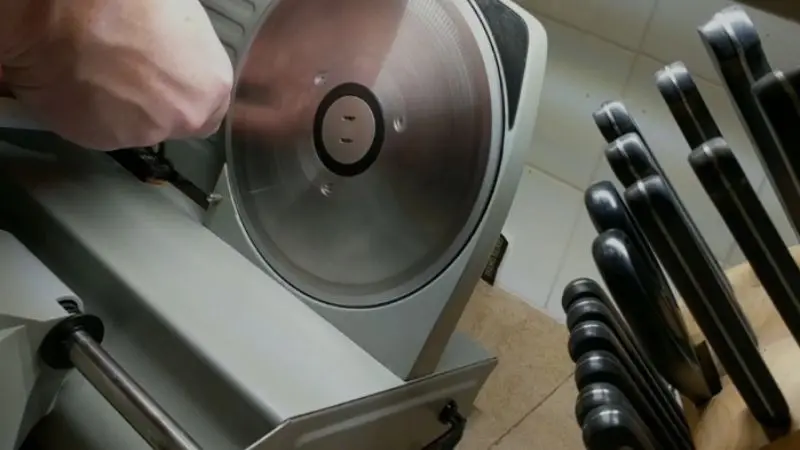
Before sharpening, it’s important to understand the process and the safety steps involved. A sharp blade makes slicing easier, keeps food looking neat, and helps your machine last longer. Whether you’re following a step-by-step guide to sharpening a meat slicer blade or learning how to sharpen a VEVOR meat slicer blade, the method is straightforward once you’re prepared.
Preparing Your Meat Slicer Before Sharpening
The preparation is the initial step. Switch off your slicer and wipe your workspace. Use an abrasive soap and a soft cloth, and wash your blade thoroughly, removing any grease or food debris before wiping off with a soft cloth. When your appliance is not too complex, take out the blade cautiously as per your manual.
To prevent cuts on your hand, always wear cut-resistant gloves. Hold the blade to make sure that it does not slip when sharpening. This preparation process provides the proper environment to sharpen as well as ensure that the process is safe and efficient. Sharpening may be unsafe and less accurate without the correct setup.
How to Use a Sharpening Stone on a Meat Slicer Blade
If your slicer doesn’t have a built-in sharpener, you’ll need to use a sharpening stone. Apply a few drops of food-grade oil to the stone so it glides smoothly. Hold it at the same angle as the blade’s edge, then move it in gentle circular motions across the blade.
Take your time and check sharpness as you work. Keep your hands away from the sharp edge at all times. After several minutes, wipe the blade clean to remove oil and metal dust. This simple technique is the most reliable step-by-step guide to sharpening a meat slicer blade without built-in tools.
How to Sharpen a VEVOR Meat Slicer Blade with a Built-in Sharpener
Some slicers, like VEVOR models, come with a built-in sharpener, making the process much easier. Begin by reading your manual, since every machine has specific instructions. Attach the sharpener properly, plug in the slicer if it’s safe, and then activate the sharpener using the button or knob.
Allow it to run only for a few seconds, as over-sharpening can damage the blade. Once complete, unplug the slicer, remove the sharpener, and clean the blade with a cloth. Learning how to sharpen a meat slicer blade using its built-in sharpener saves time and gives consistent results.
Cleaning and Testing After Sharpening the Blade
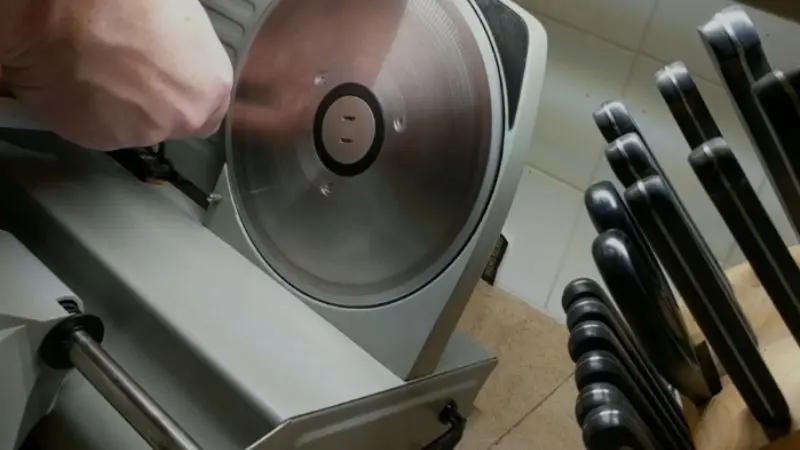
Once sharpening is complete, clean the blade again to remove oil and residue. Use a soft cloth with mild soap and water, then dry it thoroughly. If you removed the blade earlier, reattach it carefully following the manual’s instructions. Test the slicer by cutting a small piece of food to make sure the blade is sharp and smooth.
A properly sharpened blade should slice easily without tearing. Regular cleaning and sharpening not only keep your meat slicer performing well but also ensure food safety. This last step completes the process of how to sharpen a meat slicer blade at home.
Wrap Up
Keeping your meat slicer blade sharp is the key to safe, smooth, and efficient slicing. Whether you choose a sharpening stone or a built-in sharpener, the process is simple once you follow the right steps. From preparing your workspace to carefully cleaning up afterward, each part plays an important role.
Now that you know how to sharpen a meat slicer blade at home, you can maintain your machine with confidence. A sharp blade doesn’t just make slicing easier—it also helps your slicer last longer and keeps your food looking neat and professional.
FAQ
1. So what is the frequency of sharps in your meat slicer?
Straighten your meat slicer blade after every couple of months. When the cuts are dull or the blade needs additional effort when slicing, use a step-by-step process guide on how to sharpen meat slicer blades.
2. Is it possible to sharpen the blade of a meat slicer with any sharpening stone?
A sharpening stone should always be food-grade. It is not risky, avoids injury, and has a smooth finish in learning how to use a sharpening stone on a meat slicer blade.
4. So what do you do when the blade remains dull after sharpening?
Wipe the blade completely, and hack slack. When it becomes dull, then attempt professional servicing rather than forcing cuts, which may spill into your slicer.
5. Can a meat slicer blade be sharpened at home?
You can, and still be safe, so long as you unplug the slicer, use cut-resistant gloves, and follow clear directions on how you can sharpen a meat slicer blade at home.