Have you ever wanted a beautiful garden but got frustrated by the price or quality of store-bought arches? You can create your own DIY Garden Arch with just a little time and effort!
Building it yourself lets you pick the style and materials that fit your space. So if you want to learn how to build a DIY garden arch, you’re in the right place! Let’s get started with everything you need to know about how to build a DIY Garden Arch.
Materials You Need For DIY Garden Arch

Choosing the right materials makes your DIY Garden Arch strong and beautiful. You have several good options, each with its own benefits, but when it comes to choosing the best arch, you need one that is not only pretty but sturdy as well.
Wood Options
Wood gives your arch a classic, natural look. Many people like rot-resistant wood, such as cedar or redwood. These types last longer outdoors. You can paint or stain wood to match your garden style.
Tip: In humid places, pick moisture-resistant treated wood to help your arch last longer.
Metal Panels
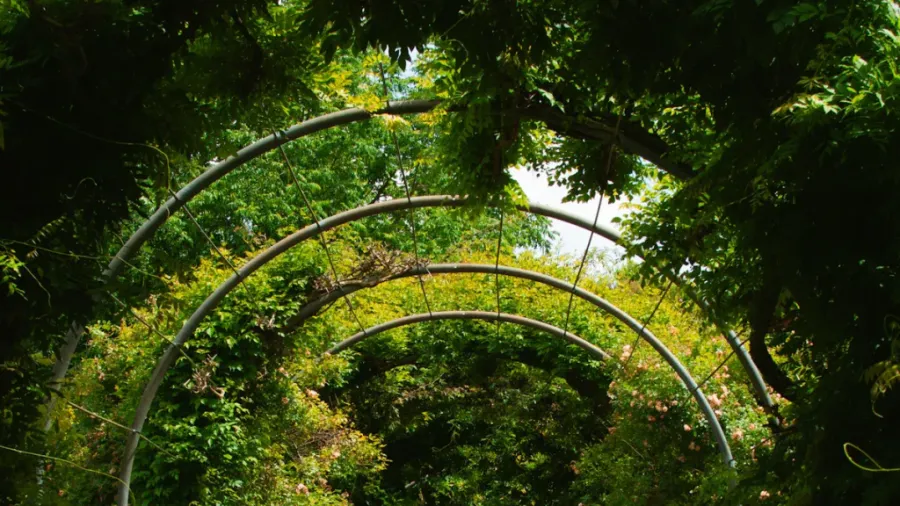
Cattle panels work great for garden arches. They are strong and can hold heavy plants like melons or squash. You can bend them into arches or use them as trellises.
- Very sturdy and versatile
- Easy to secure with T-posts
- Perfect for raised beds or long trellis runs
PVC Choices
PVC pipes are lightweight and easy to shape. You can build arches or tunnels quickly with them. PVC works well for garden entrances or fun shapes.
- Simple to cut and connect
- Good for quick projects
- Easy to move if you want to change your garden layout
Fasteners
You need the right fasteners to hold your arch together. Use screws or bolts for wood. Zip ties or wire work well for metal and PVC. Always choose the fastener that can survive through all types of weather conditions.
Here’s a quick look at some material properties:
| Material | Key Properties | Best Use |
| Cattle Panels | Very strong, supports heavy plants | Trellises, arches, raised beds |
| PVC | Lightweight, easy to shape | Quick arches, tunnels |
| Rot-resistant Wood | Classic look, can be painted/stained | Traditional arches |
When picking materials, think about your local weather and how much time you want to spend on upkeep. If you want something eco-friendly, try reclaimed wood or recycled metal. Your choice shapes the look and life of your garden arch.
Tools
Building an easy DIY garden arch is much easier when you have the right tools. You do not need a fancy workshop. You just need a few basics to get started. Let’s break down what you’ll need for each step.
1. Measuring Tools
You want your arch to look even and stand tall. Start with a tape measure for accurate lengths. A speed square helps you mark straight lines and angles. Use a post level to make sure your posts stand up straight.
Tip: If you do not have a post level, try using a regular level and check from two sides.
2. Cutting Tools
Cutting your materials to the right size is important. A miter saw gives you clean, angled cuts, which is great for wood arches. A jigsaw works well for cutting curves or special shapes. If you do not own power tools, a simple hand saw can do the job, but it may take more time. For PVC, a pipe cutter or hacksaw works best.
- Miter saw (for precise angles)
- Jigsaw (for curves)
- Hand saw or pipe cutter (for simple cuts)
3. Fastening Tools
You need to hold everything together. A drill with the right bits makes it easy to drive screws into wood or metal. Clamps help keep pieces steady while you work. Use water-resistant wood glue on your diy garden arch for extra strength on wood arches. For metal or PVC, zip ties or wire can secure panels quickly.
Note: Always pick screws and fasteners that can handle rain and sun.
4. Safety Gear
Safety comes first. Wear safety glasses to protect your eyes from dust and flying bits. Gloves keep your hands safe from splinters and sharp edges. If you use power tools, use of muff or ear plugs is a must for ear protection.
- Safety glasses
- Work gloves
- Ear protection (for loud tools)
If you are just starting out, you can borrow tools from friends or check if your local hardware store rents them. You do not need every tool on this list, but having the basics will make putting it together way easier and help it go smoothly.
Vevor Resources You’ll Need
When you want to make your garden project simple and strong, VEVOR has you covered. Our products help you build a garden arch that lasts and looks great. Let’s see how VEVOR can help you learn how to build a DIY garden arch:
1. Garden Arch Kits
VEVOR offers ready-to-assemble garden arch kits. You get all the parts you need in one box. The instructions are clear, and the pieces are labeled. Many people say these kits are easy to put together, even if you have never built anything before.
These arch kits are:
- Easy to build
- Looks beautiful
- Easy to move around
- Come with labelled parts and instructions
You can set up your arch by yourself. The kits have beginner friendly instructions for you to easily assemble the arch yourself.
2. Power Tools
Power tools make your job faster and easier. You can use them for cutting, drilling, or grinding. These tools work for many garden tasks, so you do not need to buy lots of different tools.
- Strong motors help you finish jobs quickly.
- Ergonomic handles make them comfortable to hold.
- Built with tough materials for long life.
- Many users say the tools are reliable and save money.
- Warranties and good customer support give you peace of mind.
Fasteners
You need the right fasteners to keep your arch sturdy. VEVOR has a wide range of screws, bolts, and zip ties. These fasteners hold up well in rain and sun. You can pick what fits your project best.
Tip: Use weather-resistant fasteners for a longer-lasting arch.
Weatherproofing
VEVOR also offers weatherproofing products. You can find paints, sealants, and covers. These help protect your arch from water, sun, and wind. A little weatherproofing keeps your arch looking new for years.
With VEVOR’s kits, tools, and accessories, you can build a DIY Garden Arch that stands strong and looks amazing. You save time, money, and effort while getting great results.
How to make a DIY garden arch in 6 steps
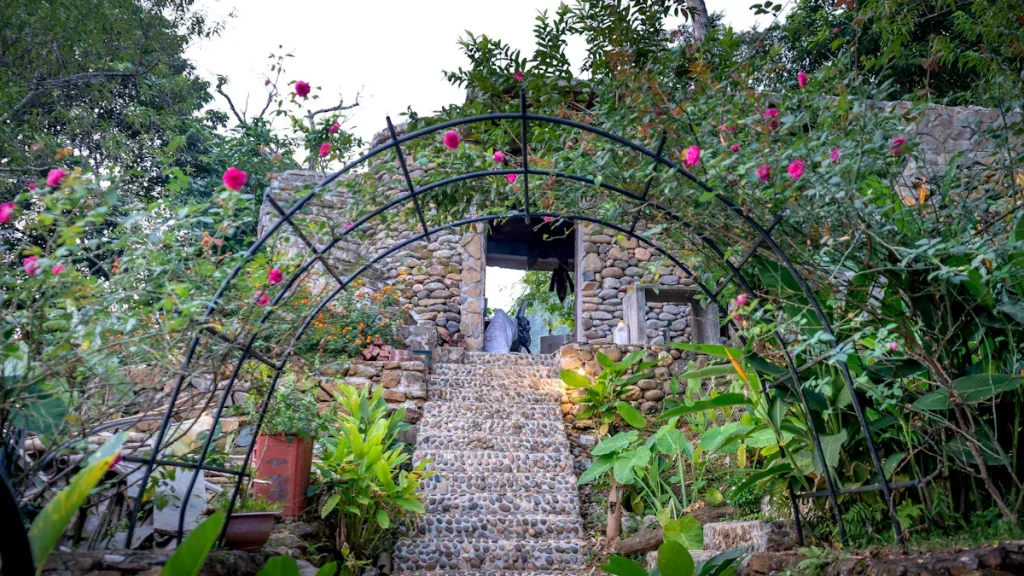
Building your own DIY Garden Arch is easier than you might think. Just follow these steps, and you’ll have a sturdy, beautiful arch ready for your garden.
1. Pick the spot
Walk around your garden and find the perfect place for your arch. Think about how you want to use it. Will it connect raised beds? Mark an entrance? Or just add a pretty feature?
2. Measure the Area
Use a tape measure to check the width and height you want. Experts suggest leaving 2 to 3 feet between raised beds for easy walking. Pathways should be at least 2 feet wide so you can move comfortably.
3. Sketch Your Layout
Draw a quick sketch of your arch and the space around it. This helps you see if the size fits your garden. Don’t let your arch span just one raised bed. This can shade your plants too much. For bigger gardens, group beds with arches to create outdoor “rooms.”
| Dimension | Recommended Measurement / Guideline |
|---|---|
| Height | About 1.6 times the width |
| Width | 2/3 of the height (e.g., 4 ft wide → 6 ft tall) |
| Depth | 1/3 to 1/2 of the width |
Tip: For a balanced look, make the height about 1.6 times the width. For example, a 4-foot wide arch should be about 6 feet tall.
4. Choose Your Design Style
Decide what look you want. Do you like classic wood, modern metal, or easy PVC? Here’s what each option means for your design style:
- Wooden arches fit traditional or rustic gardens.
- Metal arches look great in modern or industrial spaces.
- PVC arches work well for quick, budget-friendly projects.
| Arch Type | Key Features & Materials | Best For |
| Wooden Arches | Cedar, redwood, custom shapes | Traditional, rustic gardens |
| Metal Arches | Cattle panels, utility panels | Modern, long-lasting designs |
| PVC Pipe Arches | Flexible, easy to shape | Temporary, budget projects |
| Recycled/Sustainable | Pallets, reclaimed wood/metal | Eco-friendly, unique projects |
Cut and Prep
Use a pencil and tape measure to mark your cuts on wood, metal, or PVC. Double-check your numbers before you begin to cut up any of your material.
Then you should begin to cut your materials:
- For wood: Use a miter saw for straight cuts and a jigsaw for curves. Clamp your wood before cutting. Then, sand rough edges on wood.
- For metal: Use bolt cutters or a hacksaw for cattle panels. Wear gloves and wipe down metal to remove sharp bits.
- For PVC: Use a pipe cutter or hacksaw.
Tip: Always wear safety glasses and gloves. If you use power tools, add ear protection.
Assemble Frame
Start by putting together the two side pieces of your arch. For wood, screw or bolt the posts and crossbeams together. For metal or PVC, connect the sides with zip ties, wire, or pipe fittings.
Attach the curved or straight top piece. Use clamps to hold everything steady while you fasten it.
Use a level to make sure your arch stands straight. Adjust as needed before tightening all fasteners.
You should also add extra support, depending on your arch material:
- For wood: Add angled braces for strength.
- For metal: Secure panels with hose clamps or galvanized pipe straps.
- For PVC: Use extra fittings or T-joints for stability.
Note: Always drive stakes or posts at least one foot into the ground for a sturdy frame. If you use cattle panels, anchor them with T-posts.
Dig Holes or Set Stakes
Dig holes for your arch legs or drive stakes deep into the ground. Make sure they are even and straight and secured tightly.
Once you’ve securely dug the hole for the arch, it’s time to implement the arch itself in this position:
- For wood: Set posts in concrete or pack soil tightly around them.
- For metal: Attach panels to T-posts or secure to a fence.
- For PVC: Push legs into the ground or use ground spikes.
Give your arch a gentle shake. If it wobbles, add more support or tighten fasteners.
Tip: Use zip ties or wire to connect your arch to nearby structures for extra strength.
Apply Weatherproofing and Finishing Touches
If you want your DIY garden arch to last you a long time, you’ll need to add some finishing touches and make it waterproof. After all, your DIY timber garden arch will have to stand the elements and the test of time.
- For wood: Apply two coats of exterior sealer or linseed oil. Let each coat dry for 24 hours.
- For metal: Use rust-resistant paint or spray.
- For PVC: Wipe clean and check for cracks.
Next, you should seal cracks and joints. Fill small gaps with wood filler or caulk to keep water out. Finally, add some finishing touches to make it look yours:
- Paint or stain wood to match your garden.
- Wrap fairy lights or hang planters for extra charm.
- Plant climbing flowers like roses, clematis, or beans at the base.
FAQ
What is the easiest material for a beginner to use?
PVC pipes work best for beginners. You can cut and connect them with simple tools. They are lightweight and easy to move. If you want a quick project, start with PVC.
How do I keep my garden arch from falling over?
You should anchor your arch deep in the ground. Use ground spikes, T-posts, or set wood posts in concrete. Give your arch a gentle shake to check stability before planting anything.
Do I need to weatherproof my arch?
Yes, you should always weatherproof your arch. Use exterior sealant on wood, rust-resistant paint on metal, and check PVC for cracks. This step helps your arch last longer outdoors.
What plants grow best on a garden arch?
Climbing roses, clematis, beans, and morning glories all work well. Pick plants that match your climate. Fast-growing vines will cover your arch quickly and add lots of color.
Can I build an arch without power tools?
You can! Use a hand saw for wood or a hacksaw for metal and PVC. Borrow tools from friends or rent them if needed. Take your time and measure carefully for the best results.
Conclusion
Building DIY Garden Arch ideas is a fun project that adds beauty and function to your garden. Take your time with each step, and don’t rush. You’ll enjoy the results every time you walk through your new arch!
You can build a DIY Garden Arch with just a few tools and some creativity. Try different materials like cedar, recycled metal, or even old ladders to save money and add style. Shop VEVOR to build your DIY garden arch today!