If you live in a small apartment without access to a backyard, it’s easy to start missing out on nature. Gardening is an activity that grounds you and relaxes millions of people but those in apartments often don’t know how to enjoy it.
But if you still want fresh herbs on your windowsill, juicy tomatoes for your salads and overall greenery, then container gardening might be for you! Almost 40% of gardeners now use container gardening.
Container gardening lets you grow your favorite plants almost anywhere. It does not matter how much space or time you have. So in this article, we’re going to talk about container gardening meaning, benefits and much more.
What is container gardening?
Container gardening means growing plants in pots, buckets, or any type of container instead of planting them directly in the ground. You use soil or special planting mixes inside these containers.
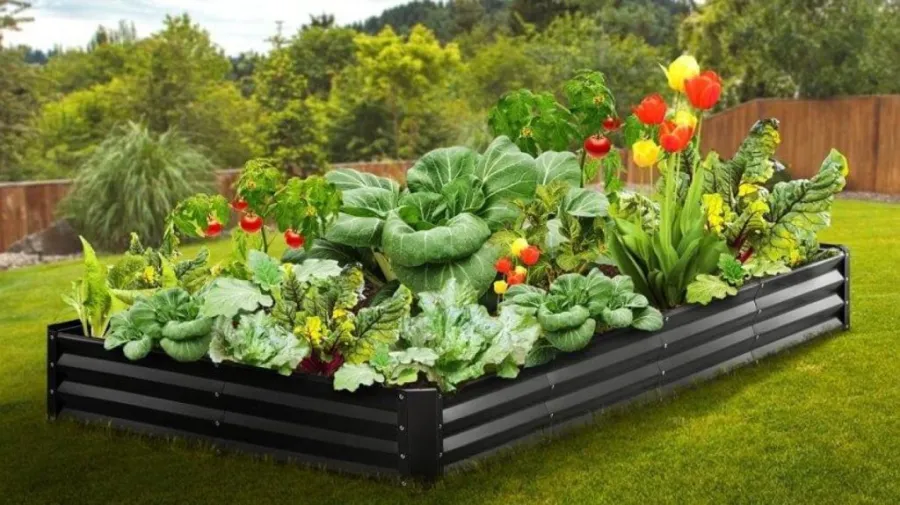
This method helps you avoid problems like poor soil quality or bad drainage in your yard. You can pick containers made from plastic, ceramic, metal, or even fabric. Each container should have holes at the bottom for water to drain out. You get to choose the right size and shape for your plants. This way, you control the soil, water, and even the look of your garden.
How does container gardening work?
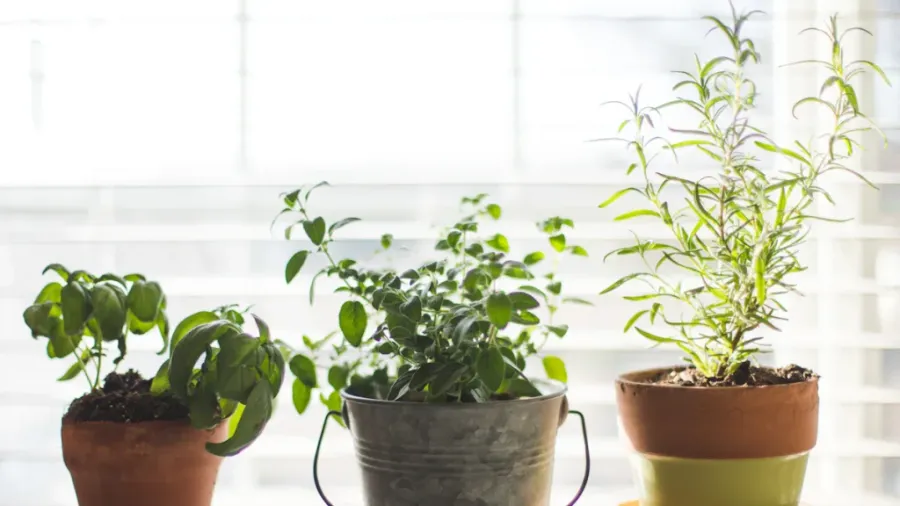
You can start container gardening almost anywhere. Place containers on your balcony, windowsill, porch, or even a rooftop. Many people in cities use this method because they do not have a yard. You fill your container with good soil or a special mix made for pots.
Then, you plant seeds or young plants. Water them often, since containers dry out faster than garden beds. Move your containers to catch the best sunlight or to protect your plants from harsh weather. You can even use self-watering pots or fabric grow bags to make things easier.
Container gardening lets you grow many types of plants, such as vegetables, herbs, and flowers. You can even use old buckets or repurposed items as containers. This method works well for people with limited space or special needs. It gives you the freedom to design your garden just the way you like.
Why try container gardening?
- Grow Anywhere: You do not need a yard or big space. Place containers wherever you have room and sunlight.
- Simple to Get Started: Little experience is required. For novices, container gardening is ideal.
- Flexible Design: Rearrange containers to change the appearance of your garden. Every season, try a different plant.
- Improved Control: You are in charge of fertilizer, water, and soil. This keeps your plants healthy.
- Increases Food Security: You can grow fresh herbs and vegetables in even tiny container gardens. This is a common way for families to incorporate nutritious foods into their meals.
Benefits of container gardening
Space Saving
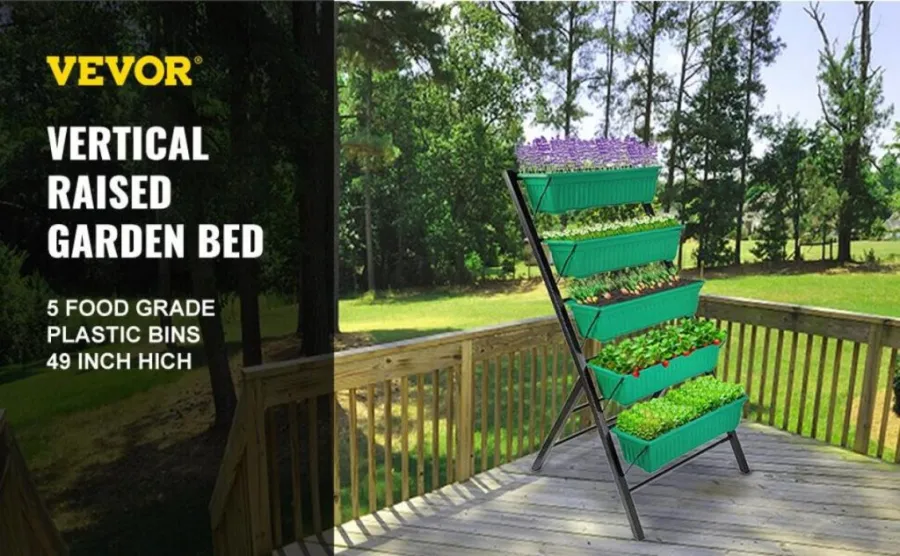
With container gardening, you can grow plants practically anywhere. Growing spaces can be created on windowsills, patios, small balconies, and even doorsteps. A large yard is not necessary. Containers are frequently stacked or hung using wall fixtures, hooks, or shelves.
With this technique, you can cultivate more plants in a smaller area. By using a growing ladder or layering pots, vertical gardening is even more feasible. On a tiny balcony and windowsill, some gardeners have produced more than 180 pounds of food.
Containers can be brought inside when it gets cold or moved around to catch the sun. Because of this, container gardening is ideal for homes with little outdoor space or for city dwellers.
- Grow plants on balconies, patios, or indoors.
- Use vertical space with shelves or hanging pots.
- Move containers to protect plants from weather.
Easy for Beginners
If gardening is new to you, container gardening is a great place to start. You don’t have to worry about poor soil or dig up your yard. This approach is popular among novices due to its ease of use and lack of complexity. You only need a few pots to get started.
Container gardening has become more and more popular, particularly with novice gardeners. During the pandemic, a lot of people started gardening, and container gardening made it simple for them to get started. Numerous do-it-yourself kits and smart pots are available to further simplify the process.
Flexibility
What, where, and how you grow are all up to you. Container gardening is effective in a variety of settings. Your garden can be modified to suit your needs and available space. Simply add another pot if you want to experiment with different plants.
Gather your containers and move your garden if necessary. You can grow plants indoors or out, switch up the soil, and use different kinds of containers. You can adjust to changes in the weather, your surroundings, or your own schedule thanks to this flexibility.
- Choose from plastic, clay, metal, or fabric pots.
- Place containers at comfortable heights for easy access.
- Move plants to follow the sun or avoid harsh weather.
Control
With container gardening, you have more control over your plants. You select the soil and modify it for every plant. Fertilizer, sunlight, and water are easier to control. You can treat a single container rather than your entire garden if you find pests or illnesses.
You can select drought-tolerant plants, apply mulch, and use various soil mixtures. To maintain the health of your plants, you can also rotate your crops or refresh the soil. This degree of control makes gardening less stressful and improves plant growth.
Best Plants for Container Gardening
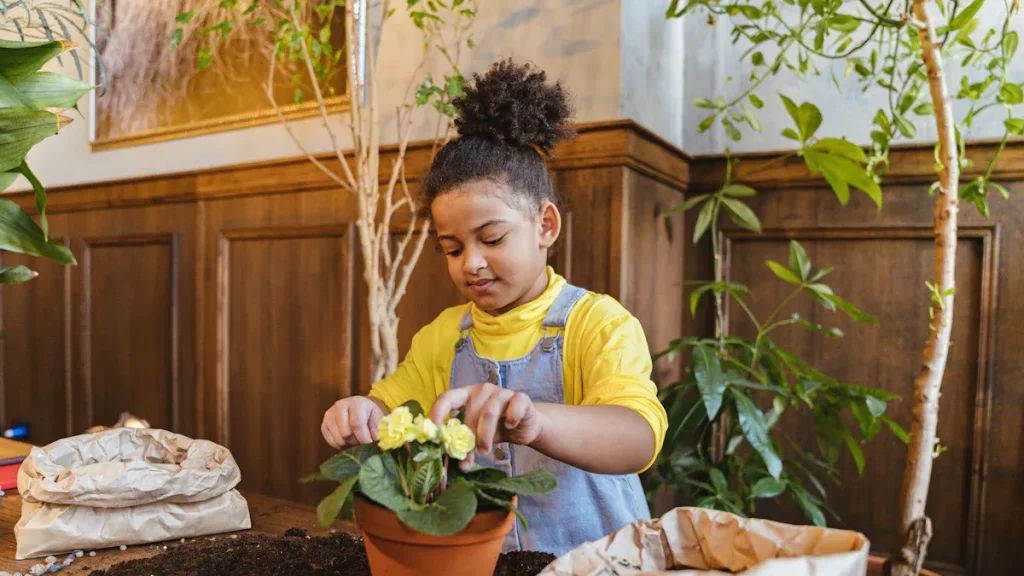
Making the right plant choices adds enjoyment and satisfaction to container gardening. Simple pots can be used to grow a wide range of flowers, herbs, and vegetables. In actuality, depending on their size, requirements, and growth patterns, some plants thrive in these containers more than others.
The top plants for container gardening are listed here.
Vegetables
You can grow a surprising number of vegetables in containers. Many people enjoy vegetable container gardening because it fits small spaces and gives quick results. Some of the best container gardening vegetables include:
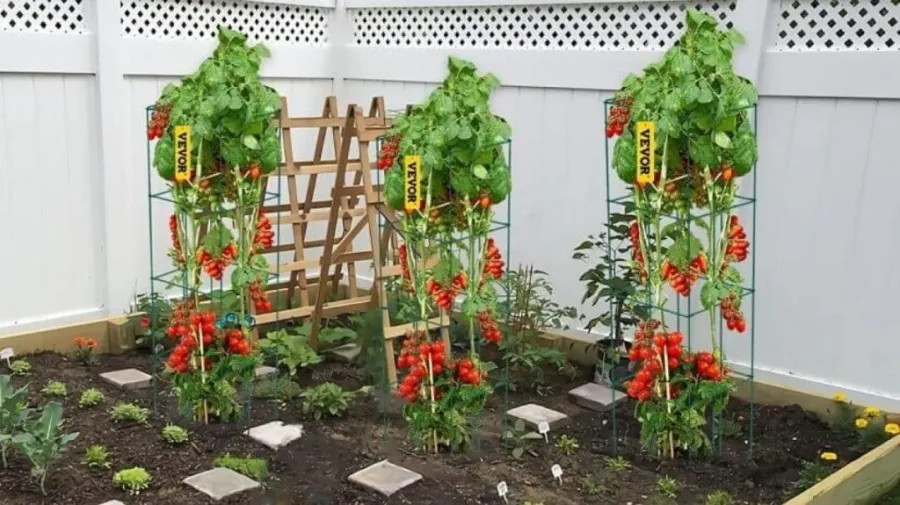
- Tomatoes – Cherry and bush types work well in pots. They need a big container and lots of sun.
- Peppers – Both sweet and hot peppers thrive in containers.
- Lettuce – Leafy greens like lettuce, spinach, and arugula grow fast and do not need deep soil.
- Carrots – Choose short or round varieties for best results.
- Beets – These root veggies do well in deep pots.
- Beans – Bush beans are easy to grow and give a good harvest.
Container-based systems, like hydroponic setups or vertical gardens, often produce more vegetables per square foot than traditional gardens. You can enjoy fresh salads and snacks right from your balcony or porch.
Tip: Use a 5-gallon or larger pot for tomatoes and peppers. Smaller pots work for lettuce and herbs.
Herbs
Herbs are perfect for container gardening. They stay small, grow quickly, and add flavor to your meals. Here’s a quick guide to some top choices:
| Plant Name | Growth Habit & Size | Sunlight Needs | Container Tips |
| Lemon Thyme | 6-12″ tall, trailing branches | Full sun | Grows well in tight spaces, prune often |
| Lemon Balm | 2′ tall, bushy | Full sun | Controls spread in pots, fertilize for more leaves |
| Basil | 12-24″ tall, upright | Full sun | Pinch tops for bushier growth |
| Mint | 12-18″ tall, spreading | Partial sun | Keep in pots to prevent spreading |
| Parsley | 10-12″ tall, compact | Full sun | Water regularly, harvest leaves often |
You can place herb pots on a sunny windowsill or patio. Herbs like lemon thyme and lemon balm grow well in containers and need regular pruning and feeding.
Flowers
Flowers bring color and beauty to your container garden. Many types do well in pots and even indoors. Some of the best plants for container gardening in the flower category include:
- Nasturtium ‘Alaska’ – Bright blooms and edible leaves. Grows in lean soil and needs little fertilizer.
- Petunias – Colorful and easy to grow. Perfect for hanging baskets.
- Marigolds – Hardy and cheerful. Help keep pests away.
- Pansies – Great for cool weather and small pots.
- Geraniums – Classic choice for sunny spots.
Container gardening methods, like the pot technique and capillary action, help flowers thrive by giving you control over water and nutrients. Many gardeners find that flowers grown in containers have brighter colors and better quality than those in the ground.
Note: Try mixing flowers and herbs in one large pot for a beautiful and useful display.
Choosing Containers
Types
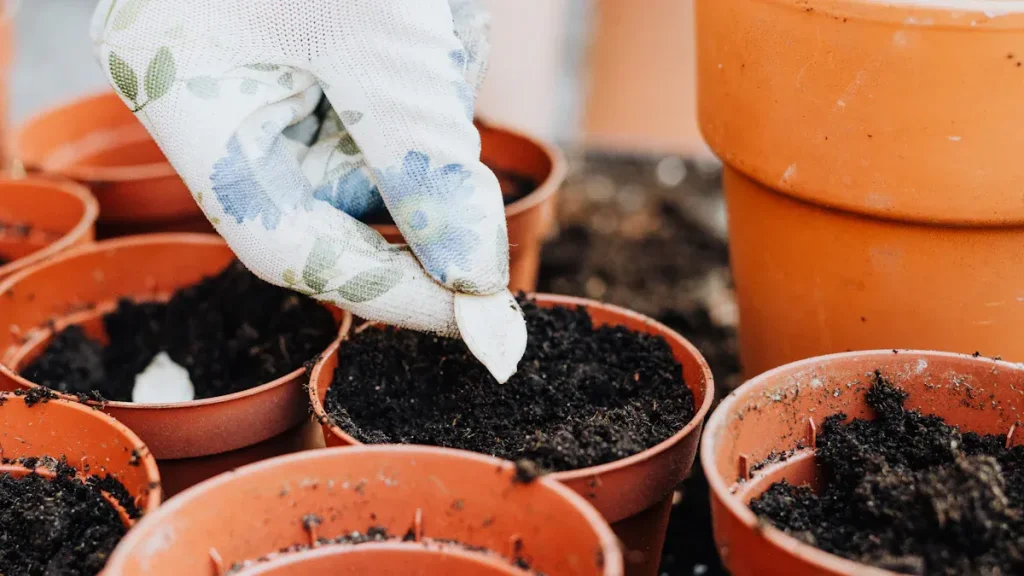
When you start container gardening, you get to pick from many types of containers. Each material has its own look and benefits. Here are some common choices:
- Plastic pots: Lightweight and affordable. They keep moisture well, so you water less often.
- Pots made of terracotta or ceramic: These have a timeless appearance and allow air to reach the roots. In cold weather, terracotta can crack and dries out more quickly. Although they can be heavy, ceramic pots retain water better.
- Containers made of metal are robust and fashionable. For added protection, you might want to line them because they can rust when heated by the sun.
- Fabric grow bags allow roots to breathe and are portable. They are suitable for a wide variety of vegetables.
- Wooden boxes are robust and natural. Verify that no chemicals are being used on them.
Tip: VEVOR offers a wide range of planters in different materials, so you can find the perfect match for your container gardening project.
Size and Drainage
Two important aspects of container gardening are choosing the appropriate size and ensuring that your container drains properly. Your container should be the same size as the root system of the plant. Tomatoes and other larger plants require at least a 5-gallon pot. Smaller, shallower pots are suitable for growing leafy greens. Here is a brief guide:
| Plant Type | Recommended Depth | Container Size |
| Lettuce, Chives | 6-9 inches | Small/Medium |
| Peppers, Carrots | 12-18 inches | Medium/Large |
| Tomatoes, Beans | 18-24 inches | Large (5+ gallons) |
All containers must have drainage holes. This keeps water from pooling and stops root rot. Use a quality potting mix, not garden soil, for better air and water flow. Avoid adding rocks at the bottom, this does not help drainage.
Creative Ideas
Starting container gardening doesn’t have to cost a lot of money. Buckets, tin cans, and plastic bottles are among the recycled materials that many gardeners use as planters. You can make unique pots out of old wooden crates, baskets, and even shoes. Pallets or stacked pots can be used to create vertical gardens that look fantastic and save space. To grow more plants for less money, community gardens frequently use repurposed or donated containers.
Container gardening for beginners
Soil
The proper soil should come first. Instead of using garden soil, use a high-quality potting mix. Potting mixes are sterile, light, and porous. They facilitate the flow of air and water to plant roots. For improved drainage and moisture retention, you can incorporate coconut coir, vermiculite, or perlite.
Compost provides additional nutrients for your plants. To keep soil in and allow water to escape, cover drainage holes with fabric or fine mesh. A lot of gardeners use organic mixes such as Black Gold, Espoma, or FoxFarm. These mixtures encourage robust growth and healthy roots.
Planting
Choose plants that are appropriate for the size of your container. For optimal results, select dwarf or compact varieties. Put shorter plants around the edges and taller ones in the back or center.
Combine plants that require similar amounts of water and sunlight if you want to grow more in a single pot. When planting, apply slow-release fertilizer. This helps your plants get off to a good start. After planting, water thoroughly and gently press the soil around the roots.
Watering
Every day, check the soil. Insert your finger into the upper inch. Water deeply until water runs off the bottom if it feels dry. You might need to water every day in hot weather.
To avoid leaf diseases, do not water in the late hours of the day. If you wish to keep leaves dry, water them from the bottom of trays. Allow the soil to dry slightly in between waterings because overwatering can result in root rot.
Placement
Choose the ideal location for your containers. The majority of flowers and vegetables require at least six hours of sunlight. Throughout the day, observe how the sun moves across your area.
Place sun-loving plants in bright spots and shade-tolerant ones where it is cooler. Move containers as the seasons change to catch more or less sun. This helps your plants grow strong and healthy.
FAQ
What is the best soil for container gardening?
You want a light, fluffy potting mix. It holds water but drains well. Avoid using garden soil. Potting mix gives your plants the nutrients and air they need to grow strong.
What plants grow well in containers?
You can grow herbs, flowers, and many vegetables. Tomatoes, peppers, lettuce, basil, and marigolds all do great. Look for compact or dwarf varieties. These fit better in pots and need less space.
What size container should you use?
Pick a container that matches your plant’s size. Small herbs need little pots. Tomatoes and peppers need at least a 5-gallon container. Always check the plant tag for size tips.
Conclusion
You now understand what container gardening is and why so many people find success with it. Fresh flowers, vegetables, or herbs can be grown practically anywhere.
Container gardening is accessible to all. Neither a large yard nor a lot of experience are necessary. To assist you in starting your own garden, VEVOR provides high-quality planters and gardening supplies. Enjoy fresh, domestically grown plants at home by starting today!