For any homeowner, a clogged main sewer line can be a real pain. It can cause your drains to slow, make your house smell bad, and even allow sewage to back up into your home. The problem will only worsen if you don’t address it. Many people think they need to call a plumber right away, but you can often fix the issue yourself. But the question is, how to clear a main sewer line clog yourself.
You can easily clear the clog if you have the right tools, some knowledge, and follow some safety steps. This guide will show you how to unclog your sewer line easily, provide tips on how to properly inspect your plumbing, and offer simple ways to prevent your pipes from getting clogged again. Don’t spend money on expensive plumbing services.
Recognise a Main Sewer Line Clog
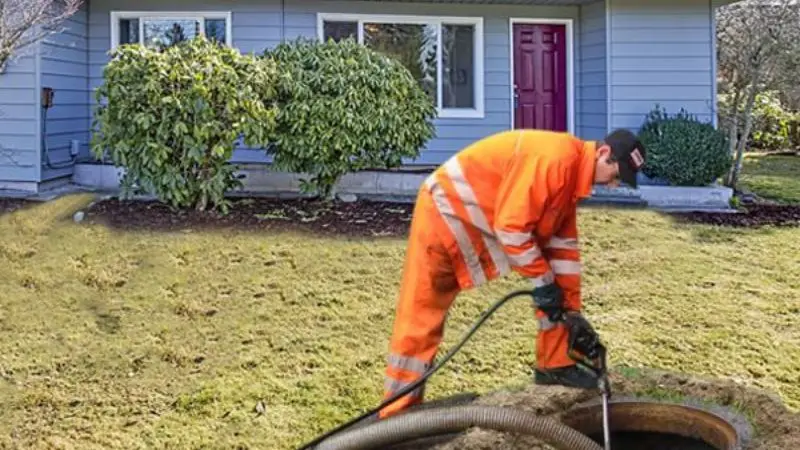
Warning Signs
- When the main sewer line gets clogged, you might see some strange things happening in your home. But how do you know if your main sewer line is blocked? These signs can help you find problems early:
- Several drains get clogged at once: You probably have a problem with your main line if your shower, toilet, and sink all back up simultaneously.
- Water backs up in unusual places: When you flush the toilet, water bubbles up in the shower or bathtub.
- Drains that are too slow: Not just one drain in your house is slow.
- Weird noises come from your drains or toilet after you use water.
- Bad smells: Your drains or basement have a strong, sewer-like odour.
Confirm the Main Line Issue
You want to make sure the problem is with the main sewer line, not just one drain. Here’s how you can check:
- Test different drains: Run water in sinks, tubs, and flush toilets on every floor. If they all act up, the main line is likely blocked.
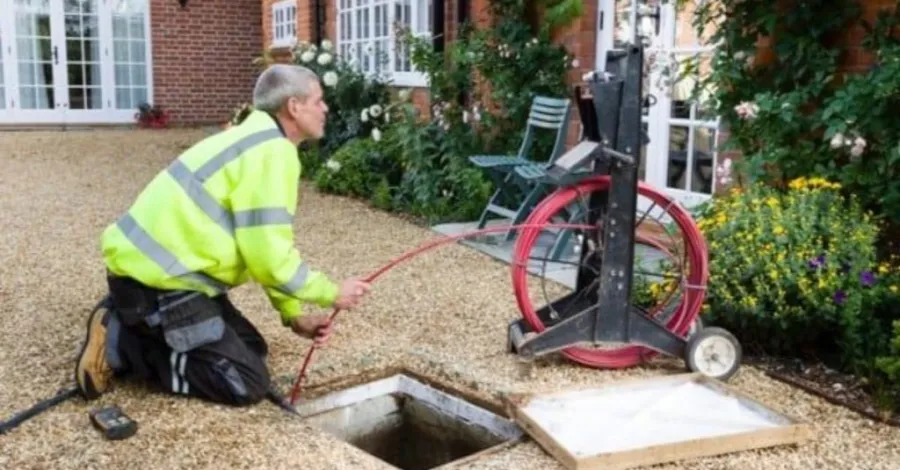
- Check the cleanout: Locate the main sewer cleanout pipe, typically located outside or in the basement. Carefully open it. If water or sewage spills out, you have a main line clog.
- Look for patterns: Notice if problems worsen when you use a lot of water at once, such as when doing laundry or running the dishwasher.
You can also use an inspection camera for locating a clog. If you confirm these signs, you’re dealing with a main sewer line clog. Now you can move on to clearing it yourself!
How to Clear a Main Sewer Line Clog Yourself
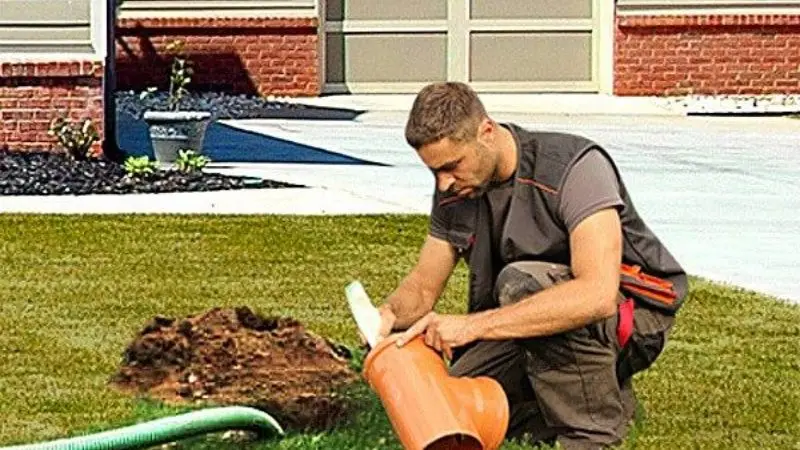
With the right tools, a little patience, and some knowledge, you can fix a clogged main sewer line. Follow these steps to get through this process. Keep reading if you want to learn how to unclog a main sewer line on your own. You can avoid major backups and costly repairs by using these do-it-yourself methods.
Get Your Tools & Safety Gear Ready
Get everything you need before you start. Here’s a short list of the best tools for clearing a sewer line:
- Plunger for heavy-duty work
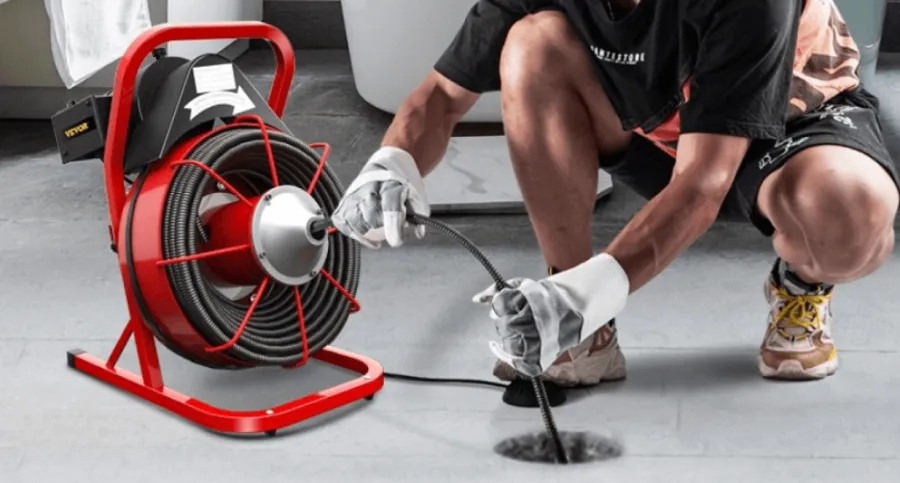
- Snake or auger for plumbing
- Camera for checking sewer lines
- Bucket
- Rubber gloves
- Safety goggles
- Old towels or rags
- Hot water
- Baking soda and vinegar
Clear a Sewer Line Clog with a Plunger
A plunger works best for small blockages. You can use it on the main household drain or a toilet connected to the main line.
- Place the plunger over the drain or toilet opening.
- Push down firmly, then pull up quickly. Repeat this motion several times.
- Listen for gurgling or watch for water draining. This means you may have loosened the blockage.
If you still see signs of a clogged drain, try using an inspection camera for a thorough examination of the main clog.
Use a Plumbing Snake to Clear a Main Sewer Line
How do you snake a main sewer line on your own? A drain auger, also known as a plumbing snake, can reach deeper clogs. This tool can help you remove a clog in your main sewer line that a plunger can’t.
- Locate the main sewer cleanout. Take off the cap carefully.
- Put the snake in the pipe. Slowly put the auger cable into the line.
- Twist and push the snake when you feel resistance to break up the blockage.
- Keep turning and pushing until the cable moves freely.
- Slowly retract the auger cable. Wipe it clean as you pull it out.
Use Hot Water and Natural Solutions
Sometimes, hot water and do-it-yourself home remedies can help. These methods are effective for addressing grease buildup or minor clogs. Here are natural ways to unclog a main sewer line:
- Boil several gallons of water.
- Slowly pour the hot water into the main household drain.
- For extra cleaning power, pour half a cup of baking soda followed by one cup of vinegar down the drain. Wait 15 minutes, then flush with more hot water.
This drain maintenance treatment can help break up grease and clear a main line blockage.
Check the Roof Vent
Your plumbing system has a vent on the roof. Leaves, nests, or debris can block it, causing backups.
- Use a sturdy ladder to reach the roof vent.
- Shine a flashlight down the vent. Look for apparent blockages.
- Remove any debris you can reach. Use a garden hose to flush out the vent if needed.
DIY Troubleshooting
If you still can’t unclog a sewer line, try these diy methods:
- Repeat the plunger and snake steps.
- Use a commercial drain maintenance treatment, but avoid harsh chemicals.
- Check for common causes of sewer line clogs, like tree roots or grease.
- If you notice severe backups or water outside, stop and call a plumber.
You now know how to clear a main sewer line clog on your own. These step-by-step guide tips can help you unclog a main sewer line and keep your pipes flowing. If you encounter a stubborn blockage, don’t hesitate to call for assistance. DIY can solve many issues, but some main sewer line clogs require a professional.
When to Call a Professional
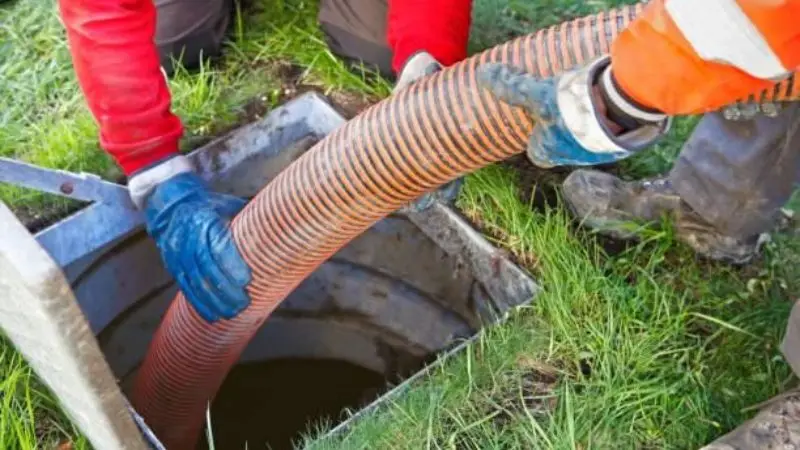
Warning Signs to Stop DIY
Sometimes, you just need to call in the pros. You might feel confident, but some problems go beyond what you can handle at home. Watch for these warning signs:
- Water keeps backing up: If water floods your basement or bathroom every time you turn on the tap, stop the flow immediately.
- Sewage smell gets worse: A strong, lingering odour means the clog could be deep or even outside your home.
- You hear loud gurgling: Strange noises from your pipes can signal a more significant issue, such as a broken line.
- You see water outside: Puddles or soggy spots in your yard might mean the main line has burst.
- DIY tools don’t work: If plungers and snakes do nothing, the clog may be too challenging or located too far down the line.
Risks of DIY Main Sewer Line Clearing
Trying to fix a main sewer line clog yourself can get risky. Here’s what you might face:
| Risk | What Could Happen |
| Pipe Damage | You could crack or break a pipe. |
| Health Hazards | Sewage can make you very sick. |
| Bigger Mess | Water or waste might flood rooms. |
| Wasted Money | Wrong tools can cost you more. |
You want to save money, but safety is your top priority. If you push too hard or use the wrong method, you might turn a minor problem into a big, expensive one. Sometimes, calling a professional is the most brilliant move you can make.
Prevent Main Sewer Line Clogs
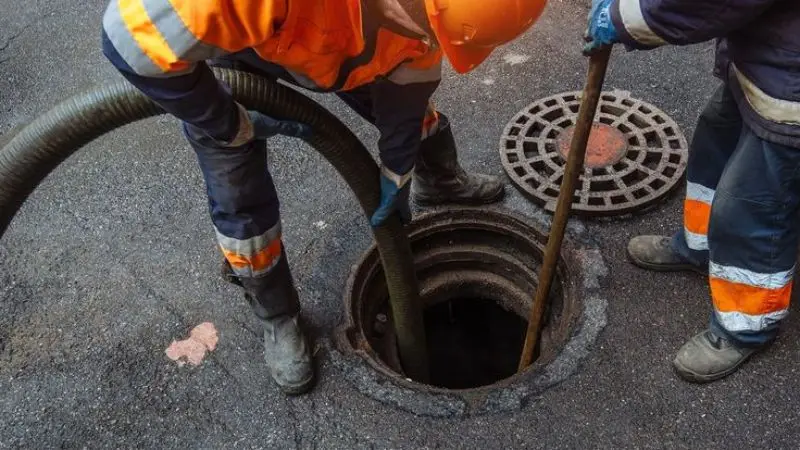
Maintenance Tips
You can stop a main sewer line clog before it starts. Regular care keeps your pipes clear and saves you from big headaches. Here are some easy diy methods you can try at home:
- Pour hot water down your drains once a week. This helps melt grease and keeps things moving.
- Use a drain strainer in sinks and tubs. It catches hair and food scraps before they cause a blockage.
- Clean your main sewer line cleanout every few months. Remove any debris you find.
- Try baking soda and vinegar as a natural way to break up minor clogs. These diy methods are safe for your pipes.
What Not to Flush
Many main sewer line problems begin with the wrong items being flushed down the drain. You can avoid a main sewer line clog by following these simple rules:
| Never Flush or Pour Down Drains | Why? |
| Grease, fats, or oils | They harden and block pipes. |
| Wipes (even “flushable” ones) | They do not break down. |
| Coffee grounds | They clump and cause blockage. |
| Paper towels | They swell and clog pipes. |
| Dental floss | It tangles and traps debris. |
You can protect your home by preventing sewer line clogs. If you ever need to unclog a sewer line, remember these tips and methods. Good habits make a big difference!
Conclusion
You now know how to tackle a main sewer line blockage on your own. Always put safety first. Try these steps if you feel ready. If the clog persists or you’re unsure, call a professional. Keep up with regular care. Good habits help you avoid future problems!
FAQ
Can you clear a main sewer line clog with diy methods?
Yes, you can try diy methods like plunging, snaking, and using hot water. These methods are effective for minor clogs and can help you avoid the need to call a plumber.
What should you do if diy methods fail?
Stop using diy tools if water keeps backing up. Call a professional plumber. Some clogs require special equipment or expert assistance to be fixed safely.
Is it safe to use chemical drain cleaners for diy sewer line clearing?
You should avoid chemical cleaners for diy sewer line clearing. These methods can damage pipes and harm the environment. Stick to natural diy solutions instead.