Do you get headaches or allergy symptoms when you’re indoors? Asthma and other allergy problems can be brought on by common pollutants like VOCs and particles.
Clean indoor air is therefore essential for general health. But the total amount of work involved in cleaning indoor air might overwhelm you. Do not be concerned! Here are ten easy ways to maintain clean air.
10 ways to keep your indoor air clean
1. Open Windows and Doors
Opening the windows and doors is fresh air which helps eliminate indoor pollutants and oxygenates the area. Studies show that even short periods of windows opening can increase air exchange rates which helps eliminate contaminants. For example, if windows and doors are opened for 7 to 10 minutes every hour, the air in the house can still be fresh while loosing minimal heat and cool air.
2. Use Exhaust Fans
Exhaust fans in kitchens and bathrooms remove moisture, odors, and pollutants right at the source. Using these fans during and after cooking or showering can lower the levels of harmful particles and gases.
Research shows that kitchen reforms with mechanical ventilation fans can reduce PM2.5 exposure by 23%. This means you breathe in fewer fine particles that can harm your lungs.
3. Regular Vacuuming and Dusting
Dust and allergens build up quickly on floors, carpets, and furniture. Regular vacuuming and dusting remove these particles before they become airborne.
Scientific research shows that homes with frequent vacuuming and dusting have lower levels of dust mites and allergens. In one study, children with asthma had fewer symptoms and attacks when their homes were cleaned regularly.
4. Wash Bedding and Curtains
Bedding and curtains collect dust, pollen, and other allergens over time. Washing these items regularly keeps the air cleaner and reduces allergy symptoms.
A study found that most people who wash bedding and curtains often have better indoor air quality. Hot water cycles work best for removing microbes and allergens.
The CDC recommends hot water laundering for pillows and covers in healthcare settings, but regular washing at home also helps. While there is no set rule for how often to wash, many people find that weekly or biweekly washing keeps their homes fresher.
5. Control Humidity
Humidity control is a crucial step in how to disinfect the air in your home. High humidity encourages mold, dust mites, and bacteria to grow. Low humidity can dry out your skin and make you more likely to catch viruses.
Studies show that keeping indoor humidity between 40-60% reduces mold growth and lowers the risk of respiratory infections.
6. HEPA Air Purifiers
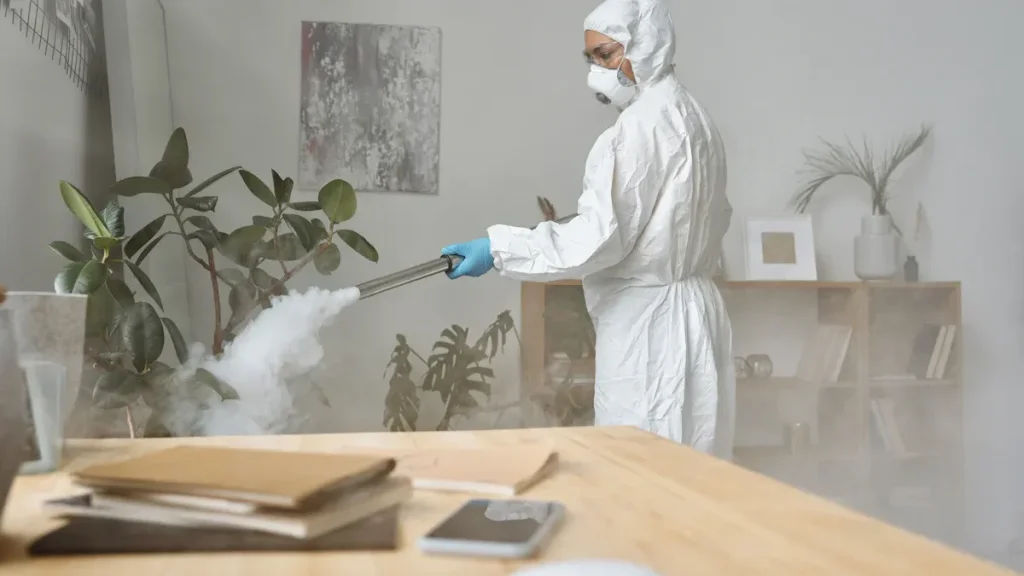
HEPA air purifiers use high-efficiency filters to trap tiny particles, including dust, pollen, mold spores, and even some bacteria and viruses. You can place these purifiers in bedrooms, living rooms, or any area where you spend a lot of time.
HEPA filters remove 99.97% of particles as small as 0.3 microns, making them one of the most effective tools for how to disinfect the air in your home.
For powerful, whole-home purification, try the VEVOR Whole House Air Purifier. It combines UV sterilization and HEPA filtration to disinfect air directly through your HVAC system, ideal for large-scale, continuous protection.
7. Change Air Filters
Your HVAC system plays a key role in how to disinfect the air in your home. The air filter inside your system traps dust, pollen, and other particles as air circulates.
If you forget to change the filter, it can get clogged and stop working well. Regularly changing your air filters keeps your system running smoothly and your air cleaner.
8. Germicidal UV Light
Germicidal UV light, also called UVGI, uses ultraviolet rays to kill bacteria, viruses, and mold in the air. You can find UVGI systems for HVAC ducts or as stand-alone units for rooms. These systems add another layer of protection for how to disinfect the air in your home.
Studies in healthcare settings show that UVGI can inactivate up to 99.7% of airborne spores. Safety features like motion sensors and ozone-free lamps make these systems safe for use in homes. UVGI works best when combined with good air mixing and proper installation.
9. Portable Room Air Cleaners
Portable air cleaners offer flexibility for how to disinfect the air in your home. You can move them from room to room, targeting areas where you need extra cleaning. These devices often use HEPA filters, activated carbon, or UV light to remove pollutants.
Portable HEPA units can clear 90% of aerosolized particles in about 5 to 8 minutes in a typical room. Portable air cleaners work best when you combine them with other methods, such as regular cleaning and good ventilation.
How to Disinfect the Air in Your Home Naturally
If you want to know how to disinfect the air in your home naturally, you have several options. Indoor plants, essential oils, and eco-friendly products can all help reduce airborne germs and improve air quality.
| Plant Species | Common Name | Antimicrobial Effect | Additional Benefits |
| Ficus benjamina | Weeping fig | Reduces bacteria, actinomycetes, mold | Removes formaldehyde |
| Ficus alii | Alii ficus | Reduces bacteria, actinomycetes, mold | N/A |
| Spathiphyllum sp. | Peace lily | Reduces bacteria, actinomycetes, mold | Removes benzene |
Modern Technologies for Home Air Disinfection
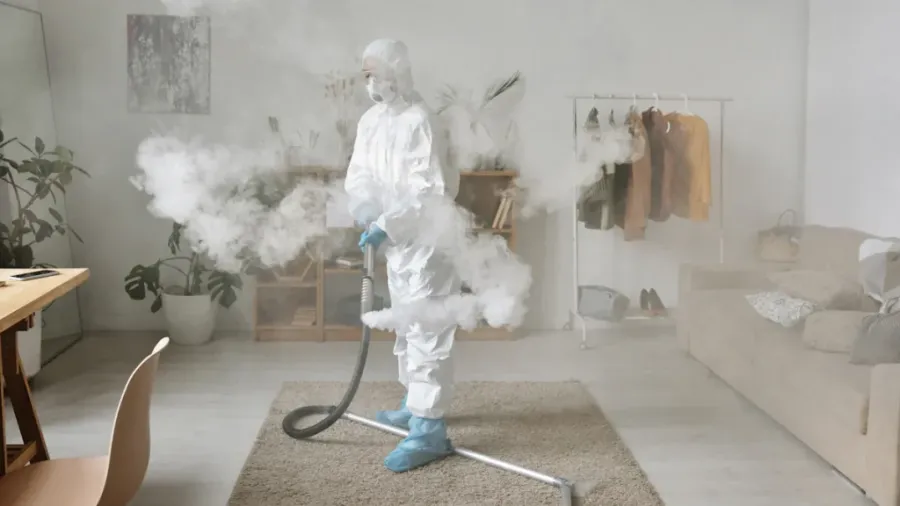
Today’s homes can use advanced tools once found only in hospitals or labs. UV-C technology destroys germs by damaging their DNA. Negative ion technology helps remove particles by making them stick to surfaces or filters. HEPA filters catch dust, pollen, and bacteria. Oxidation technology uses ozone or natural compounds to kill germs.
These features now appear in many home air purifiers. Some even have smart sensors to adjust cleaning levels based on air quality. Experts say that relying only on ventilation may not be enough, especially during cold or allergy seasons. Adding in-room air cleaners, UV lights, or plants can help you reach the highest level of air cleanliness.
FAQs
How often should you use an air purifier for the best results?
It’s best to keep your air purifier running every day. Consistent use helps clear out dust, pollen, and even germs, making your home’s air fresher and healthier.
Do indoor plants really help clean the air?
Absolutely. Many indoor plants can reduce airborne germs and dust while naturally boosting your air quality. They don’t replace an air purifier, but they’re a great addition to a cleaner home environment.
What are the easiest ways to improve air quality at home?
Start by ventilating your rooms regularly and using a HEPA air purifier. Keep things clean with frequent vacuuming, wash fabrics often, and try to control humidity. Cutting back on harsh chemicals makes a big difference, too. For an extra boost, add some indoor plants or consider UV purifiers to naturally keep your air fresh.
Conclusion
In the house, disinfecting the air is vital for good health, comfort, and peace of mind. Basic Strategies such as keeping the place ventilated, cleaning regularly, controlling humidity, and HEPA filtration. For those looking for supplementary disinfection, advanced tools like UV-C purifiers and portable air cleaners are worth considering.
Brands such as VEVOR have reliable, high-performance air purification systems for just about any space and budget. Clean air is more accessible now than ever. Spend less time worrying and more time living.