Chlorine is a chemical that kills bacteria, but it also leaves a bad taste and smell in the water. Many people get their water from the tap, which is not suitable for their health. Drinking chlorinated water for a long time can make people worry about their health and cause skin irritation. You’re not the only one who has ever wondered how to remove chlorine from water effectively.
In this blog, we’ll talk about practical ways, including how to remove chlorine from tap water naturally and explore effective methods, such as using filters or boiling, so that you can have clean, tasty water every day.
How to Remove Chlorine from Water
It is simple to understand how to remove chlorine from water at home. You may do this in many different ways. Each method operates in a slightly different way. These are some common ways to remove chlorine. You can choose the one that works best for you.
Boiling Water
Boiling water is a straightforward approach to remove chlorine. Chlorine turns into a gas when you boil water for 15 to 20 minutes. This procedure removes chlorine by making it evaporate. You just need a saucepan and a stove. Chloramine doesn’t work when you boil it. Some towns utilize chloramine instead of chlorine. Before you consume the water, let it cool down. If you want to know how to remove chlorine from tap water naturally, boiling is one of the best ways to do so.
Tip: When you boil, keep the lid off. This helps the chlorine leave the water more quickly.
Letting Water Sit
You may remove chlorine by letting water sit in the open. Fill a pitcher and leave it outside for a day. Most of the chlorine will go away on its own. This can happen faster in the sun. This way is free and straightforward, but it takes a while. Chloramine won’t work if you let the water sit. This is a fantastic choice if you don’t want to use tools.
Activated Carbon Filters
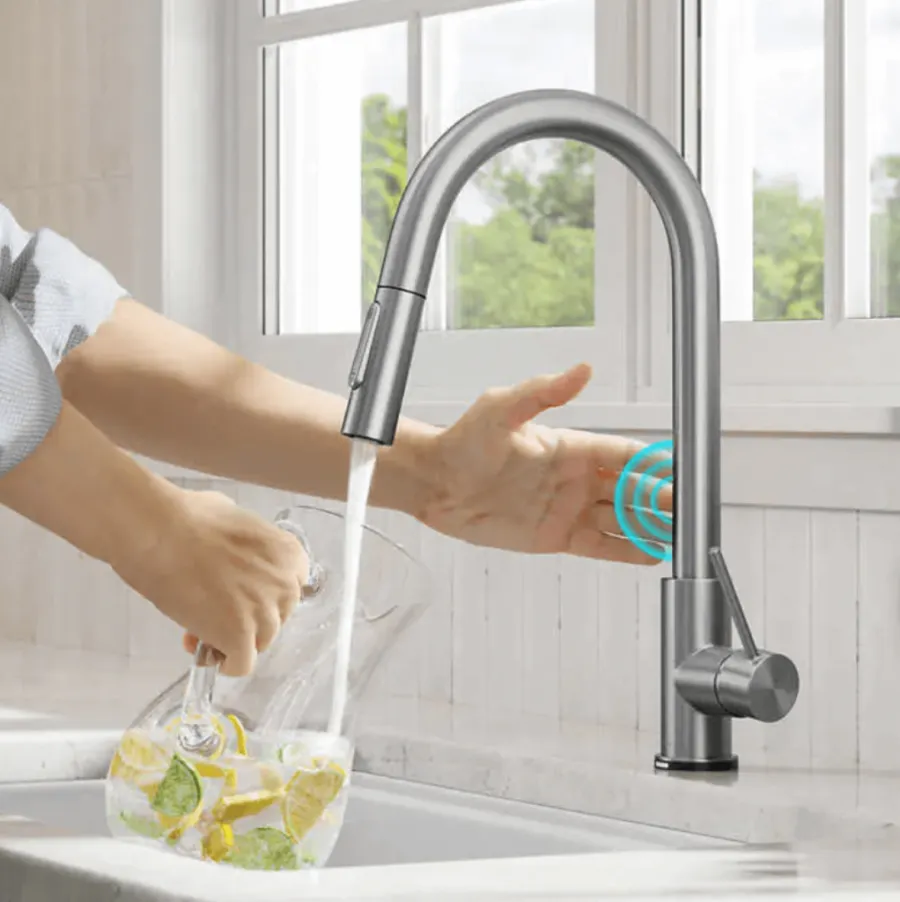
Activated carbon filters remove chlorine by filtering it out. You can find these filters in pitchers, faucets, and under-sink systems. They catch chlorine and other contaminants. They work well for both drinking water and cooking water. Always check the label because some filters do remove chloramine. If you’re looking for the best water filter to remove chlorine, activated carbon is a simple and effective option for home use.
Note: Change your filter when needed; outdated filters might let chlorine back in.
Reverse Osmosis
A specific filter removes chlorine in a reverse osmosis system. The membrane lets water through, but it keeps chlorine and other pollutants out. This approach works for both chloramine and chlorine. You may put it under the sink or use it in the whole house. It’s one of the most effective options if you’re looking for how to remove chlorine from water altogether.
Do you know? A reverse osmosis system can also make your water taste and smell better.
Vitamin C and Lemon
You can get rid of chlorine with vitamin C or lemon juice. When vitamin C and chlorine mix, they make it safe to eat. This approach works for both chloramine and chlorine. It’s one of the best natural ways to remove chlorine from water, especially for drinking or cooking. You can take vitamin C pills or fresh lemon juice. Both are safe and work quickly.
Chemical Treatments
Some individuals treat water with dechlorinating tablets or drops. You may find these online or at pet retailers. They are safe to use correctly and work for both chlorine and chloramine. If you’re wondering how to dechlorinate water for drinking, chemical treatments offer a fast and convenient solution. Always read the instructions on the package to make sure you use it safely.
Distillation
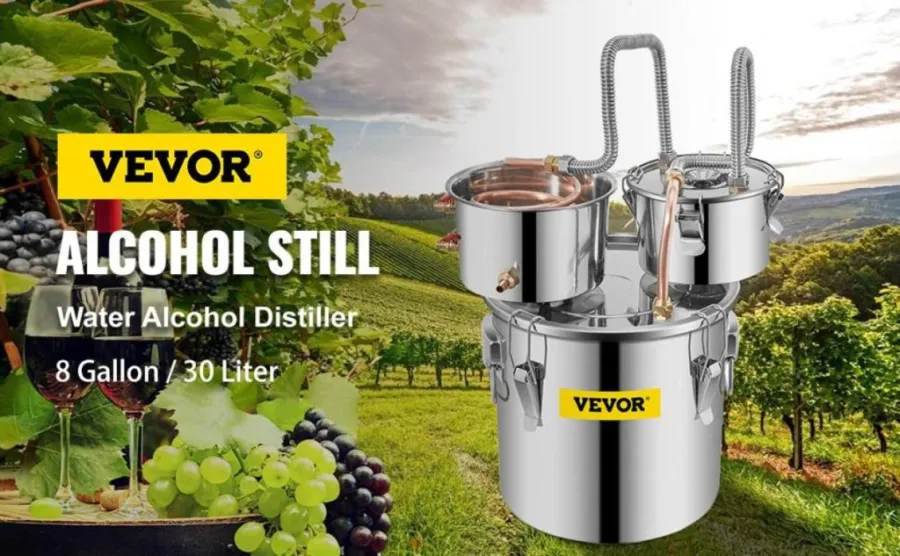
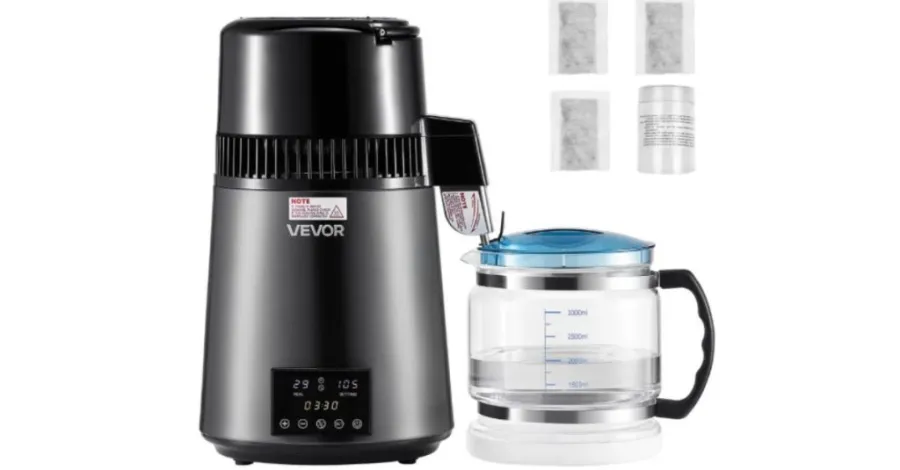
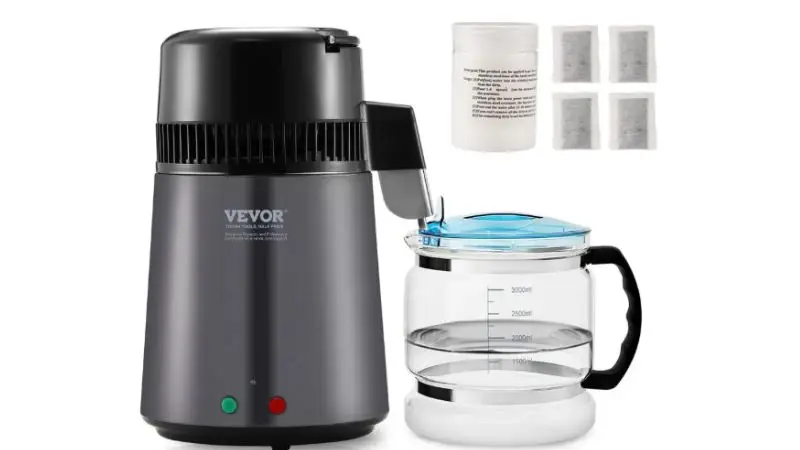
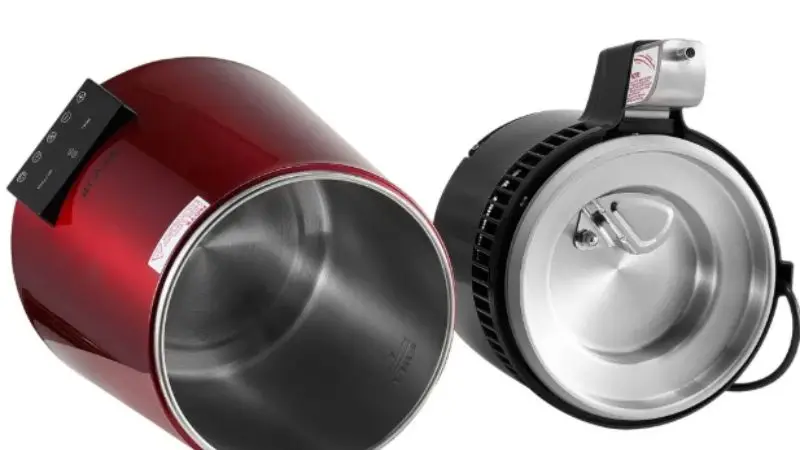
A water distiller turns water into steam, which leaves behind chlorine and other impurities. The steam cools down and becomes clean water again. It works for both chlorine and chloramine and makes the water exceedingly clean. It takes time and electricity, but it’s the best way to get the cleanest water at home.
You now know a few techniques to remove chlorine from water. Try out a few of the methods and see which one works best for you.
Filter Chlorine Out of Tap Water
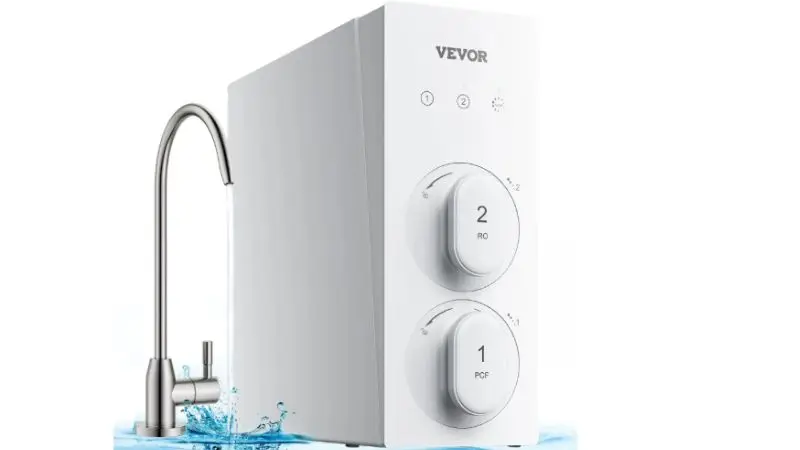
There are various ways to remove chlorine from tap water. Different water purification systems work in other ways. Some of these clean all the water in your residence. Some people just clean water in one place, like your sink or fridge. Let’s look at the most prevalent choices.
Whole-House Filtration
Your main water pipe links to a whole-house water treatment system. It cleans all the water before it gets to your taps, showers, and appliances. You can receive clean water in every room of your house. Often, these systems use a high-quality water filter with activated carbon. If you want to know how to dechlorinate water for drinking, these are a fantastic choice because they effectively remove chlorine and other pollutants. You could need a plumber to put one in. You need to change the filters every few months. Whole-house systems cost more at first, but they last a long time.
Tip: If you want to protect your skin and hair from chlorine, a whole-house system is a wise choice.
Refrigerator Water Filters
Many fridges come with built-in water filters. These filters clean the water you drink and use to make ice. These filters use carbon to catch chlorine, enhance the taste of the water, and simplify the process of changing them in your refrigerator. They only clean the water in the fridge, not the rest of the house. This method is a beneficial choice if you drink a lot of cold water.
Water Softeners
A water softener takes out ions like calcium and magnesium that make water brittle. Some units also assist in lowering the amount of chlorine in the water. However, when you’re aiming for natural ways to remove chlorine from water, softeners alone may not be enough. It is better to use them with systems designed specifically for chemical removal, like activated carbon filters.
UV Treatment
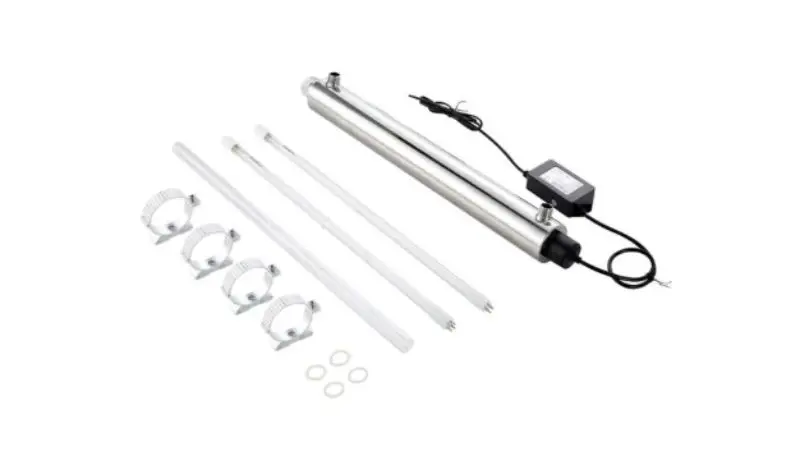
Ultraviolet radiation is used in a UV water treatment system to eliminate germs and bacteria. Some systems use both UV and filters to remove chlorine. This approach gives you more safety. If you’re worried about microorganisms in your water, UV treatment is a beneficial idea. You still need a filter to remove chlorine.
Note: Always use a filter with UV to remove chlorine and get safe, clean water.
Dangers of Chlorine in Drinking Water
Health Risks
You might be wondering if it’s okay to drink water with chlorine in it. To eliminate germs and keep you safe from bacteria and viruses, most cities add chlorine to the water. The EPA says that drinking water can have up to 4 micrograms per litre. If the levels grow, you can get stomach problems, dry skin, or even have trouble breathing if you’re sensitive. That’s why many people look into how to dechlorinate water for drinking to stay safe and avoid discomfort.
Taste and Odour Issues
Have you ever noticed a strange taste or scent when you poured yourself a glass of water? Chlorine in drinking water can make it taste like chemicals or smell like a pool. This can make you want to drink less water. Some people even quit using tap water to make drinks or cook. Removing chlorine from your water can make it taste fresh and clean. When water tastes good, you’ll want to drink more of it.
- Many people use filters or let water sit to remove the taste.
- Lemon or vitamin C can also help remove the smell.
Sensitive Groups
Some people are susceptible to the dangers of chlorine in drinking water. Babies, kids, and older people may be more sensitive. If you or someone in your family has asthma, allergies, or skin problems, it’s worth learning how to dechlorinate water for drinking to minimize potential irritation. High chlorine levels can even affect pets.
Tip: Use a water filter or boiling method to help reduce chlorine, especially in sensitive households. Clean, safe water not only tastes better but also supports better health..
Compare and Choose the Best Chlorine Removal Method
Method Comparison Table
Which method works best for you? Here’s a quick table to help you compare the most popular options and find the best water filter to remove chlorine for your needs:
| Method | Effectiveness | Cost | Ease of Use | Removes Chloramine | Safety |
| Boiling | Good | Low | Easy | No | Very Safe |
| Letting Water Sit | Fair | Free | Very Easy | No | Very Safe |
| Activated Carbon | Very Good | Medium | Easy | Sometimes | Very Safe |
| Reverse Osmosis | Excellent | High | Moderate | Yes | Very Safe |
| Vitamin C/Lemon | Good | Low | Easy | Yes | Very Safe |
| Chemical Treatments | Excellent | Low | Easy | Yes | Safe |
| Water Distiller | Excellent | High | Moderate | Yes | Very Safe |
Tip: Always check if your method removes chloramine, not just chlorine.
Factors to Consider
Think about what you need before picking a method.
- How much water do you drink every day?
- Do you want a quick cure or a solution that will last?
- Do you care more about taste or health?
- Does your city utilize chloramine or chlorine?
The best water filter to remove chlorine depends on your budget. Whole-house systems work for whole houses, whereas pitcher filters work for drinking water.
Tips for Choosing
Wise choices lead to clean water. First, figure out what you need, and then pick a way that works for you.
- Check your water to see what needs to be removed.
- Check the labelling on the products; some filters simply remove chlorine.
- Think about how much upkeep it will need.
- Choose a way that works with your schedule.
- If you’re not sure, ask an expert.
Exploring natural ways to remove chlorine from water ensures safe, consistent results.
Conclusion:
Now that you understand how to remove chlorine from water, you’re better equipped to make healthier choices for you and your family. There are several beneficial options for you, from filtration systems to simple home fixes. If you’re looking for a chemical-free approach, try “how to remove chlorine from tap water naturally” using proven methods like activated carbon or letting water sit uncovered.
It’s not just a luxury to have clean water; it’s a need. Start today and get better-tasting, safer water every day.
FAQ
How do I know if my tap water has chlorine?
You might notice a smell or taste in your water. Sometimes, it smells like a pool. You can buy a chlorine test kit at the store. Your water company can also give you a report about your water.
Can I remove chlorine by freezing water?
Freezing water does not take out chlorine. Chlorine stays in the ice cubes. To remove chlorine, try boiling, using a filter, or letting water sit out.
Is it safe to drink water with chlorine every day?
Most cities put safe amounts of chlorine in water. The EPA says up to 4 mg/L is safe. If you do not like the taste or have health concerns, use a filter or another way to remove it.
Do water filters remove both chlorine and chloramine?
Not all filters can remove both.
Read the label before you buy a filter. Some activated carbon filters are only effective against chlorine. Reverse osmosis and vitamin C can remove both.
Can I use boiled water for my fish tank?
No, boiling only removes chlorine, not chloramine. Fish are sensitive to both chemicals. Use a water conditioner made for fish tanks to make tap water safe for fish.