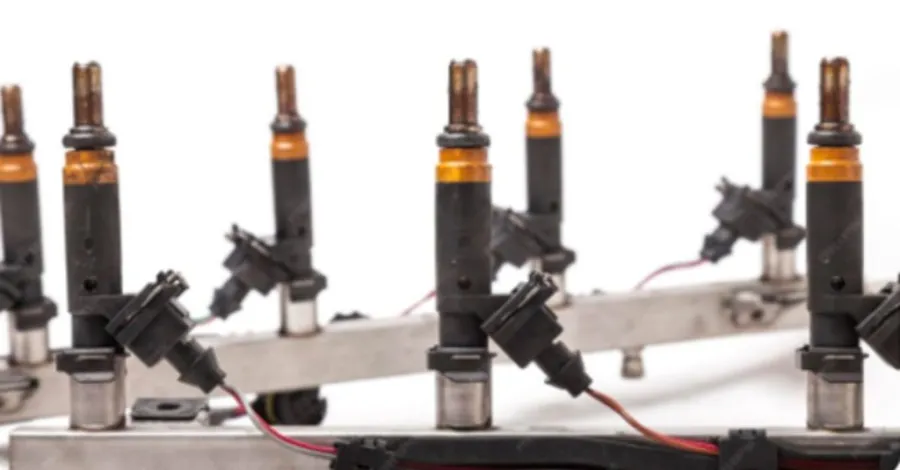
You can restore your engine’s performance and save money by cleaning fuel injectors with an ultrasonic cleaner at home. This powerful method uses high-frequency sound waves to break down stubborn carbon, dirt, and grime that regular cleaning can’t reach. Not only is it simple and efficient, but it also delivers professional-level results without the workshop bill.
Always wear gloves and goggles for safety, and remember—never place electronic parts directly into the ultrasonic tank. For the best outcome, let the injectors dry completely before reinstalling them, ensuring smooth fuel flow and improved engine efficiency.
Why Use Ultrasonic Cleaning
Fuel injectors can get clogged over time, which affects engine performance. While there are many cleaning methods, ultrasonic cleaning for clogged fuel injectors has become a favorite among car owners and mechanics. This method reaches deep into small spaces that are hard to clean by hand, giving a more complete result.
How It Works
Can you clean fuel injectors in an ultrasonic cleaner? Yes, you can. It is a process in which very fast sound waves are normally used to form small bubbles in a cleaning liquid. The popping of the bubbles removes the dirt, carbon, and debris off the surface of the injector. The injectors can be put in different cleaning solutions in the ultrasonic machine so that the sound waves can reach even the hidden corners.
It implies that even spots that are not in view are cleaned without scrubbing or harsh chemicals. To ensure the most effective cleaning, make sure you have the appropriate solution and instructions for the ultrasonic cleaner.
Benefits Over Other Methods
The benefits of ultrasonic cleaner fuel injector maintenance are difficult to overlook. Its cleaning is very deep compared to manual scrubbing or even chemical soaking, as the sound waves can reach even the smallest openings. It is possible to wash several injectors simultaneously, wasting less time and at the same time lowering the possibility of damage through physical contact.
The advantages of ultrasonic cleaning of fuel injectors are that it removes difficult carbon swiftly, cleans inaccessible internal corners, and extends the life of injectors. The process is much easier, and it is compatible with most fuel injector cleaning systems. Cleaning fuel injectors using an ultrasonic cleaner will give dependable, business-quality outcomes in your own home and make your injectors work better for a longer period.
Cleaning Fuel Injectors with Ultrasonic Cleaner

A large difference in performance can be created using an ultrasonic cleaner for the fuel injector maintenance routine in your car. It is an easy process, but it needs good preparation and equipment. A combination of the right kit, protective handling, and technique delivers you deep, professional home cleaning.
Equipment Needed
Before starting cleaning fuel injectors with an ultrasonic cleaner, gather the following items:
- Ultrasonic cleaner (large enough for your injectors)
- Fuel injector cleaning solution designed for ultrasonic use
- Clean water for rinsing
- Compressed air (air compressor or canned air)
- Safety gear—gloves and goggles
Always choose a cleaning solution safe for metal parts. Avoid harsh chemicals that could damage the injectors. Having everything ready before you start helps the cleaning go smoothly.
Preparation Steps
Ultrasonic cleaning of clogged fuel injectors is effective when done appropriately. Preparing to:
- Uninstall injectors carefully so that they will not damage the engine.
- Electronic components should be excluded from the ultrasonic cleaner.
- Do this in a well-ventilated area so as to prevent fumes.
- Wear protective clothing prior to working with cleaners.
When the workspace is prepared well, the process becomes faster, safer, and more efficient.
Fuel Injector Cleaning Steps
Once everything is set, follow these steps for the best benefits of ultrasonic fuel injector cleaning:
- Fill the ultrasonic cleaner halfway with clean water and add the cleaning solution as instructed.
- Run the cleaner for a few minutes to “degas” and remove air bubbles.
- Place injectors in the tank without touching each other, and set the timer for at least 30 minutes.
- Rinse injectors with clean water to remove any leftover solution.
- Use compressed air to blow out moisture from the openings.
- Let injectors dry completely before reinstalling.
For even better results, consider a backflush to push out any loosened debris. Taking your time with each step ensures your injectors are fully restored and ready for peak performance.
Inspection and Safety
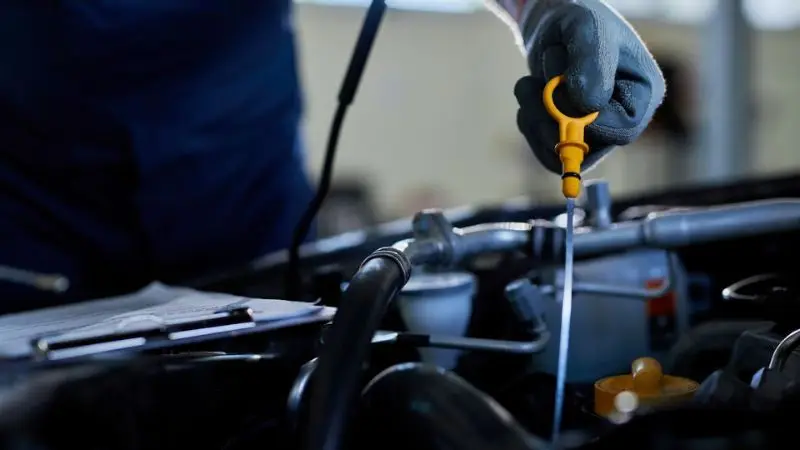
Once the process of cleaning fuel injectors with an ultrasonic cleaner has been completed, you should verify the outcome and ensure you take precautions to prevent damage to your injectors and yourself. Inspection and safe handling will help you determine whether your injectors are functioning properly and prevent accidents during and after the process.
Post-Cleaning Inspection
After ultrasonic cleaning of clogged fuel injectors, do not rush and neglect to inspect each injector thoroughly to ensure they are clean and operable:
- Clean the metallic surface to remove any possible leftover dirt and carbon deposits.
- Test the openings with the use of a flashlight to see whether there is a blockage.
- Where a fuel injector tester is available, test the sprays.
- In the absence of a tester, use compressed air to blast openings to ensure they are clear.
- Repeat the cleaning cycle in case you get tough stains.
An injector should also have a uniform spray pattern and be clear so that engine performance proceeds smoothly.
Safety Tips
Safety is important when carrying out ultrasonic cleaner fuel injector maintenance. Always use gloves and goggles to avoid chemicals getting on your hands and eyes. Always work in a well-ventilated environment to prevent inhaling the fumes, and never insert any electronic parts into the ultrasonic cleaner.
Read the instructions carefully for whatever cleaning solution you use to prevent skin irritations or accidents. Never touch the solution, and ensure that the ultrasonic cleaner is unplugged before you remove the injectors. These safety precautions not only keep you safe but also your equipment, giving you a safer feel to benefit from ultrasonic fuel injector cleaning.
Maintenance Tips
To keep enjoying the benefits of ultrasonic fuel injector cleaning, it’s important to care for both your ultrasonic cleaner and your injectors. Proper maintenance helps your equipment last longer and ensures your fuel injectors remain in top condition for the best engine performance.
Caring for Your Ultrasonic Cleaner
Your ultrasonic cleaner will last longer if you treat it well after every use. Follow these steps:
- Unplug the machine before cleaning.
- Empty the tank and rinse with clean water.
- Wipe the inside with a soft cloth, avoiding harsh tools or chemicals.
- Remove any dirt or debris gently.
- Let the tank dry completely before storing.
- Keep it in a safe place where it won’t be dropped or bumped.
Consistent care ensures the cleaner works efficiently every time you perform ultrasonic cleaner fuel injector maintenance.
Ongoing Fuel Injector Cleaning
Having a routine of cleaning fuel injectors using an ultrasonic cleaner will ensure you operate your motor smoothly. Most vehicles need their injectors cleaned every 25,000 to 30,000 miles, although dusty environments or low-quality fuel may require it more often. Clean injectors keep you fuel efficient and low on emissions, prolonging the lifetime of the engine.
It is not always necessary to wait until the performance troubles occur; preventive maintenance keeps your vehicle in an optimal state. An ultrasonic cleaner takes less time; it is effective and does not harm the injectors, which is why it is the simplest method to maintain reliable performance and ensure long durability.
Wrap Up
Using an ultrasonic cleaner for fuel injector maintenance routine is one of the easiest and most effective ways to keep your engine running at its best. This method cleans deep inside the injectors, removes stubborn dirt, and improves fuel efficiency without harsh scrubbing. By following proper preparation, inspection, and safety steps, you can achieve professional-quality results at home.
Regular cleaning of fuel injectors with an ultrasonic cleaner not only boosts performance but also extends the life of your injectors. With the right care and schedule, you’ll enjoy smoother driving, better fuel economy, and the lasting benefits of ultrasonic fuel injector cleaning.
FAQ
How frequently should fuel injectors be cleaned using an ultrasonic cleaner?
Replace the clean fuel injectors every 25000 to 30000 miles. Clean them frequently in case you drive in areas where dust accumulates or when using poor gas.
Does any cleaning solution work in an ultrasonic cleaner?
No, you have to place your solution in one designed to be ultrasonically cleaned. Nevertheless, always read the label. There are clues that may damage your injectors or ultrasonic cleaner. Only products made to clean fuel in injectors should be used.
How do you know when there is a need to clean fuel injectors?
Your engine can run roughly or consume even more gas. You would feel a loss of energy. Unclean injectors may cause your car to perform poorly. Fuel injector cleaning will frequently prevent these issues.
Is ultrasonic better than alternative injector cleaners?
Cleaning using ultrasound reaches deep into the injectors. It is more effective in cleaning than scrubbing or soaking. It is quick and does not break components as easily. Follow the directions of your fuel injector cleaning system to achieve the best results.