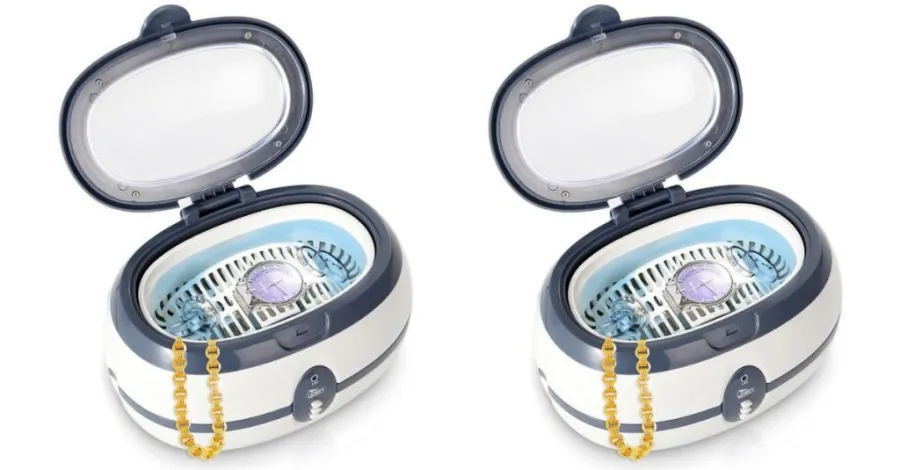
You may ask, How does an ultrasonic cleaner work? Consider placing your belongings in a tank with a special cleaning solution. Small, invisible bubbles appear and pop due to sound waves. These bubbles work like millions of tiny brushes. This way, you get a firm but gentle clean. Learn how to clean jewelry and other items with an ultrasonic cleaner.
Ultrasonic Cleaner Parts
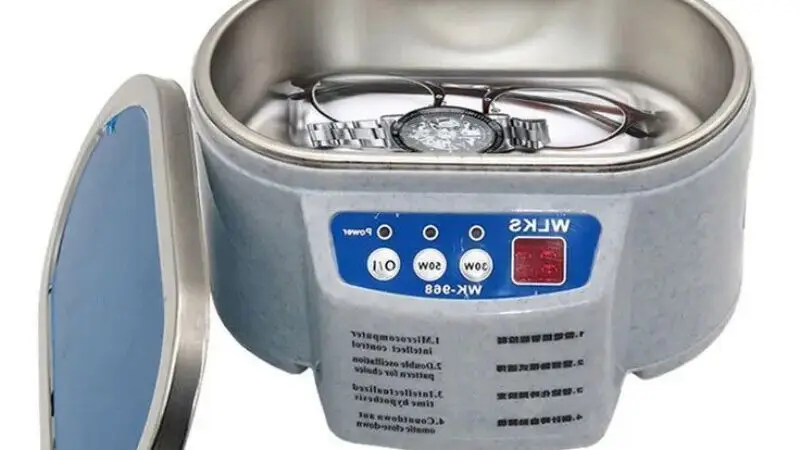
When you look at an ultrasonic cleaner, you see more than just a box. Each part has a job that helps you get things super clean. Let’s break down what you’ll find inside and learn how does an ultrasonic jewelry cleaner work:
Tank
The tank holds everything together. You pour the cleaning solution into it and place your items inside. Most tanks use stainless steel because it resists rust and is easy to clean. You want a tank that fits your items comfortably.
Transducers
Transducers are the secret behind the magic. These devices stick to the bottom or sides of the tank. They turn electricity into high-frequency sound waves. You don’t hear these waves, but they make the cleaning happen.
Generator
The generator powers the transducers. It sends energy at just the right frequency. You can think of it as the brain of the ultrasonic cleaner. Without the generator, nothing would move or be cleaned.
Cleaning Solution
You need a special cleaning solution for the best results. Water works for some jobs, but adding a cleaning agent helps break down dirt and grease. Always check which solution matches your items.
| Solution Type | Best For |
| Water | Light dirt |
| Detergent | Grease, oil |
| Solvent | Tough stains |
Basket
The basket keeps your items safe. You place your jewelry, glasses, or tools in the basket before lowering it into the tank. This way, your things don’t touch the bottom and get scratched.
How Does an Ultrasonic Cleaner Work

Sound Waves and Cavitation
When you turn on the ultrasonic cleaner, a special process begins. The generator sends power to the transducers. The transducers produce sound waves with frequencies typically ranging from 20 to 40 kHz. You cannot hear these sound waves, but they move through the cleaning solution in the tank. These sound waves cause a phenomenon known as cavitation.
Cavitation means tiny bubbles form in the liquid. These bubbles are much smaller than soap bubbles. You cannot see them with your eyes. The bubbles pop very quickly. Each time a bubble pops, it makes a small burst of energy. This burst acts like a tiny scrub brush. Millions of bubbles form and pop every second. They scrub dirt and grime from every part of your items. Now you know how an ultrasonic cleaner removes dirt.
Cleaning Process Steps
You might wonder how the ultrasonic cleaner works step by step. Here is a simple list of the cleaning process:
- Put your items in the basket.
- Lower the basket into the tank with cleaning solution.
- Turn on the ultrasonic cleaner.
- The generator gives power to the transducers, which make high-frequency sound waves.
- These sound waves make cavitation bubbles in the liquid.
- The bubbles form and pop, scrubbing away dirt, oil, and other things.
- After a few minutes, your items come out clean, even in places you cannot reach by hand.
Why Ultrasonic Cleaning Is Effective
You may ask why ultrasonic cleaning works so well. The answer is in how the cavitation bubbles clean. They reach into small holes, cracks, and tight spaces. Regular cleaning cannot do this. You do not need to scrub or use strong chemicals.
Ultrasonic cleaning gives you very good results. The process removes dirt, grease, and even tiny bits. You save time and get better cleaning. Ultrasonic cleaning is gentle, so you do not have to worry about scratching or breaking your items.
Best Items for Ultrasonic Cleaning
Ultrasonic cleaners work best for things with tricky shapes or soft surfaces. You can use ultrasonic cleaning for many other things, too. If you have something with lots of tiny spaces or hard-to-reach spots, this process can help you get it really clean. Here are some examples:
- Jewelry like rings, necklaces, and earrings
- Eyeglasses and sunglasses
- Watches with waterproof parts
- Dental tools
- Small machine parts
- Coins and collectibles
In Conclusion
You now know how these cleaners work by using sound waves and bubbles for efficient cleaning. You get a deep clean without harsh scrubbing. Try one for your jewelry or glasses. You might be surprised at the results! Give it a go and see how easy it makes your cleaning routine.
FAQs
Can you use regular soap in an ultrasonic cleaner?
You can use mild dish soap for light cleaning. For tough dirt, use a special ultrasonic cleaning solution for better results.
How long should you run an ultrasonic cleaner?
Most items need 3 to 10 minutes. Check your item’s instructions. Delicate things may need less time.
Is ultrasonic cleaning safe for all jewelry?
Not all jewelry is safe. Avoid cleaning pearls, opals, or soft stones. Always check if your jewelry can handle ultrasonic cleaning.