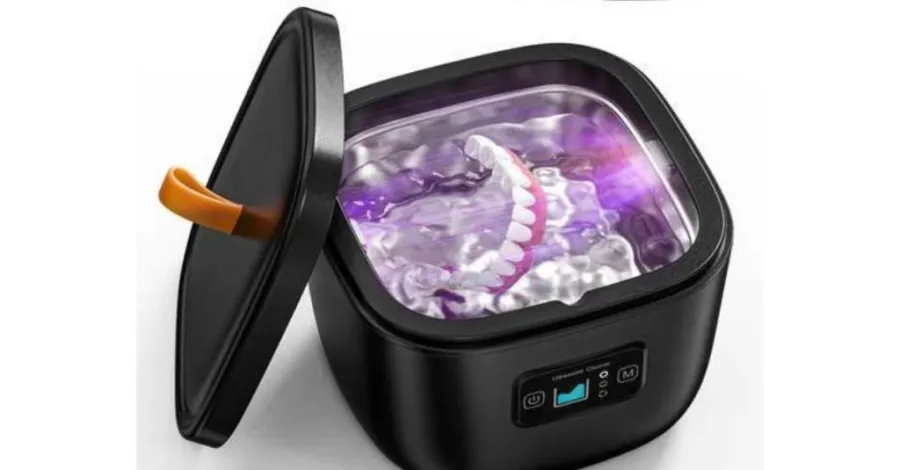
Cleaning dentures with ultrasonic cleaner technology is simple and effective. Using an ultrasonic cleaner for dentures helps maintain your oral health by reaching areas that a regular brush cannot. Here are the key steps for cleaning dentures with an ultrasonic cleaner:
- Rinse your dentures thoroughly.
- Fill the ultrasonic cleaner with warm water.
- Add the recommended cleaning solution.
- Place your dentures inside the ultrasonic cleaner.
- Start the cleaning cycle.
Ultrasonic Denture Cleaner
How It Works
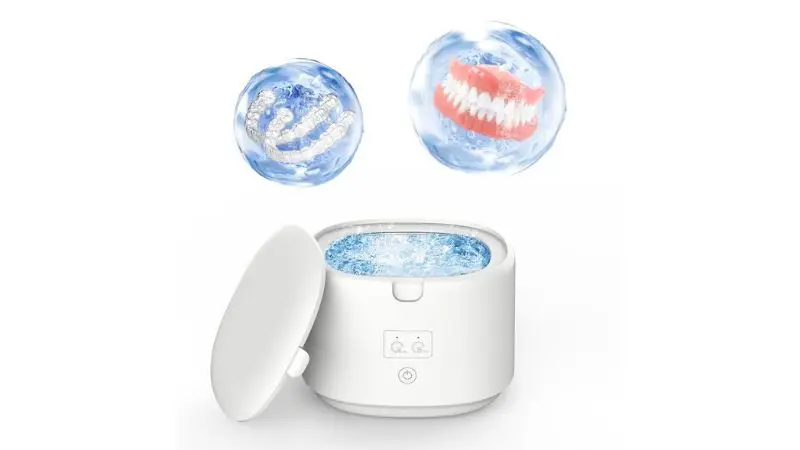
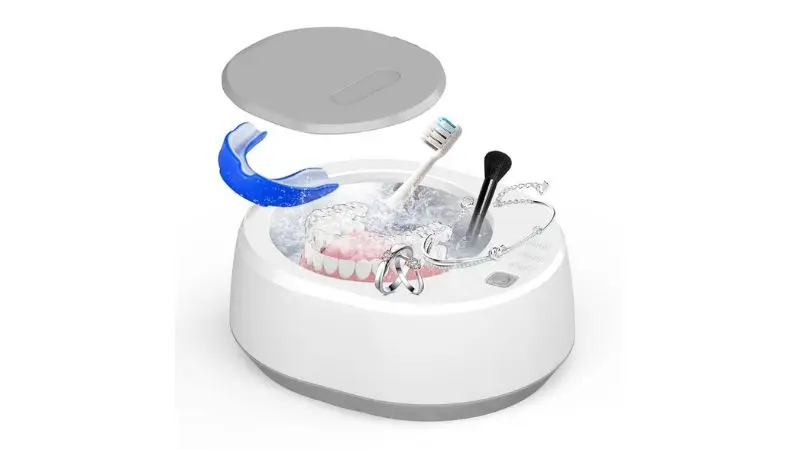
You may wonder how these cleaners work. They use ultrasonic waves to make tiny bubbles in water. When you turn the cleaner on, it sends sound waves through the liquid. The bubbles move fast and pop against your dentures.
This action removes plaque, food bits, and bacteria from areas you can’t easily reach. You do not need to scrub or brush at this step. The ultrasonic waves give strong cleaning power and work very well. Most cleaners finish in just a few minutes. You should follow the maker’s instructions for best results.
Benefits
Using an ultrasonic denture cleaner has several benefits. It thoroughly cleans every part of your dentures. This method saves time and effort by eliminating the need to scrub by hand. Ultrasonic denture cleaners eliminate harmful bacteria, helping to keep your mouth healthy. You can use these cleaners every day or for a deep clean once a week. The benefits of using an ultrasonic denture cleaner are:
- Fast and complete cleaning
- Gentle on denture materials
- Lowers the risk of oral infections
- Simple to use at home
Here is a quick comparison table:
| Method | Cleaning Power | Time Needed | Effort Required |
| Manual Brushing | Moderate | 5-10 min | High |
| Ultrasonic Denture Cleaner | High | 3-15 min | Low |
Cleaning Dentures with Ultrasonic Cleaner
Preparation Steps
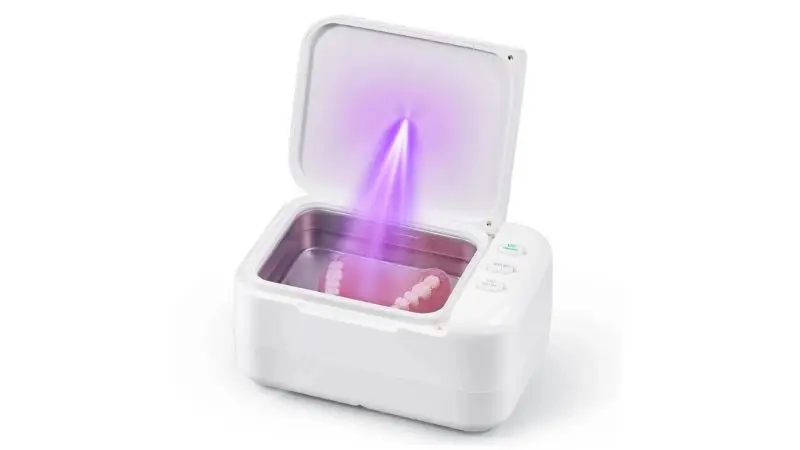
Get everything ready before you clean your dentures. Take your dentures out and rinse them under running water. This helps remove food and debris. Be careful so you do not drop or break them. Fill the ultrasonic cleaner’s tank with warm water. Warm water helps the cleaner work better. Avoid using hot water, as it can alter the shape of your dentures.
Add the right amount of denture cleaning tablets or solution. These tablets help remove stains and bacteria. They also make the cleaner work better. Always read the instructions on the cleaner and the tablets. Some tablets dissolve fast, but others take a little longer.
Using the Cleaner
After setting up the tank, you can begin cleaning. Place your dentures gently in the basket. Make sure they are covered by the solution. Do not put too many dentures in at once. If you have partial dentures, you can clean them together. Just make sure they do not touch each other.
Close the lid of the cleaner. Set the timer as the instructions say. Most cleaning cycles take 3 to 15 minutes. The ultrasonic waves make tiny bubbles that clean every part. This way saves you time and work. You do not need to do anything while it cleans. The cleaner does all the work for you. You may see the water get cloudy as it removes dirt.
After Cleaning
When the cycle is done, open the lid and take out your dentures. Rinse them well under running water to wash away any leftover cleaner. This step is essential so that no chemicals stay on your dentures. After rinsing, use a soft brush to clean your dentures gently. Brushing helps remove any remaining debris and leaves them feeling fresh.
You can use a denture brush or a soft toothbrush. Avoid using toothpaste, as it can scratch them. Dry your dentures with a clean towel or let them air dry. Keep them in a safe place, like a denture case with fresh water. Do not let your dentures dry out, or they may lose their shape.
Ultrasonic Cleaner Solution for Dentures
Types of Solutions
There are various solutions available for using an ultrasonic cleaner for dentures. Each kind helps keep your dentures clean in its own way. Here are the main types:
- Denture cleaning tablets: You put these tablets in warm water. They bubble and release cleaning agents that remove stains and bacteria. Many people like them because they are simple to use and easy to measure.
- Liquid denture cleaning solution: This kind is ready to use right away. You pour it into the ultrasonic cleaner with water. It has gentle chemicals that break down plaque and food bits.
- Homemade solutions: Some people use mild dish soap or a mix of vinegar and water. These can work if you do not have other products. But they may not clean as well as special denture products.
Choosing the Right One
Picking the right solution is essential for your dentures. Denture cleaning tablets work with most ultrasonic cleaners. They are easy to use and can be purchased at many stores. If your gums are sensitive or you have allergies, look for tablets made for sensitive mouths.
A liquid denture cleaning solution can clean deeply, especially if you wear your dentures all day. Some liquids help with tough stains or bad smells. If you use a homemade mix, try it on a small spot first. Here is a table to help you compare:
| Solution Type | Ease of Use | Cleaning Power | Best For |
| Denture cleaning tablets | Very Easy | High | Everyday cleaning |
| Liquid solution | Easy | Very High | Deep cleaning |
| Homemade solution | Moderate | Medium | Occasional use |
Ultrasonic Denture Cleaning vs. Traditional Methods
Effectiveness
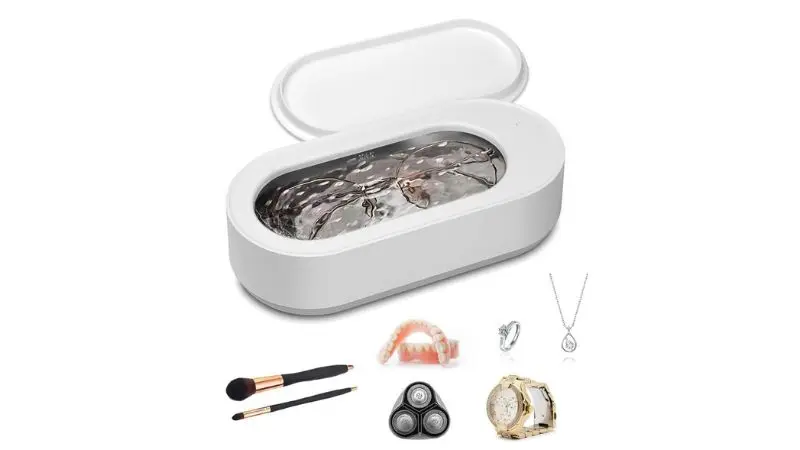
You want your dentures to be clean every day. Ultrasonic denture cleaning is a strong way to keep them fresh. This cleaner removes stains better than a regular brush. The tiny bubbles from the ultrasonic waves reach all parts of your dentures. They can eliminate stains and bacteria in small spaces that a toothbrush cannot reach.
Brushing by hand is effective for removing dirt from the surface. But it often misses hidden spots. Stains can build up over time if you only brush. Ultrasonic denture cleaning tips give a deeper clean in less time. Many people see their dentures look brighter after one cycle.
Eliminates Harmful Bacteria
It is essential to keep your mouth free from germs. Ultrasonic denture cleaning gets rid of harmful bacteria. It combines sound waves with cleaning solutions. The bubbles break up and lift away bacteria from every surface. You do not need to scrub hard or use strong chemicals.
A regular brush may leave some bacteria behind, especially in tiny cracks. Ultrasonic cleaning helps keep your dentures safer and fresher. This method is ideal for individuals seeking additional protection for their mouth.
Reduces the Risk of Oral Infections
You want to stop mouth problems like infections. Ultrasonic denture cleaning lowers the risk of oral infections. It gives your dentures a deep clean. When you remove stains and bacteria, you lower the chance of germs causing problems in your mouth. Here is a quick comparison:
| Method | Removes Stains | Kills Bacteria | Lowers Infection Risk |
| Manual Brushing | Some | Some | Some |
| Ultrasonic Cleaning | Most | Most | Most |
Safety and Tips
Safe Use
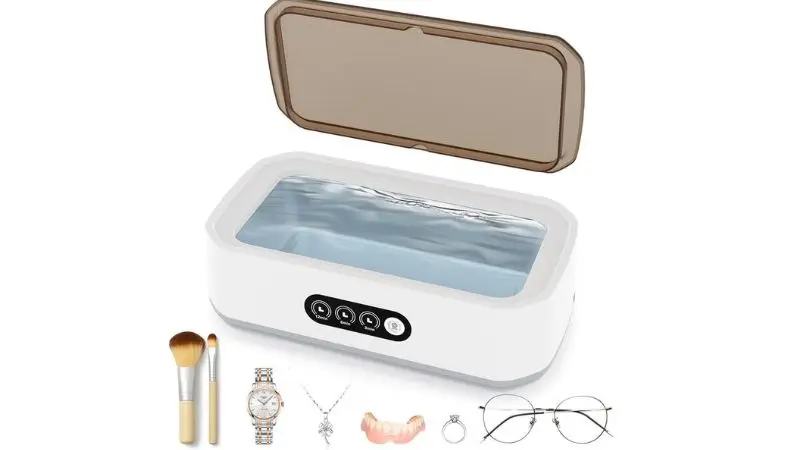
You want your dentures to stay in good shape. An ultrasonic cleaner helps, but you must be careful. Always read the instructions for your cleaner and solution. Some dentures have metal or soft liners. These need gentle care. If your dentures contain metal, choose a solution that won’t harm it.
Set the cleaner for the right time. Most cycles take three to fifteen minutes. Do not run it too long. Excessive cleaning with an ultrasonic cleaner can damage your dentures. Clean your dentures once a day or a few times each week. You still need to brush them every day. Here is a table for safe cleaning:
| Denture Type | Ultrasonic Safe? | Special Care Needed |
| Full acrylic | Yes | No |
| Metal partial | Yes | Use a safe solution |
| Soft liner | Yes | Use a gentle cycle |
Common Concerns
Sometimes you may see problems after cleaning. If your dentures look cloudy or feel rough, rinse them with water again. If you see cracks or loose parts, stop using the cleaner and call your dentist. You should also check if your dentures fit right. A bad fit can cause mouth sores. In case of any problem, follow these tips:
- If the cleaner will not turn on, check the power cord.
- If you see foam or bubbles outside the tank, use less solution.
- If your dentures smell bad after cleaning, rinse them longer.
To Conclude
You can keep your dentures clean and safe by following these easy steps with an ultrasonic cleaner. This method helps you remove stains and bacteria quickly. Regular cleaning supports your oral health and keeps your smile fresh. If you have questions or notice any problems, ask your dentist for advice. You can trust this process to protect your mouth and help your dentures last longer.
FAQs
How often should you use an ultrasonic cleaner for dentures?
You can use an ultrasonic cleaner every day or a few times a week. Using it daily helps keep your dentures clean and fresh. You should still brush your dentures each day for the best care.
Can you use regular toothpaste in an ultrasonic cleaner?
No, do not use regular toothpaste. Toothpaste can scratch and harm your dentures. Always pick a cleaner made for dentures or use a cleaning tablet.
Are ultrasonic cleaners safe for all types of dentures?
Most dentures are safe to use in an ultrasonic cleaner. If your dentures have metal parts or soft liners, check the instructions from the maker. Use a gentle cycle and a cleaning solution that is safe.
What should you do if your dentures look cloudy after cleaning?
Rinse your dentures under running water. Use a soft brush to clean off any leftover cleaner. If they still look cloudy, ask your dentist what to do.