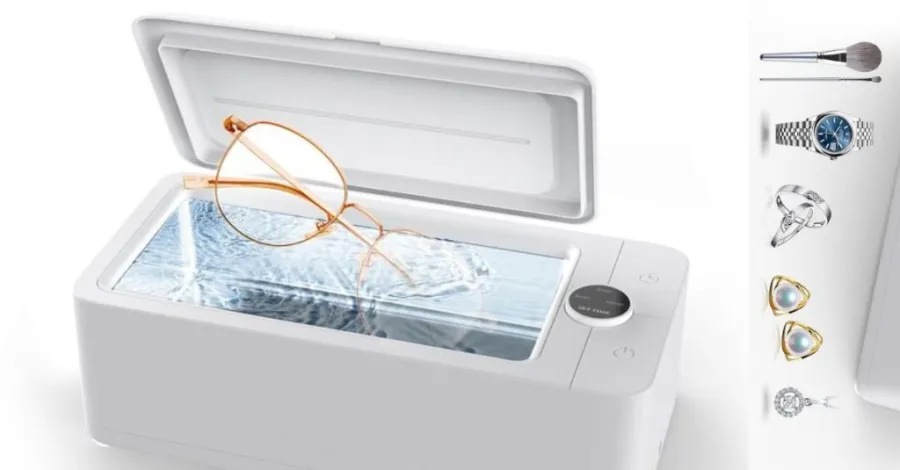
Choosing the right ultrasonic jewelry cleaner solution depends on what your jewelry is made of and how delicate it is. You need to pick a solution that matches your jewelry type. For example, mild dish soap is good for most gold and silver jewelry. Pearls and old jewelry need special care or just water. Exceptional solutions can help remove hard dirt. Always look at a quick chart before cleaning to keep your jewelry safe and shiny. Additionally, it’s essential to understand how the jewelry cleaner works.
Solution Chart
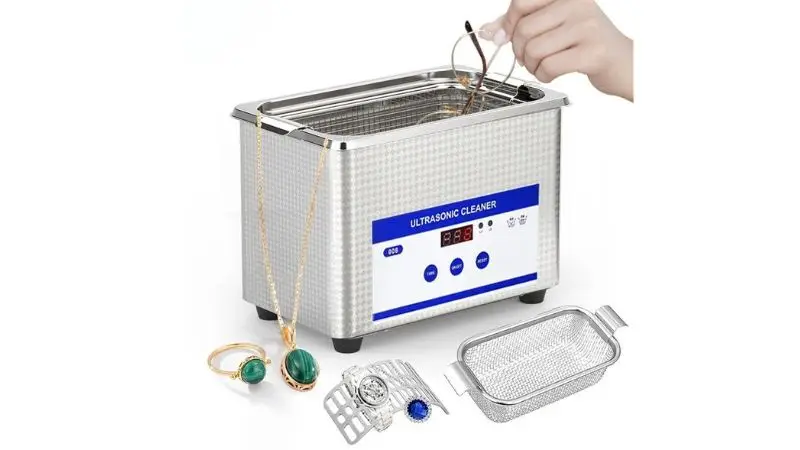
Jewelry Types
You have many kinds of jewelry. Each kind needs its way to get clean. Here are some types you might have:
- Gold
- Silver
- Platinum
- Pearls
- Antique pieces
- Fashion jewelry
- Watches
Recommended Solutions
This table shows which ultrasonic jewelry cleaner solution works best for each jewelry type. You can look at this chart before you clean your jewelry and learn what solution to use in an ultrasonic jewelry cleaner:
| Jewelry Type | Recommended Solution | Special Care Needed? |
| Gold | Mild dish soap + water | No |
| Silver | Mild dish soap + water | No |
| Platinum | Mild dish soap + water | No |
| Pearls | Water only | Yes – Avoid ultrasonic cleaning |
| Antique | Water only or skip ultrasonic | Yes – Fragile, test first |
| Fashion Jewelry | Specialized solution for water | Yes – Check for glue/stones |
| Watches | Water only (case only) | Yes – Remove straps, avoid movement |
Mild dish soap is suitable for most metal jewelry. Water is best for fragile items. Special solutions help with tough dirt, but you should read the label and test a small spot first. If you are not sure, ask a jeweler for help.
How Ultrasonic Cleaning Works
Cleaning Process
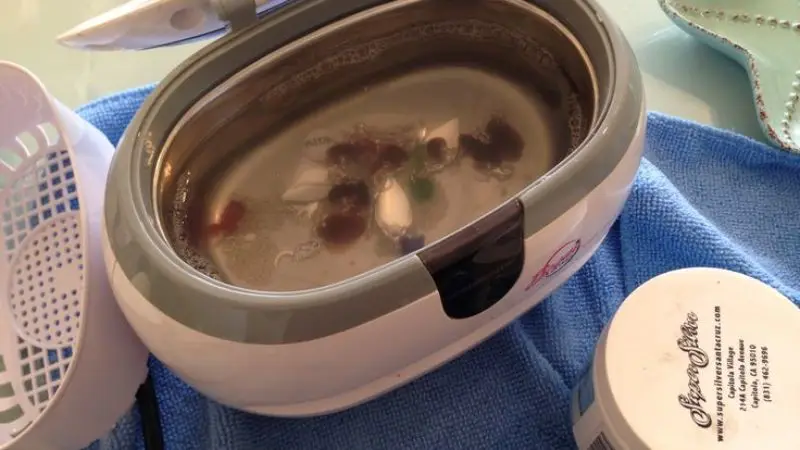
Ultrasonic cleaning uses sound waves to clean your jewelry. You place your jewelry in a tank filled with water or a cleaning solution. The machine sends high-frequency sound waves through the liquid. These waves create tiny bubbles. The bubbles form and burst quickly. This action is called cavitation. You can also make an ultrasonic jewelry cleaner solution at home.
When the bubbles burst, they remove dirt and grime from your jewelry. The process reaches small spaces that you cannot clean by hand. You do not need to scrub or brush. The machine does the hard work for you. Here is how you use an ultrasonic cleaner:
- Fill the tank with water or an ultrasonic jewelry cleaner solution.
- Place your jewelry in the basket.
- Turn on the machine and set the timer.
- Wait for the cleaning cycle to finish.
- Remove your jewelry and rinse it with clean water.
Why Solution Choice Matters
The cleaning solution you choose is very important. Some jewelry only needs water. Some other pieces need a special or mild solution. The right solution gets rid of dirt, oils, and tarnish. Using the wrong solution could hurt your jewelry.
For instance, harsh chemicals can ruin pearls and soft stones. You need an ultrasonic jewelry cleaner that is safe for pearls. If you use the wrong cleaner, your antique jewelry could break. Always use the right solution for your type of jewelry. Check the label to make sure you can safely use an ultrasonic jewelry cleaner solution.
Identifying Jewelry Materials
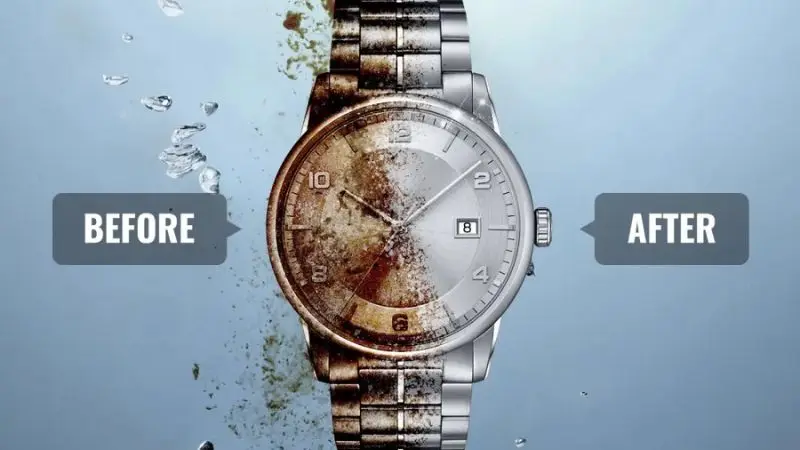
Precious Metals and Stones
Before cleaning your jewelry, it’s essential to know what it’s made of. Ultrasonic cleaning affects different metals and gemstones in various ways. Take a close look at your jewelry. You can usually tell what kind of metal it is by its color or stamp.
- Gold is shiny and can be yellow or white. The number of “K” stamps, such as “10K,” “14K,” or “18K,” shows that it is gold.
- Silver: It looks cool and bright white. If it has a mark like “925” or “Sterling,” it is silver.
- Platinum is a heavy, grayish-white metal. It could have “PT” or “Plat” stamped on it.
- Jewelry for Fashion: These pieces are made of more than one metal or have a thin layer on top. They might not have any stamps.
Gemstones can be pretty and valuable, and they can make your jewelry look nice. Some stones are hard enough to be cleaned with ultrasound. Some stones are soft or have small holes and need to be handled with care.
| Gemstone Type | Common Examples | Ultrasonic Safe? |
| Hard Stones | Diamond, Sapphire | Yes |
| Medium Stones | Garnet, Amethyst | Sometimes |
| Soft Stones | Opal, Turquoise | No |
Sensitive Stones
Some stones can break, crack, or lose color in an ultrasonic cleaner. You need to check if your jewelry has any of these sensitive stones:
- Pearls: These are soft and come from living things. Never use ultrasonic cleaning on them.
- Opals: They can crack or lose water inside.
- Emeralds: These may have tiny cracks filled with oil.
- Turquoise, Lapis Lazuli, Malachite: These stones have tiny holes and can soak up water or chemicals.
- Amber and Coral: These are very soft and scratch easily.
If your jewelry has any of these stones, only use water and a soft cloth. Do not use ultrasonic cleaning. Always check your jewelry before cleaning. This step keeps your jewelry safe and looking good.
Choosing an Ultrasonic Jewelry Cleaner Solution
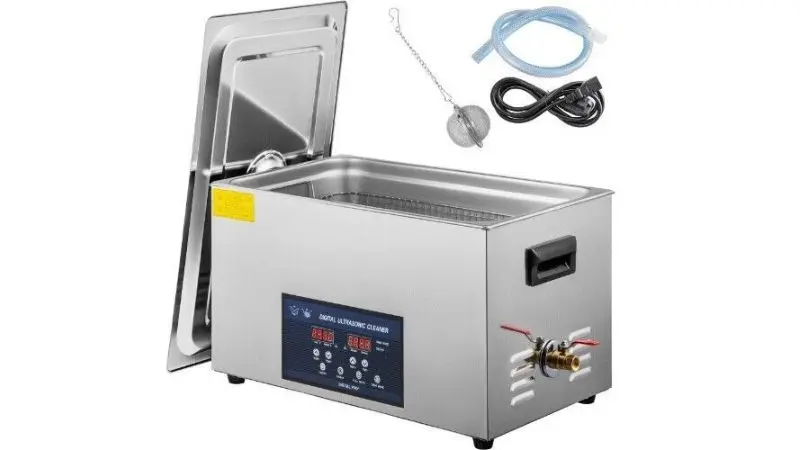
Picking the right ultrasonic jewelry cleaner solution helps keep your jewelry safe. It also helps your jewelry look nice and clean. Consider the metal, gemstones, and type of dirt on your jewelry. Each thing changes, which solution you should use.
By Metal Type
Metals react differently to cleaning solutions. You want your jewelry to stay shiny and safe. Always use a solution that matches the metal.
- Gold: Mix mild dish soap with warm water. Gold does not need strong cleaners. Gentle cleaning keeps gold bright and safe.
- Silver: Silver can get tarnished. Mild dish soap works for most silver. If silver is very tarnished, use a special silver cleaner for ultrasonic machines. Always read the label to make sure it is safe for silver.
- Platinum: Platinum is tough, but still needs gentle cleaning. Mild dish soap and water clean platinum well.
- Fashion Jewelry: Fashion jewelry uses mixed metals or thin layers. Use only water or a special solution for fashion jewelry. Do not use harsh chemicals. They can ruin the finish or make glued stones fall out.
By Gemstone
Gemstones can be hard or soft. Some stones are fine with ultrasonic cleaning. Others need gentle care.
- Diamonds and Sapphires: These stones are hard. They are safe for ultrasonic cleaning. Use a mild, pH-balanced solution. Do not use ammonia or bleach.
- Rubies and Garnets: Most rubies and garnets are safe. Always check for cracks or treatments. Use a gentle cleaner.
- Emeralds, Opals, Pearls, and Turquoise: These stones are soft or have tiny holes. Do not use an ultrasonic jewelry cleaner solution on them. Clean these by hand with water and a soft cloth.
- Other Gemstones: If you do not know the stone, treat it as delicate. Use only water or skip ultrasonic cleaning.
By Contaminant
The kind of dirt on your jewelry matters too. Pick a solution that cleans the dirt but keeps your jewelry safe.
- Every day, Dirt and Oil: Mild dish soap and water clean most dirt and oil. This mix works for gold, silver, and platinum.
- Heavy Tarnish: For silver with significant tarnish, use an exceptional ultrasonic jewelry cleaner solution. Follow the instructions. Never use bleach or strong acids.
- Grease or Sticky Stuff: A pH-balanced cleaner helps with grease. Make sure the cleaner is safe for your jewelry.
- Delicate or Glued Pieces: Use only water. Avoid using any cleaner that could damage glue or fragile parts.
Safety and Aftercare
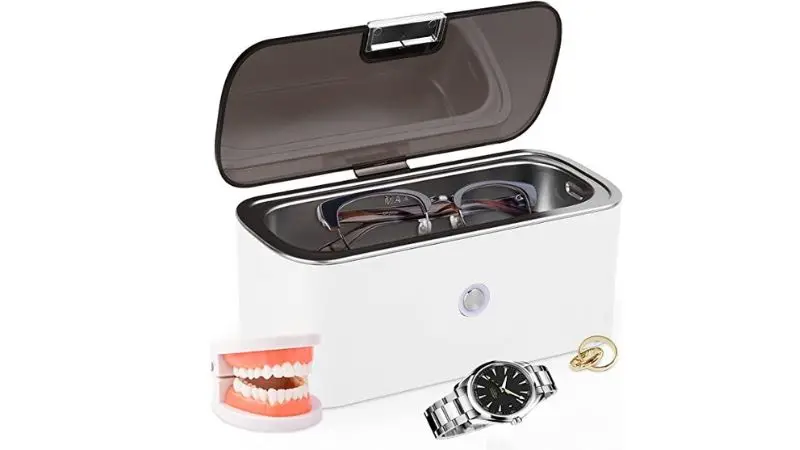
Precautions
You want to keep your jewelry safe during cleaning. Always check your jewelry before you start. Look for loose stones, cracks, or glued parts. If you see any damage, do not use the ultrasonic cleaner. Read the instructions for your machine and the ultrasonic jewelry cleaner solution. Some jewelry types need special care. Never use harsh chemicals or bleach. These can damage both your jewelry and the cleaner.
Rinsing and Drying
After cleaning, rinse your jewelry with clean water. This step removes any leftover cleaner or dirt. Use lukewarm water for best results. Place your jewelry on a soft towel. Pat it dry gently. Do not rub too hard. Let your jewelry air dry for a few minutes. Make sure all parts are dry before you store or wear your jewelry again.
- Use a soft, lint-free cloth for drying.
- Avoid using paper towels, which can scratch metal or stone.
- For watches, keep water away from the movement and only clean the case.
Troubleshooting
Sometimes, you may notice your jewelry does not look as clean as you hoped. Here are some common problems and solutions:
| Problem | What You Can Do |
| Jewelry still dirty | Run another short cycle. Check if the solution is fresh. |
| Cloudy stones | Rinse again with clean water. Dry with a soft cloth. |
| Loose stones or parts | Stop using the cleaner. Visit a jeweler for repair. |
| Strange smell or color | Change the solution. Clean the tank. |
Conclusion
You can keep your jewelry safe and shiny if you pick the right ultrasonic jewelry cleaner solution. Make sure the solution matches your jewelry’s metal and stones. Look at your jewelry to see if it has any delicate parts before you clean it. Follow safety tips and read the instructions on the product. If you are not sure what to do, ask a jeweler or check reviews. Cleaning gently helps your favorite jewelry last a long time.
FAQs
Can you use any dish soap in an ultrasonic jewelry cleaner?
You should use a mild, clear dish soap without added dyes or harsh chemicals. Avoid soaps with bleach or strong scents. These can damage your jewelry or the cleaner.
How often should you change the cleaning solution?
Change the solution after every cleaning session. A dirty solution will not clean your jewelry well. Fresh solution keeps your jewelry safe and shiny.
Is it safe to clean all gemstones in an ultrasonic cleaner?
No, you should not clean soft or porous stones like pearls, opals, or turquoise in an ultrasonic cleaner. These stones can crack or lose color. Always check your jewelry before cleaning.
What should you do if your jewelry looks dull after cleaning?
Try rinsing your jewelry again with clean water. Dry it with a soft, lint-free cloth. If it still looks dull, ask a jeweler for advice.