Keeping your chickens warm in winter doesn’t have to mean expensive heating bills or complicated setups. Many flock owners ask how to keep a chicken coop warm in the winter without electricity, and the good news is, it’s easier than you think. By sealing drafts, adding deep litter bedding, and creating windbreaks, you can protect your hens from the cold naturally. These methods are safe, cost-effective, and keep your coop cozy even in freezing temperatures. Knowing how to keep a chicken coop warm in the winter ensures your chickens stay healthy, comfortable, and happy all season long—without relying on electricity.
Minimize Drafts for a Cozy Winter Coop
One of the best solutions to keeping the chicken coop warm naturally during freezing temperatures is preventing cold air from entering the chicken coop. The coop can easily become uncomfortable and unhealthy for your flock because of drafts. You can provide your chickens with a safer and warmer home by closing openings and preventing cold winds. So, here are the best action steps you can take to minimize drafts and make your birds happy during winter.
Seal Gaps and Holes
Even the smallest crack can let in icy air, so it’s important to carefully inspect your coop. Walk around and check corners, rooflines, and areas where walls meet for any openings. Use caulk, expanding foam, or weather stripping to fill gaps. For quick fixes, old towels or rags can work well.
By sealing these spaces, you not only improve warmth but also reduce moisture buildup. This is one of the simplest methods for how to keep a chicken coop warm in freezing temperatures without relying on risky heat sources.
Weatherproof Doors and Windows
Windows and doors are the key areas of heat loss. Make sure that they are well shut, and you should have weather shielding or foam tape to use. Putting heavy curtains or old blankets over doors at night will provide additional insulation. Clear plastic sheeting works best on windows; it allows sunlight in, but it keeps cold air out.
Always leave some opening to fresh air to avoid condensation and ensure healthy air circulation. Inspect latches and hinges, and repair panels or broken glass immediately. The key to heating a chicken coop without a fire hazard in winter is a well-sealed coop.
Use Windbreaks
This wind can easily cool temperatures in the coop. Windbreaks are an easy thing that can give your flock a layer of protection. You can fill straw bales, wooden pallets, or plywood sheets on the wind side of the coop. These walls protect from the gusts, thus keeping them warm and more pleasant for your chickens.
Windbreaks can be particularly helpful in the context of heating a chicken coop in extreme cold, because windbreaks do not require electricity. With them on hand, you can make a warmer, safer atmosphere around your birds during the wintertime.
Insulate and Ventilate for Maximum Winter Warmth
A warm chicken coop in winter starts with good insulation and balanced ventilation. Proper insulation traps heat, while ventilation prevents moisture buildup that can harm your flock. The combination of these two elements is one of the best ways to keep a chicken coop warm naturally while still maintaining a healthy environment. You don’t need expensive materials—simple, low-cost options can work wonders for keeping your chickens comfortable through freezing nights.
Insulate Walls and Roof
Focusing on the walls and roof can greatly improve your coop’s ability to hold heat. Place straw bales along the inside walls for extra insulation, and fill gaps with foam weather stripping or recycled cardboard. For the roof, cover it with thick blankets or tarps to block heat loss.
These simple adjustments make a noticeable difference in how to keep a chicken coop warm in the winter, especially during extreme cold snaps. Always check for dampness after rain or snow—wet insulation loses its effectiveness and should be replaced promptly to maintain warmth.
Deep Litter Method
The deep litter method is both a heating and bedding strategy. Start by laying down a thick layer of straw or wood shavings on the floor. Over time, as you add fresh bedding and turn it weekly, the material begins to break down naturally, generating gentle heat.
This method is an affordable solution when considering chicken coop heating options for extreme cold, as it requires no electricity or fire hazards. Along with warmth, it also helps control odors and keeps the coop floor cleaner during winter months.
Ventilation Without Drafts
Insulation is essential, but ventilation creates a healthier coop, keeping it dry. Excessive moisture may result in frostbite or respiration problems among chickens. Provide small vents close to the roof, not inside roosting areas, to allow fresh air to enter without giving cold drafts.
Well-ventilated bedding helps the bedding remain dry, and windows become less damp. The balance is critical to heating a coop without a fire hazard, as this balance would keep you from requiring too much heating to keep your flock healthy.
Maximize Natural Heat for a Warmer Coop
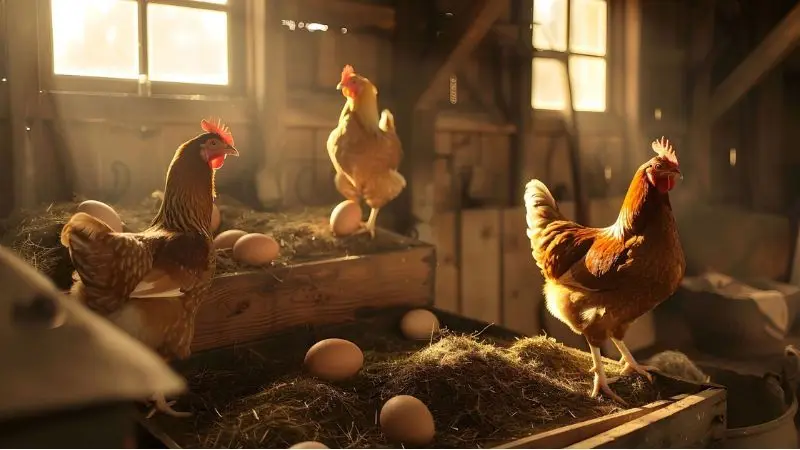
Keeping your flock comfortable in winter doesn’t have to mean using electricity or expensive equipment. By taking advantage of sunlight and other natural resources, you can create an efficient, low-cost setup that works as one of the best ways to keep a chicken coop warm naturally. These methods reduce energy use, cut costs, and keep your chickens safe from overheating or fire hazards while still maintaining a cozy environment in cold weather.
Sunlight Exposure
The sun is a free and effective source of heat and can be a game-changer in how to keep the chicken coop warm during freezing temperatures. Place your coop to have as much exposure to sunlight during the day as possible, preferably with south-facing windows. Make the glass clean to allow easy passage of light.
You may also attach transparent plastic panels to allow light to enter while keeping the wind out. Open curtains or covers during the day to invite the sunlight inside and close them at night to retain the heat. This minimal change makes it possible to keep the temperature comfortable without using electric heating.
Thermal Mass
Thermal mass refers to materials that absorb and store heat during the day, then slowly release it at night. Bricks, stones, or large water jugs can be placed inside the coop to capture heat from sunlight. Position dark-colored objects near sunny windows to increase heat absorption. At night, these items gradually release stored warmth, helping to stabilize temperatures.
This method works well when considering chicken coop heating options for extreme cold, especially if you want to avoid electrical heating entirely. Using several smaller thermal mass objects instead of one large one allows for more even heat distribution.
Hot Water Bottles
Hot water bottles are a simple, portable way to add warmth to your coop. Fill sturdy bottles with hot water in the evening and place them in safe spots where your chickens like to roost or gather. They will give off heat for several hours, making them a practical choice for how to heat a chicken coop without a fire hazard.
Always ensure the bottles are tightly sealed to prevent leaks, and choose materials that can handle high temperatures safely. This technique is especially handy for sudden cold snaps or when your flock needs extra warmth at night.
Keeping Chickens Warm in Winter
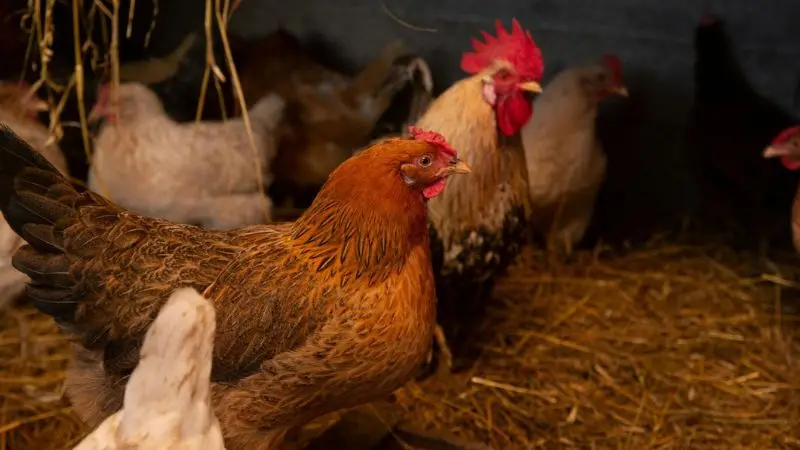
ways to keep chicken warm in winter
Caring for chickens during the colder months can seem challenging, but it’s often about focusing on the basics. Good shelter, dry bedding, and the right breeds can make a huge difference in how to keep a chicken coop warm in freezing temperatures. By making small adjustments, you can help your flock stay healthy and comfortable even in extreme cold. Let’s explore the most effective strategies.
Roosting and Shelter
Chickens roost at night so they can save on their heat. Give them strong roosts that are well raised above the ground to prevent their contact with cold floors. Locate these roosts in the hottest corner of the coop, and make sure there is protection against wind and drafts.
To increase the insulation, old blankets or tarps are hung over some areas. One of the most natural ways to make a chicken coop warm is in a draft-proof, safe coop, which you can use to allow your flock to stay warm without the use of an electrical heater.
Flock Body Heat
Your chickens’ natural body heat is a valuable resource for staying warm. They instinctively huddle together when the temperature drops, sharing warmth through close contact. Arrange roosts so birds can sit near each other without being overcrowded.
Larger flocks tend to generate more heat, making it easier to maintain a comfortable environment. Allowing this natural behavior is an effective, low-cost way to keep your coop warm, reducing the need for artificial heating and lowering the risk of fire hazards.
Dry Bedding
Moisture inside the coop quickly leads to heat loss and can cause frostbite in extreme cold. Use dry straw or wood shavings on the floor, replacing them often, especially after rain or snow. A thick, dry bedding layer provides insulation and is part of how to heat a chicken coop without a fire hazard, as it helps retain warmth naturally. Keeping the bedding fresh also reduces odors and improves air quality, contributing to a healthier environment for your flock during winter.
Cold-Hardy Breeds
Another key to being ready in cold weather is selecting the correct chicken breeds. Orpingtons, Wyandottes, and Plymouth Rocks are cold-tolerant breeds with feather density and smaller combs, which enable the breeds to sustain cold conditions.
Such breeds support less supplementary warmth, and as such, they are the best choices when it comes to chicken coop heating during extreme cold. Choosing the correct flock initially saves a lot of time and effort, and the winter care or work becomes a lot easier.
How to Keep Chicken Coop Warm in the Winter
Winter weather can be tough on chickens, but with the right care, your flock can stay warm and healthy. The key is to protect against frostbite, ensure unfrozen drinking water, and provide enough feed to meet their higher energy needs. These three steps will keep your birds comfortable while reducing stress during the coldest months.
Prevent Frostbite
Frostbite can affect chickens’ combs, wattles, and feet when temperatures drop. To prevent it, keep the coop dry, draft-free, and well-insulated. Use thick bedding, check for dampness daily, and ensure roosts are higher off the ground.
Applying a thin layer of petroleum jelly to combs and wattles can help protect against the cold. If you notice pale or swollen spots, move affected birds to a warmer space. A frostbite-free flock is essential when considering how to keep a chicken coop warm in the winter while maintaining their health.
Unfrozen Water
Fresh water is just as important in winter as in summer, but it can freeze quickly in low temperatures. Rubber bowls are a great choice since you can easily remove ice from them. Fill containers with warm water in the morning, and place them in sunny spots inside the coop to slow freezing. Wrapping bottles in old towels can also help retain warmth. Checking and changing water twice a day is one of the best ways to keep a chicken coop warm naturally by supporting the flock’s overall health.
Extra Feed
During the cold weather, chickens consume more energy to keep warm; hence, they require more food. It is good to provide them with some cracked corn or scratch grains late in the day so they can heat up at night. Feeders should also be full and in good condition to stimulate frequent feeding.
This is an easy but very crucial aspect of how to keep a chicken coop warm in the freezing weather (since a well-fed chicken can trap body heat better). Even a small amount of extra feed will uplift their comfort and physical strength in facing the winter months.
Wrap Up
Keeping chickens warm in winter doesn’t have to be difficult. With the right shelter, insulation, dry bedding, and smart use of natural heat, your flock can stay healthy and comfortable even in extreme cold. Choosing cold-hardy breeds, preventing frostbite, and ensuring fresh water and extra feed all play an important role. By following these steps, you’ll know how to keep the chicken coop warm in the winter without relying on risky heating methods. Small changes can make a big difference, and with consistent care, your chickens will thrive through the winter and be ready for the warmer months ahead.
FAQ
How cold is too cold for chickens?
Most chickens are comfortable at temperatures down to 20°F. Those that are hardy for the cold do even better. If you see shivering or frostbite, then add more bedding and also check for drafts. Your flock must have protection from wind and wet weather.
Can I put blankets in my coop?
You can hang blankets up on walls to add insulation. Keep them dry, and they will not be pecked by or get entangled by chickens. Blankets reduce drafts and trap heat in.
Do chickens need heat lamps in winter?
You don’t have to have a heat lamp if you use insulation, deep litter & windbreaks. Chickens generate body heat by crowding together. Lamps don’t burn very well, so natural methods are the best choice.
How often should I change bedding in winter?
Replace bedding on a weekly basis or when it gets wet. Dry bedding is warm and prosperous for healthy chickens. Use straw or wood shavings for best results. As needed, add fresh layers.