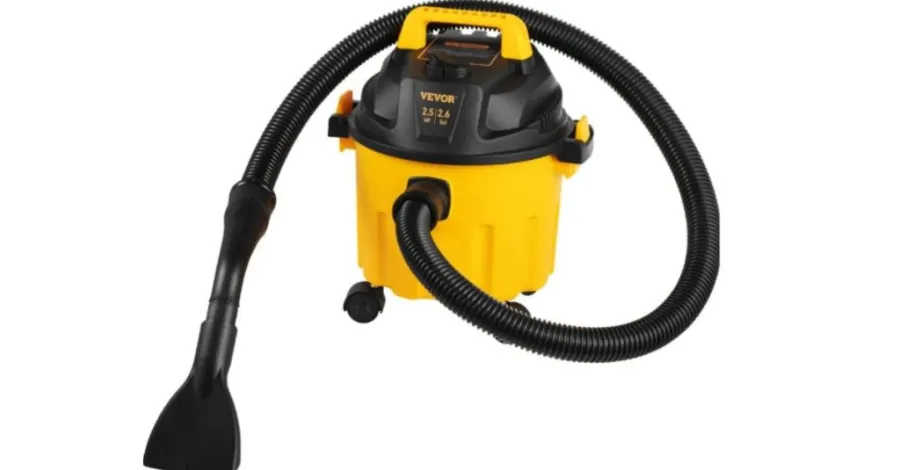
Hardwood floors are beautiful and add value to any home, but it’s hard to keep them from getting scratched. Many people who own homes are afraid that using the wrong tools would leave dents, scuffs, or damage that will cost a lot of money to fix. Picking the right vacuum sweeper for hardwood floors will maintain your house clean and protect your investment.
In this blog, we will talk about how important it is to get the right model, what features to look for, and how to maintain your floors clean and shiny without scratching them.
Assess Your Hardwood Floors
Floor Type
Before you buy a vacuum, find out what kind of floor you have. Hardwoods like solid, engineered, and bamboo come in finishes that range from shiny to dull. Soft woods are easy to scratch, and high-gloss finishes show scratches quickly.
Your floor’s warranty or maintenance guide might tell you what tools to use to clean it. Use a delicate cloth to test a small area for reactions. The best vacuum sweeper for hardwood and tile floors cleans well, doesn’t leave scratches, and keeps the floors looking nice.
Household Needs
Think about what you do every day. Do you have kids, dogs, or others who come over often? The right tools are essential because each home has varied cleaning needs. The top-rated cordless vacuum sweeper for hardwood floors is practical, easy to use, and safe for your floors.
- Pet owners should get a vacuum that has strong suction and a filter for hair and dander.
- A lightweight vacuum is good for quick cleanups in busy homes.
- If you have allergies, get a model with a HEPA filter.
Vacuum Sweeper for Hardwood Floors: Key Features
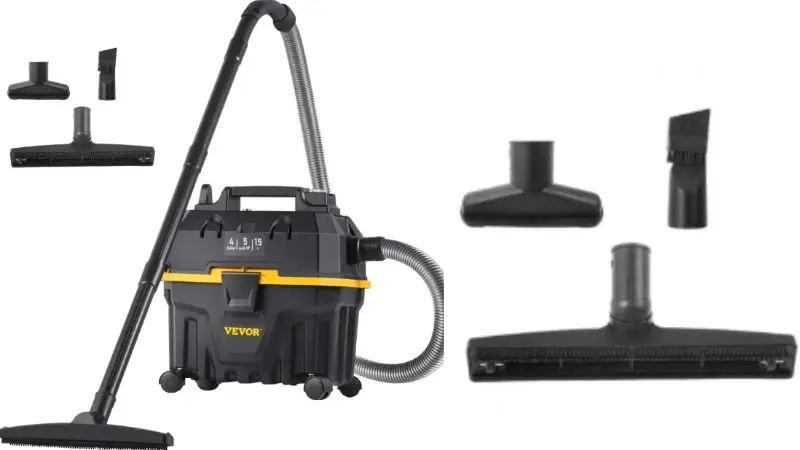
When you shop for a vacuum sweeper for hardwood floors, you want to look for features that protect your floors and make cleaning simple. Let’s break down what matters most.
Soft Wheels
Soft tires keep wooden floors from getting scratched and dinged. A lightweight vacuum sweeper for elderly users with soft rubber or felt wheels moves without leaving marks. Models with microfiber pads or attachments that are safe for hardwood floors gently pick up dust. If the wheels feel harsh or strong, look for smooth ones to keep your floors safe.
Brush Roll Control
A lot of vacuum cleaners feature a brush roll that spins. This works well on carpets but can harm hardwood floors. The best vacuum sweeper for hardwood and tile floors offers a brush roll you can turn off. Some versions let you switch between carpet and hard floor modes with the push of a button. Others come with soft bristle brushes or microfiber pads that are great for cleaning delicate surfaces without damaging them.
Suction Power
Strong suction picks up dirt and crumbs without spreading them about. Weak suction leaves behind debris. Balance is vital since having too much strength can pull up loose boards or finish. The best cordless vacuum sweepers for hardwood floors let you change the suction. More power is needed for pets and a lot of foot traffic.
Note: Test the vacuum in a small area to make sure it picks up dirt without blowing it around.
Filtration
Dust and allergens can hide in the cracks of your hardwood floors. A good vacuum sweeper for hardwood floors should have a high-quality filter. HEPA filters trap tiny particles and keep the air clean. This matters if you have allergies or pets. Some vacuum cleaners have washable filters, which save you money over time.
Maneuverability
When cleaning hardwood floors, it’s essential to be able to move around easily. A top-rated cordless vacuum sweeper for hardwood should be able to travel around furniture and tight corners without scratching them. Cleaning is easy with lightweight designs, swivel heads, and flexible hoses. Pick a type that is easy to carry upstairs or in small spaces.
Quick Checklist:
• Soft wheels
• Brush roll control
• Adjustable suction
• HEPA or quality filter
• Lightweight and easy to steer
The right features keep your floors pristine and cleaning stress-free.
Best Vacuum Types
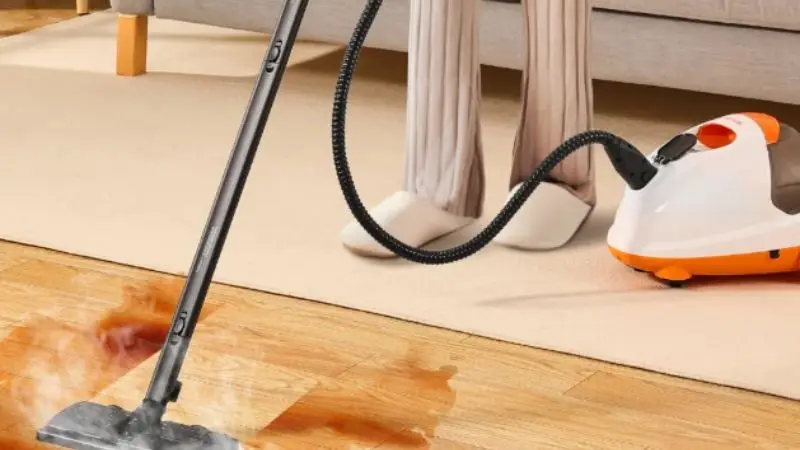
Choosing the right vacuum cleaner can make a big difference for hardwood floors. Many homeowners ask what kind of vacuum is safe for hardwood floors. The wrong choice can scratch or dull the surface. Let’s look at the most popular options and see which one fits your home best.
Stick Vacuums
Stick vacuums are light and easy to operate. They’re great for fast cleanups or dusting every day. Most move nicely on hardwood without scratching. You can turn off the brush rollers and soft wheels.
Pros:
- Easy to carry upstairs
- Great for little messes
- Lightweight and easy to store
Cons:
- The dust bins are smaller
- The suction isn’t as strong
The best vacuum sweeper for tile and hardwood floors cleans quickly and gently.
Canister Vacuums
Canister vacuums have strong suction and a lot of different attachments. Some of these attachments have soft bristles or felt pads for cleaning hardwood floors.
Pros:
- Strong suction
- Works well in big spaces
- Hoses that bend can go under furniture
Cons:
- Can be bulky
- Hose and cord may tangle
A top-rated cordless vacuum sweeper for hardwood can make things just as easy, but it’s easier to use.
Robot Vacuums
Robot vacuums clean on their own using scheduled settings and sensors to avoid things in their way. A lot of them have soft wheels and brushes that are easy on hardwood floors.
Pros:
- Cleaning without using your hands
- Fits under beds and couches
- Suitable for daily dust and pet hair
Cons:
- Small dust bins
- May miss corners
A lightweight vacuum sweeper for elderly users can offer similar ease with more control over cleaning.
Upright Vacuum Cleaners
Strong upright vacuums quickly clean large areas. Some kinds let the hardwood brush roll off. Look for wheels that are soft and suction that can be changed.
Pros:
- Big area to clean
- Works well on big messes
- Simple to push
Cons:
- Heavier than other types
- Harder to use on stairs
The best vacuum sweeper for hardwood and tile floors should have features that protect your floors.
Avoiding Scratches
Features to Avoid
Some vacuums can damage hardwood floors. Avoid models with rugged plastic wheels, as they may leave marks or dents. Stiff bristles on brush rolls can scratch the surface, and heavy vacuums may scuff floors if dragged. A top-rated cordless vacuum sweeper for hardwood is a safer choice.
Tip: Always check the product label. If it does not confirm safe use on hardwood floors, it is best to keep looking.
Unsafe Attachments
Some attachments look helpful, but they can damage your floors. Avoid using beater bars or power brushes with stiff bristles. These tools work well on carpets but not on wood. Metal edges on some attachments can also scratch the finish. Stick with soft brushes, felt pads, or microfiber heads.
Here’s a quick guide:
| Attachment Type | Safe for Wood? | Why/Why Not |
| Stiff Bristle Brush | ❌ | Scratches surface |
| Metal Edge Tool | ❌ | Can gouge or mark |
| Microfiber Pad | ✅ | Gentle and dust-trapping |
| Felt Pad | ✅ | Soft and safe |
Maintenance Tips
You can keep your vacuum safe for your floors with a bit of care. Clean the wheels and brushes often. Dirt stuck on them can scratch as you clean. Empty the dust bin before it gets too full. A full bin can lower suction and leave dirt behind. Check for loose screws or broken parts. Fix them right away to avoid accidents.
Keep your vacuum in top shape, and your floors will thank you!
Quick Comparison Checklist
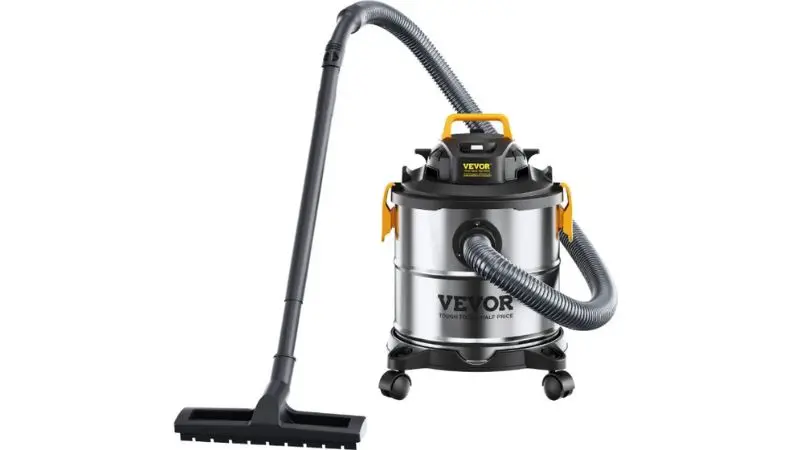
In-Store Guide
Customers can see and try out the vacuum before they buy it. This helps decide what kind of vacuum is safe for hardwood floors.
- Test the wheels by rolling them on a firm surface. Wheels made of soft rubber or felt should move smoothly without making noise or bumps.
- Lift the weight to make it easier to carry upstairs or around furniture.
- Look for a switch that turns off the brush roll.
- Look at Attachments: Choose soft brushes or microfiber pads instead of metal or stiff bristles.
- Check the Handle: Make sure it feels good and steers well.
Tip: Ask for a demo; many stores have sample floors.
Online Guide
Shopping online means you can’t touch the vacuum, but you can still make a wise choice. Use this checklist to compare models:
| Feature | Must-Have? | What to Look For |
| Soft Wheels | ✅ | Rubber or felt, not hard plastic |
| Brush Roll Control | ✅ | On/off switch or hard floor mode |
| Adjustable Suction | ✅ | Multiple power settings |
| HEPA Filter | ✅ | Traps dust and allergens |
| Lightweight Design | ✅ | Under 10-15 lbs if possible |
- Read Reviews: Look for comments about scratches, noise, or ease of use.
- Check Product Photos: Zoom in on wheels and attachments. Soft, rounded edges are best.
- Compare Specs: Use the table above to match features with your needs.
Note: If you can’t find info about a feature, contact customer service or check the manufacturer’s website.
Conclusion
Picking the proper vacuum sweeper for hardwood floors will keep your home clean and retain its attractiveness. You can keep your floors looking shiny and avoid scratches by choosing models with soft wheels, adjustable suction, and gentle attachments. Taking care of your vacuum on a regular basis keeps it working at its best and makes your floors last longer. Follow the steps to help you make a wise choice, whether you purchase in person or online. Your hardwood floors will stay clean, free of scratches, and looking great for years with the appropriate vacuum.
FAQ
Can I use any vacuum on hardwood floors?
You should not use just any vacuum. Some vacuums have rugged wheels or rough brushes that can scratch your wood. Always pick a vacuum made for hardwood floors to keep them safe.
Are cordless vacuums suitable for wood floors?
Yes, cordless vacuums work well on wood floors. They are light and easy to move. Many models have soft wheels and gentle brushes. You can clean up dust and crumbs quickly without worrying about scratches.
Do robot vacuums work well on wood floors?
Robot vacuums do a great job on wood floors. They glide smoothly and pick up dust every day. Most have sensors to avoid bumping into things. You can set them to clean while you relax.
How often should I vacuum my hardwood floors?
Vacuum your hardwood floors at least once a week. If you have pets or kids, you may want to clean more often. Regular vacuuming keeps dust and dirt from scratching the surface.
What should I do if my vacuum leaves marks?
Stop using it right away. Check the wheels and brushes for stuck dirt or damage. Clean or replace any rough parts. Try a softer attachment next time to protect your floors.