Want your two-wheel garden cart to stay strong and last longer? A little care goes a long way. Whether you’re a beginner or a seasoned gardener, simple upkeep can prevent damage, improve safety, and save you money on repairs. Keeping your cart clean, checking the wheels, and tightening bolts now and then helps it roll smoothly and carry heavy loads with ease.
These easy, smart wheelbarrow tips will make your cart more reliable and efficient. No fancy tools or skills needed—just a bit of regular attention. Give your garden cart the care it deserves and enjoy hassle-free yard work.
Keep Your Two-Wheel Garden Cart Clean and Rust-Free
A well-maintained two-wheel garden cart lasts longer, rolls more easily, and stays safe to use. Whether you’re doing light garden work or tackling heavier tasks, keeping your cart clean is key. Simple care routines protect it from damage, rust, and wear. Here’s how to keep your cart in excellent condition year-round.
Cleaning Off Dirt and Debris
After each use, clean your cart to avoid buildup that can affect performance. Even a lightweight two-wheel garden cart for seniors benefits from basic care.
Use the following steps:
- Rinse the bed and frame with a garden hose or wipe with a damp cloth.
- Use a stiff brush to scrub off stuck-on dirt.
- Remove leaves or twigs caught in the wheels.
- Wipe dry with a towel or let it air dry in the sun.
Regular cleaning helps your cart roll smoothly and makes future maintenance easier.
Preventing Rust and Corrosion
Moisture and dirt can lead to rust, especially if you’re using a heavy-duty two-wheel garden cart for landscaping in damp or muddy areas. Check your cart often for signs of wear and treat any rust early.
Here’s what to do:
- Inspect for paint chips or scratches after cleaning.
- Remove rust with a wire brush.
- Apply rust-inhibitor spray to exposed metal.
- Touch up with outdoor-safe paint as needed.
- Always store your cart in a dry spot or cover it during rain.
These steps protect your investment and help your cart last through many seasons of work.
Lubrication for Smooth Movement and Longer Life
In order to make your two-wheel garden cart roll easily and last long, you have to ensure that it is well-lubricated. Dirt and moisture can cause your garden cart to become stiffer and squeakier over time, making it work harder than necessary. No matter whether it is the best 2-wheel cart you are using or a simpler model, making sure that the moving parts are in good shape will make your experience smooth each time.
Regularly Lubricate Axles and Bearings
Most stress gets onto the axles and bearings. Once they get dry or dirty, your cart becomes difficult to push. They are kept in good shape by lubrication.
These are the steps:
- Before using oil, clean up around axles and bearings.
- The application should be with a spray lubricant or a drop of household oil.
- Turn the wheels slowly and apply oil where the axle joins the wheel.
- Remove excess oil so as to avoid the sticking of dust and dirt.
By doing this once a month (or more frequently, the more you use your cart), you will feel the difference in the smoothness of its motion.
Minimize Friction to Improve Performance
The less friction, the more comfort you will have, and the less wear and tear on your cart. When you begin to hear squeaks or experience resistance, then your cart requires attention.
This is how to minimize friction:
- Look at the wheels and handles to see if there is any rubbing or sticking.
- Put oil or grease on stiff moving parts.
- Once lubricated, test the wheels to make sure that they move freely.
One of the essentials of using two two-wheel garden carts in the appropriate manner is regular oiling. These simple measures save your money and ensure that your gardening activities are not a burden.
Wheel and Tire Maintenance for a Safer Ride
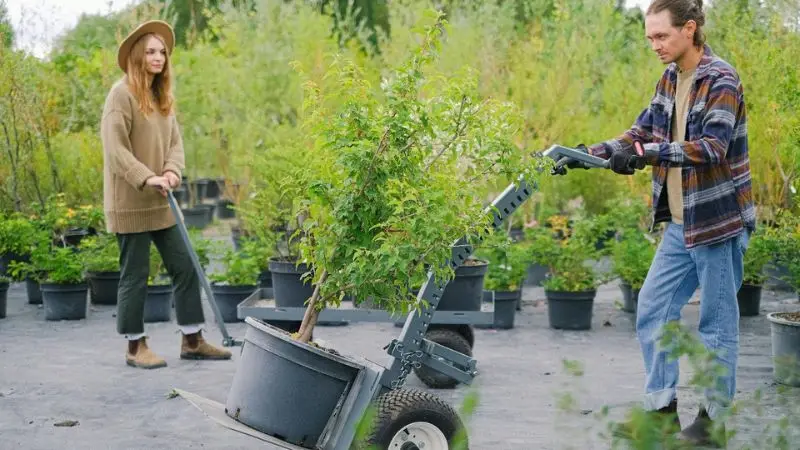
Wheels are the backbone of your two-wheel garden cart. Without proper maintenance, your cart won’t roll smoothly or safely. Keeping the tires in good condition helps balance heavy loads and makes pushing much easier—especially if you use a heavy-duty two-wheel garden cart for landscaping on rough terrain.
Check Tire Pressure
It is a good idea to check your tire pressure before every usage. The low pressure puts an extra burden on your cart and makes it hard to control. Air-filled tires may be worn down quickly and burst in an overinflated form. An accurate reading should be obtained with the help of a tire gauge. Virtually all garden cart tires have a pressure rating of approximately 30 psi, though you should check the sidewall of your particular tire to ensure that you are entering the correct amount of pressure.
The correct tire pressure ensures that your cart comes off without jerks, enhances safety, and increases tire life. It is quite a savvy habit to check weekly during busy gardening months.
Examine Treads and Search Out Damage
Grip is provided to your garden cart by the tire treads. Your cart may slide or lose balance when it wears out, especially when on slippery or uneven ground. Check the tires to see whether there are sharp objects, worn areas, as well as cracks. Bad tires lower safety and responsiveness, particularly in the best 2-wheel cart when working in the garden.
Test wheel alignment also. Wheels could be off-balance/loose; this is why your cart is drifting to one side. This is where maintenance of trolley wheels plays a role. It is better to fix minor issues before they become serious breakdowns.
Fasten every Bolt and Nuts
Wobbly wheels and unsafe handling may occur as a result of loose bolts. To examine all the nuts and bolts of your cart, particularly near the wheels and the frame, use a wrench. These parts hardly take a few minutes to tighten and can give you a strong and secure two-wheel garden cart even with heavy loads.
Put bolt checks into practice every month. Having such basic precautions keeps your garden cart safe and dependable year after year.
Frame and Bed Inspection for Long-Term Durability
Your two-wheel garden cart takes on a lot—heavy soil, rough terrain, and weather changes. To keep it in great shape, pay close attention to the frame and bed. These parts carry the load, and even small damage can turn into bigger problems. Regular checks can help your cart last through many gardening seasons.
Look for Damage or Wear
Every time you use your garden cart, take a quick moment to inspect the frame and bed. Look for dents, cracks, or any bent metal that could weaken the structure. Rust can also be a problem, especially on older models or after exposure to rain. Scrape off any rust you find, and clean the area thoroughly. If you notice wobbly handles or loose bolts, fix them before you load anything heavy.
Check the corners and edges for sharp or weak spots, and gently press on the bed to test its strength. Looking underneath may reveal hidden rust or damage. These simple steps will keep your best 2-wheel cart for garden work strong and reliable.
Repair or Reinforce as Needed
If you find signs of wear, don’t wait to fix them. Tighten any loose bolts with a wrench to keep the structure steady. For small cracks in the bed, use a strong tape or metal patch. If the bed feels soft, reinforce it by adding a wooden support underneath. Applying rust-resistant paint to bare spots helps prevent future damage and keeps your cart looking clean.
Replacing broken handles, bent parts, or missing screws is also important. You can drill in extra screws for added strength. If the damage is large, such as a cracked frame, consider asking for help with welding. Simple repairs now can stop costly replacements later—especially if you rely on a heavy-duty two-wheel garden cart for landscaping.
Garden Cart Maintenance Routine

A useful two-wheel garden cart will help make work in the garden simple and without stress. Maintain a regular maintenance schedule to ensure that it fires each time. There is not a great deal to do; just a few minutes of care a week will keep your cart in first-rate condition.
The easiest way to be consistent is to write down a basic checklist and put it somewhere visible in your garage or shed. Checking your cart regularly minimizes unexpected failures and ensures you can use your cart season after season.
Checks and Schedules Regular
Do a once-over on your garden cart before you use it. Check anything that seems wrong—loose bolts, soft boards in the bed, or tires seeming low on air. When these minor issues are neglected, the result could be the occurrence of larger problems in the future. Weekly check-ins are particularly necessary when using a two-wheeled lightweight garden cart with seniors, where operation and safety are paramount.
Include the following in your routine:
- Check tire pressure and refill as needed.
- Inspect bolts and nuts for tightness.
- Clean off mud and debris from the frame and wheels.
- Look for signs of rust or cracks in the bed or handles.
The more often you use your cart, the more frequently you should check it. This habit keeps everything in working order and gives you peace of mind.
Replace Worn Parts
Even the best 2-wheel cart for garden work needs replacement parts from time to time. No tool lasts forever without wear. When you notice signs of damage—like a wobbly wheel, cracked handle, or thinning tire—act fast. Replacing parts early prevents accidents and ensures your cart is always ready for heavy-duty tasks.
Here’s how to handle replacements smoothly:
- Keep extra nuts, bolts, and washers handy.
- Choose high-quality replacement parts to avoid frequent repairs.
- Replace cracked or bent handles as soon as you see wear.
- Swap out tires if treads are worn or damaged.
If you’re unsure what part to buy, your local hardware store can guide you. Maintaining a heavy-duty two-wheel garden cart for landscaping is all about keeping it sturdy, safe, and ready for tough jobs. Acting early saves you time, energy, and unnecessary frustration later on.
Storage for Garden Wagon Cart
Proper storage is just as important as regular maintenance. Whether you own a two-wheel garden cart or a more specialized model, keeping it safe from the elements will extend its life. Rain, sun, and moisture can quickly wear down even the most durable carts. That’s why it’s essential to think about storage as a key part of your garden tool care routine.
Dry and Sheltered Storage
To protect your investment, always store your garden wagon cart in a dry, sheltered space. A garage or shed is ideal. If stored outdoors, constant exposure to moisture or sunlight can lead to rust, faded paint, and even cracked handles. This is especially important if you rely on a lightweight two-wheel garden cart for seniors, where safety and ease of use matter most.
Here are some smart storage tips:
- Keep the cart off the ground to prevent moisture damage.
- Store away from sprinklers or areas prone to puddles.
- Ensure good airflow to reduce moisture buildup.
- Use a covered porch or lean-to if no shed is available.
These simple steps help you avoid costly repairs and keep your cart ready for action.
Use Covers for Protection
A cover adds an extra layer of defense. Whether you’re using the best 2-wheel cart for garden work or a heavy-duty two-wheel garden cart for landscaping, a weatherproof cover helps shield it from rain, dust, and sun damage. Look for covers made from durable, waterproof materials that fit snugly.
To get the most from your cover:
- Always cover your cart after each use.
- Secure the cover to prevent it from blowing away.
- Inspect it regularly for tears or holes.
- Clean the cart before covering to prevent rust and pests.
Good weatherproofing makes seasonal garden work easier and keeps your cart looking like new. With smart storage habits, your garden wagon cart stays reliable, clean, and ready to roll whenever you need it.
Safe Use and Troubleshooting Wheelbarrow Issues
Even the most effective two-wheel cart for gardening work can be worn out due to unsafe use and care. Proper use of your wheelbarrow prevents wear and generally makes your garden work easier. The sooner one learns how to avoid problems, the better and more cost-effective.
Avoid Sharp Objects and Overloading
Carrying heavy loads may seem to save time, but in most cases, it actually causes more harm than good. Buckling your wheelbarrow can bring about bending the frame, popping the tire, and being too wobbly to push it (particularly when you are using the lightweight two-wheeled garden carts for seniors). Avoid overloading and make sure the weight is distributed. This keeps the cart balanced and more manageable.
The bed or tires may also be broken by sharp tools or some debris, such as metal pieces. Do not throw things in, but put them in carefully. Use cloth or plastic to cover sharp items and prevent punctures and cuts. Careful loading saves your hands as well as your cart.
Recurring Issues and Instant Solutions
Your two-wheel garden cart may get some minor problems despite regular care. Squeaky wheels are usually settled with a dab of oil on the axle. A loose wheel may simply require tightening the nuts using a wrench. In case it tilts during the movement, check the frame and ensure that both tires are inflated at the same pressure.
In case of flat tires, apply a patch kit or change to a new one in case of severe damage. The frame rust spots must be removed and painted to prevent the spread. With these minor modifications, even a heavy-duty two-wheel garden cart used in landscaping can last longer.
Wrap Up
Taking care of your two-wheel garden cart is simple but important. Regular checks, smart storage, and quick fixes help it last longer and work better. Whether you’re using a lightweight two-wheel garden cart for seniors or a heavy-duty two-wheel garden cart for landscaping, these tips keep your cart safe and ready for any task. Don’t wait for damage to grow—handle small issues early. Use your cart the right way, store it well, and check it often. With a little effort, you’ll enjoy smooth, easy garden work season after season with the best 2-wheel cart for garden work.
FAQ
When cleaning your two-wheeled garden cart, how frequently is it important to clean the cart?
One should wash his/her cart after use. This practice prevents the buildup of dirt and rust. Your cart will last longer and be effective.
What can you do when your wheelbarrow tire keeps going flat?
Look out to see something sharp or a hole. Patch or change the tube. Always have a spare tire in case of a momentary repair.
Is your garden cart safe to use in the rain?
You can get it wet in the rain; however, wipe it dry. Keep it in a covered area so as to avoid rust and destruction.