Have you ever considered how to select the best portable travel toilet for camping and hiking? Consider a portable toilet that feels comfortable after a long hike. You want it to be easy to clean and simple to use. It should be light enough to carry. Price is important, too. Keep these points in mind while considering any toilet to buy. The proper portable toilet helps you stay clean and comfortable on any trip. Select a portable travel toilet for camping and hiking that suits your needs and adventure.
Why a Portable Toilet Matters
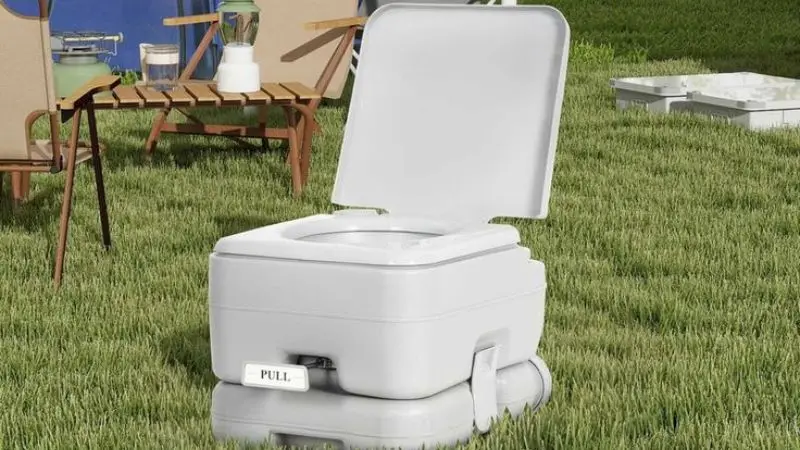
Comfort and Hygiene
You want to feel comfortable when you camp or hike. A portable toilet with a detachable bucket provides a private spot to use, even when you are far from regular bathrooms. You do not have to worry about finding a hidden place in the woods. You can sit down and relax, just as you would at home.
This helps you stay clean and fresh. You do not have to touch dirt or leaves. You can wash your hands immediately after using your portable toilet. The best portable toilet for long hikes also keeps your campsite tidy. You do not have to worry about animals or bugs getting into the waste. You can keep your area safe and pleasant for everyone.
Environmental Impact
When you use a portable toilet, you help protect nature. You do not leave waste on the ground. This keeps water and soil clean. You also help stop the spread of germs. Many parks and trails ask you to pack out all waste. A portable toilet makes this easy.
Here are some ways you can help the environment:
- You keep rivers and lakes free from pollution.
- You protect plants and animals from harmful bacteria.
- You leave no trace, so others can also enjoy the outdoors.
Portable Toilet
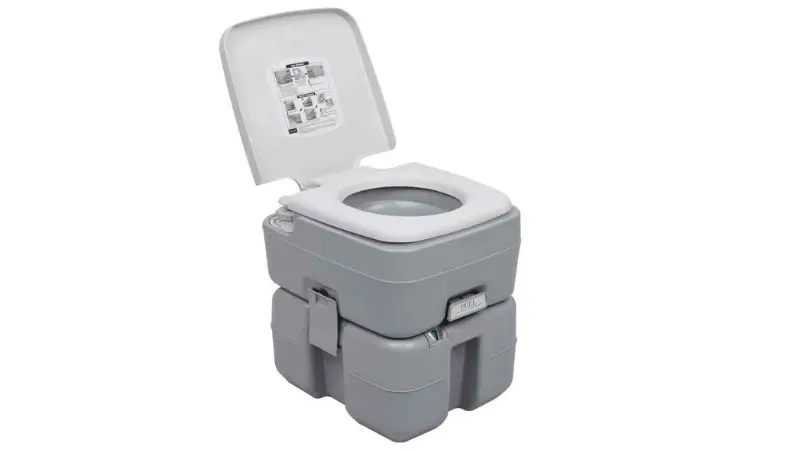
Chemical Toilets
Chemical toilets function similarly to the toilets found in RVs or boats. You fill the tank with special chemicals that break down waste and control smells. These toilets provide a real seat and a flush, so you feel comfortable even in the wilderness. You can use them for longer trips or with bigger groups.
Pros:
- Feels like a real toilet
- Great odor control
- Suitable for families or groups
Cons:
- Heavier to carry
- Needs chemicals and water
- Cleaning can take time
Bucket Toilets
Bucket toilets keep things simple. You get a sturdy bucket with a seat on top. You line the bucket with a bag, use it, then tie up the bag and pack it out. These toilets are ideal for short trips or when you want something simple.
Pros:
- Light and cheap
- Easy to set up
- No need for water or chemicals
Cons:
- Not as comfy as other options
- You need to pack out your waste
- It can get smelly if not sealed well
Composting Toilets
Composting toilets utilize natural materials, such as sawdust or coconut fiber. They break down waste into compost. You don’t need chemicals or a lot of water. These toilets help the environment and are suitable for extended stays.
Pros:
- Eco-friendly
- No chemicals needed
- Controls odor with natural materials
Cons:
- Bigger and heavier
- More expensive
- Needs regular mixing and care
Folding Toilets
A foldable travel toilet for hikers folds flat when not in use. You open them up, add a bag, and you are ready to go. These toilets save space and weigh very little.
Pros:
- Super portable
- Quick to set up
- Great for backpackers
Cons:
- Less sturdy
- Not as comfy for bigger people
- You must pack out your waste
Key Features to Compare
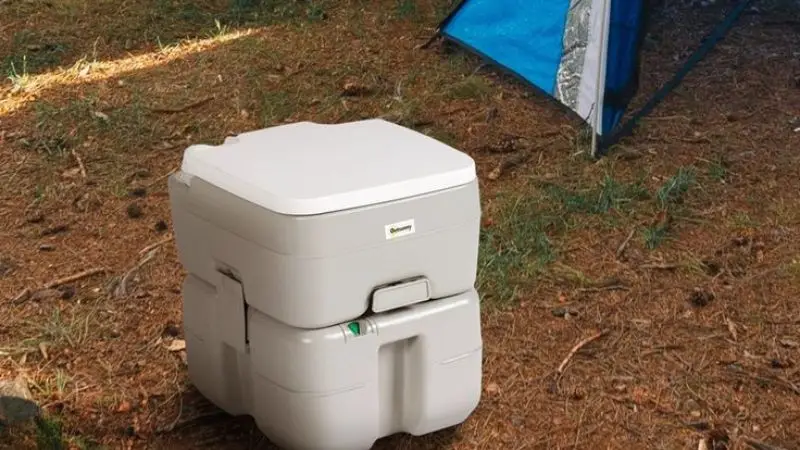
Size and Capacity
When selecting a portable toilet, size is a crucial factor. You want something that fits your tent or car. Some toilets are best suited for small spaces, such as folding or bucket toilets. If you camp alone or with a friend, a compact toilet saves space and weight. For families or groups, you need a bigger toilet with a larger waste tank. This means fewer trips to empty it.
| Group Size | Best for Small Spaces | Larger Capacity Needed |
| Solo/Pair | Folding, Bucket | No |
| Family/Group | No | Yes |
Odor Control
No one likes a smelly campsite. How to choose a portable toilet for camping? The best camping toilets utilize innovative designs to keep odors at bay. Chemical toilets often have the best odor control because they use special liquids. Composting toilets also excel with natural materials. If you want the best for small spaces, look for toilets with tight lids and strong seals. Some models even have vents or fans.
- Chemical toilets = best odor control for longer trips
- Composting toilets = best odor control with eco-friendly style
- Bucket and folding toilets = need good bags and sealing lids
Ease of Cleaning
You want a toilet that is easy to clean. Some toilets have smooth surfaces and simple parts. These are the best features for quick cleaning. Chemical toilets may require more maintenance, but many models have removable tanks. Bucket and folding toilets are usually easy to clean because you just toss the bag. Composting toilets need a bit more care, but they stay fresh if you follow the steps.
- Removable tanks = easy to clean
- Disposable bags = less mess
- Smooth plastic = wipes down fast
Durability
You want your portable toilet to last for many adventures. Look for strong materials, such as thick plastic or metal frames. The best camping toilets are designed to prevent cracking or tipping over. If you camp in rough places, you need a toilet that can handle bumps and drops. Folding toilets are ideal for small spaces, but be sure to check the weight limit.
Bucket toilets are tough and simple. Chemical and composting toilets often have sturdy builds and the best features for long-term use. Always check reviews for real-life stories about durability. A strong toilet means less worry on your trip.
Accessibility
Everyone should feel comfortable using a portable toilet. Some toilets have higher seats, which help people with knee or back problems. Wide seats and sturdy handles make it easier for kids and older campers to use. If you need the best for small spaces, check the seat height and width. Some models fold low to the ground, which may not work for everyone.
- High seat = easier for adults and seniors
- Handles = safer for getting up and down
- Wide seat = more comfort for all sizes
Choosing for Your Trip
Consider your group size and trip duration. For a weekend solo hike, a folding toilet works best for small spaces and quick setups. For a week with family, you want the best lightweight camping toilets for backpackers with large tanks and the best odor control. Always match the toilet to your adventure. The best features for you might be a comfy seat, a light frame, or a tank that lasts all weekend.
Choosing the Best Camping Toilets
Comparison Before Purchasing
To make the right choice, let’s break it down. Use a checklist to compare the best camping toilets side by side. Grab a notepad or print this table. Check off what matters most for your trip. Compare the comfort, odor control, and portability of available choices.
You can choose a chemical or composting toilet for a better experience. But the bucket and folding toilet are easy to clean and are also eco-friendly. Make an informed decision by comparing different features and selecting the best one for you.
Practical Tips
You want your portable toilet to work well every time. Here are some tips to help you while camping: set up, use, and keep your toilet in top shape.
- Pick the right spot: Place your toilet on flat ground. Look for a spot away from your tent.
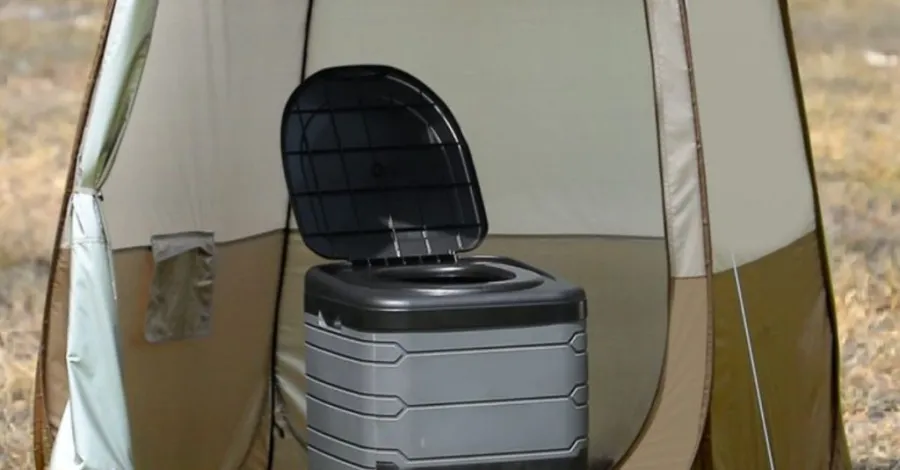
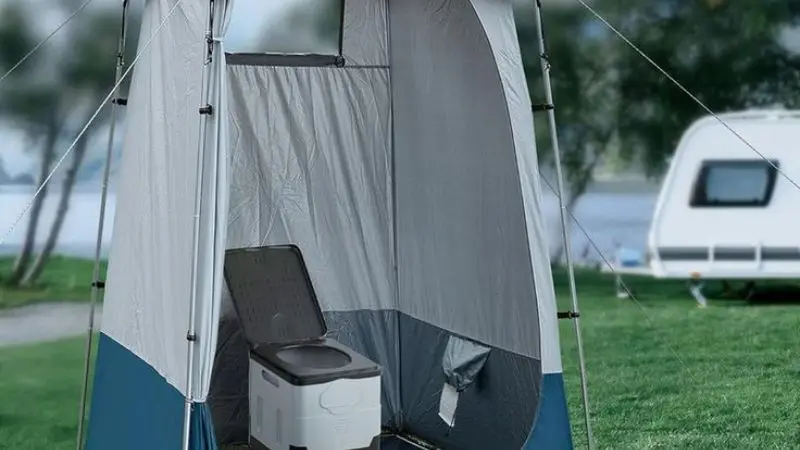
- Set up privacy: Use a pop-up tent or hang a tarp for privacy. You will feel more relaxed.
- Keep supplies: pack toilet paper, hand sanitizer, and extra bags for waste. Store them properly.
- Empty often: Don’t wait until the tank or bag is full. Empty your toilet before it gets too smelly.
- Clean after each use: Wipe down surfaces and wash your hands. This keeps germs away.
- Check before you leave: Ensure you have all the necessary parts and supplies before heading out.
Responsible Disposal
You want to protect nature and follow the rules. Always pack out your waste if the area requires it. Never bury bags or dump chemicals in the wild.
- Use only approved waste bags. Many parks ask for double-bagged waste.
- Dispose of chemical toilet waste at designated dump stations. Never pour it on the ground.
- Composting toilets need special care. Only empty compost in places that allow it.
- Carry extra bags in case you need them. You never want to run out.
If you want to go green, look for eco-friendly toilets and biodegradable bags. You help the planet and set a good example for other campers.
To Sum Up:
When selecting a portable travel toilet for camping and hiking, consider factors such as comfort, ease of waste handling, simplicity of cleaning, portability, and price. Think about how long your trip will be. Also, consider how many people will be attending and how you prefer to camp. Make a list of what you need or visit a store to inspect the toilets yourself. The right portable travel toilet for camping and hiking helps keep your trip clean and comfy. You will feel relaxed and enjoy being outside even more.
FAQ
What should you do if your portable toilet has a foul odor?
Try emptying the waste tank or bag right away. Clean the toilet with soap and water. Use odor-control chemicals or natural deodorizers. Always seal the lid tightly. If you still notice a smell, check for leaks or cracks.
Can you use regular trash bags in a portable toilet?
You can use regular trash bags, but special waste bags are more effective. They are stronger and help control odors. Some even break down faster in landfills. Always double-bag when using regular bags to prevent leaks.
How do you clean a portable toilet after your trip?
First, empty all waste at a designated waste disposal station. Rinse the toilet with clean water. Use mild soap or disinfectant wipes. Let it dry before storing. Always wear gloves when cleaning to protect your hands.
Is it safe for kids to use portable camping toilets?
Yes, most portable toilets are safe for kids. Choose one with a sturdy seat and handles. Show your child how to use it. Always supervise younger children. Keep the area clean to prevent slips or messes.
Where can you empty a chemical toilet?
You must empty chemical toilets at approved dump stations. Never pour waste on the ground or into water. Many campgrounds and RV parks offer designated areas for this purpose. Always follow local regulations to protect the environment.