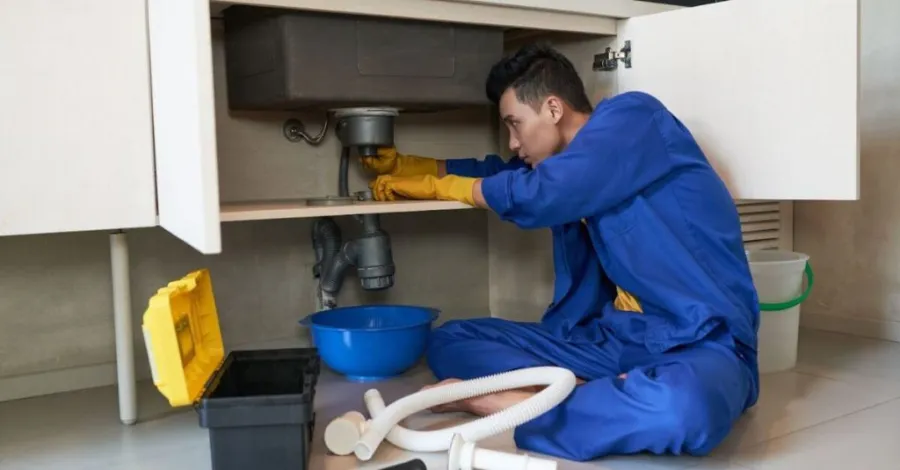
Kitchen sink clogs typically occur due to the accumulation of grease and soap. This happens so frequently that hiring a professional adds to the monthly expenditure. However, if you know how to unclog a kitchen sink drain without a plumber, it will be a great save.
Yes, you can clear the drain by yourself by using everyday household items like boiling water, baking soda, vinegar, soap, or a plunger. These natural methods show you how to safely unclog kitchen sink blockages without harsh chemicals or the need to call a plumber.
Why Sinks Clog
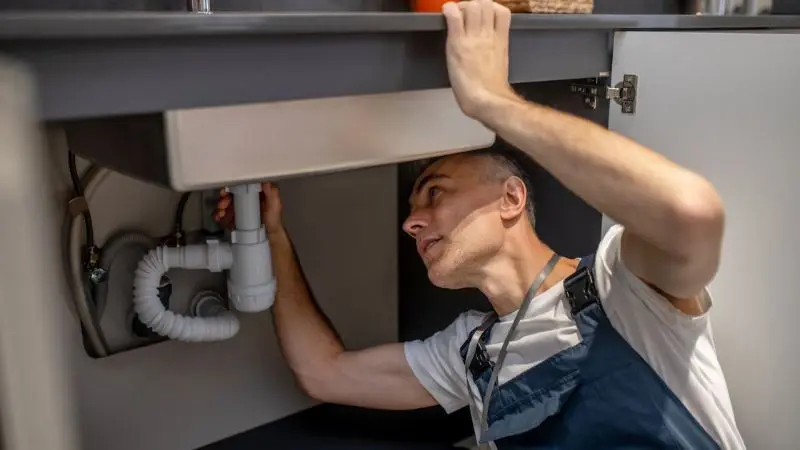
Have you ever wondered why your kitchen sink clogs so often? You are not alone. Many people deal with a clogged kitchen sink at some point. Let’s examine the primary reasons behind kitchen sink clogs so you can prevent them before they occur.
Food and Grease Buildup
Food scraps and grease are the primary culprits behind kitchen sink clogs. When you rinse plates or pans, small bits of food can slip down the drain. Grease from cooking may look harmless when it’s hot, but it cools and hardens inside your pipes.
Over time, these things stick together and block the water. But the question is how to unclog a greasy kitchen sink drain. You may notice water draining slowly or, in some cases, a completely clogged kitchen sink.
Soap and Foreign Objects
Soap can also cause clogs in kitchen sinks. Some soaps contain fats that mix with minerals in water. This forms a complex, sticky substance known as soap scum. Soap scum builds up and narrows your pipes. Sometimes, small objects like twist ties, fruit stickers, or even a spoon can fall into the drain.
These items get stuck and make a clogged kitchen sink even worse. You should always check the sink for any items that do not belong before turning on the water. If you know what causes kitchen sink clogs, you can take steps to prevent them.
How to Unclog a Kitchen Sink: Methods

If you want to know how to unclog kitchen sink drains without calling a plumber, you have come to the right place. You can try several easy DIY kitchen sink unclogging methods using things you already have at home. Let’s walk through each one step by step.
Unclog a Sink with Boiling Water
Boiling water is the simplest and most effective way to unclog a sink. This method is most effective for clogs caused by grease or soap. You do not need any special tools or chemicals.
Steps:
- Boil a large pot of water. Ensure the water is boiling.
- Carefully pour the boiling water directly into the drain. Pour slowly to avoid splashing.
- Wait a few minutes. If the water drains, you have fixed the clog.
- If the sink is still clogged, repeat the process one or two more times.
This method is natural and safe. It works well for minor clogs. If you see no change, try another method.
Unclog a Drain with Baking Soda and Vinegar
If you want to know how to unclog kitchen sink drains naturally, baking soda and vinegar are a classic choice. These are most effective for removing food, grease, and soap clogs. You can use this method every month to keep your pipes clean.
Steps:
- Pour about half a cup of baking soda down the drain.
- Follow with one cup of vinegar. You will hear fizzing and bubbling.
- Cover the drain with a plug or a wet cloth. This keeps the reaction inside the pipe.
- Wait 10-15 minutes. Let the mixture work on the clog.
- Pour a pot of hot water down the drain to flush everything out.
Unclog Your Drain with Baking Soda and Salt
You can also unclog a drain with baking soda and salt. This method is gentle and safe for all types of pipes.
Steps:
- Mix 1/2 cup of baking soda with 1/2 cup of table salt.
- Pour the mixture down the drain.
- Let it sit for at least 30 minutes. For tough clogs, leave them overnight.
- Pour boiling water down the drain to flush out the mixture and the clog.
Unclog with Soap and Hot Water
Sometimes, grease is the main reason your sink is blocked. Dish soap and hot water can help unclog the drain by breaking up the grease.
Steps:
- Squirt a generous amount of dish soap into the drain.
- Boil a kettle or a large pot of water.
- Slowly pour the hot water into the drain.
- Wait a few minutes and check if the water drains.
Unclog Using a Plunger
You can use a plunger to unclog a sink without a plumber when water will not drain at all. This tool creates suction and pressure to move the clog.
Steps:
- Fill the sink with enough water to cover the plunger’s rubber cup.
- Place the plunger over the drain and make sure it seals tightly.
- Push down and pull up quickly several times.
- Lift the plunger and see if the water drains.
- Repeat if needed.
A plunger works best for clogs caused by food or small objects. It’s a fast and effective way to unclog a drain without using chemicals.
Unclog with a Wire Hanger
If you think something solid is blocking your drain, a wire hanger can help clear it. You can use it to fish out hair, food, or other debris.
Steps:
- Straighten a wire hanger. Leave a small hook at one end.
- Carefully push the hooked end into the drain.
- Gently twist and pull to grab the clog.
- Remove the debris and discard it.
- Run hot water through the pipe to clear it.
This method is excellent for clogs near the top of the drain. Now you have learn how to unclog a kitchen sink with standing water.
Troubleshooting and Prevention
When to Call a Professional
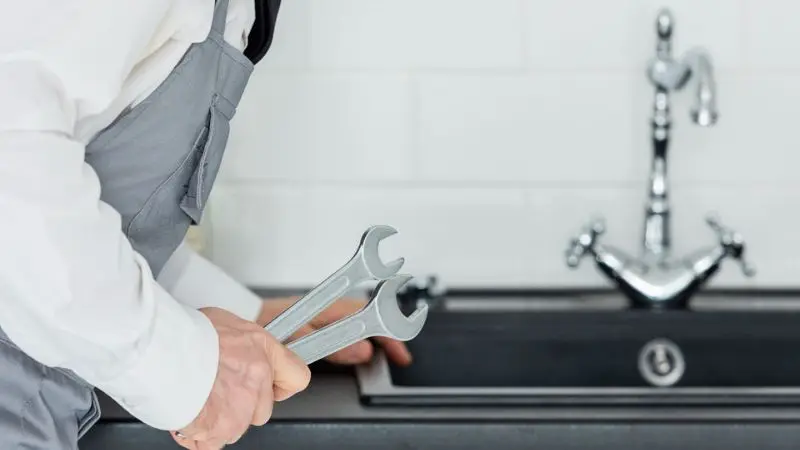
Sometimes, you try every trick, and the water still sits in your sink. If you have tried all the methods above and nothing works, you may face a more significant problem. You could have a clog deep in the pipes or even a broken pipe. If you notice water backing up in other drains, hear gurgling sounds, or smell foul odors, it is time to call a plumber.
Do not attempt to disassemble pipes under the sink if you are unsure of the procedure. You could make things worse or cause leaks. Plumbers have specialized tools and expertise to resolve tough clogs safely.
Prevent Future Clogs
You can stop most kitchen sink clogs before they start. For commercial setups, the sink should be according to the workload. Try these simple habits to keep your drain clear:
- Throw food scraps in the trash or compost, not the sink.
- Wipe grease from pans with a paper towel before washing.
- Use a drain strainer to catch bits of food and debris.
- Pour boiling water down the drain once a week to melt away grease.
- Once a month, use baking soda and vinegar to freshen your pipes.
Conclusion:
You can tackle most kitchen sink clogs with simple household items. Try these natural fixes first—they’re safe and easy. Maintain your drain regularly to prevent future issues. Remember, you’ve got this! A clear sink is just a few steps away. So, remove the blockage in the kitchen sink easily by yourself!
FAQ
Can I use these methods for a bathroom sink?
Yes, you can! Most of these methods are also suitable for bathroom sinks. Just make sure you remove any hair or debris first.
Is it safe to use baking soda and vinegar often?
You can use baking soda and vinegar once a month. This keeps your pipes fresh and helps prevent clogs. It’s safe for most drains.
What if my sink still smells bad after I unclog it?
Try pouring baking soda down the drain, then add hot water. This helps remove odors and leaves your sink smelling clean.