Using an electric saw doesn’t have to be intimidating. Whether you’re a beginner or just need a refresher, learning how to use an electric saw safely is all about smart habits and careful steps. With the right approach, you can handle tools like a circular saw with confidence.
Always inspect your saw before use, stay focused, and wear proper safety gear. Many DIYers ask how to use electric saws without fear—start slow, stay calm, and practice. Safety isn’t just a rule—it’s the key to better results and peace of mind on every project. In this article, we will teach you how to use an electric saw safely and effectively.
Right Safety Setup

Before learning how to use an electric saw, focus on safety. The proper setup helps you stay protected, avoid injury, and work with confidence. From your gear to your workspace, every choice matters. Follow these basics before powering up your tool.
- Wear the Right Protective Gear
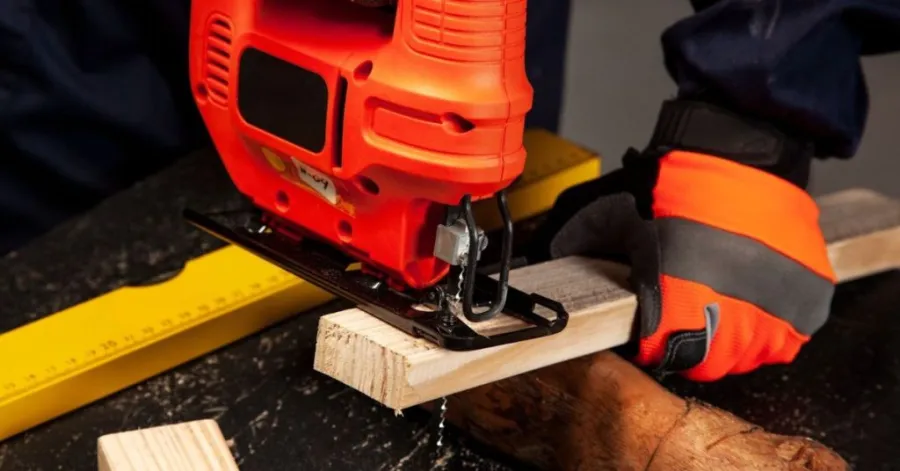
Before you begin, wear safety goggles to shield your eyes from dust and flying debris. Use a dust mask to avoid breathing in particles, and add earplugs or earmuffs to protect your hearing. A face shield helps if you expect heavy dust. Avoid gloves—they can get caught in the blade.
Instead, focus on wearing proper gear and learning how to use each piece. This is key when learning how to safely operate an electric saw at home. Damaged gear won’t protect you, so inspect everything before starting.
- Choose Safe Clothing
Always wear snug clothes that won’t catch on the blade. Loose sleeves or jewelry like bracelets and necklaces can be dangerous. Long hair should be tied back so it doesn’t fall near the saw. Safe clothing is just as important as any other part of the setup when learning how to use an electric saw.
The right outfit helps you move freely and keeps you protected during every cut. Being careful about how you dress shows you’re serious about safety, whether you’re a beginner or doing regular DIY tasks.
- Set Up Your Workspace Correctly
A stable and clutter-free work area is essential. Place your wood or material on a firm surface, then secure it with clamps. Double-check that the clamps are tight so nothing shifts during cutting. Clear the area so you can move the saw freely. Keeping your hands away from the blade path is critical. Planning your space well is part of a step-by-step guide to using an electric saw. A clean setup makes your work safer and smoother, especially if you’re learning how to use an electric saw for DIY projects at home.
Learn How to Use an Electric Saw the Right Way

Before making your first cut, it’s important to understand every step of the process. From checking your tool to applying the right cutting technique, each part plays a role in safety and performance. Here’s a clear step-by-step guide to using an electric saw for the best results.
Step 1: Always Inspect Your Tool First
Before using any electric saw, take time to check your tool. Look at the blade for signs of dullness or damage. A sharp, clean blade helps you make smoother cuts and lowers the risk of injury. Inspect the blade guard to be sure it moves freely and protects the blade.
If you’re using a portable circular saw, check the power cord for any wear. Make sure the right blade is installed for the material. Loose screws or parts can cause trouble, so tighten everything. This inspection is key when learning how to use electric saw tools safely and effectively.
Step 2: Adjust the Blade Guard and Cutting Depth
Your blade guard should never be taped open. It’s there to keep you safe, so always leave it in place. It should fully cover the blade when you’re not cutting. Next, set the cutting depth. The blade should go just slightly deeper than the material. This helps prevent kickback and gives you more control.
You can adjust the depth by moving the base and locking it in place. You only want one blade tooth showing beneath the cut. This adjustment is essential in learning how to use an electric saw for cutting wood safely and smoothly.
Step 3: Start and Stop the Saw Safely
Start by holding the saw with both hands—one on the handle and one on the front grip. Stand to the side of the blade path to stay out of the way if kickback happens. Never start the saw while the blade touches the material. Instead, let it reach full speed first.
Once cutting, move slowly and keep control. After you’re done, release the trigger and wait for the blade to stop before setting the tool down. These are critical tips for anyone learning how to safely operate an electric saw at home, especially beginners.
Step 4: Follow Smart Cutting Techniques
Good results come from steady, smart movements. Start by marking your cut line with chalk or pencil. Align the blade, but don’t touch the material until the saw is on and running at full speed. Use steady pressure—don’t force it.
Keep your stance firm, feet shoulder-width apart, and support your workpiece well. Kickback happens when the blade binds, so avoid twisting the saw or pinching the blade. Always keep the cord clear when using a portable electric saw. These tips help you succeed when learning how to use an electric saw for DIY projects or home tasks.

Prevent Hazards Before They Happen
Knowing how to use an electric saw means more than just cutting—it means preventing danger. Hazards like kickback, poor technique, and bad storage can lead to injuries. Follow these smart steps to stay safe while getting the job done.
- Reduce Kickback While Cutting
Kickback happens when the blade binds or jerks back during a cut. To avoid this, always use a sharp blade and set the cutting depth just slightly deeper than your material. Stand to the side of the blade path, not directly behind it.
Grip the saw with both hands and don’t rush the cut. Let the blade do the work—never force it. If you feel the saw binding, stop and reset your piece. These steps are part of learning how to use an electric saw for cutting wood safely, whether you’re a pro or a beginner.
- Avoid These Common Mistakes
Mistakes increase the risk of injury. One major mistake is opening the tape or removing the blade guard. This guard is essential—it keeps your hands safe and prevents kickback. Another mistake is skipping clamps. If the workpiece moves, your saw can bind and jerk.
Never cut with a damaged or dull blade. Also, don’t stand directly behind the saw; stand to the side for better safety. Avoiding these errors is part of a smart step-by-step guide to using an electric saw, especially for home use.
- Store Your Saw the Right Way
Safe storage matters just as much as safe cutting. Unplug the saw before moving or storing it. Clean off dust and wipe down the blade. Use a blade guard or case to protect the blade and prevent injuries. Coil the cord neatly so no one trips over it.
Store your saw in a dry, secure spot—away from children or pets. If you’re using a portable circular saw, make sure it’s placed somewhere stable. Good storage is essential if you want to know how to safely operate an electric saw at home and keep your gear in top shape.
Wrap Up
Learning how to use an electric saw is all about safety, preparation, and practice. Every measure counts, including the way you dress up and arrange your workplace. Do check your tool, take the right blade, and opt for the right cutting plans.
Some of the most popular mistakes to avoid are a dull blade and missing clamps. Whether you’re a beginner or doing regular DIY tasks, taking your time helps you stay safe and get better results. Since you understand how to operate an electric saw correctly, you can be more confident and do any project well, not only at home but also at work.
FAQ
1. What can I do in case the saw blade gets stuck?
Turn off the saw and unplug it. Take out the saw from the material. Test to find any damage, after which you can proceed. Do not force the blade when spinning.
2. Is an electric saw usable as an outdoor saw?
Yes, they can use an electric saw outdoors. The room should be dry and without risks. Plug in an outdoor-rated extension cord. The saw should never be near water.
3. Should I replace the saw blade often?
Change the blade when it gets dull, chipped, or bent. Cleaner cuts are made with a sharp blade and also cover you. Inspect the blade as per every project.
4. Can I saw metals using a circular saw?
Just apply a metal cutting blade. More eye protection should be worn. When you cut metal, it produces sparks and sharp pieces. The wood blade should never be used on metal.