Do you want to learn how to organize kitchen cabinets without stress? It’s easier than you think. Start by emptying all your cabinets and sorting through everything you have. Decide what you truly need and let go of the rest. Using helpful tools like a spice rack organizer can make a big difference.
When your kitchen cabinets are well organized, you’ll save time and make everyday cooking so much easier. Here is a simple, step-by-step plan that can transform your kitchen from cluttered and chaotic to clean and functional.
How to Organize Kitchen Cabinets
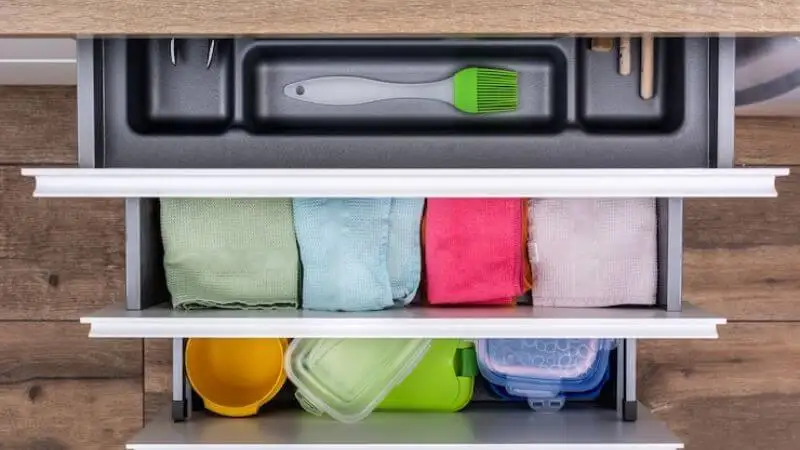
Empty Cabinets
Place all your kitchen items on the counter or table. This step helps you see what you have and makes it easier to clean the inside of your cabinets.
Wipe down the shelves and doors. Dust and crumbs can hide in corners, so be sure to check every spot. You might find old food or forgotten gadgets. Removing everything gives you a fresh start for your kitchen cabinet organization ideas.
Declutter and Sort
Now, look at everything you took out. Ask yourself, “Do I use this?” or “Is this still good?” You probably have items you never use or things that are broken. Set aside anything you do not need. Make three piles: keep, donate, and toss. This step is crucial for organizing kitchen cabinets effectively because it prevents clutter from returning.
- Keep: Only items you often use or love.
- Donate: Items in good condition but no longer needed.
- Toss: Broken, expired, or useless items.
Take Inventory
After sorting, count what you have left. Write down or make a quick list of your kitchen items. Group them by type, like plates, cups, pots, and food. This step helps you plan where everything will go. Knowing what you own makes it easier and the best way to organize kitchen cabinets. Here’s a simple way to take inventory:
| Category | Number of Items | Notes |
| Plates | 10 | 2 chipped |
| Cups | 8 | |
| Pots & Pans | 5 | Need a new skillet |
| Food Storage | 12 | Missing lids |
| Spices | 20 | Check expiration |
5-Zone Method
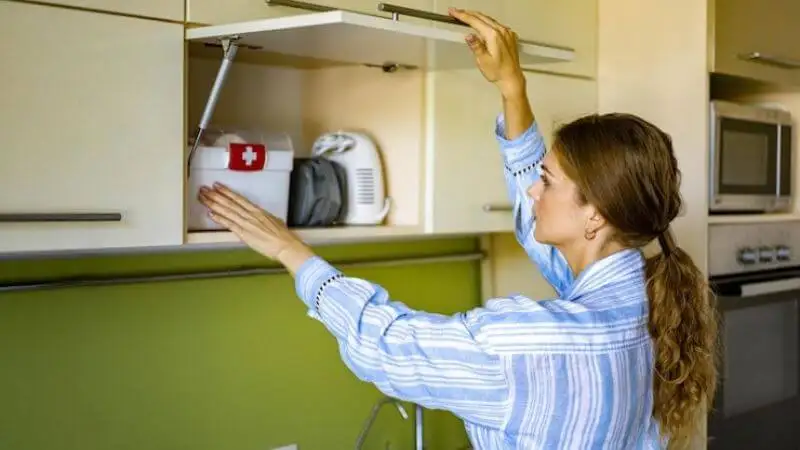
The 5-zone method gives you a smart way to set up your kitchen. You use five main kitchen zones: cooking, prep, baking, storage, and cleaning. This kitchen organization system helps you work more efficiently and keeps your space tidy. When you organize by zones, you make every step in the kitchen easier. Let’s break down how to map your kitchen zones and assign items to each one.
Map Kitchen Zones
Begin by examining your kitchen layout. Think about how you move when you cook. The 5-zone method is most effective when you match each zone to a specific task. Here are the five kitchen zones you need:
- Cooking Zone
This is where you use your stove, oven, and microwave. You want pots, pans, spatulas, and cooking oils close by. The cooking zone should sit near your main heat source.
- Prep Zone
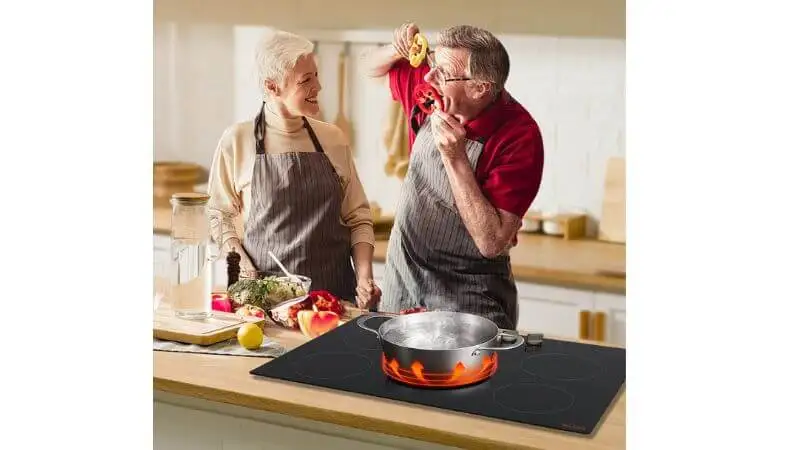
You chop, mix, and get food ready here. Place cutting boards, knives, mixing bowls, and measuring cups in this area. The prep zone often sits next to the sink or between the fridge and stove.
- Baking Zone
If you bake, set up a spot for mixing dough, rolling, and using baking pans. Store your mixer, rolling pin, baking sheets, and measuring spoons here.
- Storage Zone
This zone holds your pantry items, canned goods, and dry foods. You can also keep food storage containers here. The storage zone should be easy to reach but not take up prime space.
- Cleaning Zone
This is your sink and dishwasher area. Keep dish soap, sponges, trash bags, and cleaning sprays here. The cleaning zone helps you keep the kitchen tidy.
When you map your kitchen zones, you boost efficiency. You waste less time searching for things. You also make your kitchen design work for you, not against you.
Assign Items by Zone
Now, place your items in the right zones. The 5-zone method makes this step simple. You want to keep the most frequently used items in easily accessible spots. Put rarely used items higher up or in the back of cabinets. Here’s how you can assign items to each zone:
| Zone | Items to Store | Cabinet Tips |
| Cooking Zone | Pots, pans, spatulas, oils, spices | Use drawers or shelves near the stove |
| Prep Zone | Knives, cutting boards, bowls, measuring cups | Place in cabinets near the counter |
| Baking Zone | Mixer, baking pans, rolling pin, cookie cutters | Store in a lower cabinet or drawer |
| Storage Zone | Canned food, pasta, snacks, and food containers | Use deep shelves or pull-out racks |
| Cleaning Zone | Soap, sponges, trash bags, cleaning sprays | Keep it under the sink or a nearby cabinet |
Categorize and Group
Group Similar Items
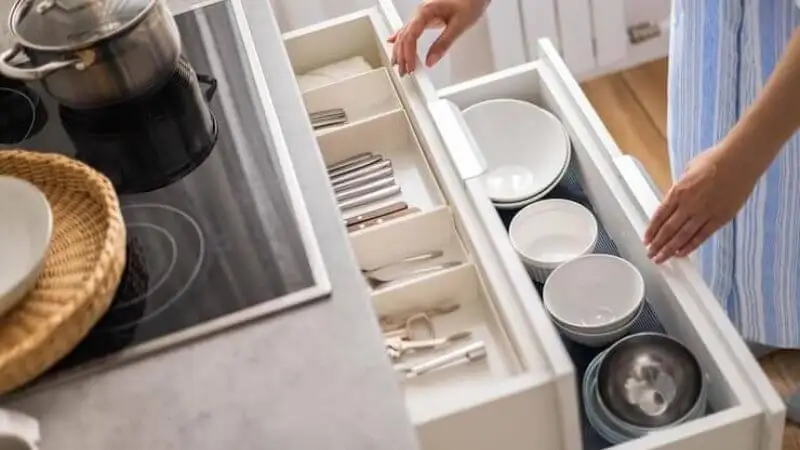
Now that you have sorted everything by zone, it’s time to group similar items. This step makes your kitchen organization much easier. When you open your cabinets, you should see clear groups. Place all your mixing bowls and measuring cups in the prep zone. This way, you always know where to look. Here are some ideas to help you group items:
- Put all the plates and bowls together.
- Store cups and glasses on the same shelf.
- Keep food storage containers in one cabinet.
- Place baking sheets and pans in the baking zone.
Subcategorize for Access
You can take your organization to the next level by subcategorizing. This means breaking big groups into smaller ones for easy access. In the prep zone, you might put knives in one basket and cutting boards in another. Subcategories make your cabinets work for you. Try these ideas for subcategorizing:
| Main Group | Subcategory Examples |
| Cooking Utensils | Spatulas, tongs, whisks |
| Prep Tools | Knives, peelers, graters |
| Baking Supplies | Measuring spoons, cookie cutters |
| Food Storage | Containers with lids, jars |
Maximize Space
Use Organizers and Risers
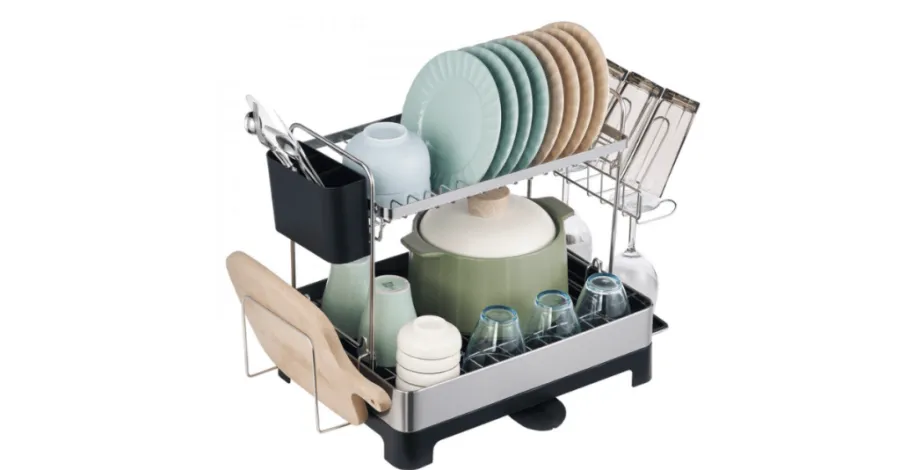
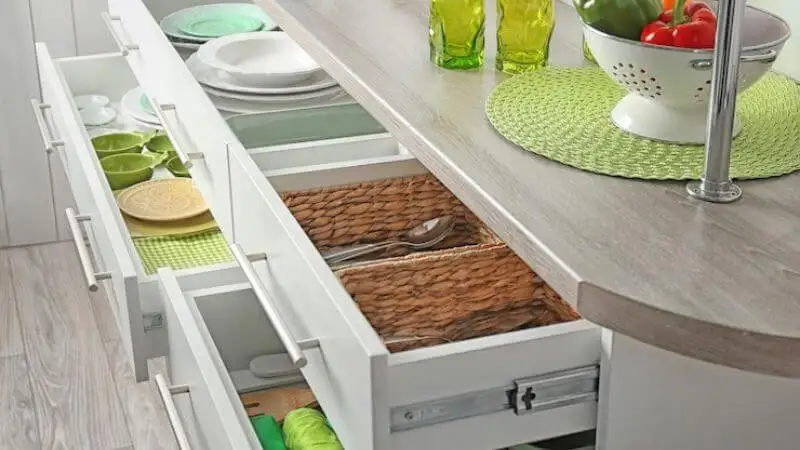
Now, the question is how to organize kitchen cabinets without shelves. You can make your cabinets work harder with the right tools. Try using pull-out racks, bins, and shelf risers to maximize storage space. These kitchen organization tips help you see everything at a glance. Pull-out racks allow you to reach items in the back without having to dig.
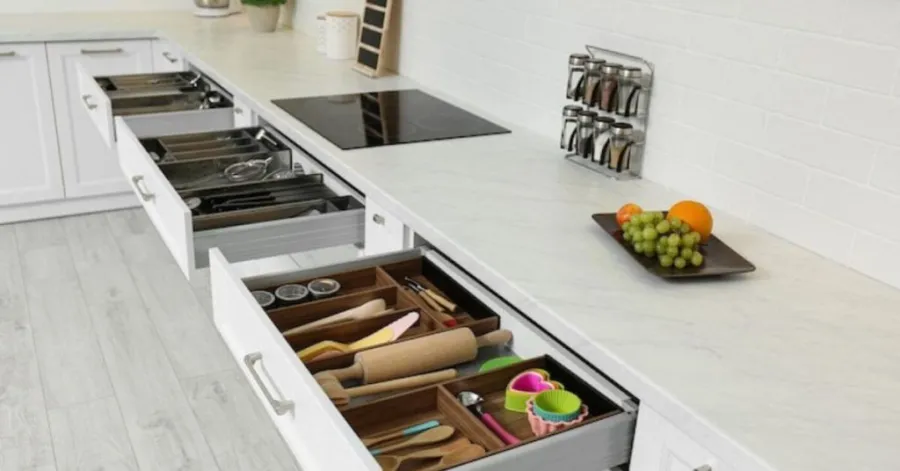
Bins keep small things together, so you never lose lids or packets. Shelf risers double your storage space by allowing you to stack plates or cups. How to organize kitchen cabinets and drawers is to use kitchen drawer organizers for utensils and gadgets. These ideas keep your kitchen neat and save you time every day.
Store Vertically
Consider how you utilize space from top to bottom. Store baking sheets, cutting boards, and trays upright, rather than flat. Vertical storage makes it easy to grab what you need. You can use file holders or special racks for this. This kitchen organizing tip helps you fit more into small spaces and keeps everything visible. Here are some ideas for vertical storage:
- Stand up pans and lids in a rack.
- Use hooks inside cabinet doors for measuring cups.
- Stack the cutting boards on their side.
Label Everything
Labels make your kitchen run smoother. When you label shelves, bins, and containers, everyone knows where to find things. This makes it easy to put things back in their rightful place. You can use a label maker, stickers, or even masking tape and a marker.
| Item Type | Label Example |
| Spices | “Cinnamon” |
| Food Storage | “Snacks” |
| Baking Tools | “Cookie Cutters” |
Try these ideas to solve tricky spaces as well. Use lazy Susans in deep corners, or stack bins in tall cabinets. With the right storage ideas, you can keep your kitchen organized and easy to use.
Maintain Organization
Regular Decluttering
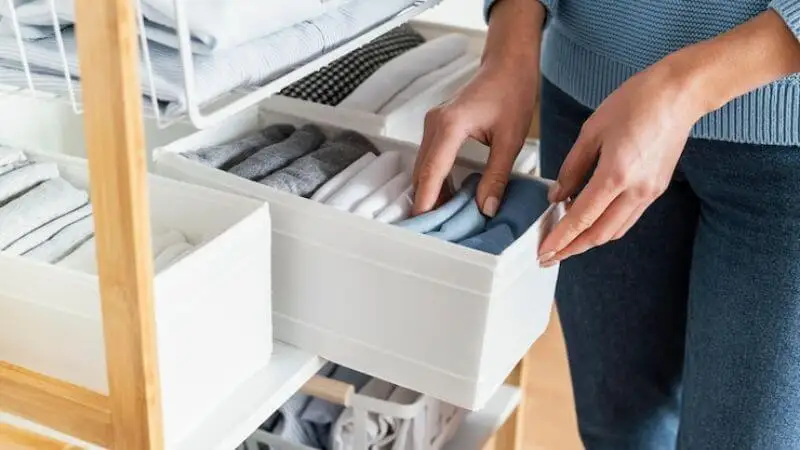
You worked hard to organize your kitchen. Now, you want to keep it that way. Regular decluttering helps you stay on track. Set a reminder to check your cabinets every month. Look for items you do not use or things that do not belong in their zones. Remove old food, broken tools, or extra gadgets. You can use a simple checklist to make this task easy:
- Check each zone for unused items.
- Toss expired food from your storage area.
- Remove extra cooking tools you never use.
- Wipe down shelves and drawers.
When you keep up with decluttering, your kitchen stays neat. You will always know where your cooking tools are. You will not waste time searching for things.
Adjust as Needed
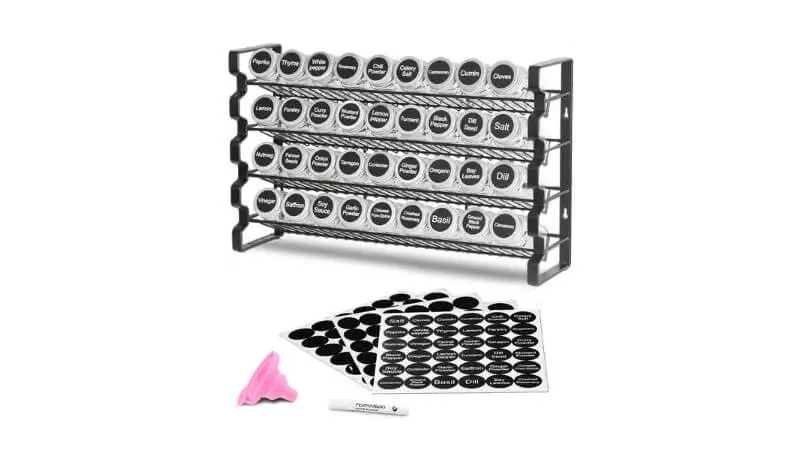
Your kitchen needs can change. Maybe you start baking more, or you get new cooking gadgets. Adjust your zones to fit your routine. Move items to new spots if you use them more often. If you notice clutter building up in one area, try a new storage solution. You might add a bin, a spice rack, or a shelf.
Here is a table to help you decide when to adjust:
| Situation | What to Do |
| New cooking tools | Make space in the cooking zone |
| More baking supplies | Expand the baking zone |
| Messy storage area | Add bins or risers |
| Family needs change | Shift zones for easy access |
Stay flexible. Your kitchen functions optimally when you update your zones and storage as your life evolves. You will enjoy cooking more when everything has a place.
To Summarize:
You now know how to organize your deep kitchen cabinets. Here is a summary:
- Get rid of things you do not need and sort what you have
- Try the 5-zone method to store things in a smart way
- Put similar items together and make groups
- Use organizers to use all your space
- Keep your kitchen neat by checking it often
When your kitchen is organized, you save time and feel more at ease. Regularly review your system and make adjustments as needed. Cooking and cleaning will feel much easier!
FAQ
1. How often should you reorganize your kitchen cabinets?
You should check your cabinets every few months. If you notice clutter or can’t find things, it’s time for a quick refresh. Regular checks keep your kitchen neat and easy to use.
2. What should you do with items you rarely use?
Store rarely used items on higher shelves or in the back of cabinets. This keeps your everyday tools easily accessible. You can also donate items you no longer use.
3. How do you keep food storage containers organized?
Try using a bin or basket for lids. Stack containers by size. Label each bin if you have many types. This way, you always find the right lid fast.
4. What’s the best way to organize spices?
Use a spice rack, drawer insert, or small bins. Group spices by use, like baking or cooking. Label each jar for quick grabs.
| Spice Type | Storage Idea |
| Baking | Small basket |
| Cooking | Drawer insert |
5. Can you organize a small kitchen with these tips?
Yes! These steps work for any kitchen size. Use vertical space, bins, and shelf risers. Keep only what you need. A small kitchen can feel big when you organize it well.