With just a few household tools, you can learn how to repair dents in a car and bring back that smooth finish. It’s a budget-friendly way to handle minor damage while building up your DIY skills. In this guide, we’ll walk you through everything you need to know about how to fix minor dents on a car on your own. Let’s explore the best methods for practical and straightforward DIY dent repair.
Assess the Dent
Types of Dents
Before you grab your tools, take a close look at the dent. Not all dents are the same. Understanding the type helps you decide the best method for how to repair dents in a car.
- Round Dents: These appear as small circles or ovals. Hail or a ball can cause them.
- Creased Dents: These have a line or fold. Something sharp or an edge made this mark.
- Dings: These are tiny dents, often from a car door or shopping cart.
- Large Dents: These cover a bigger area. Sometimes, they come from a bump or an accident.
Tip: If you see cracked paint or rust, you may need more than a simple fix. Identifying the type of damage is the first step in how to repair dents in a car.
When to Repair a Dent Yourself
You might wonder, “Can I repair a dent myself?” The answer depends on the dent. If the dent is small, round, or shallow, you can often follow steps on how to repair dents in a car at home. Dings and round dents are perfect for beginners.
Here’s when you should try to repair a dent yourself:
- The paint is not cracked or chipped.
- The dent is smaller than a tennis ball.
- The metal is not stretched or torn.
- You feel comfortable using basic tools.
If you see deep creases, sharp edges, or paint damage, it’s best to let a pro handle it. Sometimes, trying to learn how to repair dents in a car yourself can make things worse.
Tools Needed
Basic Tools
Most dents can be fixed easily using just a handful of simple tools. You might already have some of these at home. If you’re wondering how to repair dents in a car, here are the basics you should gather before you begin:
- Plunger: A clean cup plunger works well for minor, shallow dents.
- Hairdryer or Heat Gun: You can use heat to make the metal more flexible.
- Boiling Water: This helps with dents in plastic bumpers.
- Gloves: Protect your hands from sharp edges and hot surfaces.
- Soft Cloths or Towels: Use these to clean and dry the area before and after the repair.
Tip: Always clean the dented area first. Dirt or grit can scratch your car’s paint while you work.
Most of these tools are in your kitchen or bathroom. These tools help you get started on how to repair dents in a car.
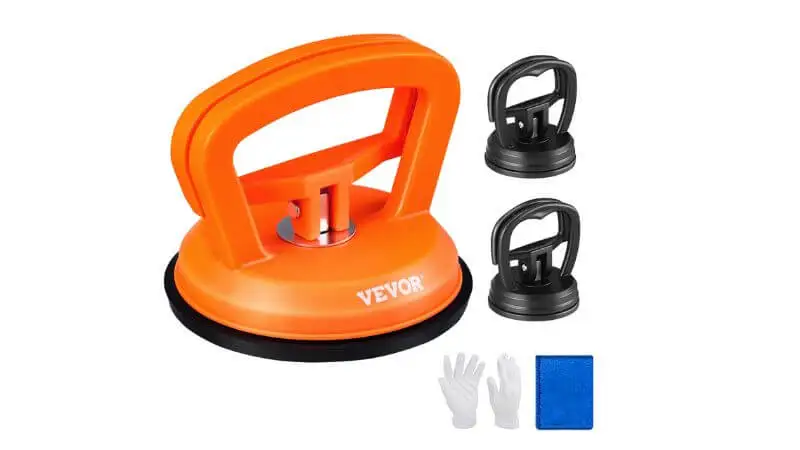
Optional Tools and Kits
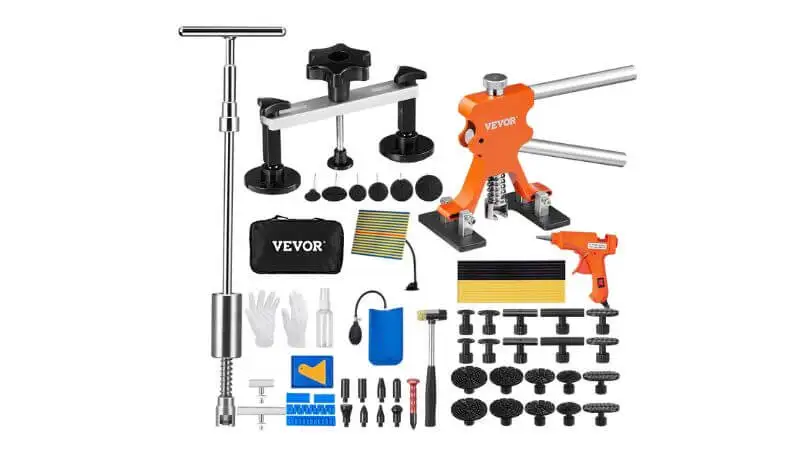
Some dents need a little extra help. You can buy special kits or tools for better results. These are not always necessary, but they can make the job easier and give you a smoother finish when learning how to repair dents in a car.
| Tool/Kit | What It Does | When to Use It |
| Dent Puller (Suction) | Pulls out larger dents | For bigger, shallow dents |
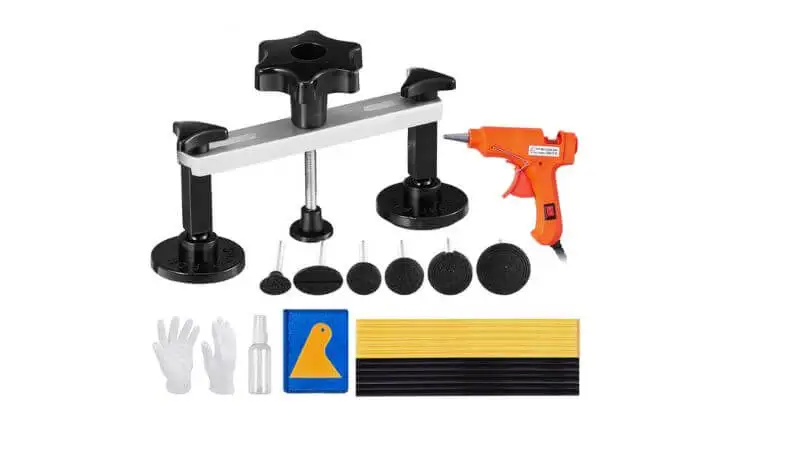
| Bridge Puller Kit | Uses glue and a bridge to pull dents | For stubborn dents |
| Paintless Dent Repair Kit | Includes rods and tools for PDR | For dents with no paint damage |
| Compressed Air Can | Pops out dents with temperature change | For minor, round dents |
| Dry Ice | Shrinks metal to pop out dents | For minor dents |
You can find these kits online or at your local auto parts store. They’re a smart buy if you plan to fix multiple dents. These kits often provide instructions on how to repair dents in a car. Always read the kit instructions. Wear gloves and eye protection, then start fixing the dent with confidence.
How to Repair Dents in a Car
Step 1. Fix Dents with a Plunger
You might feel surprised, but a plunger can help you with car dent removal at home. This method is most effective for minor, shallow dents on flat surfaces. You do not need any special skills. Here’s how to repair dents in a car using a plunger:
- Clean the dented area with soap and water. Dry it with a towel.
- Splash a little water on the plunger and the dent. It helps create a seal.
- Place the plunger over the dent. Ensure it covers the entire area.
- Push and pull the plunger gently. You should hear a pop when the dent comes out.
- Wipe the area and check your work.
Tip: Use a cup plunger. If the dent won’t pop out, don’t force it—try another method.
Step 2. Repair a Dent with a Hairdryer
Heat can make metal more flexible. You can use a hairdryer to repair a small dent, especially if the paint is not damaged. It is a simple method for learning how to repair small dents on a car. Here’s how you do it:
- Plug in your hairdryer and set it to its highest heat setting.
- Hold the hairdryer about six inches from the dent. Move it around to heat the area for two to three minutes.
- After heating, put on gloves and grab a can of compressed air. Turn the can upside down and spray the dent for about 30 seconds.
- The sudden temperature change can make the dent pop out.
Safety Note: Do not touch the hot metal with your bare hands. Always wear gloves.
If the dent does not move, repeat the process. Sometimes, you need to try a few times to fix a dent this way. This method is commonly used to repair dents in a car, specifically focusing on how to repair dents in a car effectively.

Step 3. Fix a Dent with Boiling Water
Plastic bumpers often get dents. Boiling water can help you fix dents in these spots. This method works best for newer cars with plastic parts and is a common trick for how to repair dents in a car.
- Boil a pot of water. Be careful not to spill it.
- Pour the hot water over the dented area.
- Reach behind the bumper and push the dent out from the inside. Use gloves to protect your hands.
- Pour cold water over the area to set the shape.
Tip: If you cannot reach behind the bumper, try using a plunger after pouring the hot water. This method fits how to repair dents in a car, but only works on plastic.
Step 4. Dry Ice and Compressed Air
You can use dry ice or compressed air to repair a dent. This method uses temperature changes to pop the dent out. It works best for minor, shallow dents and stands as a guide on how to repair dents in a car.
- Put on gloves to protect your skin.
- Rub a piece of dry ice over the dent for a few seconds. Move it around the area.
- If you use compressed air, spray the dent after heating it with a hairdryer.
- The sudden change from hot to cold can cause the dent to pop out.
Warning: Never touch dry ice with bare hands. It can burn your skin. Repeating the process is common when using temperature-based methods in how to repair dents in a car.
Step 5. Paintless Dent Repair (PDR)
Paintless dent repair is a popular method for fixing dents without damaging the paint. You can buy a paintless dent repair kit online or at an auto parts store. This method works best for dents with no paint damage and is used to repair dents in a car or remove dents from a vehicle at home.
- Clean the dented area.
- Follow the instructions in your PDR kit. Most kits have special rods or glue pullers.
- Use the tools to push or pull the dent from behind the panel gently.
- Work slowly and check your progress often.
Note: If you’re unsure about how to repair dents in a car, seek professional help. Paintless dent removal needs patience.
Troubleshooting: If the dent does not move or the paint starts to crack, stop and call a pro. You do not want to make the damage worse.
Now you know how to repair dents in a car using different methods. Try the one that fits your dent best. Fixing dents at home can save money. For severe damage, a professional can help.
Advanced Repairs
Body Filler and Sanding
Sometimes, dents leave behind deep marks or uneven spots. You can fix these with body filler and sanding. This method works best when you want a smooth finish before painting. Here’s how to repair dents in a car using this approach:
- Clean the area. Remove any dirt or grease.
- Sand the dented spot with medium-grit sandpaper. It helps the filler stick.
- Mix the body filler. Follow the instructions on the package.
- Use a plastic spreader to apply the filler. Spread it over the dent and a little beyond.
- Let the filler dry. It usually takes about 20 minutes.
- Sand the area again. Start with coarse sandpaper, then switch to fine grit for a smooth surface.
Tip: Wear a mask when sanding. Dust can be harmful if inhaled.
You may need to repeat the process if the surface is uneven. Body panel repair often uses these steps in how to repair dents in a car to get a perfect finish.
Touch-Up Paint
After you smooth out the dent, you may see bare metal or primer. Touch-up paint helps protect your car and restore its appearance to new. You can buy paint that matches your car’s color at an auto parts store. It is an essential final step in how to repair dents in a car.
- Shake the paint bottle well.
- Use a small brush or pen to dab the paint onto the repaired area gently.
- Let the paint dry. It can take a few hours.
- Add a second coat if needed.
- Finish with a clear coat for extra shine and protection.
For the best match, look at the paint code on the driver’s door. Touch-up paint prevents rust and covers minor imperfections. Apply in thin layers to learn how to repair dents in a car.
When to Seek Professional Help
Signs You Need a Pro
Sometimes, you just can’t fix a dent at home. Some dents need special tools or skills. If you see any of these signs, it’s best to seek expert help for how to repair dents in a car:
- The dent is deep or has sharp creases.
- The paint is broken, chipped, or peeling.
- You see rust or bare metal.
- The dent exceeds the size of a softball.
- The dent is near a door edge, wheel well, or body line.
- You tried to fix it, but it looks worse.
Note: If you feel unsure about how to repair dents in a car, it’s safer to consult a pro.
Cost and Insurance
How much will a professional repair cost? The cost to fix dents in a car panel depends on the size and location of the dent. Here’s a quick look:
| Type of Dent | Estimated Cost (USD) |
| Small, paintless | $50 – $150 |
| Medium, paintless | $150 – $300 |
| Large or paint damage | $300 – $700+ |
If you have car insurance, check your policy. Some plans cover dent repairs. You may need to pay a deductible. Always ask your insurance company before you start the process of how to repair dents in a car.
Tip: Compare repair costs from different shops and ask for a written estimate. It will help you choose the best option for your budget.
Conclusion
You can fix many car dents at home with simple tools and a little patience. Try the easy methods first and always prioritize safety. If a dent appears difficult or you’re unsure, consider calling a professional. Understanding how to repair dents in a car body can save time and effort.
- Gather your tools.
- Select the most suitable method for your dent.
- Ask for help if you need it.
- Taking care of your car feels great. You’ve got this!
FAQ
1. Can I fix a dent if the paint is cracked?
If you notice cracked paint, do not attempt to repair the dent at home. Cracked paint can lead to rust. A professional knows how to repair dents in a car properly when paint damage is involved.
2. How long does it take to fix a small dent?
Most small dents can be fixed in about 30 minutes to an hour. If you use a plunger or hairdryer, you might finish even faster. Knowing how to repair dents in a car panel can make the job easier.
3. Will fixing a dent myself lower my car’s value?
If you do a good job, your car’s value should stay the same. A poor repair or chipped paint can lower the value. When learning how to repair dents in a car’s surface, always use the correct tools and follow the proper steps.
4. Do I need special skills to use a dent repair kit?
You do not need special skills. Most kits come with instructions. If you’re unsure how to repair dents in a car panel, watch a video or read the guide before you start. Take your time and work slowly for the best results.