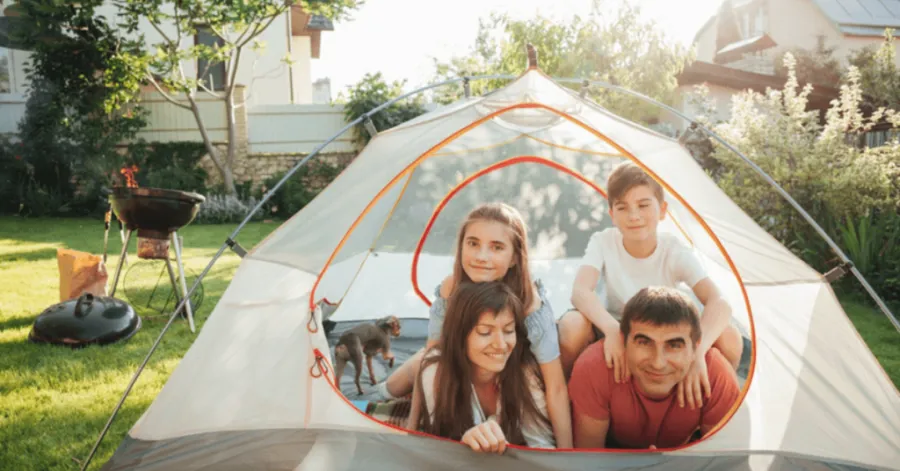
Planning a family camping trip? Picking the right tent is key to a great experience. Extra-large family camping tents offer plenty of space for everyone to sleep, move, and store gear comfortably. These tents protect you from bad weather and provide a cozy place to relax after a day outdoors.
As more families enjoy camping for fun and bonding, spacious tents are becoming a top choice. This blog will guide you through everything you need to know, from tent sizes to features, helping you pick the best extra-large family camping tent for your next adventure.
What Defines Large Family Camping Tents
When planning a camping trip for your family or group, choosing the right tent size is key. To better understand what makes these tents stand out, let’s look at some of their defining features:
- Spacious for Groups: Extra-large family camping tents provide ample space for families or groups to enjoy the outdoors without feeling cramped. Everyone gets enough room to sleep comfortably and store their gear.
- Versatile Use: These tents are ideal for weekend trips, extended camping adventures, or family gatherings at campsites. They offer a cozy area with room for air beds, toys, and even small tables.
- Kid-Friendly Design: Camping with children is easier with tents that offer separate rooms or compartments. This helps keep belongings organized and gives kids privacy while allowing adults to move freely.
- Weather Resistant: Built with strong poles and durable, water-resistant fabric, these tents protect you from rain and harsh weather conditions. Whether you’re camping by the beach or in the mountains, they hold up well.
- Comfort Over Capacity: Although often rated for 12 people, using the tent with fewer occupants, such as 8-10 people, ensures more comfort and space for everyone to move around.
Extra-large family camping tents offer more than just shelter—they provide the comfort and space needed to make your outdoor experience enjoyable.
Key Features to Look for in Large Camping Tents
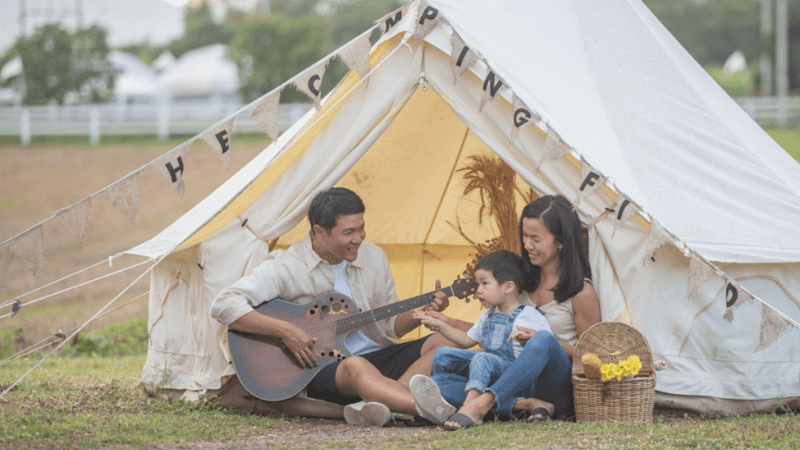
Choosing the right large camping tent means balancing comfort, durability, and convenience. From size and style to weather resistance and setup ease, each factor plays a role in how well the tent performs on your trip. Let’s explore the key features that help you decide on the best extra-large family camping tent.
Size and Capacity
Size is one of the most important factors when selecting a family camping tent. It’s better to choose a tent slightly larger than the number of campers to allow extra space for gear and movement. For instance, a tent rated for 12 people works best when used by 8 to 10 occupants, providing room for air mattresses, backpacks, and a play area for kids. High ceilings are also valuable as they let adults stand and move comfortably, making the tent feel less cramped and more welcoming.
Tent Style: Cabin vs. Dome
The shape of your tent affects space and stability. Cabin tents have vertical walls and high ceilings, offering a home-like feel and multiple rooms for privacy or organization. They are great for families who want extra comfort.
Dome tents feature a curved design that provides better wind resistance and are usually lighter and easier to set up. Dome tents are ideal for windy areas or shorter trips. Choosing between them depends on whether you prioritize roomy comfort or easy, sturdy shelter.
Seasonality and Weather Resistance
Not all camping tents are built to withstand every season’s weather. Most large tents are 3-season, designed for spring through fall, offering good ventilation and protection from light rain and wind. If you plan winter or high-altitude camping, a 4-season tent is necessary.
These are made with stronger materials and sturdier poles to handle snow and harsh winds, but can be less breathable in warm weather. Look for durable rainflies, waterproof floors, and reinforced seams to keep you dry and safe when conditions worsen.
Ease of Setup and Intuitive Design
Setting up a large camping tent can be tricky, but modern designs make it much easier. Features like color-coded poles and pre-attached parts simplify the process, reducing setup time and frustration. Many tents now use hooks instead of threading poles through sleeves, speeding assembly and helping avoid mistakes. Quick setup is especially useful in bad weather or after a long day outdoors. A tent that’s easy to put up means more time relaxing and enjoying your camping trip.
Quality and Durability of Materials
A durable camping tent is a smart investment for lasting outdoor adventures. Stronger fabrics with higher denier ratings resist tears and abrasions better. For example, thicker fabrics (above 150D) are suited for heavy-duty use and extreme conditions, while lighter fabrics are more common in backpacking tents. Waterproofing is equally important—look for tents with higher hydrostatic head ratings to handle heavier rain. Choosing high-quality materials ensures your tent can endure different weather and last many camping seasons.
Ventilation and Airflow
Good ventilation is essential for comfort, especially on warm days. Tents with large mesh panels and multiple vents allow fresh air in while keeping bugs out. These features prevent stuffiness and help regulate temperature inside the tent.
Cabin tents usually offer more airflow because of their tall walls, but dome tents with mesh and vents can also provide good ventilation. Proper airflow keeps the tent cool during the day and comfortable at night, making your camping experience much more enjoyable.
Additional Features for Family Camping Tent Convenience
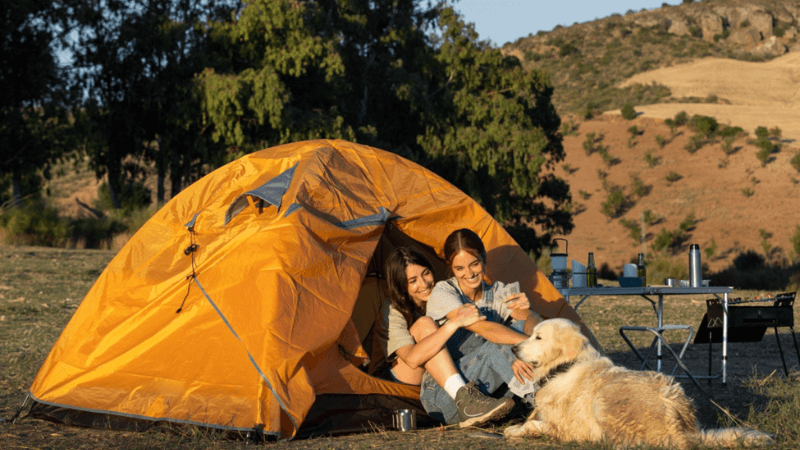
Beyond size and durability, extra-large family camping tents offer several features that enhance comfort and organization. These extras help keep everyone happy and make your trip run more smoothly. From creating private spaces to smart storage options, the right tent can feel like a second home. Let’s explore how these additional features add convenience and ease to your family camping adventures.
Multiple Rooms and Privacy
Privacy is important when camping with family or friends. Large tents with multiple rooms provide separate spaces where people can sleep, relax, or store belongings. These rooms usually have removable dividers, allowing you to customize the layout as needed, either for privacy or a big open area.
Wide doors make entering and exiting easy, and built-in storage pockets keep personal items tidy. Multi-room tents give everyone space to enjoy nature while having their own quiet corners, which is especially valuable for longer trips or mixed groups.
Storage Solutions
Keeping gear organized inside a large camping tent prevents clutter and frustration. Many family tents include features like wall pockets for small items, gear lofts for overhead storage, and vestibules for extra covered space outside the main tent. Vestibules are especially useful for protecting shoes and backpacks from rain while saving indoor space.
These storage options help campers keep essentials within reach and off the floor, making the tent feel more comfortable and functional. With smart storage, you spend less time hunting for things and more time enjoying your trip.
Accessories for Comfort
Good tents come with accessories that improve usability and protection. A rainfly that extends close to the ground keeps rain out and enhances waterproofing. A groundsheet protects the tent floor from wear and adds insulation from the cold earth.
While some tents include these extras, others might require separate purchases. Beyond basics, modern tents can feature built-in LED lights, solar panels, or phone charging ports. Modular designs also allow you to adapt the tent layout to your needs, making your camping space flexible and cozy.
Portability and Packed Size
Portability is key when planning a family camping trip. A tent that’s too bulky or heavy can complicate packing and travel. Consider the packed size and weight—some large tents compress nicely, while others are bulky and heavy.
Look for tents that come with carrying bags featuring handles or wheels to ease transportation. If hiking to your campsite, lighter tents are preferable. For car camping, weight is less critical. Choosing a tent that fits your travel style means less hassle setting up and packing, leaving more time to enjoy the outdoors.
Practical Tips for Picking the Right Tent
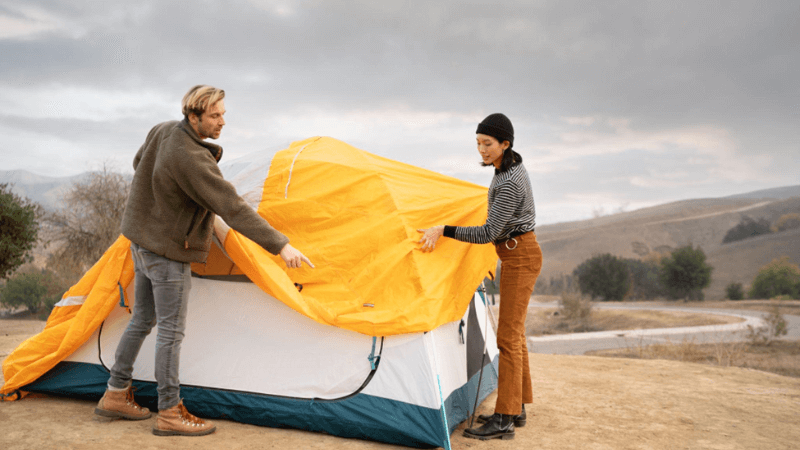
Choosing the perfect family tent goes beyond just size and features. It involves thinking about how you’ll use the tent now and in the future, comparing brands, and balancing your budget. Making informed decisions ensures your camping trips are comfortable and hassle-free. Let’s step into the key points to consider when picking a large family camping tent.
Choosing the Right Size
Finding the right tent size is crucial for a comfortable camping experience. You want enough room to fit everyone and their gear, but not so much that the space feels empty or hard to heat. A good rule is to choose a tent one size larger than the number of people camping.
For example, a family of four might do better with a six-person tent, leaving extra space for air mattresses or toys. This helps avoid cramped conditions and makes the tent a relaxing space for everyone.
Planning for the Future
Think ahead when buying your family tent. Will your family grow, or will you camp more often? Picking a tent that adapts to your changing needs saves money and effort later. Outdoor vacations have become increasingly popular, with many families looking for lightweight, easy-to-set-up tents.
Social media has sparked new interest in camping, encouraging families to explore nature more often. Keeping these trends in mind helps you select a tent that will stay useful for years to come.
Comparing Brands and Reviews
Not all tents are created equal, so research is essential. Trusted brands like VEVOR have earned their reputation by producing reliable and durable tents. Checking reviews offers insight into real-world performance—how well a tent handles weather, how easy it is to set up, and if any common issues arise. Watching video reviews can also give you a better feel for size and features. By comparing brands and reading both positive and critical feedback, you’ll make a confident, informed choice.
Budgeting and Prioritizing Features
Setting a realistic budget helps focus your search and prevents overspending. Family tents range from affordable models under $150 to premium tents costing over $500. Consider how often you camp and what features are essential for your trips. Size, weather resistance, and ease of setup are must-haves for most families.
Extras like multiple rooms or advanced ventilation add comfort but can raise the price. Remember, investing in a durable tent from a trusted brand often saves money in the long run by avoiding frequent replacements.
VEVOR Extra Large Family Camping Tent: Built for Real Family Adventures
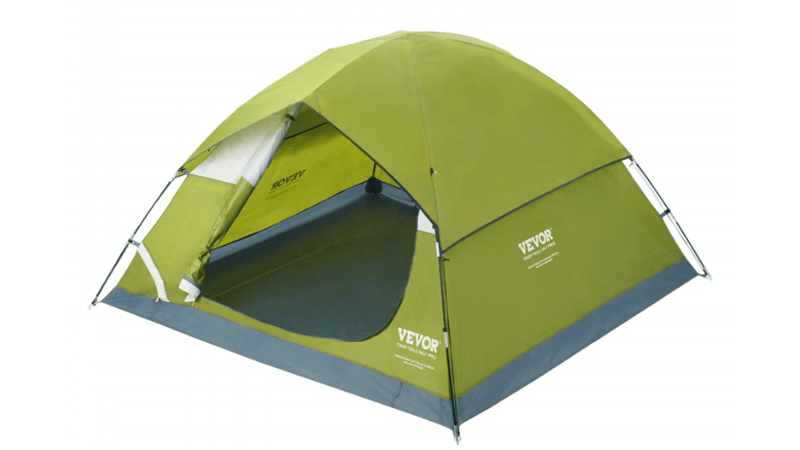
When comfort, durability, and smart design matter most, the VEVOR Extra Large Family Camping Tent delivers. It’s made for families who want more than just shelter — they want a reliable, spacious, and well-designed base for their outdoor memories.
- Fast and Stress-Free Setup: The quick-pitch system makes setup smooth and simple. Whether it’s your first time or your tenth, the tent goes up fast so you can focus on relaxing, not figuring out poles and instructions.
- Room for Everyone: With generous floor space and high ceilings, the tent gives your family the room to stretch out, move around, and store everything without feeling crowded. Its layout works well for both sleeping and socializing.
- Built to Handle the Outdoors: Made from durable rip-stop fabric and equipped with sealed seams, this tent handles wind and rain like a pro. It offers reliable protection for spring through fall, giving you peace of mind in changing weather.
- Smart Interior Design: Multiple compartments and smart storage features help keep things organized. Whether it’s gear, clothing, or kid essentials, everything has a place, keeping your space clean and usable.
Before you buy, think about your family’s specific needs — how much space you require, what weather you’ll face, and how often you camp. VEVOR’s tent covers all these bases with its smart design and durable build, making it a smart investment for memorable outdoor adventures.
Wrap Up
Choosing the right extra-large family camping tent makes all the difference for a fun and relaxing trip. With plenty of space, smart features, and strong weather protection, a quality tent keeps everyone comfortable. Think about your family’s needs, how often you camp, and what weather you’ll face.
Look for features like multiple rooms, easy setup, and strong, waterproof materials. A great tent, like the one from VEVOR, turns your campsite into a cozy, organized home away from home. Plan ahead, choose wisely, and you’ll enjoy stress-free adventures and lasting memories in the great outdoors with your loved ones.
FAQ
Which size tent is right for my family?
Choose a tent size that is extra large compared to the number of people going. When you’re camping as four, consider getting a six-person tent. This allows you to have more room for your things, air mattresses, or a small play zone for children.
How can I tell if a tent will really keep me dry in the rain?
Find out what the Hydrostatic Head (HH) rating of the tent is. If you only need to deal with light rain, 1500mm is the lowest you should get, but anything above 3000mm should be able to resist heavy rain. Sealed seams and a rainfly that covers the tent are useful features for additional protection.
Is it better to buy a cabin tent over a dome tent if you have children?
Cabin tents have lots of headroom and feel much roomier, which families can enjoy. Dome tents are stronger in high winds and simpler to put up. Pick the type of home that best matches your main goal—a safe place to live or a home that is easy to live in.
Can I simplify how I set up the tent?
Look at tents with colored poles, pre-connected parts, or tabs that clip together. They make things simpler and let you save time. Arrange your tent in your yard before you travel to avoid problems when it is time to pitch it at camp.
What’s the proper method to save a tent once your camping trip is done?
Before storing your tent, make sure it is completely dry to stop mold. After folding it well, put it in a cool, dry spot to store it. Keep the bag or the original storage bin to ensure the still life does not get damaged.