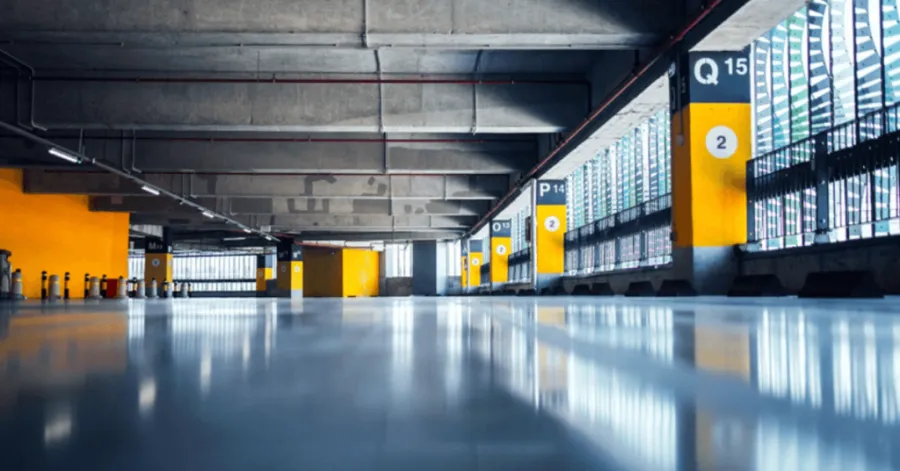
When it comes to garage flooring, epoxy and floor tiles are the two most popular choices. Epoxy flooring is known for its long-lasting strength and glossy finish, often lasting up to 20 years with proper care. On the other hand, garage floor tiles offer easy installation and custom design options. While tiles may need more frequent cleaning, they provide flexibility in style.
Understanding the cost, durability, and maintenance needs of each option helps in making the right choice. In this blog, we’ll break down the key facts to help you confidently choose the perfect garage flooring that fits your style, needs, and budget.
Epoxy Garage Floors
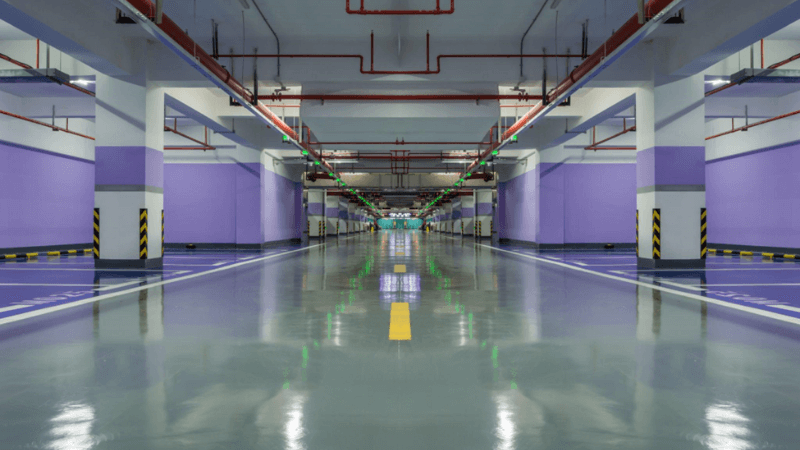
Epoxy flooring is one of the most popular choices for garages. It gives a clean, glossy finish and makes your space look neat and strong. Whether you use your garage for parking, working, or storage, epoxy can handle the pressure. Below, let’s explore both the good and the not-so-good sides of epoxy coatings to help you understand what to expect.
Pros of Epoxy Coatings
Epoxy floors offer many advantages that make them a popular choice for garages. Below are some key benefits that show why epoxy is both practical and attractive for your space.
- Strong and Durable: Epoxy creates a tough, hard surface that resists wear and tear. It protects your concrete floor from damage caused by daily use.
- Handles Heavy Use: This flooring can withstand heavy foot traffic, tools, and equipment without showing signs of damage. It’s perfect for garages that see a lot of activity.
- Stain Resistant: Epoxy is resistant to stains from oil, grease, and many chemicals. This means spills won’t ruin the floor or leave permanent marks.
- Easy to Clean: Keeping epoxy floors clean is simple and hassle-free. Just sweep or mop regularly to maintain its shiny, polished look.
- Long Lasting: When installed and cared for properly, epoxy floors can last between 5 to 10 years or even longer. This makes it a smart investment for your garage.
- Affordable: Compared to other flooring options, epoxy offers great value for its price. You get a polished, professional look without breaking the bank.
Let’s now take a look at some of the challenges that come with epoxy flooring
Cons of Epoxy Coatings
While epoxy floors have many benefits, it’s important to know their downsides too. Here are some common challenges you might face with epoxy flooring.
- Long Installation Time: Epoxy flooring requires careful preparation before application. Once applied, it needs several days to dry completely, so the process can take time.
- Strong Fumes: The chemicals in epoxy release strong fumes during installation. Proper ventilation and safety gear are essential to protect your health.
- Possible Damage Over Time: Epoxy can chip or crack, especially if the floor wasn’t prepared well. Fixing these issues often needs a professional, which can increase costs.
Garage Floor Tiles

Garage floor tiles are another popular choice, especially for people who want a fast and stylish upgrade. They offer a different kind of appeal compared to epoxy floors. From quick installation to endless design options, tiles provide flexibility and charm. Let’s take a closer look at the advantages and challenges of using garage floor tiles so you can decide if they’re the right fit for your space.
Pros of Garage Floor Tiles
Garage floor tiles are popular because of their stylish designs and easy installation. Below are some key benefits that make tiles a smart choice for many garage owners.
- Customizable Designs: You can mix colors, patterns, and even add logos to create a unique look. This lets you personalize your garage floor exactly how you want.
- Quick Installation: Tiles snap together easily, so many people finish the job in just a few hours. No special tools or professional help are needed.
- Durable and Strong: Tiles can handle heavy tools, foot traffic, and daily use without damage. They provide a smooth, polished finish on concrete or other hard surfaces.
- Creative and Flexible: Tiles allow you to change your floor’s style anytime by swapping out pieces. This makes them great for anyone who loves quick, fun updates.
- Cons of Garage Floor Tiles
Even though garage tiles have many advantages, there are a few downsides to consider. Understanding these will help you decide if tiles are right for your space.
- Surface Preparation Needed: The floor must be clean and completely dry before installation. Without this, tiles may not stick well and could shift over time.
- Cracks and Shifts: If the floor underneath moves or settles, cracks may form. Using crack barriers helps, but adds complexity to the installation.
- More Cleaning Required: Dirt and dust can collect in the seams between tiles. You’ll need to clean regularly to keep the floor looking fresh.
Despite these concerns, garage floor tiles remain a popular and practical choice for many homeowners who want style and easy upkeep.
Garage Floor Tiles vs Epoxy: Side-by-Side Comparison
Choosing between garage floor tiles vs epoxy depends on your needs, budget, and how you use the space. Both options have strong points, but they also differ in durability, cost, maintenance, appearance, and ease of installation. Here’s a side-by-side comparison to help you decide which flooring option suits your garage best.
Durability
Epoxy flooring is very tough and built to last. It handles heavy tools, car weight, chemical spills, and constant foot traffic without wearing down. When installed correctly, it can stay in great shape for many years. It’s a strong pick for garages with high use or heavy-duty work.
Garage tiles are also strong but not as impact-resistant as epoxy. If you drop something heavy, a tile might crack. Seams between tiles can also trap dirt and look worn over time. While tiles do well in most garages, epoxy is the better choice if long-term durability matters most.
Cost
Epoxy flooring usually costs between $3 to $12 per square foot, depending on the product and whether you hire a professional. It may seem expensive at first, but it lasts a long time and needs less repair, which can save money in the long run.
Tiles are cheaper upfront, costing around $1 to $5 per square foot, and are easy to install yourself. This makes them more budget-friendly at the start. But if tiles crack or get damaged, you might have to replace parts more often, which can increase long-term costs. So, epoxy gives better value over time.
Maintenance
Epoxy floors are smooth and easy to clean. They don’t have seams, so dirt has nowhere to hide. Spills wipe up fast, and the surface resists oil, paint, and other stains. This makes them a smart choice for busy garages where messes are common.
Tiles, on the other hand, need more upkeep. Dirt and dust can collect between the seams, and spills might seep into the gaps. That means you’ll have to sweep or mop more often. If you want a low-maintenance floor, epoxy is a better option.
Aesthetic Appeal
Epoxy gives garages a smooth, shiny look that feels clean and modern. You can choose different colors, textures, and even add flakes or patterns for extra style. It gives a high-end finish that can make your garage feel like part of the home.
Garage floor tiles offer more playful and flexible design options. You can create fun patterns like checkerboards or mix colors to match your taste. They may not be as sleek as epoxy, but they let you show personality and creativity. Both look great—just in different ways.
Installation Process
Installing epoxy takes more work. You need to clean the floor well, fix cracks, and prepare the surface before applying the coating. It also needs drying time, so the whole process can take several days. It’s best for people who don’t mind waiting for a strong result.
Tiles are much faster and easier to install. They snap together without glue or tools, so even beginners can finish the job in just a few hours. You can walk on the floor right after placing the tiles. For a quick project, tiles are the easiest option.
Suitability for Different Needs
Epoxy flooring is best for garages that handle tough jobs. It’s perfect for auto work, home repairs, or industrial projects. It resists oil, chemicals, heat, and moisture—all things you find in a busy garage. If you need strength and performance, epoxy delivers.
Tiles are good for lighter tasks like crafting, working on hobbies, or creating a play area. They’re still strong but not ideal for rough use or chemical spills. They’re great if you want something simple, flexible, and easy to replace. Choose based on how much wear and tear your garage floor will face.
Final Recommendation
Choosing between epoxy coatings vs garage floor tiles depends on how you use your garage. Both have unique benefits and work well for different needs. Let’s explore when each option is the better choice.
If you want something strong, long-lasting, and good for heavy use, epoxy may be right for you. If you prefer a fast and easy upgrade with flexible designs, tiles could be your best option.
Let’s take a closer look at each one.
When to Choose Epoxy Coatings
If you have a busy garage, epoxy coatings are an excellent choice. You can count on them in the garage if you have lots of people coming in, cars using the space, equipment, or frequent oil or gas spills. A surface coated with epoxy can withstand damage for a long time. It can handle hard times and keeps a fresh appearance for years on end. It is also not affected by chemicals, stains, or wear.
There are plenty of finishes, color, and texture options to match your garage style. Some individuals prefer their floors to be shiny, but others prefer them to be rougher so they have a good grip. Epoxy can enhance any work or storage area where you need something strong and stylish.
Now we’ll move on to garage floor tiles and why they are used.
When to Choose Garage Floor Tiles
With garage floor tiles, you can get fast and easy results. You won’t need any specific tools to install them. A few hours is all you need to assemble them and get your garage covered. As a result, you can easily use them for quick DIY changes. Tiles can be found in different hues and designs.
Choose from creating checkerboard patterns or going bold for your color blocks. They cost less up front than other designs. For easy, fast, and playful installation, tiles are the best choice—try them in hobby rooms, game areas, or light-use garages.
Wrap Up
Both epoxy coatings vs garage tiles are good options, but they serve different needs. Epoxy gives you a tough, shiny surface that handles heavy use and looks polished. It’s best if you want something long-lasting and don’t mind the installation time. Garage floor tiles are easy to install and give you fun design options. They’re better if you want something fast, affordable, and easy to change later.
Think about how much traffic your garage gets, how often you want to clean, and what kind of look you prefer. If you’re still unsure, getting advice from a flooring expert can help you make the right choice.
FAQ
What’s the easiest option for a DIY project?
Garage floor tiles are the simplest choice. They click together easily without needing special tools. You can finish installing them in just a few hours. Epoxy, however, takes more effort. You need to prepare the surface, wait for it to cure, and apply it carefully, which can be hard for beginners.
Can I use epoxy or tiles in a humid garage?
Epoxy works fine in humid garages if the floor is prepared properly. This helps avoid moisture problems. Tiles also handle humidity well, but the base must be dry before installation. If not, issues like shifting or mold could happen.
How do I clean epoxy floors and tiles?
Epoxy floors are very easy to clean—just sweep or mop them. Tiles need more attention because dirt can get stuck in the seams. You’ll have to vacuum or clean them more often. Both resist stains, but epoxy needs less frequent cleaning overall.
Could heavy machinery damage the tiles on a garage floor?
It is generally safe to park your car or truck on any common garage tile. Still, using heavy tools or equipment can make the walls crack. If what you need is strong, epoxy is more effective at resisting both shock and wear.
Which option gives me a greater increase in my home’s value?
Epoxy coatings tend to increase the value of a home more than other types. They are stylish, expert-looking, and remain in good shape for many years. While tiles make your home unique, they don’t usually provide the same market appeal as epoxy flooring.