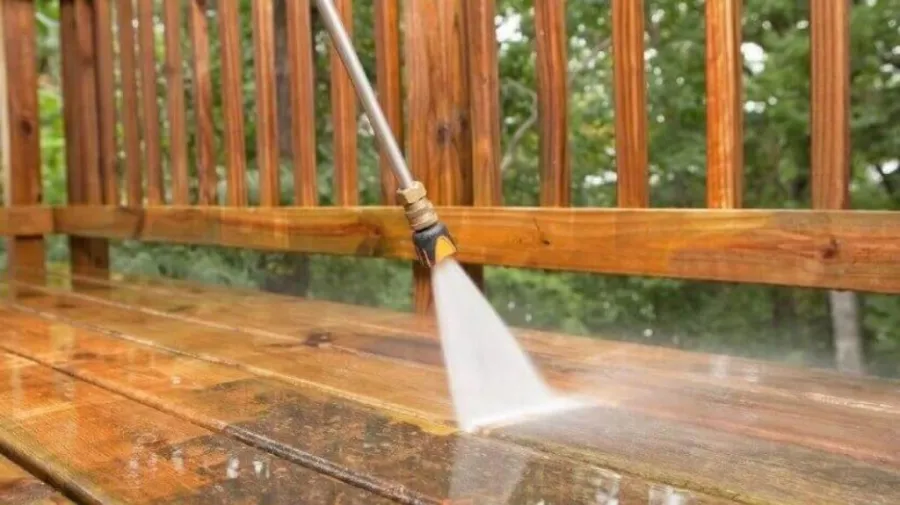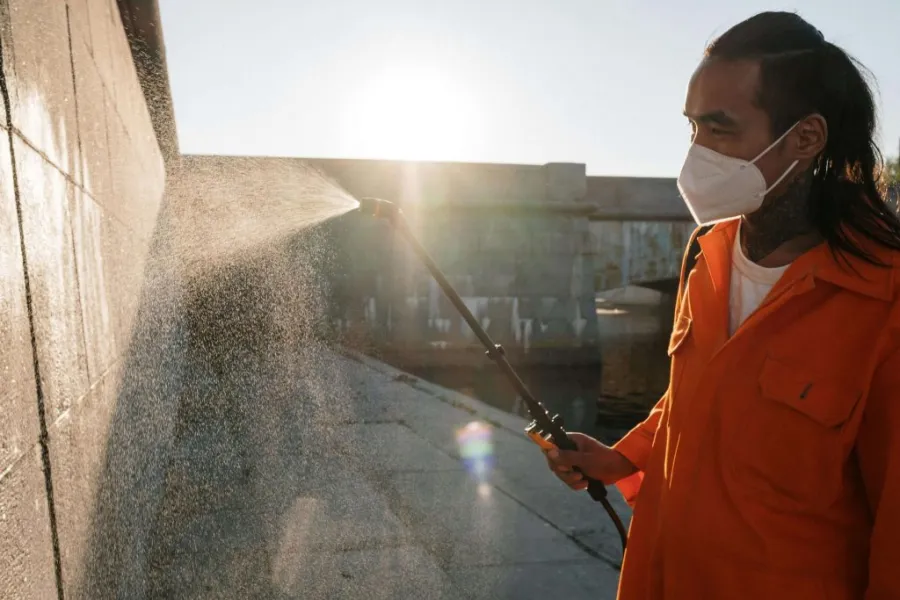
Pressure washers help you clean off gunk and grime from pavements, house exteriors and floors. But did you know these same water pressures are responsible for over 6,000 injuries every year? Or the fact that a pressure washer injury can cause disability or amputation?
There’s no doubt that pressure washers can get the job done with brute force. But only if you know how to use pressure washers safely. If you’re only getting started, we prepared this full guide to help you learn how to operate this power tool with safety in mind!
How To Use A Pressure Washer For The First Time
1. Starting the Pressure Washer the Right Way
Starting a pressure washer the correct way is very crucial.
- Begin by placing the machine on a flat, steady surface to stop it from slanting. It is important to ensure that all hoses and the water supply are connected properly.
- Turn on the water supply. Then, squeeze the spray gun trigger to vent out trapped air. This helps the water flow smoothly when you start the machine.
- For gasoline-powered equipment, activate the fuel valve, engage the choke, and pull the cord. For electric models, plug it in and push the power button.
2. Adjust Pressure Settings
Not all surfaces require the same pressure settings. Using the wrong pressure can harm surfaces or make cleaning more challenging. Many pressure washers allow adjusting the pressure by replacing the nozzle or turning a dial.
For soft surfaces such as windows or painted walls, opt for low pressure. A 40-degree nozzle is ideal for this. For tougher work, such as cleaning sidewalks or houses, use more pressure with a 25-degree nozzle. Always begin with low pressure and gradually build up to the correct pressure.
Note: Keep the nozzle 6–12 inches away from the surface to avoid damage. Move closer only if needed, but never closer than 6 inches.
3. Follow Power Washing Tips and Techniques
Using the right cleaning methods makes the job safer and better. Some things to do:
- Work in Sections: Clean small areas at a time.
- Use a Sweeping Motion: Use the spray gun back and forth, overlapping slightly. Avoid leaving the spray in one area for too long.
- Apply Detergent First: If using a detergent, spray it on and let it rest for a few minutes.
- Rinse Thoroughly: After rinsing, rinse with water to get rid of remaining detergent.
4. Clean the Parts
To make your washer last longer, cleaning the parts of your pressure washer is important. Rinse the parts with clean water to stop dirt buildup. However, sometimes you may find tough calcium deposits in your washer.
White vinegar can be magical when it comes to removing tough calcium deposits. Soak parts in vinegar for a day to make your machine ready to be used again.
5. Do Regular Maintenance
Regular maintenance helps your pressure washer last longer. Regular care can help avoid problems by 20% and even make machines last longer by 30%. So it is vital to take care of your machine to save both time and money.
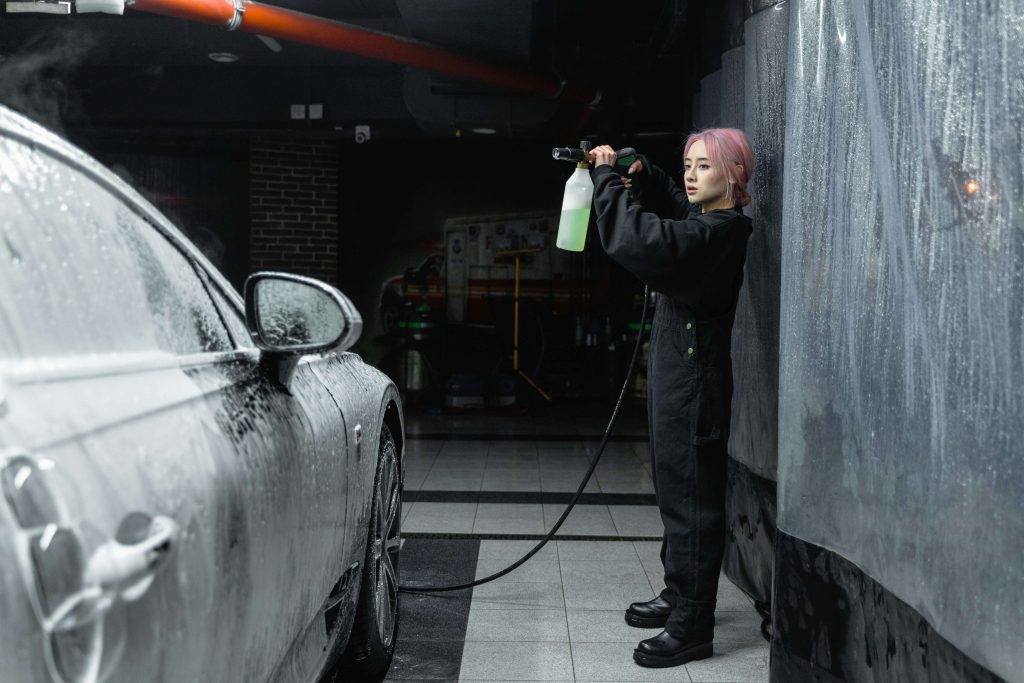
How to Prepare For Power Washing
Before you learn how to use pressure washer for your cleaning projects, it’s important to prepare for the task ahead. Here are the four steps to follow before you turn on this power tool:
1. Pick the Right Pressure Washer
Start by picking a pressure washer that suits your cleaning job. Pressure (PSI) and water flow (GPM) are two key things to check. These decide how strong and effective the machine is.
For example, cleaning a deck needs about 1,500 PSI, while driveways may need 2,000 to 3,000 PSI. Choose a model with the highest GPM for your PSI, like the Vevor Electric Pressure Washer. It helps clean faster without harming surfaces.
2. Get Tools and Cleaners Ready
The right tools and cleaners make cleaning easier. Moreover, pick the right nozzle for your task, too. Nozzles change the spray shape and pressure. For instance, A 0-degree nozzle sprays a strong stream. A 40-degree nozzle sprays wider and softer.
3. Check and Prepare the Area
Follow this checklist to prepare the area before cleaning:
- Move furniture or anything in the way.
- Sweep or mop if needed.
- Look for dangers like loose wires or wet spots.
- Make sure water has a way to drain through.
4. Don’t forget to Wear Safety Gear.
Safety comes first. Here’s a checklist of items that you must have:
- Goggles or a face shield to protect your eyes.
- Closed-toe rubber boots to avoid slipping.
- Thick gloves for your hand protection.
- Long sleeves and trousers to completely cover your skin.
How to Set Up Your Pressure Washer
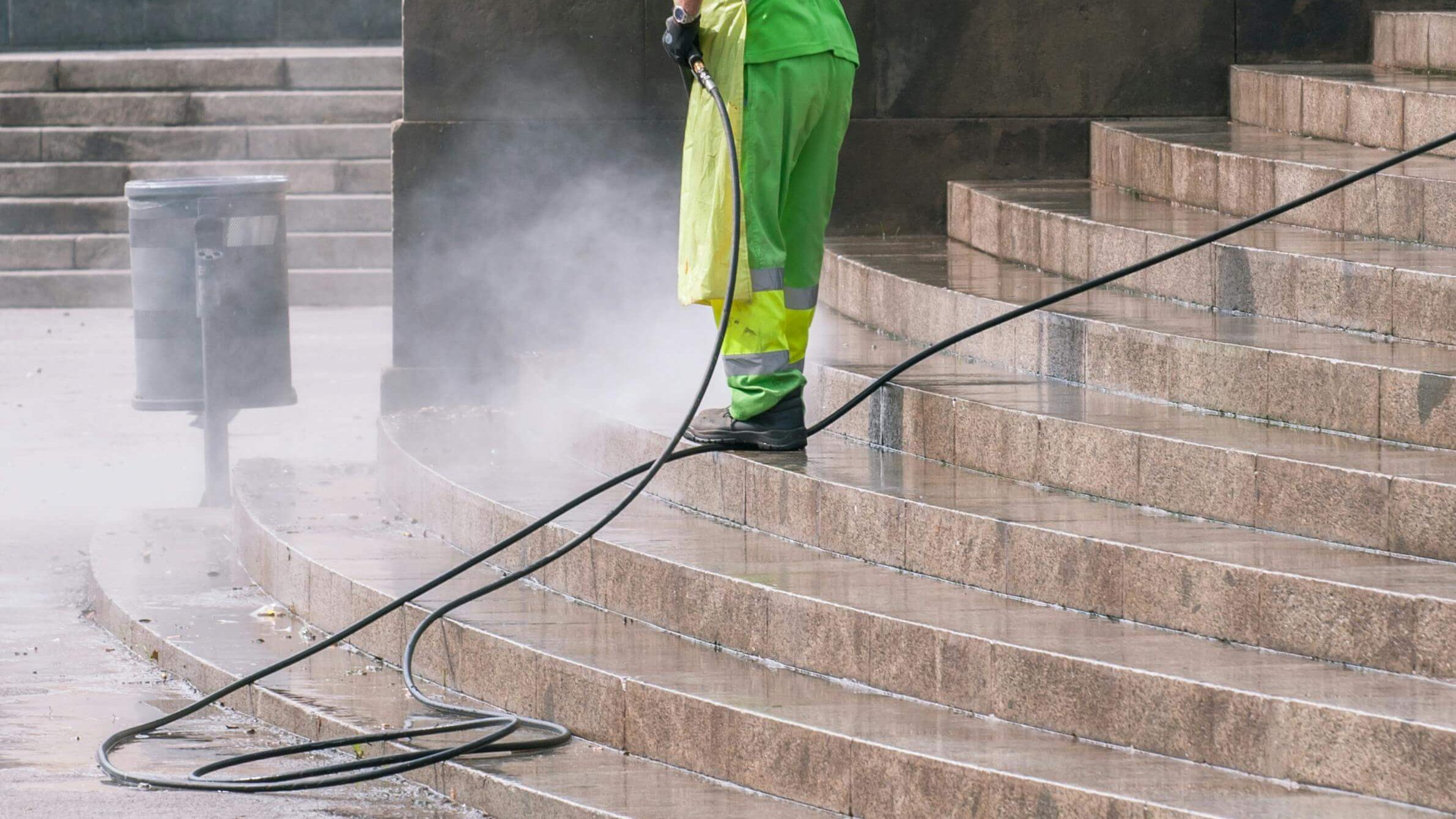
1. Connect the Hoses and Water Supply
Now it is time to operate the machine. First, connect the water supply to your pressure washer. Utilize a garden hose that suits the machine’s requirements. The majority of machines require a minimum of five gallons of water per minute.
Moreover, the water pressure should be around twenty pounds per square inch. If you use a well, keep the hose under thirty feet long. This stops pressure from dropping.
Next, connect the pump to the high-pressure hose. Tighten all connections to stop leaks. Studies show that tight hoses work better and are safer. After connecting everything, turn on the water. Don’t forget to check for leaks before moving forward.
Tip: Use cold water unless your machine allows hot water. Hot water can harm regular machines.
2. Pick the Right Nozzle
Choosing the right nozzle is very important. It assists you in cleaning safely and more quickly. Most pressure washers have various nozzles for various tasks. Connect the one that suits your task.
For instance:
- A 0-degree nozzle sprays a firm, thin stream for difficult stains.
- A 40-degree nozzle sprays wide and soft, good for cars or windows.
- Special nozzles, such as soap nozzles, make cleaning simpler.
It helps clean better and protects surfaces with the right nozzle. Moreover, extension wands allow you to reach high areas without climbing.
3. Add Soap for Cleaning
If your pressure washer comes equipped with a detergent tank, load it with the appropriate cleaner. Remember to read the directions to use the proper soap. Learning how to use a pressure washer with soap helps you pull away stubborn dirt and grease.
Here’s an easy table that illustrates how heat and detergent enhance cleaning:
| Temperature (°C) | Detergent (g/L) | Cleaning Power | Germ Reduction (log CFU/carrier) |
| 40 | 10 | Good | ~4 |
| 60 | 5 | Great | >5 |
| 40 | 20 | Good | >5 |
FAQ
How do you use a pressure washer for the first time?
Whenever you are using a pressure washer for the first time, refer to the manual that came with it. Make sure to connect the water supply with the hose firmly and test a small area first. If the pressure settings need adjusting, feel free to do those before getting started.
Can you use a pressure washer on a car?
Yes, you can learn how to use a pressure washer on car. But remember, car surfaces are delicate, so go for a low-pressure nozzle, like a 40-degree one. You should also keep the nozzle away from the car’s surface at ideally 12 inches.
How do you use a pressure washer with soap?
Put in the right soap in your detergent tank and attach a soap nozzle. Then spray it evenly on the surface and let it rest for a few minutes before rinsing it off.
Conclusion
Pressure washers are perhaps one of the best power tools out there. With an intense water pressure, it can help you clean the toughest of surfaces within seconds. But with this great pressure comes a risk to safety.
That’s why in this blog, we helped you uncover how to use pressure washer while keeping everyone safe. Ready to take your cleaning game to the next level. Invest in VEVOR’s Electric Pressure Washer and get cleaning with our 2000 PSI force!