Lighting in the kitchen does more than just brighten your space—it sets the mood, adds charm, and helps you work better. Among all lighting options, hanging kitchen lights stand out. They don’t just hang from the ceiling—they bring warmth, focus, and style to your cooking and dining areas.
Whether you’re preparing meals, entertaining friends, or enjoying a quiet morning coffee, the right hanging lights can transform your kitchen into a welcoming and elegant space. In this blog, we’ll guide you through everything you need to know about choosing and using hanging kitchen lights for both style and function.
Types of Hanging Kitchen Lights
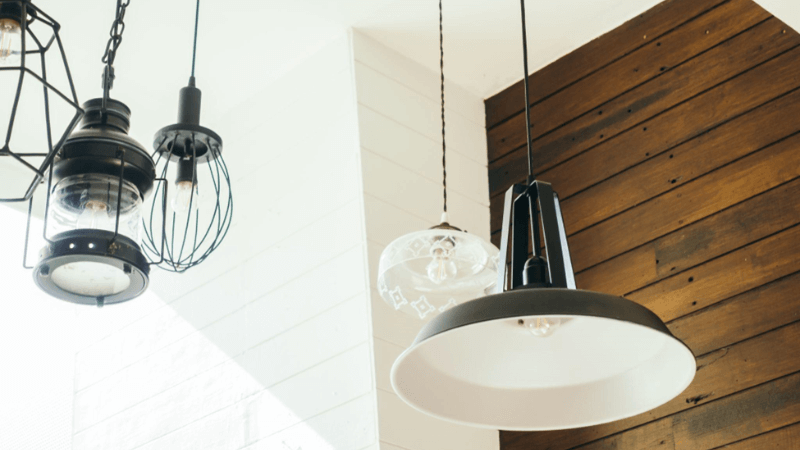
From cozy farmhouse charm to sleek modern designs, there’s a perfect option for every style and layout. Below are the five most popular types of hanging kitchen lights, each with its own purpose and aesthetic appeal.
1. Pendant Lights
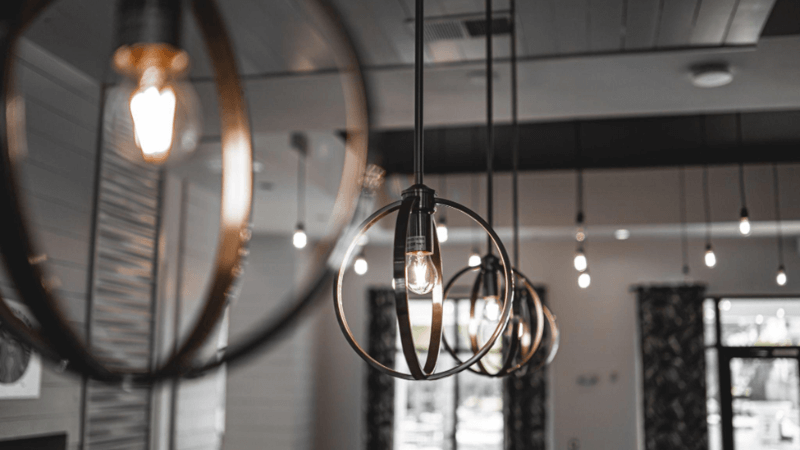
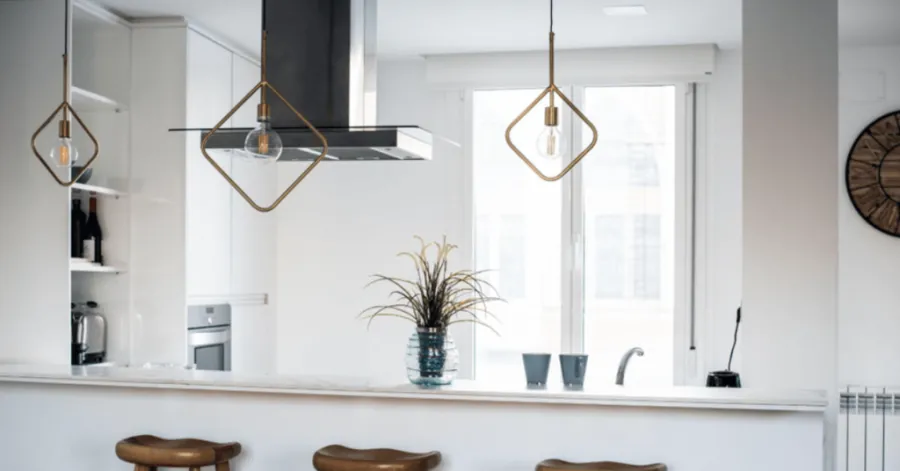
Pendant lights are one of the modern hanging kitchen light options for kitchen lighting. Hanging from cords, chains, or rods, these lights can be placed over kitchen islands, countertops, or dining tables to provide both style and targeted lighting.
They come in a variety of shapes, sizes, and materials, making it easy to find a match for your kitchen’s decor. For a rustic touch, consider farmhouse-style pendants made of wood, metal, or glass.
Pendant kitchen lights can be used as single fixtures or in groups to create symmetry and focus in your kitchen. They’re practical, stylish, and easy to personalize based on your layout and taste.
2. Chandeliers
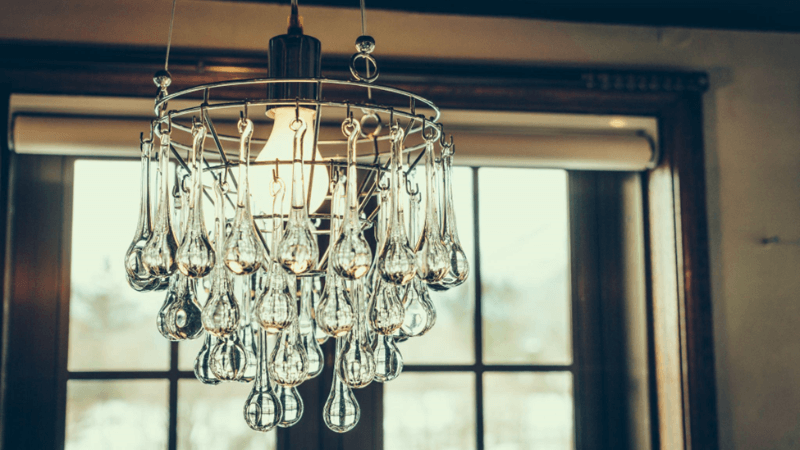
Chandeliers aren’t just for formal dining rooms—they can add a touch of elegance to your kitchen as well. With multiple arms or tiers of bulbs, chandeliers create a soft, ambient glow and serve as a beautiful focal point in larger kitchens.
They work especially well in open layouts or rooms with high ceilings, drawing the eye upward and making the space feel grander. Rustic chandeliers made from wood or wrought iron can enhance a cozy farmhouse kitchen, while modern crystal or glass chandeliers lend a more refined, upscale vibe..
3. Linear Suspension Lights
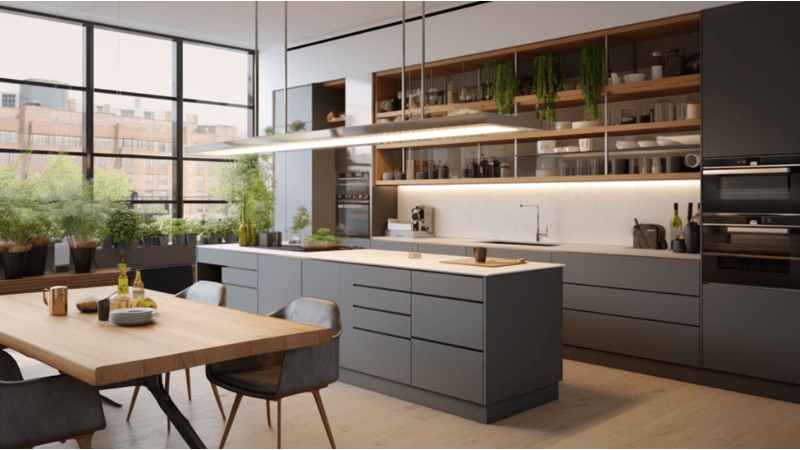
For long kitchen islands or dining tables, linear suspension lights are a smart and stylish choice. These hanging kitchen fixtures feature a horizontal bar fitted with multiple light sources that offer wide, even illumination, perfect for meal prep, homework, or casual dining.
They suit modern and contemporary kitchens best, especially when styled with metal or glass elements. However, there are also rustic options that feature wood beams and exposed bulbs for a more vintage or industrial look. Linear lights are ideal if you want a clean, streamlined appearance while still getting plenty of light across a large surface.
4. Island Lights
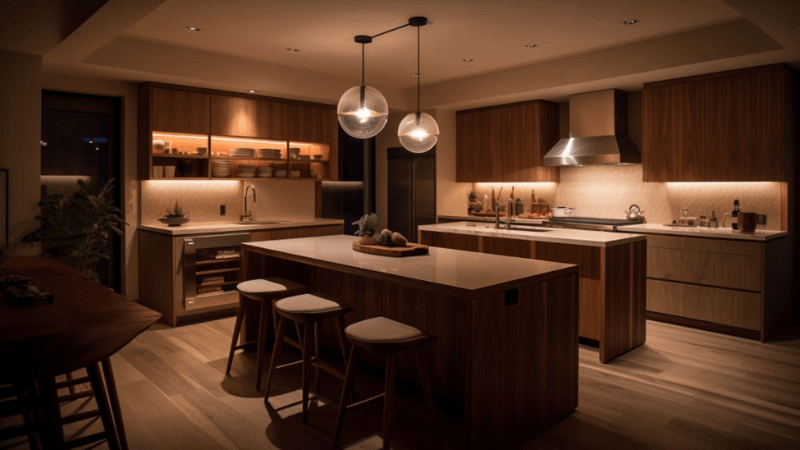
Island lights are designed specifically to hang above kitchen islands, where they provide direct light for cooking and gathering. While pendant lights are often used here, “island lighting” can also include multi-light fixtures designed to cover the full surface of an island.
These lights do more than brighten your workspace—they define the kitchen island as a central feature of the room. Choose a bold, larger fixture for wide islands to make a statement, or use a row of smaller matching pendants for balance and visual interest.
Styles range from industrial with exposed bulbs to modern with chrome finishes, and even rustic with distressed wood accents. Island lights combine practicality with visual appeal.
5. Track Lighting
Track lighting is a flexible and functional solution for kitchens of all sizes. It features a mounted ceiling track with multiple adjustable light heads that can be aimed at different work areas, such as sinks, countertops, or cabinets.
This type of lighting is especially helpful in kitchens where focused light is needed in several locations. The movable design lets you customize your lighting setup as your needs change.
Track lighting also offers a variety of design styles. Modern kitchens may benefit from metal tracks with sleek LED lights, while industrial kitchens often use exposed bulbs on black or bronze tracks. It’s a great mix of style and adaptability.
How to Choose the Right Hanging Kitchen Lights
Choosing the right hanging lights for your kitchen can seem confusing, but it doesn’t have to be. By focusing on a few key things—like your kitchen layout, style, and lighting needs—you can easily find the perfect fit.
Consider Your Kitchen Layout
Start by looking at where you need the light. Is it above your kitchen island, dining table, or counters? Each area might need a different type of light.
- Pendant lights are great for focused lighting over an island or a counter.
- Track lighting works well if you want to light up a larger space.
Also, think about your kitchen’s size.
- In a small kitchen, go for compact lights to keep the space open.
- In a larger kitchen, you can try bigger fixtures like chandeliers or linear suspension lights for a bold look.
Choose lights that suit your layout and don’t look too big or too small for the space.
Match the Style to Your Kitchen Design
Your lights should match the style of your kitchen. For example:
- A modern kitchen looks great with simple lights that have clean lines and metal finishes.
- A farmhouse kitchen might suit wooden or industrial-style li
- A classic kitchen can go well with soft, warm fixtures or glass designs.
Also, think about the colors and materials of your lights. They should go well with your cabinets, countertops, and other kitchen details. For example, a black pendant light can add contrast in an all-white kitchen, while a glass fixture keeps things light and open.
If you like bold style, let your light fixture become a design highlight.
Choose the Right Size and Scale
Size is very important. A light that’s too big can take over the space. One that’s too small might not be noticeable or useful.
- Measure your island or table before buying.
- A good rule is to leave about 6 inches of space on each side of the light from the island edges.
- For long islands, you can use three small pendants evenly spaced.
- For small islands or tables, one larger light works better.
Also, consider ceiling height. Higher ceilings can handle taller or larger lights, while lower ceilings need shorter, simpler ones.
Focus on Functionality and Lighting Needs
Think about how you use your kitchen. Do you mostly cook? Or is it a space for chatting and meals?
- Use brighter lights for tasks like cooking and food prep. Pendant lights are great here.
- Use softer lighting over the dining area to create a warm and relaxed feeling.
- Adjustable lights (like track lighting) are helpful if you want to move the light in different directions.
- Dimmers let you control brightness, which is great for changing the mood, from meal prep to relaxing evenings.
Good lighting makes your kitchen easier and more fun to use.
Budget Considerations
There are lights for every budget. First, decide how much you want to spend.
- For smaller budgets, look for stylish but affordable lights. Many stores have budget-friendly pendant lights that still look great.
- You can also update old lights by painting them or changing the shades.
- If you have a bigger budget, invest in high-quality materials or a unique design. A beautiful chandelier or custom island lights can last longer and make your kitchen stand out.
Whatever your budget, choose lights that offer both good looks and practical use.
Balance Looks and Function
Your lights should not only look good—they should also work well. Ask yourself:
- Does this match the style of my kitchen?
- Does it light up the area where I need it?
For example, pendant lights are useful for prep areas, while softer lights suit dining spots. The best lighting enhances both style and function.
Choose the Right Hanging Height
Hanging your lights at the correct height is very important.
- For kitchen islands or counters, the light should hang 30–36 inches above the surface.
- This gives enough light without blocking the view or getting in the way.
- For chandeliers or large fixtures, keep them high enough to avoid bumping into them, but low enough to stand out as a design feature.
Getting the height right keeps the kitchen both functional and stylish.
Layer Your Lighting
One light isn’t enough for a kitchen. Use layers of lighting for the best result:
- Ambient lighting: general light for the whole kitchen (like ceiling lights).
- Task lighting: brighter lights for areas like islands or countertops (like pendants or under-cabinet lights).
- Accent lighting: softer lights to highlight special spots like shelves or artwork.
Layering makes your kitchen brighter, more comfortable, and more stylish.
Use Hanging Lights as a Focal Point
Hanging lights can also be the star of your kitchen.
- Choose eye-catching designs—like bold shapes, bright colors, or unique materials.
- Center the lights over key areas like the island or table.
- Group several pendants in a line or cluster for a modern look.
Make sure the size fits the space. In big kitchens, larger lights can make a statement. In small kitchens, simpler designs work better.
A beautiful hanging light can pull the whole look together and add character to your kitchen.
Installation Tips for Hanging Kitchen Lights
Installing kitchen lights doesn’t have to be hard. With a little planning, the right tools, and safe steps, you can do it well.
Start by Measuring and Marking the Right Spot
The first step is to decide where the kitchen light will hang between your island, table, and counter before setting it up. Checking the available space requires a measuring tape that identifies the center point. The ceiling marks will enable the light to maintain a straight alignment while appearing neat.
Multiple lights should be spaced evenly when installed together. Place your ceiling markings either by using tape or a pencil. These marks will assist installation while maintaining proper alignment of the components.
Make Sure the Wiring Is Safe and Correct
Always put safety first when working with wires. Turn off the power at the breaker box before you start. If you’re replacing an old light, remove it carefully and check the wires. If they’re damaged, replace them. Connect black to black, white to white, and use green or copper for ground. Secure all wires with connectors. Turn the power back on and test the light. If it doesn’t work, check your connections again. If you’re unsure at any step, it’s best to call a licensed electrician.
Choose Between DIY and Hiring a Professional
You can install the light yourself if it’s a simple job, like a small pendant. Just follow the instructions, use the right tools, and work carefully. This can save you money. But if the fixture is big or heavy—like a chandelier—or if the wiring is tricky, it’s better to call a professional. They know how to handle difficult jobs and make sure everything is safe and strong.
Maintenance Tips for the Longevity of Hanging Kitchen Lights
Now that your lights are up, it’s time to keep them looking great. Let’s go over some simple maintenance tips.
Keep Your Lights Clean
Kitchen lights can get dusty or greasy, especially if you’re cooking often. To keep them shining, wipe them down with a soft cloth every week. For tough spots, use a mild soap solution. Avoid using harsh chemicals that could damage the finish.
Cleaning your lights not only helps them look good, but it also makes them brighter by removing any built-up dirt.
Check for Loose Parts Regularly
Over time, screws or connections in your light fixtures may become loose. Every few months, inspect your lights to make sure everything is tight and secure. If you find any loose screws or chains, tighten them to keep your lights safe and stable.
Replace Burnt-Out Bulbs Quickly
When a light bulb burns out, your kitchen can look dim. Replace the bulb as soon as possible. It’s a good idea to use energy-efficient bulbs like LEDS. They last longer, save you money on electricity, and are better for the environment.
Inspect Wiring for Safety
Sometimes, faulty wiring can cause flickering lights or even be a safety risk. Check the wiring every so often to make sure it’s in good condition. If you notice any issues, call a professional electrician to repair them. Well-maintained wiring helps your lights stay reliable and safe.
Polish Metal and Glass Parts
If your light fixtures have metal or glass parts, clean and polish them to keep them looking new. Use a cleaner that’s designed for the material to avoid damaging the finish. This simple step keeps your lights shining and stylish.
By following these easy tips, you can extend the life of your hanging kitchen lights. They’ll continue to brighten your space and add to your kitchen’s beauty for many years.
VEVOR Hanging Kitchen Lights – Brighten Up Your Kitchen with Style and Function
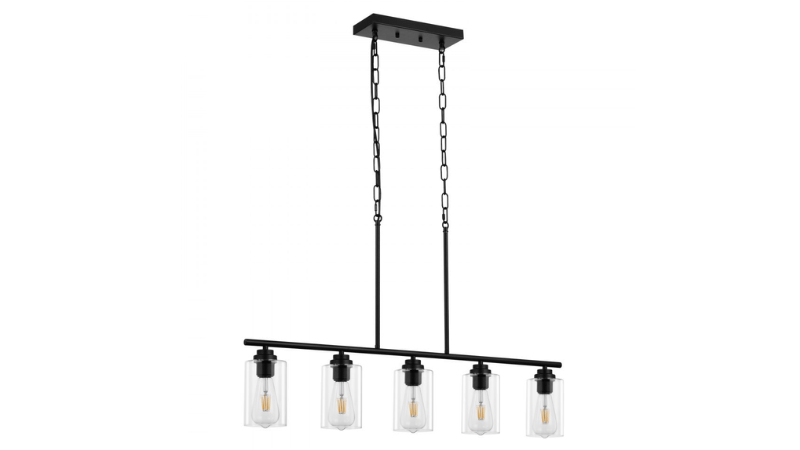
After considering the best ways to light up your kitchen and create the right ambiance, VEVOR hanging kitchen lights offer the perfect solution. These lights are stylish, easy to install, and built to last. They give you the right amount of light while adding a touch of elegance to your kitchen.
Here’s why VEVOR hanging kitchen lights are the perfect choice for your kitchen.
- Plenty of Styles to Choose From: No matter your taste, VEVOR has something for everyone. Whether you like a sleek, modern design or a cozy, rustic feel, you’ll find the perfect light for your kitchen. From elegant pendant lights to beautiful chandeliers, VEVOR lights will make your kitchen shine.
- Built to Last with Quality Materials: VEVOR lights are made from high-quality materials like metal, glass, and wood. These strong materials ensure your lights will stay looking great and working well for many years.
- Save Energy and Money: Many of VEVOR’s lights are compatible with LED bulbs, which use less energy than traditional bulbs. This means you’ll save money on your electric bills while still enjoying bright, clear lighting. Plus, LED bulbs are better for the environment, making them an eco-friendly choice.
- Easy to Install: You don’t need to be an expert to set up your VEVOR hanging lights. The lights come with simple, clear instructions, so you can easily install them yourself. It’s a quick and easy way to give your kitchen a stylish update.
Best Places to Hang VEVOR Lights
VEVOR hanging lights are not only beautiful but also versatile. You can hang them above your kitchen island for focused light while cooking, or above your dining table for a warm, inviting glow during meals. These lights are also great for highlighting other areas of your kitchen, like a coffee corner or your backsplash, to make your whole kitchen feel bright and welcoming.
Conclusion
Hanging kitchen lights can completely transform your space. They don’t just brighten your kitchen; they add style and functionality too. When choosing lights, think about your layout, design, and lighting needs. Pick fixtures that match your style and fit your space.
Don’t forget to install them at the right height for the best effect. Whether you go for sleek pendants or bold chandeliers, the right lighting makes all the difference. So, why wait? Start upgrading your kitchen today and create a space you’ll love!
FAQ
What is the best height for hanging kitchen pendant lights?
Place pendant lights 30–36 inches above your island or counter. This height gives enough light for tasks and keeps your view clear. For high ceilings, raise them a bit higher for balance.
How many pendant lights should I use over my kitchen island?
The number depends on your island’s size. Small islands look good with two pendants. Bigger islands may need three lights spaced evenly. Leave about 6 inches from the edges for balance.
Is it possible to integrate different hanging light designs within my kitchen space?
Using various style combinations will create a distinctive kitchen appearance. Make sure the selected designs blend in a harmonious manner. Modern pendants can effectively combine with rustic chandeliers. Keep colors or finishes similar for a unified look.
Is the LED bulb the right option for lighting your kitchen hanging fixtures?
Yes! Use of LED bulbs provides energy savings with extended lifetime together with environmental sustainability benefits. The cool quality of these lights makes them suitable for hot kitchen environments. Make use of adjustable LED light bulbs to manage the strength of the illumination.
Does it require professional electrical expertise to install my hanging kitchen light?
It depends on the job. Anyone can easily perform a pendant light replacement as a do-it-yourself task. An electrician needs to handle large, heavy fixtures in combination with complex wiring installations for safety purposes.