Installing a kitchen faucet may seem like a big task, but it’s actually simpler than it appears. With the right tools and step-by-step instructions, you can easily learn how to install a kitchen faucet without the need for a plumber. This guide will take you through the entire process, from shutting off the water supply to making sure the new faucet works perfectly.
Whether you’re a DIY beginner or someone who’s done it before, these easy-to-follow steps will help you get the job done quickly and efficiently. Follow these instructions, and you’ll have a new kitchen faucet installed in no time.
Tools and Materials Needed for Kitchen Faucet Installation
Before you begin installing your new kitchen faucet, it’s important to gather the necessary tools and materials. Having everything ready will save you time and reduce stress during the installation process.
Tools You’ll Need:
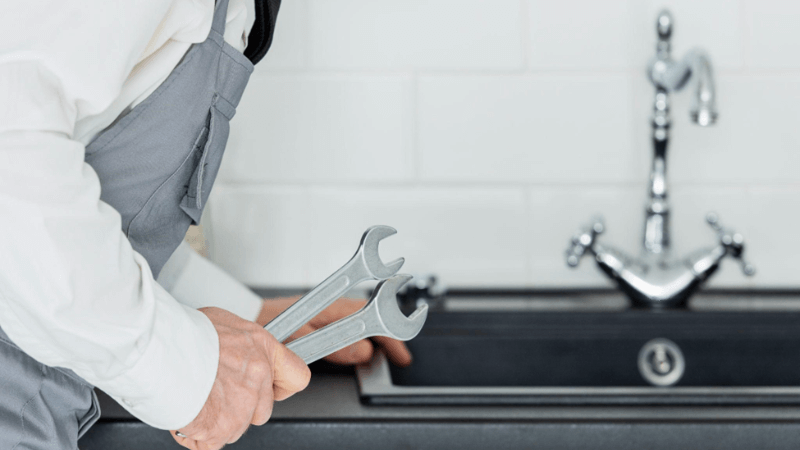
- Basin Wrench: The basin wrench is needed to reach hard-to-get nuts under the sink. It has a long handle and a moving head that helps you tighten or loosen nuts in small spaces.
- Adjustable Wrench: Used for loosening or tightening connections. You can adjust this wrench to fit different sizes of nuts, making it easier to work with faucet parts.
- Channel-Type Pliers: These pliers hold pipes and fittings tightly. They have adjustable arms, making them perfect for holding pipes or parts in tight spots.
- Screwdrivers: Both flathead and Phillips screwdrivers are useful. They’re needed to remove or add screws that hold the faucet or extra parts, like a sprayer.
- Flashlight: This is useful for lighting up dark spaces under the sink. Plumbing work is often done in dimly lit areas, so a flashlight helps you see better and avoid mistakes.
- Putty Knife: This tool is used to apply or remove plumber’s putty. You use it to put a layer of putty around the base of the faucet to stop leaks.
- Cordless Drill/Driver: If screws are involved, this tool makes the job faster. It helps you screw things in quickly, especially if you need to use many screws.
Materials You’ll Need:
- New Kitchen Faucet: Pick a faucet that fits your sink. Measure the sink hole and make sure the faucet fits the number of holes and the size of the hole.
- Supply Lines: If the old ones don’t fit or are worn out, replace them with new ones. New supply lines help prevent leaks.
- Plumber’s Putty or Silicone Caulk: These are used to seal any gaps and stop leaks. Plumber’s putty is good for sealing the base of the faucet, while silicone caulk works well for sealing around joints.
- Teflon Tape: Wrap this tape around threaded parts to make sure they don’t leak. It helps seal the connections at the faucet.
- Bucket or Towels: These help catch any water that drips out when you remove the old faucet. This keeps your work area clean and dry.
Step-By-Step Guide to Install a Kitchen Faucet
Before you get started, make sure you have all the tools and materials ready. Once you’re set, follow these easy steps to install your new kitchen faucet.
Step 1: Turn Off the Water Supply
The first step in kitchen faucet installation is to turn off the water supply. Look for the shutoff valves under your sink and turn them clockwise to stop the flow of water. If your sink doesn’t have individual shutoff valves, you’ll need to turn off your home’s main water supply instead.
After the water is off, turn on the faucet to release any leftover water from the pipes. This helps prevent spills and keeps your workspace dry and safe. It’s a good idea to place a towel, bucket, or bowl under the sink to catch any drips that might still come out during the process. A dry area makes it easier to work and keeps tools from slipping.
Step 2: Disconnect the Old Faucet
Now it’s time to remove the old faucet. Use an adjustable wrench to disconnect the hot and cold water lines from underneath the sink. To avoid a mess, place a towel or small container underneath to catch any leftover water.
If the mounting nuts are rusted or difficult to turn, apply some penetrating oil and let it sit for a few minutes to loosen them. A basin wrench can help you reach tight spaces, especially behind the sink where access is tricky. Once the nuts are loose, gently wiggle and lift the old faucet out of the sink. Set it aside and clean the area before installing the new one.
Step 3: Prepare the New Faucet
Before installing the new faucet, take a moment to clean the sink surface where the old faucet was. Wipe away any dirt, grime, or leftover sealant to make sure the new faucet seals tightly and sits flat.
Next, check that your new faucet fits the sink hole. Look over all the parts in the box—make sure you have the faucet body, hoses, washers, mounting nuts, and any other included pieces. If your sink has more holes than your new faucet needs, use a deck plate or escutcheon to cover the extras. This helps keep the area looking neat and prevents water from leaking through unused openings.
Step 4: Install the New Faucet

Now you’re ready to install a kitchen faucet. Carefully lower the new faucet into place by feeding the supply tubes through the sink hole. Align it so it sits straight and centred on the sink. Go underneath the sink and use a basin wrench to tighten the mounting nuts.
If your faucet has a sprayer hose, connect it now. Make sure all the parts are lined up properly before tightening everything fully. Check from above to be sure it looks even. Make sure the faucet feels steady and doesn’t wobble before moving on to the next step.
Step 5: Connect the Water Supply Lines
Now it’s time to connect the hot and cold water lines to the faucet hoses. Wrap Teflon tape around the threads to help seal the connection and prevent leaks.
Use an adjustable wrench to tighten the connections securely, but be careful not to overtighten—you don’t want to damage the fittings. Make sure the hoses are not twisted or kinked, as this can block water flow. Once the lines are connected, turn on the shutoff valves or main water supply and check that everything flows smoothly.
Step 6: Check for Leaks
Turn on the faucet and let the water run for a few minutes to clear the lines. Check that everything works properly after your kitchen faucet installation. Look closely at each connection point under the sink to check for leaks or drips. Use a paper towel or tissue to gently touch the joints—this helps spot small leaks you might not see right away.
If you find a leak, carefully tighten the connection a little at a time until it stops. Also, remove the aerator from the faucet and let the water run for about 30 seconds to flush out any dirt or debris from the pipes, then screw it back on securely. This helps prevent clogging and keeps the water flowing clean and strong.
Step 7: Final Cleanup

Once you’re sure there are no leaks after your kitchen faucet installation, it’s time to clean your workspace. Wipe down the sink, faucet, and surrounding area to remove any fingerprints, dust, or leftover tools.
Make sure the faucet handles turn smoothly and that the water flow is steady and strong. Check the sprayer (if installed) to see if it works properly, too. A quick final test ensures everything is working just as it should. Now your kitchen has a fresh new faucet, and you’ve installed it all by yourself.
Conclusion:
Installing a kitchen faucet is a manageable task that anyone can do with the right tools and a little patience. By following these simple steps, you can replace an old faucet or upgrade to a new one with ease. Whether you’re handling the job yourself or looking for a reliable guide for future tasks, this installation guide will help you get it done quickly and effectively. Always remember to check your connections for leaks and ensure everything is tight to prevent any water damage down the line.
Now that you know the basics, you’ll be able to confidently install a kitchen faucet and enjoy your improved kitchen without the hassle of calling in a professional.
FAQS
How long does it take to install a kitchen faucet?
Installing a kitchen faucet normally requires between one hour and two hours of labor. Novice home maintenance workers should expect to spend more time on this project. Clear instructions, along with suitable tools and the patience to work through it, allow anyone to perform this installation without professional help.
Do I need a plumber to install a kitchen faucet?
Not always! Any person can handle the installation of a faucet through correct tool use and strict adherence to instructions. Get a plumber on the phone whenever you encounter installation difficulties or need assurance regarding the work.
Can I use my old water supply lines again?
You can definitely use existing water supply lines again, yet installing fresh ones stands as the optimal choice. The use of fresh installation lines results in point-like connections that prevent potential water leaks in the future. Using replacements in place of old supply lines proves to be more secure as time goes on.
How do I know if I installed the faucet the right way?
A proper inspection should be done after installation to identify any leaks at the points where the faucet connects to the water supply lines. Test your faucet operation by opening the water flow. Any sign of leaking water requires double-checking and appropriate tightening of supply line connections.
.