A 4-wheel garden cart is a beneficial piece of equipment for any gardener. It saves time, makes it easier on your body, and allows you to move dirt, plants, or tools around your yard quickly and efficiently. It makes you more productive, whether you’re working on a large landscaping project or simply doing some weekend garden maintenance.
This useful tool, on the other hand, may become a hassle if it isn’t maintained regularly. While you’re working, you can feel frustrated and slow down because of wobbly wheels, sticky parts, or dirt that won’t come off.
This article will guide you through the process of setting up and loading a garden cart safely, as well as how to clean it, inspect its components, and maintain it in good condition so it can handle any job.
Setup and Safety
Assembly Steps
Getting your DIY garden cart with four wheels ready is simple if you follow each step. Start by laying out all the parts and tools. Most carts come with a manual, so keep it close.
- Attach the axles to the frame.
- Insert the axles into the holes and secure them in place with nuts.
- Put the wheels on the axles.
- Check to see if the wheels are spinning in the correct direction.
- You can use nuts and washers to hold the wheels in place. You can use a wrench to tighten them.
- Put the handle on the front of the cart.
- Secure the bolts and ensure they are tight.
- Check each nut and bolt again.
- Give each one a final twist to make sure everything is tight.
Safety Checks:
Check that all the parts of your DIY garden cart with four wheels are in the correct order before using it for the first time. Look at the rims. To find out if each one glides easily, spin it. Add a drop of lubricant or tighten the nut if the wheel is stuck or wobbly. Check the frame for any cracks or sharp edges. Put your hands on the sides. Use sandpaper to smooth off any rough spots.
Check the label to see how much the flyer can hold. You should never put more weight in the cart than what the label says it can hold. If you put too much weight on the carriage, it could fall apart or tip over.
Tip: Before adding anything to your inventory, ensure the surface is flat. Push it back and forth to make sure it is stable and rolls easily.
How to Use a 4-Wheel Garden Cart
Loading and Unloading
To get the most out of your DIY garden cart with four wheels, you need to fill it the appropriate way. Place the heavier items on the bottom and the lighter items on top. Ensure that the weight is evenly distributed. This keeps your cart balanced and makes it easy to push.
You should never exceed the weight limit. Refer to the label or manual to determine the maximum weight it can support. If you have a lot to move, don’t take one big journey. Instead, take a few shorter ones. This makes your task easy and keeps your cart in good shape.
When you take things off, stand next to the trolley. First, remove the large items. Place small tools or any loose items in a bucket or bag to move them. It keeps you safe and stops objects from falling. Use a shovel to scrape dirt or mulch off the top of the cart instead of tipping it over. It keeps the frame and wheels safe.
Handling Different Terrains
Your DIY garden cart with four wheels can handle various surfaces, but each one feels a little different. On grass, push slowly and watch for bumps or holes. Thick grass can make it harder to turn the wheels, so take your time and proceed carefully.
Gravel paths need a steady hand. Keep the cart straight and avoid sharp turns. If you hit a big rock, stop and move it out of the way. Uneven ground, such as hills or slopes, requires extra care. Always push the cart uphill, never pull it. It gives you more control and keeps the cart from rolling back. On a slope, keep both hands on the handle and stroll.
Note: Wet or muddy ground can make the wheels slip. If the cart gets stuck, empty it a little and try again.
Efficient Use Tips
You can save time and effort with a few clever tricks. To stay organised, start by placing rakes and shovels along the sides and storing smaller items, such as gloves or seeds, in a basket. Secure everything with bungee cords to prevent spills from occurring. Use side rails if available, and plan your route to avoid extra trips. Learning the best ways to use a garden utility cart can make everyday tasks more efficient.
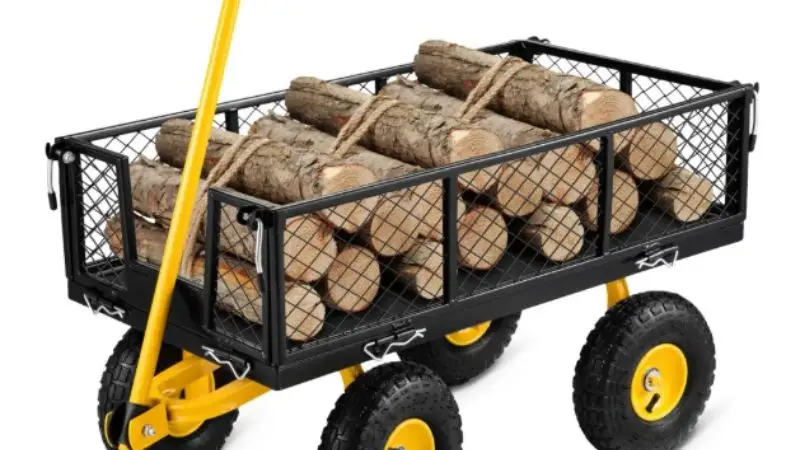
Pro Tip: A garden cart isn’t just for tools; use it to haul firewood, picnic gear, or groceries from the car.
4-wheel Wagon Maintenance
Cleaning After Use
To keep your garden cart in good condition, clean it after every use. Empty the cart, shake out any dirt or leaves, and brush off any remaining debris. Mix mild detergent with water, then wipe down the inside and outside of the item using a sponge. Rinse well and let it air dry or use a towel.
Tip: Rinse immediately after hauling mulch or compost to avoid stuck-on messes.
Regular cleaning is key to understanding how to use a 4-wheel garden cart effectively and keeping it ready for every task.
Lubricating Parts
Your cart has moving parts that need care. Joints, axles, and wheel bearings function optimally when kept smooth. Grab a can of spray lubricant or a few drops of oil. Spin each wheel and add a small amount of oil where the wheel meets the axle. Move the handle back and forth. If it squeaks, add a drop of oil to the joint. Wipe away any extra oil with a rag.
Note: Lubricating your DIY garden cart with four wheels on a monthly basis helps it roll quietly and makes pushing easier.
Tire Care
Tires take a lot of wear. Check them before each use. Look for cracks, flat spots, or sharp objects stuck in the tread. If your cart has air-filled tires, press down to see if they feel firm. Use a tire gauge to check the pressure. Add air if needed. Replace any tire that looks worn out or damaged. Knowing what to look for in tire quality is also a crucial aspect of learning how to choose the best 4-wheel garden cart for your specific needs.
- Quick Tire Care Checklist:
- Inspect for damage
- Check the air pressure
- Remove sharp objects
- Replace if needed
Frame and Rust Check
The frame holds everything together. Look over the metal parts for rust or dents. If you see rust, scrub it off with a wire brush. Wipe the area clean and dry. You can apply a small amount of rust-preventing paint for added protection. Tighten any loose bolts or nuts with a wrench. Ensure the frame feels solid and secure. Paying attention to these details also gives you insight into how to choose the best 4-wheel garden cart that offers both strength and lasting value.
Storage Tips
Storing your cart properly keeps it in top shape. Find a dry spot in your garage, shed, or under a covered porch. If you leave your cart outside, cover it with a tarp to protect it from rain and sun. Stand the cart upright or hang it on a wall hook to save space. Store it away from chemicals or fertilisers that might cause rust.
Pro Tip: If you use your DIY garden cart with four wheels throughout the year, give it a thorough clean and checkup at the start of each season.
Taking care of your cart does not take much time. These simple steps help your cart work better and last longer.
Troubleshooting
Flat Tires
Flat tires can slow you down fast. First, check if your tire has lost air or picked up a sharp object. If you see a nail or thorn, pull it out with pliers. Use a hand pump to add air. Most garden carts have the recommended pressure on the tires. If the tire stays flat, you might have a puncture. You can patch small holes with a tire repair kit. For more severe damage, replace the tire with a new one. Always keep a spare tube or tire on hand if you frequently use your cart. Knowing how to use a 4-wheel garden cart also means being prepared to handle these common issues efficiently.
Tip: Spray a little soapy water on the tire. Bubbles will show you where the air leaks.
Loose Parts
Loose bolts or nuts can make your cart rattle or wobble. Grab a wrench and check every bolt, especially around the wheels and handle. Tighten anything that feels loose. If you notice a part keeps coming loose, add a washer for a snug fit. Washers help distribute the pressure and keep bolts tight for longer. For squeaky wheels, add a drop of oil to the bearings. This makes your DIY garden cart with four wheels roll more smoothly and quietly.
- Quick Fix List:
- Tighten all bolts and nuts
- Add washers if needed
- Oil wheel bearings
Replacing Components
Getting the most out of your equipment starts with practical know-how about how to use a 4-wheel garden cart, including keeping it in top shape through regular maintenance. Sometimes, Parts can break or wear out from time to time. You can usually change the wheels, handlebars, or even the frame on most carts.
Check the part numbers in your manual, then get replacement ones from the manufacturer or a hardware store. You can easily take out the old part with a wrench or a screwdriver. Install the new part and verify that it fits properly. If you want to utilise your heavy-duty wagon for big jobs, check its parts more often. You need to take care of carts regularly to keep them safe and running efficiently.
Conclusion
You now know how to use and care for your 4-wheel garden cart. Here’s a quick recap:
- Check bolts, wheels, and frame before each use.
- Load items evenly and never go over the weight limit.
- Clean, dry, and store your cart after every job.
- Check oil levels and inspect moving parts regularly to ensure optimal performance. Also, check tires often.
Regular care keeps your cart rolling smoothly and makes every gardening day easier with the best 4-wheel garden cart. Enjoy your time in the garden!
FAQ
How much weight can my wheel garden cart carry?
Check the label or manual for the exact number. Most carts hold between 200 and 400 pounds. Never overload your cart. Too much weight can cause the frame to bend or the wheels to break.
Can I leave my garden cart outside all year?
You can, but it is not a good idea. Rain and sun can cause rust and fading. Store your cart in a shed or cover it with a tarp to keep it in good shape.
What should I do if my cart squeaks?
Add a few drops of oil to the wheel axles and handle joints. Spin the wheels and move the handle to spread the oil. Wipe away any extra with a rag.
How do I clean sticky messes from my cart?
Use warm, soapy water and a stiff brush. Scrub the sticky spots until they come off. Rinse with clean water. Dry your cart with a towel or let it air dry.
Can I use my garden cart for things other than gardening?
Yes! You can haul firewood, groceries, sports gear, or even picnic supplies. Please ensure you don’t exceed the weight limit.