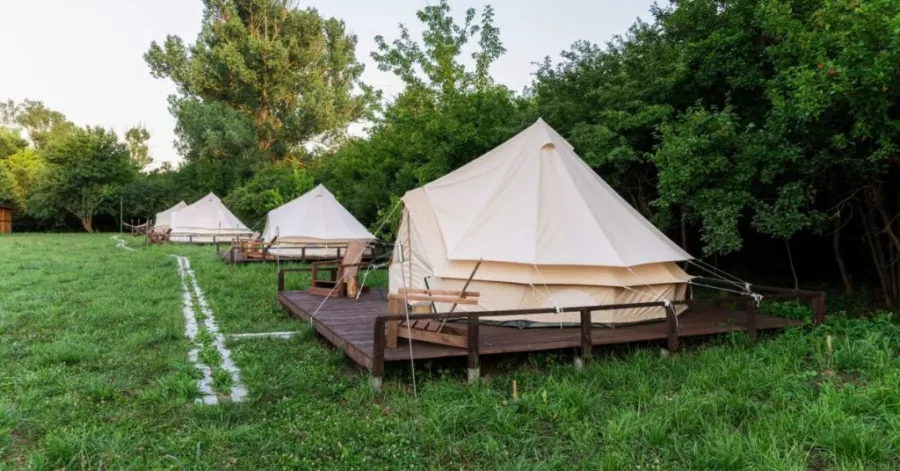
Was ist eine Jurte? A yurt is a portable, round tent that Central Asian nomads have used for centuries. People also call this structure a ger. Its design makes it a reliable shelter for nomads. Herders can pack it up, move it across the steppe, and rebuild it in a few hours.
Today, these circular dwellings serve many new purposes. You can find a yurt at a glamping site, in a backyard, or on a permanent foundation. In modern terms, what is a yurt? It is a flexible space that suits vacation rentals, home offices, and year-round living.
Inhaltsverzeichnis
What Is a Yurt und wie funktioniert es?
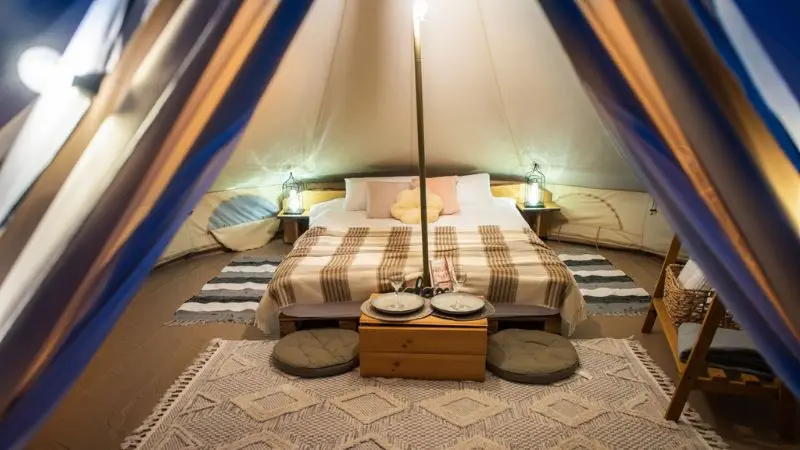
Das right yurt is a round shelter with a flexible wooden frame. The frame holds a fabric cover. This design lets you build a strong home without heavy tools. The round shape also sheds wind well. That is why the yurt structure has survived for so long
Empfohlen für Ihr Projekt
What Is a Traditional Yurt?
A traditionelle Jurte always begins with lattice walls. Herders create a latticework from bent wood that forms a cross shape. The lattices are expanded into circles. A door frame is fixed on one side of the lattice walls. Roof poles are erected from the wall towards the ring. The ring functions as the skylight and the base for the roof poles. A thick fabric covers the structure, while wool felt keeps the yurt warm in winter and cool in summer.
One can observe the process of constructing the yurts through the work of a herder assembling the yurts. Constructing yurts takes several hours. One person builds the yurt walls, while another ties the roof poles. Then the family erects the yurt’s roof cover. This system makes the traditional yurts portable.
What Is a Modern Yurt?
A moderne Jurte keeps the same round shape. The materials change, though. Builders now use treated wood, steel cables, and vinyl covers. These parts last longer than felt and raw wood. A modern yurt can also include insulation, windows, and a wood stove. Some models come as kits. You assemble them on a deck or a concrete pad.
Modern yurts serve many uses today. You can rent one at a glamping site. You can also place one in your backyard as a studio. The round walls create a calm, open feel. In many cases, a modern yurt costs less than a full house. It also goes up faster. That mix of speed and comfort explains the growing demand.
Where Did Yurts Come From?
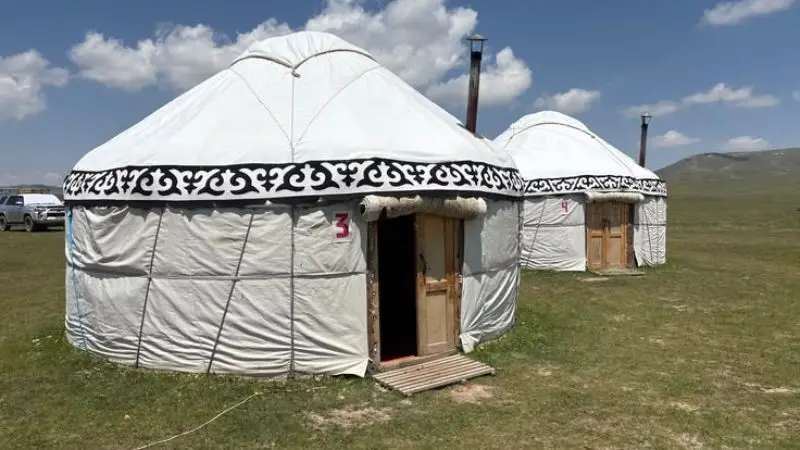
Central Asia is the yurt’s birthplace. Nomadic herders across Mongolia, Kazakhstan, and nearby regions built these round homes for thousands of years. The design spread as people moved across the steppe. You can trace yurt history through the migrations of these herding cultures.
History of Traditional Yurts
What is a yurt and how does it work? Early herders needed a home they could carry with them. They developed a wooden frame that folds flat and a cover that rolls up. These traditionelle Jurten let a family move with the seasons. They took their livestock to new grazing lands. They would set up their shelter swiftly wherever they decided to camp.
It evolved over hundreds of years. People mastered the art of steaming wood so they could shape latticed walls that expanded like an accordion. People also learned to shear and sew felt from sheepskin. This way, people could create a shelter that withstands strong winds and harsh winters.
Yurt vs Ger: What Is the Difference?
These two are interchangeable in everyday life. Nevertheless, these terms have differences. Yurt originates from a Turkic word meaning homeland or place. In contrast, ger is a Mongolian word that Mongolians use to name their shelters.
| Bedingungen | Origin | Allgemeiner Gebrauch |
| Yurt | Türkische Sprachen | Western and global usage |
| Jer | Mongolische Sprache | Mongolia and Inner Mongolia |
What is a modern yurt? The only differences between yurts and gers include language and location. A tourist in Mongolia will call it a ger, while a purchaser in France and America will call it a yurt. The physical appearance is almost similar. It is a portable shelter which has a lattice wall and a central roof ring. So, when someone asks what a yurt is, they’re referring to the same shelter used in several cultures.
What Are Yurts Used For in France?
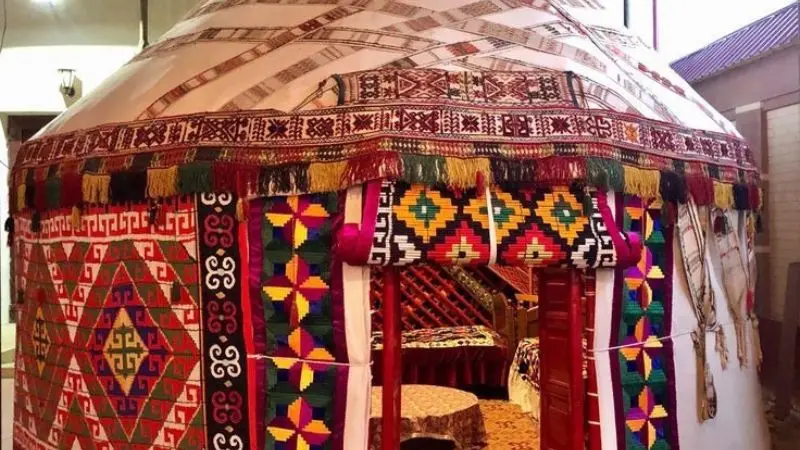
Why Do French Homeowners Prefer These Round Shelters? Yurt building in France is cheaper than building conventional houses. Two main uses dominate the French market: homes and studios.
Yurt Homes and Year-Round Living
What is the purpose of a yurt? Some French families live in a yurt as a permanent residence. They add high-quality insulation and a wood stove. This setup keeps the interior comfortable through all seasons. Local building codes often approve a yurt as a temporary or seasonal dwelling. You can upgrade to meet permanent home standards. You add proper insulation, double-glazed windows, and a strong foundation.
This way of life fits the French countryside well, as many areas have a culture of alternative homes. The yurt is a sustainable home that does not require large loans. The yurt is heated by a small stove. In addition, it collects rainwater and generates energy with solar panels. This kind of living provides an opportunity for off-grid living while being less harmful to the environment. The circular shape promotes a simpler lifestyle because people own fewer things and spend more time outside.
France has a considerable number of residents who live in such dwellings. Usually, these people build houses either on family-owned land or on leased plots. The only problem to become a yurt-dwelling person is finding a suitable plot with proper zoning laws.
Garden Studios and Offices
What is a yurt made of? Many French homeowners use this round dwelling as a garden room. You set up the structure in your backyard. It becomes a home office, an art studio, or a guest bedroom. This option works well when you need extra space but cannot build an extension.
You assemble a smaller model in a weekend. Materials cost much less than a wooden cabin. A moderne Jurte comes with windows and a door. You add electricity and internet. The round shape gives you a calm work environment.
Modern yurts suit this use case well. They come with durable covers and proper ventilation. You choose a model with skylights. You add insulation if you plan to work in winter. The result is a functional room that, in some cases, doesn’t require planning permission. Check your local rules first.
What Are the Best Yurts to Buy in France?
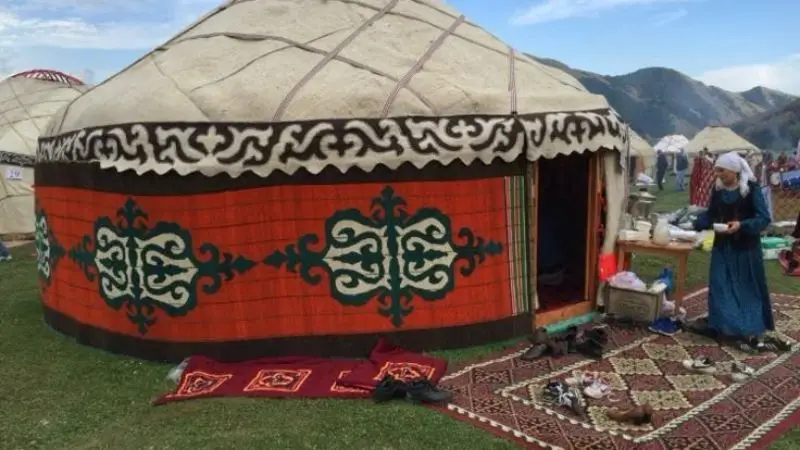
What is a Mongolian yurt? France has a deep market for Runde Zelte. You can buy from French makers, import from Mongolia, or order a kit from a European supplier. Each path offers different trade-offs in price, lead time, and cover quality.
Top 10 Yurts Under €5,000 for Glamping or Garden Use
The best value is in the smaller sizes. A yurt costing less than €5,000 has a diameter of about 12-16 feet. This size lets you build a garden office, a guest house, or even a mini-rental. Trench producers usually make these yurts using treated pine lattice and a PVC roof. Mongolian versions that come from abroad are made of natural canvas and felt.
Make sure you check four things before purchasing the product. First, clarify the material used for the cover and its durability. Secondly, ask whether the price includes the platform. Third, confirm the insulation package for winter use. Finally, you should find out how much it will cost to deliver your yurt.
For yurt glamping stays, buy a model with a clear dome and a proper door. Guests expect light and easy access. For personal yurt camping, a lighter canvas model works well because you can move it between pitches. Modern yurts in this price band often include a stove jack and window panels.
Cheapest Yurts in France: Size vs Durability
What is a traditional yurt? The lowest prices come with real compromises. A very cheap yurt uses thinner lattice wood and a lighter cover. It may last only a few seasons outdoors. A slightly larger budget gets you thicker walls and heavier roof fabric.
| Faktor | Cheaper Yurt | Pricier Yurt |
| Lattice wood | Dünn, leicht | Thick, steam-bent |
| Cover | Light PVC or canvas | Heavy PVC or felt |
| Lebensdauer | A few seasons | Viele Jahre |
There is a trade-off between size and strength at the budget end. The larger budget yurt is more expensive to heat and maintain. The smaller, sturdier budget yurt works better for you. Consider both climate and years of intended use when making your choice.
Fazit
The yurt is a round, portable shelter made of a wooden latticed structure covered with fabric. Central Asian nomads devised this structure hundreds of years ago. Shepherds still employ it today. The moderne Jurte is quick to erect and can withstand severe weather. Modern yurts often include insulation, windows, and stoves.
You can make it into a vacation rental, garden office, or permanent home. Some advantages of a yurt are affordability and ease of assembly. You wanted to know what a yurt was at the outset. Investigate yurt rentals, yurt kits, and local manufacturers of yurts. Check out one yourself. You will get it once you get into it.
Häufig gestellte Fragen
Which yurts are suitable for eco retreats in France?
Eco yurts in France use FSC-certified timber, natural wool insulation, organic cotton canvas, low-impact finishes, solar power, and recyclable building materials.
Which yurts are best for a rental business in France?
The most popular yurts for rental include designs with space sizes ranging from 5 to 7 meters, wood burners, good-quality bedding, kitchen facilities, skylights, and good interior design.
Which yurts are the cheapest and still meet French safety regulations?
Cheaper yurts must still prioritise their electrical wiring system, fire-proofing materials, safety, and insulation, depending on the area’s requirements.
Which yurts are easiest to insulate for winter rental use in France?
Round-shaped yurts with insulated walls are easier to insulate with wool, hemp, or recycled insulation, along with floor insulation and reflectors.