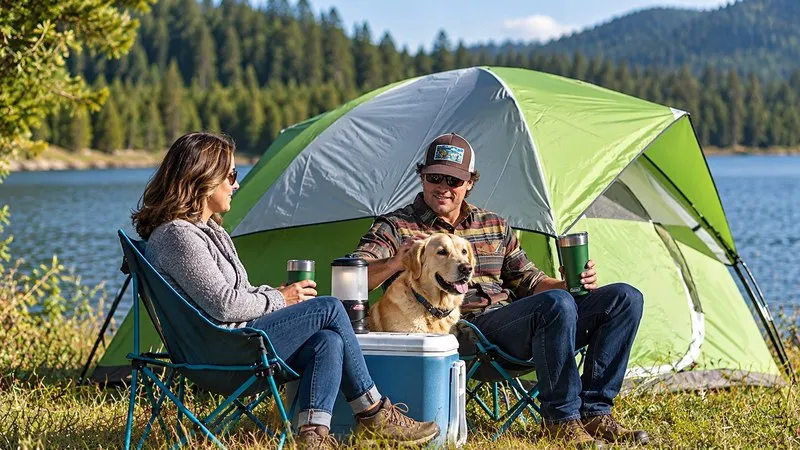
With the right shelter, rain’s easy to handle, and a family can stay dry with the right choice from the variety of waterproof camping tents available. Wind is the next challenge in a family excursion. This article will discuss ratings, seams, ventilation, stability, seasonality, and cleaning supplies. This article covers aufblasbare Campingzelte that use air beams instead of poles. Each section answers a single question, starting with published data and then practical suggestions.
How to Choose the Best Waterproof Camping Tent
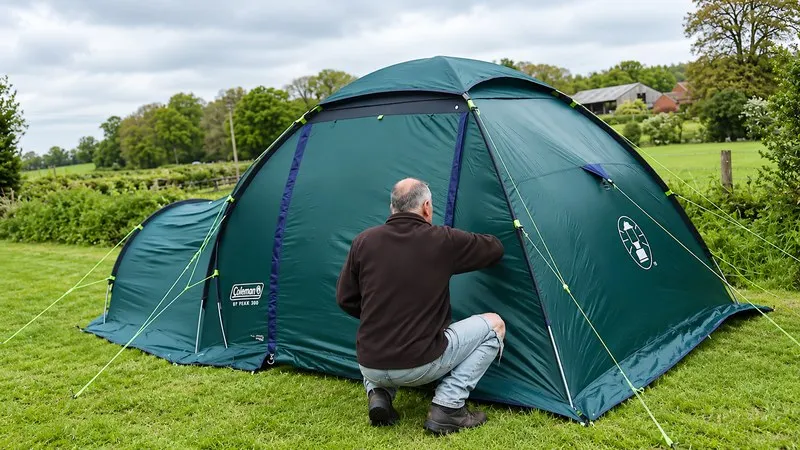
When choosing waterproof camping tents, look at more than just the waterproof rating. Consider the flysheet and floor ratings, seam sealing, rainfly protection, ventilation, and season rating. Consider the weather you expect to experience during your camping.
Hydrostatic Head Ratings: How Waterproof Is a Tent?
The waterproof tent hydrostatic head rating indicates the tent fabric’s water resistance;a higher value means greater resistance. However, a higher rating does not mean a waterproof camping tent is better, because many other factors matter. One review website claims that waterproof tents usually have a 1,000 mm hydrostatic head rating; otherwise, they are just water resistant. The table includes information about tents that have some published ratings.
| Zelt | Flysheet rating | Bodenbewertung | Seams |
| Quechua Air Seconds 4.1 F&B | Über 2,000mm | Über 2,400mm | Heat-taped |
| Vango Aether Air 450XL | 3,000mm | 10,000mm | Aufgeklebt |
| Outwell Rockwell 6 | 3,000 mm (one figure) | Not split out | Nicht aufgeführt |
| North Face Wawona 6 | 1,200mm | 1,500mm | Taped where the fly does not cover |
| VEVOR 5-8 person inflatable | PU3000 | Nicht aufgeführt | Nicht aufgeführt |
When comparing water resistant camping tents, check the rainfly and floor ratings separately. A tent may protect some areas well while leaving others exposed. For example, a US review of the Wawona 6 reported that its rainfly did not fully cover the rear wall, allowing water to enter after three days of rain. However, this was one reviewer’s experience with that specific tent.
Empfohlen für Ihr Projekt
What Does PU3000 Mean On a Tent Listing?
Manche aufblasbares Zelt listings mention PU3000 without specifying a unit of measurement. The final product in the table above uses this label, but the available information doesn’t confirm a 3,000 mm hydrostatic head rating. Its product Q&A says moderate rain may be manageable, but prolonged heavy rainfall can pose risks. Ask the seller to confirm the waterproof rating and provide details about the sealed seams before buying.
How to Keep Your Tent Dry in Heavy Rain
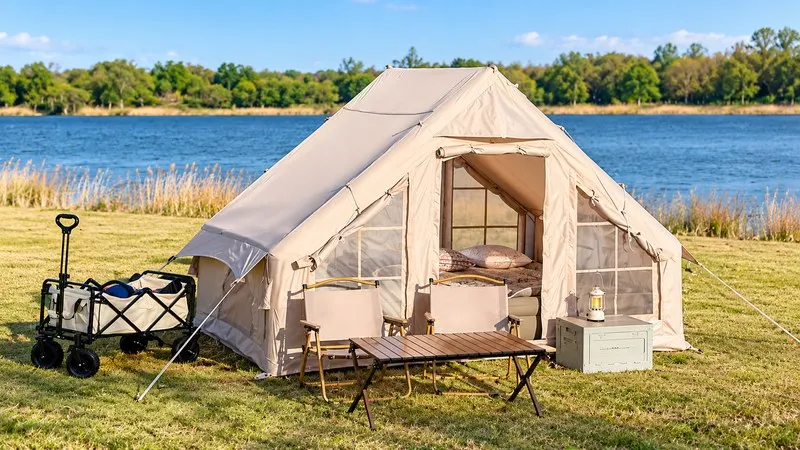
A waterproof tent needs more than water-resistant fabric. Rainfly coverage, sealed seams, floor protection, and good campsite drainage all matter. The following sections explain what to check before buying a tent and how to reduce the risk of leaks during rainy camping trips.
Rain, Drainage, and Seam Sealing
Rainy-season tours put more pressure on a camping tent’s waterproof qualities than weekend tours do. We couldn’t find any data on family tents’ drainage performance, so we will compare only floors, flysheets, and seam sealing. Floors matter most on wet ground.
Vango says its tent has a double-sealed floor that resists up to 10,000 mm of water. The Quechua tent’s floor resists over 2,400 mm of water. Even the most waterproof camping tents will struggle in a dip where water collects, so pick a slightly raised spot and let the water run away from the door. Site choice matters here, and Campingtipps für Anfänger Decke es ab.
According to one review, the main reasons why tents leak are poorly sealed seams and a rain fly that is too small. The Quechua website says all seams use heat-sealed tape, while the Vango website refers to taped seams. Some websites don’t mention seams at all; ask about them first.
How Do You Handle a Tent For Heavy Rain?
For heavy rain, you need a full fly, sealed seams, and a waterproof tent for heavy rain. If a listing mentions a canopy or tarp for heavy rain, check the manufacturer’s instructions and restrictions. Spare pegs and patch kits should also be included, and they’re typically in the Zeltzubehör.
If you don’t have camping tent seam sealing, seam sealing is easy with a sealer compatible with your tent material. According to Gear Aid, water passing through the fly requires a water-repellent coating, not seam sealer, while water passing through the floor shows a peeling coating.
Waterproofing Treatments and Tent Care
Some of the manufacturer’s recommendations are. Nikwax Tent & Gear SolarProof, a spray for synthetic fabrics; check your tent care instructions first. On its website, they say to wash the tent, then apply the spray to a wet surface from 15 cm away.
Match your product to your waterproof Campingzelte material; for cotton, polycotton, or canvas tents, Nikwax suggests Cotton Proof. Gear Aid uses seam grip sealants to seal seams and floor sealant for flaking floor coatings; they recommend cleaning the surface and letting it dry, then applying a thin layer that cures within 2 to 12 hours. Treat the air columns of inflatable camping tents as directed in the instruction manual. A camping gear essentials list can remind you to pack the sealer and the spray.
Choosing a Tent for Different Weather Conditions
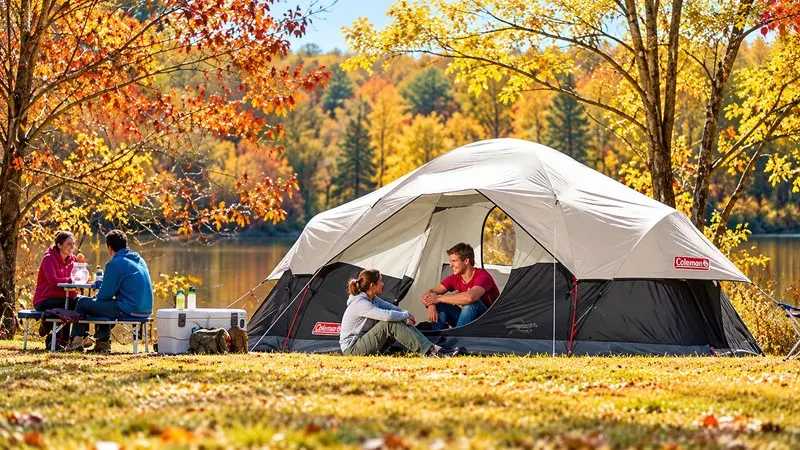
Weather while camping may vary from sunny afternoons to wet nights and windy mornings. When choosing a tent for a French trip, consider these factors. Those are mentioned below.
Choosing a 3-Season Tent
| Funktion | Was es zu sehen | Warum es wichtig ist |
| Wasserdichte Bewertung | A figure in mm, for fly and floor | Shows how much water the fabric resists |
| Seams | Taped or sealed, stated on the page | Seams are a common leak point |
| Lüftung | Vents and mesh you can open from inside | Cuts condensation on warm nights |
| Fly coverage | Fly that reaches the whole tent body | Stops rain reaching uncovered walls |
Viele aufblasbare Zelte feature a “4-season” label, but it does not specify a temperature range. This label describes the tent’s intended use rather than confirming its performance through a specific test. When choosing a 3-season waterproof tent, check its waterproof ratings and the weather conditions it is designed to handle.
Before you leave, write down who will be joining you and what weather conditions you expect. A larger family may need more floor space, extra headroom, and better ventilation. A Checkliste für das Camping-Essentials can help you match the tent to your needs
Season Ratings and Ventilation for Mixed Weather
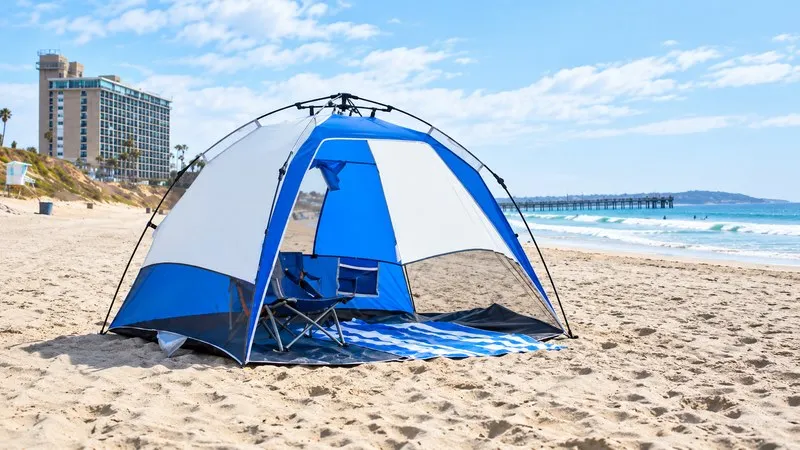
Mixed weather means the tent has to ventilate on hot days and stay waterproof on rainy days. The Quechua tent has a vented flysheet over the living space, plus a high exterior vent and a low interior vent in each bedroom. The Vango tent also includes several vents and an Airzone panel.
One reviewer notes that a completely sealed tent can get humid, while one with vents you can open from inside performs better. Some inflatable tent descriptions mention two doors and mesh windows, but no season rating beyond all-seasons. So pay attention to vent information. Larger family tents need more vents, and a guide to choosing large camping tents Das deckt alles ab.
How Do Season Ratings And Ventilation Work Together?
A winter tent retains heat, so it can feel stuffy in summer. For trips with both sunshine and rain, choose a rainproof camping tent that lets you control the vents from inside, even when it’s raining. Damp clothes add humidity; waterproof camping tents allow air circulation while keeping water out. Below are some of the Camping-Ausrüstungsideen to accommodate people and equipment.
Stability for Windy and Coastal Pitches
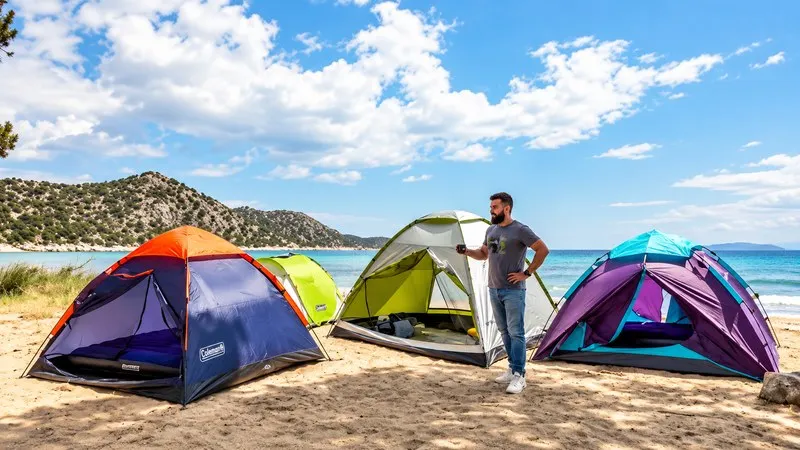
A tall tent can act like a sail; experts therefore recommend an aerodynamic design in strong winds. Decathlon claims that the Quechua has passed wind force seven tests at about 60 km/h using guy ropes. This is only the test situation and not a guarantee for every campsite.
Wasserdicht Campingzelte designed for families tend to be tall and wide, so wind affects them more than a small dome tent. The most waterproof camping tents require careful setup. Vango waterproof camping tents use a tension-band system and storm anchors.
Inflatable tents use air columns instead of poles. Some brands even claim to be windproof pegs, but fail to state their wind ratings. Pegs and guy lines matter, but they don’t make any tent secure in all conditions. Tie down all the guy lines, point the lowest point towards the wind, and take down your tent during storms. Camping waterproof tents are only as secure as the pegs and lines you use. Sandy sites call for extra pegs and a sheltered pitch, and Strandcamping-Essentials cover the rest.
Fazit
Eine gute wasserdichtes Campingzelt should be clearly rated, well sealed, properly ventilated, and wind-resistant. Check the ratings, inquire about anything not listed, and also use season names carefully. Take good care of the material by keeping it clean, dry, and sealed after each use, since proper care helps waterproof camping tents last longer. Choosing the right tent will help ensure a comfortable rainy weekend for the whole family.
Häufig gestellte Fragen
What hydrostatic head rating is good for a waterproof camping tent?
While a 1,000mm rating is a baseline, a higher rating provides more protection. Check the flysheet and floor separately, along with seam and rainfly ratings.
How can I stop my tent from leaking in heavy rain?
Choose a tent with a full-coverage rainfly and sealed seams. Pitch your tent on slightly elevated land with excellent drainage.
How do I waterproof an old camping tent?
Clean the tent and identify how water gets in. Use an appropriate waterproofing spray for a used flysheet or seam sealer for leaking seams.
How can I keep a camping tent dry in rain and humid weather?
Maintain the vents open where possible, keep wet boots and coats away from sleeping areas, and avoid pitching in depressions. Dry the tent before storing it to prevent mould.